
Rotary Tool and 3D Print Finishing
Rotary Tool For Wooden Model Detailing: Buyer Guide
This rotary tool for wooden model detailing guide covers control, kit configuration, sample checks and OEM requirements for European and North American buyers.
Quick Answer
Choose a rotary tool for wooden model detailing by starting with representative parts and the failure you need to prevent. Define small cutters, sanding points and brushes tested on the target wood. Approve the configuration on samples using detailing scrap strips and sample joints before the finished model. For wholesale or private-label orders, freeze the tool, accessories, instructions and packaging as one controlled specification.
Buyer Takeaways
- Start with wooden model shaping and detail, not the advertised number of pieces.
- Specify grain-aware cutting, fine accessory control and dust management.
- Build the kit around small cutters, sanding points and brushes tested on the target wood.
- Approve by detailing scrap strips and sample joints before the finished model.
What a rotary tool for wooden model detailing must solve
The rotary tool for wooden model detailing specification begins with the workpiece. In wooden model shaping and detail, material, wall thickness, inserts, cosmetic surfaces and nearby components all affect tool choice. The key requirement is grain-aware cutting, fine accessory control and dust management.
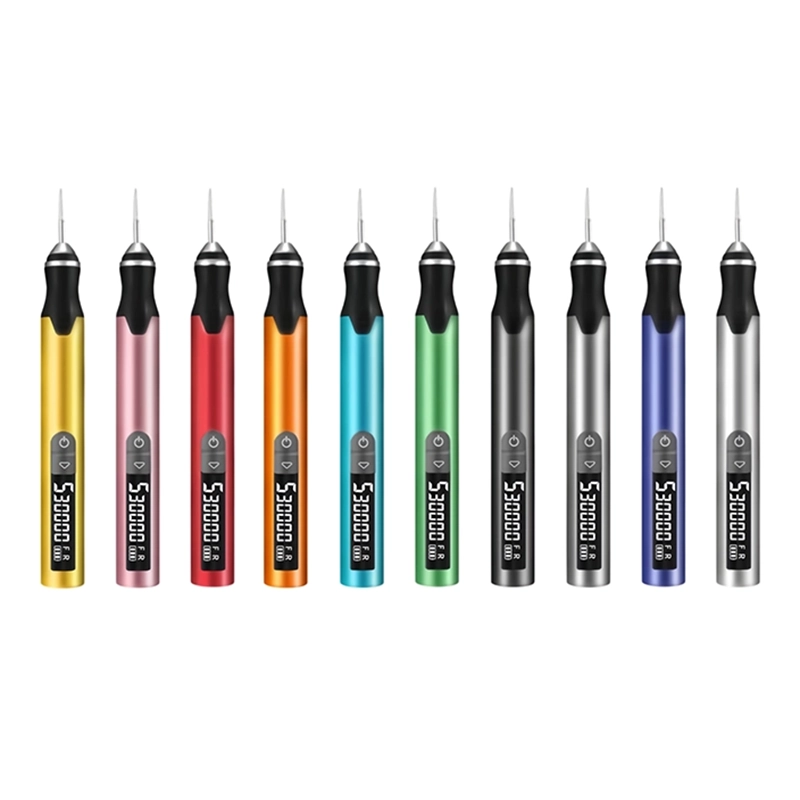
This cordless rotary tool pen can behave differently on a fresh part and one that has already been serviced, so include both conditions in the wooden model shaping and detail sample. The result should be a documented method that reduces tear-out, burned edges or lost scale detail, not a claim that one setting or accessory solves every case.
Map fasteners, materials and working access before choosing the kit
Create a short application matrix for wooden model shaping and detail: record the screw or accessory interface, size, recess depth, nearby material and the handpiece clearance. When the terminology is uncertain, attach photographs or physical wooden model shaping and detail samples to the brief. A buyer can then separate the items needed for grain-aware cutting, fine accessory control and dust management from pieces that only increase the advertised count.
The working list for this project should cover small cutters, sanding points and brushes tested on the target wood. Check alignment at every access angle found during wooden model shaping and detail; an extension or adapter can add reach, but it can also add movement, runout or reduced control. List support accessories separately so quotations show which components actually address tear-out, burned edges or lost scale detail.
Technical Explanation
Speed, pressure and dwell time must be evaluated under load
No-load behavior cannot show whether grain-aware cutting, fine accessory control and dust management is achieved during wooden model shaping and detail. Test the rotary tool for wooden model detailing with representative materials, fasteners or accessories, then record its mode, operator method and visible result.
- Define the failure to avoid: tear-out, burned edges or lost scale detail.
- For wooden model shaping and detail, test the lowest effective input before increasing speed, torque or leverage.
- Keep the approved rotary tool for wooden model detailing model and configuration with the test record.
Collet, accessory and workpiece match usually decides whether control reaches the workpiece
During wooden model shaping and detail, a strong motor or handle cannot compensate for poor bit fit, an unstable extension, the wrong collet or an accessory that cannot stay aligned. Put those interface checks in both the rotary tool for wooden model detailing sample plan and packing list.
Speed, pressure and dwell time: use the lowest effective input
Start at the lowest useful speed, stabilize the workpiece and let the accessory cut rather than forcing it. Heat, edge rounding and surface haze usually come from the combined effect of speed, pressure, dwell time and the wrong abrasive.
For wooden model shaping and detail, begin on the most delicate plausible part and confirm that the chosen input still completes detailing scrap strips and sample joints before the finished model. A catalogue value for the cordless rotary tool pen is not a universal setting. Record the selected model, mode, working item, material and joint condition so the approved method addresses tear-out, burned edges or lost scale detail.
Build a configuration people can use, reset and inspect
At a wooden model shaping and detail bench, the case should make the working sequence obvious. Group the items used for grain-aware cutting, fine accessory control and dust management, then separate extensions, support tools, consumables and charging components. Mark similar sizes clearly and leave a defined position for the wooden model shaping and detail items most likely to be replaced.
For this project, the practical configuration is small cutters, sanding points and brushes tested on the target wood. Model-making supplier should challenge every item that has no defined role, because a smaller and clearer kit can reduce selection errors. The case, insert and packing list must show the same rotary tool for wooden model detailing configuration at receiving inspection and during end-user setup.
Specification Table
Application specification for wooden model shaping and detail
| Specification | Value | Buyer Impact |
|---|---|---|
| Primary task | Wooden Model Shaping And Detail | Keeps the article, kit and sample focused on a real job. |
| Control target | grain-aware cutting, fine accessory control and dust management | Defines how the tool should behave at the workpiece. |
| Risk to prevent | tear-out, burned edges or lost scale detail | Turns quality into an observable acceptance check. |
| Kit basis | small cutters, sanding points and brushes tested on the target wood | Prevents a large but irrelevant configuration. |
| ToolQeen reference models | H101: 30000 RPM, 30 accessories, Aluminum alloy; H102: 30000 RPM, 30 accessories, Aluminum alloy | Provides real starting platforms; confirm the final model and configuration in the quotation. |
Approve the sample on the real wooden model shaping and detail workflow
Use printed coupons or scrap parts made from the target material. Check runout, vibration, collet grip, low-speed control, heat, surface finish, accessory wear and whether dust can be managed safely at the bench.
The minimum useful exercise for this rotary tool for wooden model detailing is detailing scrap strips and sample joints before the finished model. Record the model, mode, working item, material and pass criteria used for that wooden model shaping and detail exercise. Afterward, inspect both the wooden model shaping and detail workpiece and complete kit for wear, heat, debris, loosened interfaces or missing parts. Approval is complete only when a second operator can repeat the result without causing tear-out, burned edges or lost scale detail.
Freeze OEM, packaging and quotation assumptions together
For private-label wooden model shaping and detail programs, freeze the selected platform, logo method, color, case, small cutters, sanding points and brushes tested on the target wood, retail box, labels, manual languages, barcode and shipping marks. If the requirement goes beyond cosmetic work, separate product-development questions and allow time to repeat detailing scrap strips and sample joints before the finished model on the revised sample.
The quotation for model-making supplier should state inclusions, exclusions, quantity basis, packaging basis, document scope, inspection plan and estimated schedule. Keep one dated rotary tool for wooden model detailing configuration as the control record so a later substitution cannot silently change use, quality or market presentation.
Applications
Applications
Wooden Model Shaping And Detail
Primary workflow used to define grain-aware cutting, fine accessory control and dust management and prevent tear-out, burned edges or lost scale detail.
Adjacent repair and maker tasks
Use only where the fastener, material, access and control needs match the approved configuration.
B2B assortment planning
Model-making supplier can use the application matrix to choose a compact, balanced or extended kit without relying on piece count alone.
Things Buyers Should Check
Things Buyers Should Check
- ✓The wooden model shaping and detail workflow and representative parts are available.
- ✓Required control is written as grain-aware cutting, fine accessory control and dust management.
- ✓The sample plan checks detailing scrap strips and sample joints before the finished model.
- ✓Every proposed working item has a real use in the target application.
- ✓Bit, collet, adapter or accessory fit is checked on the wooden model shaping and detail workpiece.
- ✓The operating method explains how to avoid tear-out, burned edges or lost scale detail.
- ✓Case layout, labels, instructions and packing list describe the same rotary tool for wooden model detailing configuration.
- ✓The model-making supplier quotation states model, quantity basis, sample scope, packaging, documents and change rules.
Which Option Should You Choose?
Which Option Should You Choose?
Choose the smallest configuration that completes the full target workflow.
Relevant coverage and clear use reduce training, returns and rework.
Freeze the rotary tool for wooden model detailing and packaging as one revision-controlled specification.
A private-label wooden model shaping and detail launch includes more than the logo on the tool.
Approve the rotary tool for wooden model detailing with representative parts and repeatable acceptance criteria.
Wooden Model Shaping And Detail sample results are easier to reproduce during production and inspection when they are documented.
Frequently Asked Questions
Frequently Asked Questions
How do buyers know whether a rotary tool for wooden model detailing is suitable for the target job?
It is suitable when the proposed model and configuration can complete detailing scrap strips and sample joints before the finished model without tear-out, burned edges or lost scale detail. Confirm that rotary tool for wooden model detailing result on representative wooden model shaping and detail parts before approving the application.
Which bits or accessories matter most for wooden model shaping and detail?
Start with small cutters, sanding points and brushes tested on the target wood. Verify size, geometry, reach and fit on actual wooden model shaping and detail samples. Extra pieces belong in this rotary tool for wooden model detailing only when they support a defined adjacent task or replace a known wear item.
How should speed, pressure and dwell time be selected?
For wooden model shaping and detail, begin with the lowest effective input and document the fastener or accessory, material, mode and operator method. Increase input only when the rotary tool for wooden model detailing sample shows no unacceptable heat, damage, slip or loss of control.
What should be checked when approving a sample for wooden model shaping and detail?
Check the wooden model shaping and detail workflow, working interfaces, access, control, surface result, operator handling and tool condition after use. Reconcile the complete rotary tool for wooden model detailing, case layout, markings, instructions and packaging, then record the exact model and revision.
Can ToolQeen customize the logo, case and packaging for this rotary tool for wooden model detailing?
ToolQeen can review OEM options for this wooden model shaping and detail kit on an existing platform; deeper rotary tool for wooden model detailing changes follow an ODM evaluation. Send the wooden model shaping and detail target market, quantity, model, complete configuration, artwork and packaging requirements for a scoped quotation and sample plan.
What should model-making supplier include in the RFQ?
Include wooden model shaping and detail, representative parts, the required working result, small cutters, sanding points and brushes tested on the target wood, target market, quantity, branding, packaging, required document checks, sample deadline, launch timing and inspection expectations.
Final Buyer Recommendation
Choose the configuration that completes wooden model shaping and detail with clear control, relevant working items and a repeatable sample result.
Related Products
Related Products
H101 High-speed Electric Engraving Pen
Cordless pen-style rotary tool for engraving, polishing, grinding and detail work.
View product ↗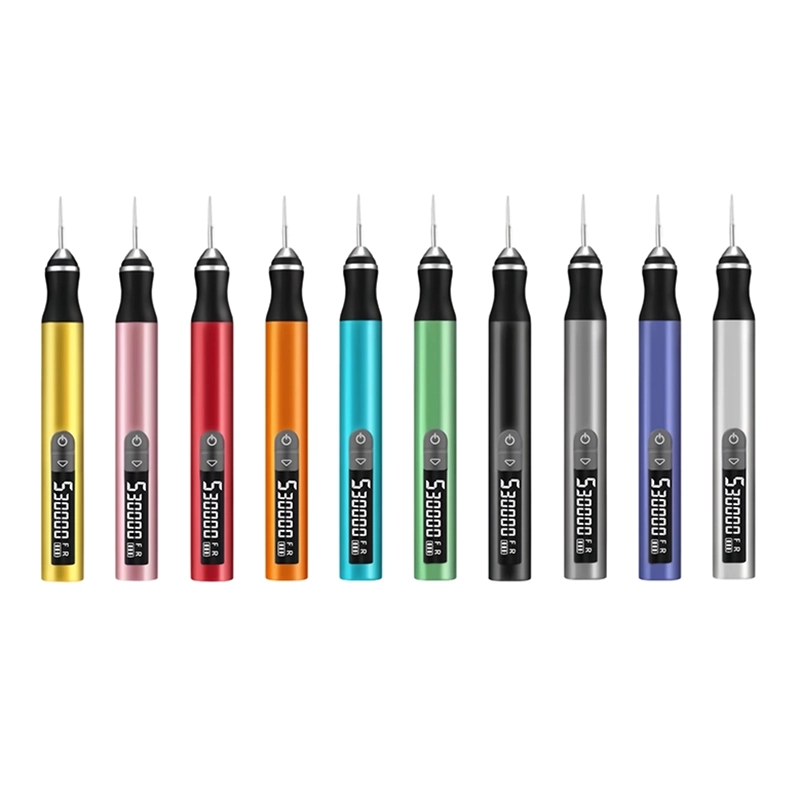
H102 Cordless Electric Engraving Pen
Cordless pen-style rotary tool for engraving, polishing, grinding and detail work.
View product ↗