
Screwdriver bit materials
Precision Screwdriver Quality Control: Bit Fit, Hardness and Tip Accuracy
Use precision screwdriver quality control to verify bit material, hardness evidence, tip accuracy, fit tolerance, wear and 4 mm or 6.35 mm interface compatibility.
Quick Answer
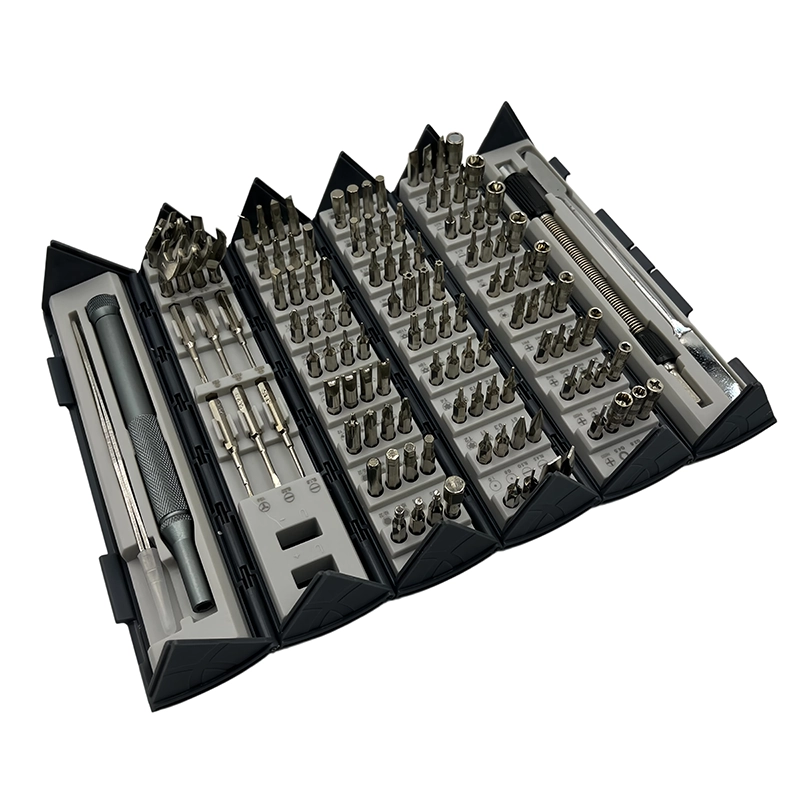
Precision screwdriver quality control should examine the actual bit interface and intended fasteners, then verify material evidence, hardness method, tip geometry, fit tolerance and wear behavior on samples. S2 or CR-V names alone do not prove bit performance, and 4 mm and 6.35 mm interfaces should be confirmed before a kit is approved.
Buyer Takeaways
- Use actual target screws to judge tip fit and engagement.
- Request the material and hardness method for the selected bit configuration.
- Keep 4 mm and 6.35 mm interface decisions separate in the specification.
- Document high-use bit profiles and wear observations during sample approval.
Make the bit interface part of the quality brief
Precision screwdriver quality starts with the bit-to-handle or bit-to-driver interface. A buyer should identify whether the selected kit uses 4 mm, 6.35 mm or another defined arrangement, then confirm that the handle, extension and bits in the sample match the intended interface. Mixing interfaces in an undefined kit creates immediate compatibility and customer-service risk.
The same brief should list the target fastener profiles, access requirements and any high-frequency use cases. This provides a practical basis for deciding which bits require closer sample inspection or a spare position in the final kit.
Ask for material and hardness evidence, not a material label alone
S2 and CR-V may be used for different bit requirements, but the material name is not a complete quality conclusion. For the selected bits, ask what material is specified, how hardness is checked, which part of the bit is relevant and how the result is recorded. Any HRC target or test method should be tied to the approved configuration.
A buyer should not convert a general material statement into a blanket durability claim. Instead, use the evidence to guide sample testing on representative fasteners and to define any acceptance point that matters to the intended application.
Technical Explanation
Evidence requirement
Request evidence tied to the exact configuration and intended buyer decision.
- Confirm the selected model or kit configuration before reviewing a claim.
- Use a documented sample method and retain the result with the approval record.
- Escalate any change that could affect buyer acceptance before bulk release.
Buyer Comparison
Precision screwdriver bit QC evidence
| Control point | Evidence to request | Risk reduced |
|---|---|---|
| Interface | 4 mm or 6.35 mm compatibility record | Mismatched bits and holders |
| Material and hardness | Selected-bit specification and test basis | Unverifiable durability claims |
| Tip geometry | Fit check on target fasteners | Cam-out and damaged screws |
| Wear | Controlled sample-use observation | Unexpected early replacement |
Inspect tip accuracy and engagement on representative screws
Tip accuracy affects torque transfer, cam-out and cosmetic damage. Review the profile geometry and seating of the sample bit in the actual screw types used by the target repair or DIY audience. Include new, worn or tight screws when those conditions are part of the expected use.
Record any slipping, wobble, visible marking or poor reach along with the exact bit and screw used. This makes a later discussion about fit tolerance specific and avoids a vague claim that the whole set has passed a quality check.
Evaluate wear with a controlled use sequence
Wear is application-dependent, so the appropriate sample check should use a defined fastener, number of cycles or observation point. The buyer can compare high-use profiles after the same controlled sequence and decide whether the kit requires different material, geometry, spare bits or clearer user guidance.
The purpose is to avoid a return-prone configuration, not to promise a universal service life. If a bit is changed after approval, the change should be reviewed against the same fit and wear criteria before bulk release.
Control the set, not only the individual bit
A precision screwdriver kit also needs clear size identification, correct slot positions, accessory retention and a packing list that matches the approved sample. A well-made bit can still be unavailable to the user if it is mislabelled, missing or paired with the wrong interface.
At final inspection, compare the kit contents, labels and pack-out to the frozen specification. This connects bit QC to real buyer experience and makes the evidence usable for a product manager, quality manager and supplier alike.
Things Buyers Should Check
Things Buyers Should Check
- ✓Confirm the current model or kit configuration.
- ✓Attach the target application, market and purchase scope.
- ✓Request evidence for the decisive technical or commercial question.
- ✓Approve the sample and related pack-out against one version-controlled record.
- ✓Review changes before production and shipment release.
Frequently Asked Questions
Frequently Asked Questions
Are S2 bits automatically better than CR-V bits?
No. Material, heat treatment, hardness, geometry and the target fastener all matter. Request evidence for the selected bit configuration.
Why compare 4 mm and 6.35 mm bits before ordering?
They are different interfaces. Confirm the supplied bits, holder and extensions use the interface required by the intended kit.
How should tip accuracy be checked?
Check seating and engagement on representative target screws, then record the bit, screw condition and observed result.
What should an HRC result include?
It should identify the selected bit, test method, relevant location and the agreed requirement; a detached number is not enough.
Can a bit-wear claim be generalized across a whole set?
No. Wear depends on profile, material, geometry, fastener condition and use method. Test high-use profiles in the intended application.
Final Buyer Recommendation
Use this guide to structure the next buyer decision for precision screwdriver quality control. Confirm the exact product configuration, target market and order conditions in the RFQ or sample-approval record before committing production.
Related Products
Related Products
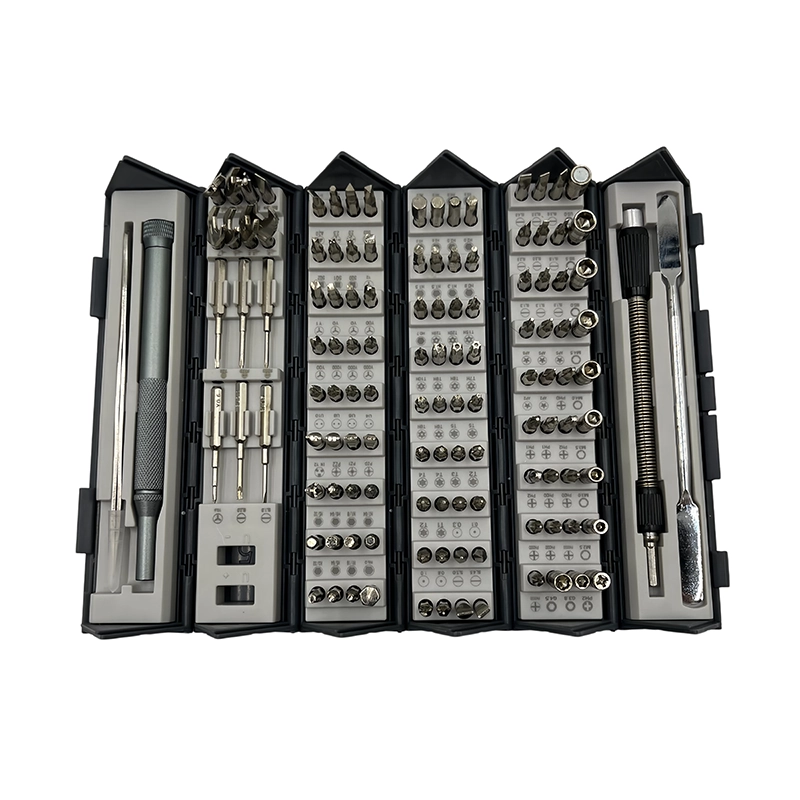
128-in-1 Manual Precision Screwdriver Set
Manual precision repair kit for electronics maintenance, workshops and retail ranges.
View product ↗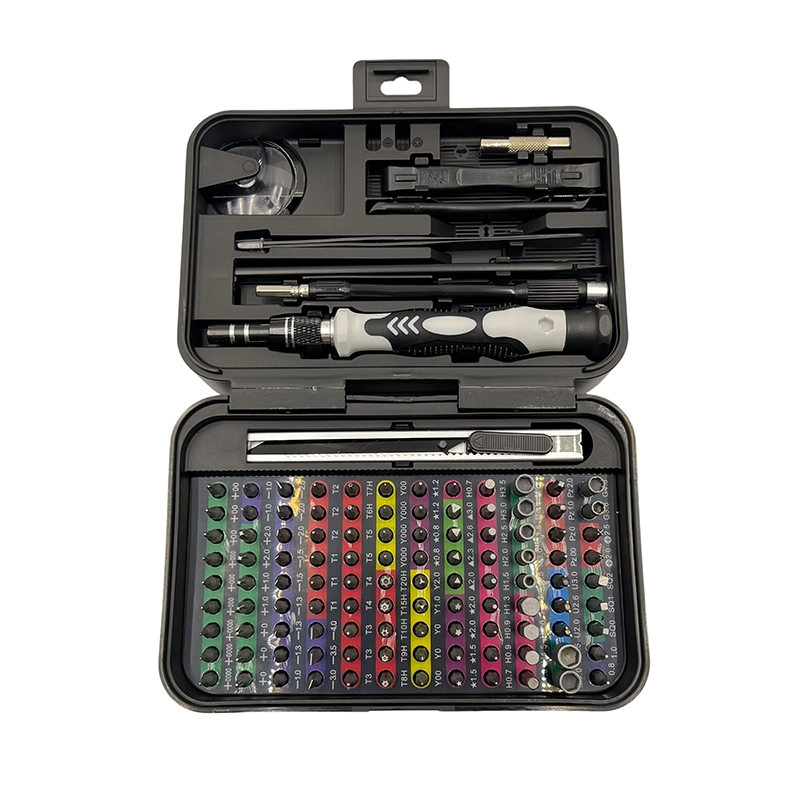
132-in-1 Manual Precision Screwdriver Set
Manual precision repair kit for electronics maintenance, workshops and retail ranges.
View product ↗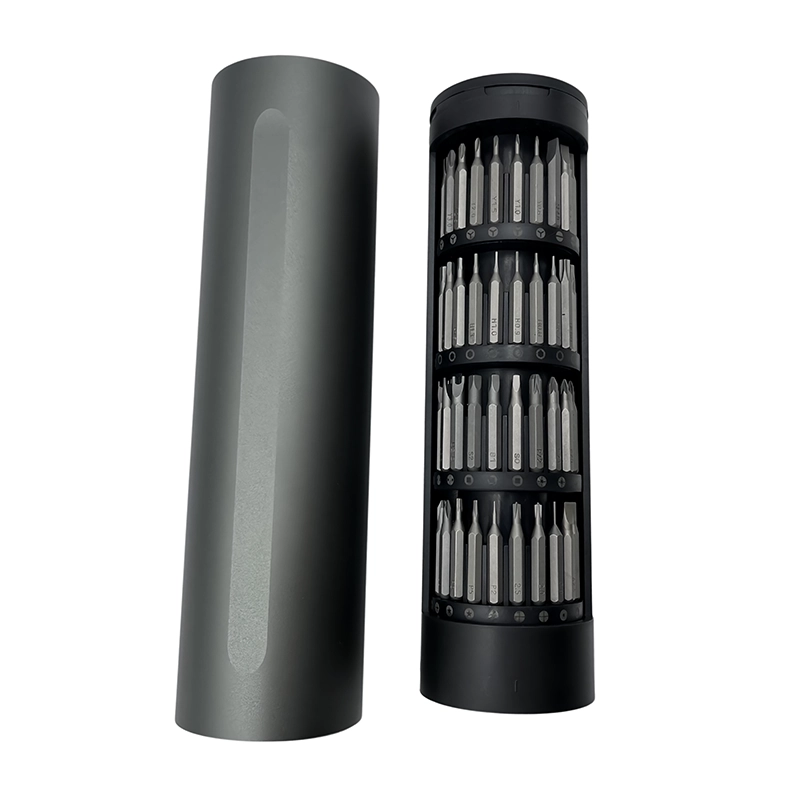
67-in-1 Electric Precision Screwdriver Set
Rechargeable precision system for smartphones, laptops, cameras and small electronics.
View product ↗