Why a precise RFQ produces a more useful quotation
A short message asking for the best price on an electric screwdriver usually creates an unreliable comparison. One supplier may quote a standard model without custom packaging, another may include a larger S2 bit set, and a third may assume different inspection or delivery terms. The numbers look comparable even though the products and services are not. A controlled RFQ gives each supplier the same starting point and requires assumptions to be visible.
The document does not need to be an engineering drawing. It needs to explain the business goal, product application, non-negotiable requirements, preferred options and commercial timing. When information is unknown, label it as a question for supplier recommendation. That approach is more useful than specifying an arbitrary value that does not match the fastener or device.
Start with the application, user and representative fasteners
Describe whether the tool will be used for smartphone repair, laptop service, cameras, small appliances, compact assembly, DIY retail or another task. Add the expected user, working frequency, access space and typical environment. A pen-style precision driver for occasional electronics repair has different priorities from a tool used repeatedly at a service bench.
List representative screw profiles and sizes, the materials being assembled and any recessed or restricted access. Photos, samples or drawings can help when terminology differs between teams. The supplier can then check bit engagement, extension needs, handle diameter and whether powered or manual torque is appropriate. Application evidence is a stronger selection basis than the advertised number of pieces in the kit.
Define torque and speed as acceptance needs, not catalogue claims
State the required working result: controlled installation of small fasteners, removal capability, operating modes and whether manual tightening or loosening is expected. If the final torque value is not known, provide representative assemblies for evaluation and ask the supplier to state the model-specific powered and manual torque. Do not apply one headline value to every model in a product family.
Speed affects productivity and control. A faster tool is not automatically better for delicate parts, especially when the operator needs accurate starting and stopping. Ask how speed and torque modes are selected, how the sample will be checked and what variation is acceptable for the project. Record the approved test condition so incoming or pre-shipment inspection can use the same basis.
Specify the bit list, material and complete kit configuration
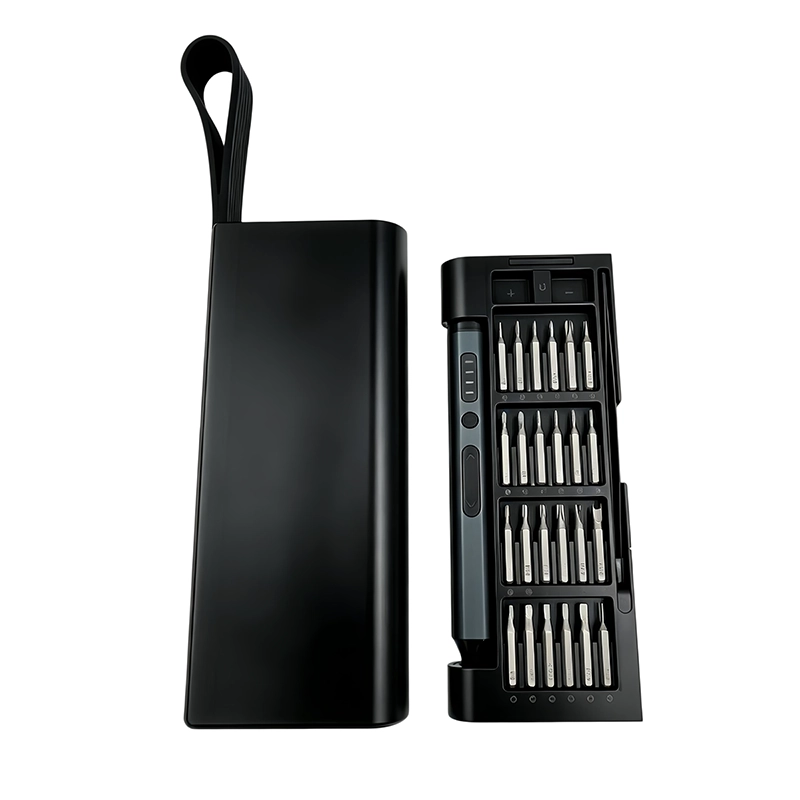
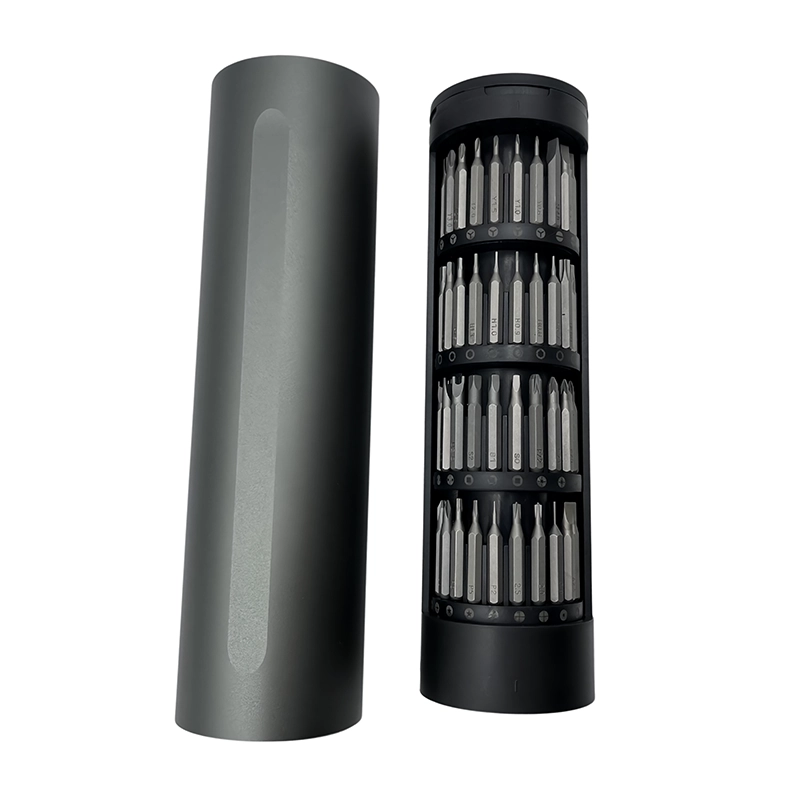
Send the required bit profiles, sizes, lengths and quantities instead of requesting a generic 50-piece or 60-piece set. Confirm whether extensions, opening tools, tweezers, magnetizers, cables or spare bits are required. The correct configuration should match the devices your customers service; duplicated or irrelevant bit sizes add cost without improving the product.
If S2 or CR-V is required, explain the application priority and ask for the material and hardness target of the selected configuration. Material name alone does not guarantee fit or life. Geometry, heat treatment, hardness control and engagement with the fastener must be evaluated together. Ask the supplier to identify any nonstandard bits because they can affect minimum quantity and lead time.
Connect battery, charging and compliance questions to the destination market
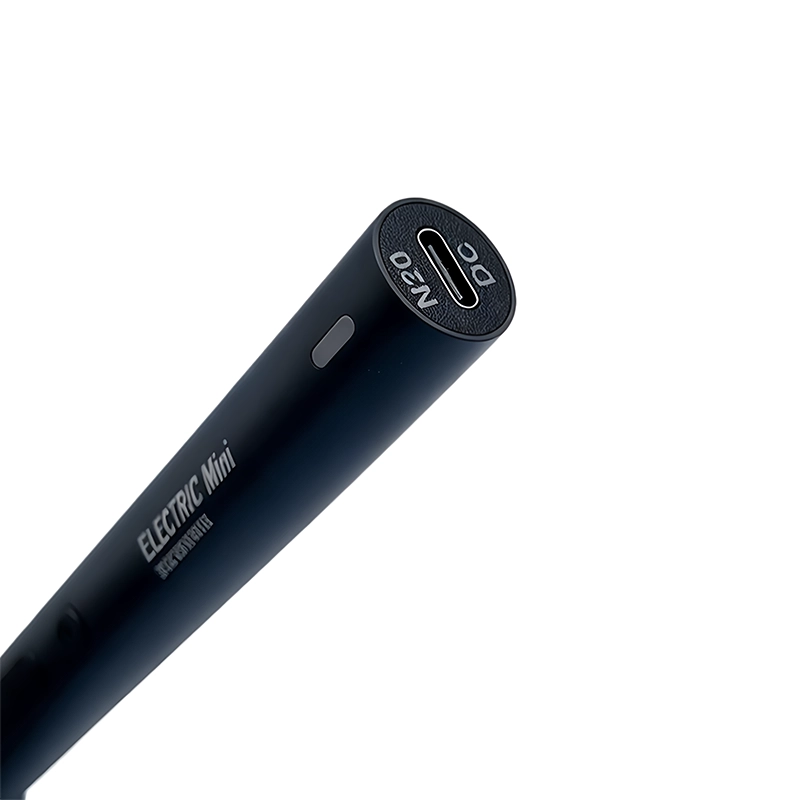
Define the charging interface, included cable, battery expectations, plug or adapter needs and any retail claims that must be supported. If runtime or charging time is commercially important, state the test condition rather than asking for a number without context. Battery, PCB, cable and charging choices can change the final model configuration and documentation scope.
Name every intended destination country and sales channel. Ask which declarations, reports, labels, manuals and battery-transport documents apply to the exact quoted model and configuration. Do not assume that a document for a similar product automatically covers a changed battery, charger, wireless function or accessory package. Final regulatory responsibility and evidence should be confirmed for the target market before the purchase order.
Freeze the OEM, packaging and quality scope before comparing price
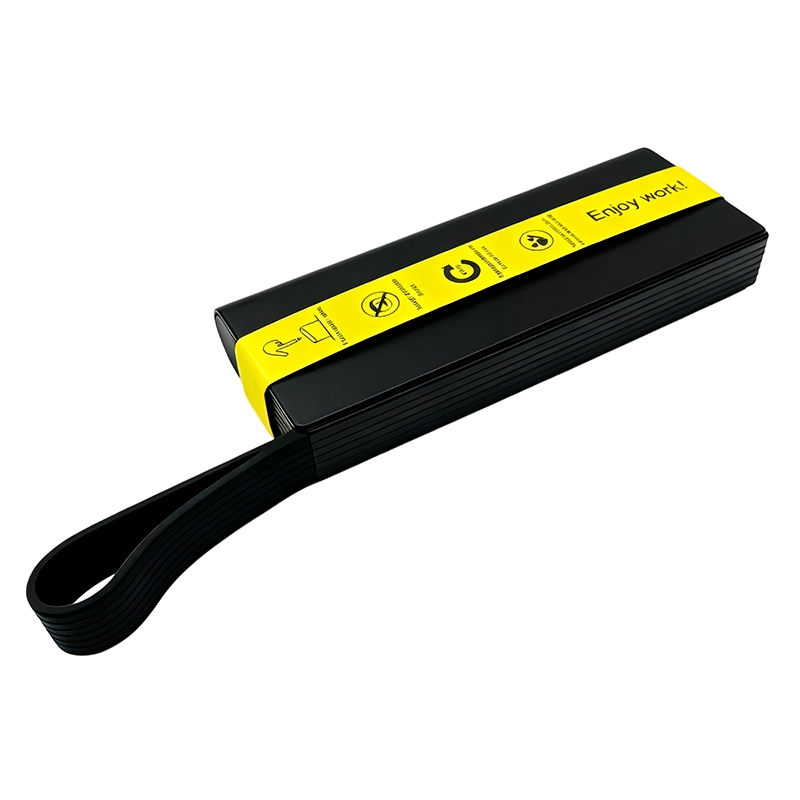
Separate standard private-label options from engineering changes. Specify logo position and method, housing color, finish, case, retail box, insert, barcode, labels, manual languages and shipping-carton marks. Attach draft artwork where available and ask the supplier to list missing files, setup charges and approval deadlines. A logo-only project should not be quoted as if it includes new tooling or electronics.
Define the sample and inspection route at the same time. State what must be approved on the sample, which specification version controls production and whether the buyer requires functional checks, appearance standards, accessory verification, packaging inspection or independent pre-shipment inspection. Ask what evidence will be supplied and how changes after sample approval affect price and schedule.
State quantity, timeline and quotation rules clearly
Provide the sample quantity, expected first order, annual estimate if available, target launch date and requested delivery term. Quantity affects component purchasing, customization routes, packaging production and test allocation. Separate the sample deadline from the mass-production deadline and allow time for artwork, document review and corrective samples when necessary.
Require the quotation to identify the exact model, configuration, price basis, one-time charges, minimum quantity, sample cost, estimated lead time, payment terms, delivery term, packaging basis, available documents, exclusions and validity date. Compare offers line by line and resolve differences before choosing a supplier. The best quotation is the one that makes scope and risk visible, not simply the one with the lowest unexplained unit price.
Buyer decision table
The 12 fields to put in an electric screwdriver RFQ
| RFQ field | What the buyer should send | Why it changes the quotation |
|---|---|---|
| 1. Application | Device, repair or assembly task and working environment | Determines the suitable product platform |
| 2. Fasteners | Screw profiles, sizes, materials and access conditions | Defines bit geometry and working clearance |
| 3. Torque | Required powered range, control expectation and manual use | Affects motor, control and validation scope |
| 4. Speed | Target speed or acceptable operating modes | Affects productivity, control and electronics |
| 5. Bit set | Exact profiles, sizes, lengths and quantity | Changes kit configuration and cost |
| 6. Bit material | Material, hardness target and application priorities | Changes wear resistance, toughness and price |
| 7. Power | Battery, charging interface, cable and plug requirements | Changes components, documents and packaging |
| 8. Target market | Destination countries, channel and customer type | Drives labeling, manuals and document checks |
| 9. OEM scope | Logo, color, surface finish, case and accessories | Separates standard options from development |
| 10. Packaging | Retail box, inserts, barcode, labels and carton marks | Changes artwork, material and packing labor |
| 11. Quality | Sample tests, inspection plan and required evidence | Defines acceptance criteria and test effort |
| 12. Commercial | Quantity, sample deadline, launch date and delivery term | Sets price basis, capacity and schedule |
Frequently asked questions
Frequently asked questions
What is an electric screwdriver RFQ?
An electric screwdriver RFQ is a request for quotation that gives suppliers the same technical, OEM, quality and commercial requirements. Its purpose is to produce comparable offers rather than several prices based on different assumptions.
How much technical detail should the first RFQ include?
Include enough detail to identify a realistic model and scope: application, representative fasteners, torque and speed needs, bit configuration, battery and charging, target market, customization, quantity and timing. Mark uncertain items as open questions instead of inventing values.
Should a buyer specify the model or only the application?
Send both when possible. Name a preferred model if one has already been evaluated, but also explain the application and acceptance criteria so the supplier can identify conflicts or recommend a better platform.
What should be requested with the supplier quotation?
Request the quoted model, complete configuration, unit-price basis, tooling or setup charges, sample cost, minimum quantity, lead-time assumptions, packaging basis, available document scope, payment and delivery terms, exclusions and quotation validity.
Does an RFQ replace sample approval?
No. The RFQ defines the intended scope, while a physical sample and controlled specification confirm what will be manufactured. Approve function, bits, appearance, artwork, packaging and documents before bulk production.
How can buyers compare two electric screwdriver quotations fairly?
Normalize the model performance, included bits and accessories, battery and charging setup, OEM work, packaging, inspection, quantity, delivery term and one-time charges. A lower unit price is not comparable when important items are excluded.
Editorial and technical review
Built from ToolQeen product and process evidence.
Reviewed against current ToolQeen precision electric screwdriver configurations, OEM quotation inputs, sample-approval checkpoints and quality-control materials. Performance, documentation and commercial terms must be confirmed for the selected model, destination market and order.
ToolQeen Product & Quality Team · 2026-08-25