
precision electric screwdriver supplier
How to Choose a Precision Electric Screwdriver for B2B Sourcing
A practical sourcing framework covering torque, speed, bit material, battery, configuration, application and OEM requirements.
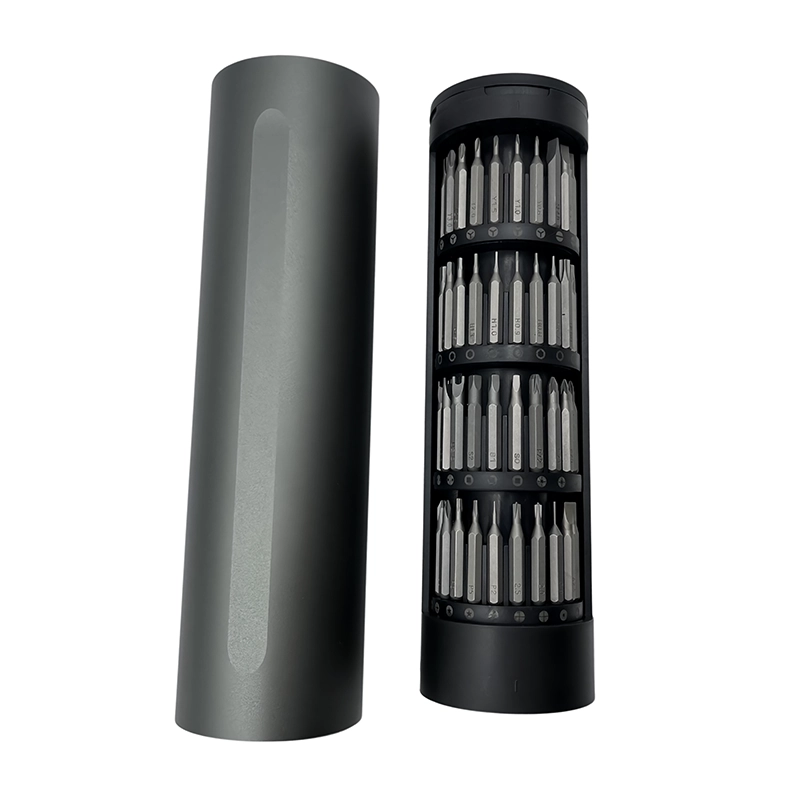
Quick Answer
Choose the screwdriver around the fastener, device and repeat-use requirement first. Then verify controllable torque, bit geometry and material, battery and charging design, included accessories, sample consistency and the exact OEM scope before comparing price.
Buyer Takeaways
- Define the application, fastener range and working environment before selecting a kit.
- Compare controllable torque and repeatability—not only the advertised maximum torque.
- Verify the actual bit list, steel, hardness target and fit on representative fasteners.
- Connect branding, packaging, documentation and compliance needs to the exact model.
Start with the application and fastener size
Electronics repair, compact assembly and general maintenance require different torque ranges, handle sizes and accessory mixes. Define the device, fastener range, access space, expected daily use and working environment before comparing piece counts. A compact pen-style driver may suit phones and laptops, while workshop maintenance may need a larger handle, stronger manual override and different accessories.
Send representative screws or clear fastener information with the RFQ. This gives the supplier a practical basis for recommending the bit profiles, extension arrangement and product platform rather than choosing only from a catalogue headline.
Evaluate torque control, not only maximum torque
A useful precision platform should provide controllable low-torque operation for small fasteners and sufficient manual or powered torque for removal. Confirm the model-specific range rather than applying one headline specification to an entire product family. Ask how the sample is checked, whether different speed or torque modes are available and how manual torque is applied after powered operation stops.
During sample approval, test repeated fastening on representative assemblies. Watch for damaged screw heads, inconsistent stopping, excessive noise, overheating and poor control at the start of rotation. Record the approved configuration so the bulk order is assessed against the same requirement.
Buyer Comparison
What a professional buyer should verify before sample approval
| Decision factor | Evidence to request | Risk if skipped |
|---|---|---|
| Application fit | Device, screw size, access space and duty cycle | A high piece count but poor real-use fit |
| Torque control | Model-specific powered and manual torque data plus sample checks | Damaged fasteners or inconsistent assembly |
| Bits | Complete bit list, geometry, material and hardness target | Poor engagement, early wear or missing profiles |
| OEM scope | Approved artwork, color, packaging, manual and specification version | Rework, schedule changes and quotation disputes |
Check bit steel and configuration
S2 and CR-V are common materials in the supplied ToolQeen range. The correct choice depends on geometry, hardness, heat treatment, application and cost target. Review the actual bit list because a higher piece count does not automatically create a better kit. Confirm whether the set includes the profiles your customers use, not only a large number of similar sizes.
Ask for the material and hardness target of the selected bits, then test engagement on representative fasteners. Good fit, controlled hardness and consistent geometry reduce cam-out and premature wear. Packaging should also hold every bit securely and make replacement or identification practical.
Build the OEM brief around the market
A useful brief includes target country, quantity, price position, logo, housing color, packaging, manual language, compliance needs and sample timing. This lets the supplier separate fast private-label work from changes that require engineering or tooling. Clarify whether the project is a simple branding change, a kit reconfiguration or a new product development request.
Use one controlled specification version for quotation, sample approval and production. Artwork, color references, barcode data, manuals and carton marks should have named approvers and deadlines. Ask which documents apply to the exact model and destination instead of assuming one report covers every configuration.
Frequently Asked Questions
Frequently Asked Questions
What torque should a precision electric screwdriver have?
There is no single correct value. Small electronics need controllable low torque, while removal and larger fasteners may require more powered or manual torque. Confirm the range on the exact model and test representative screws.
Are S2 bits always better than CR-V bits?
No. S2 is commonly chosen for high-hardness precision bits, while CR-V can provide useful toughness for general applications. Geometry, heat treatment, hardness and fit matter as much as the material name.
What should an OEM screwdriver RFQ include?
Include the target market, application, model or required performance, quantity, logo, colors, packaging, manual languages, documentation needs, sample deadline and launch schedule.
Should buyers approve a sample before bulk production?
Yes. Approve the product configuration, function, bit list, appearance, artwork, packaging and specification version before mass production and retain an agreed reference sample when practical.
Related Products
Related Products
67-in-1 Electric Precision Screwdriver Set
Rechargeable precision system for smartphones, laptops, cameras and small electronics.
View product ↗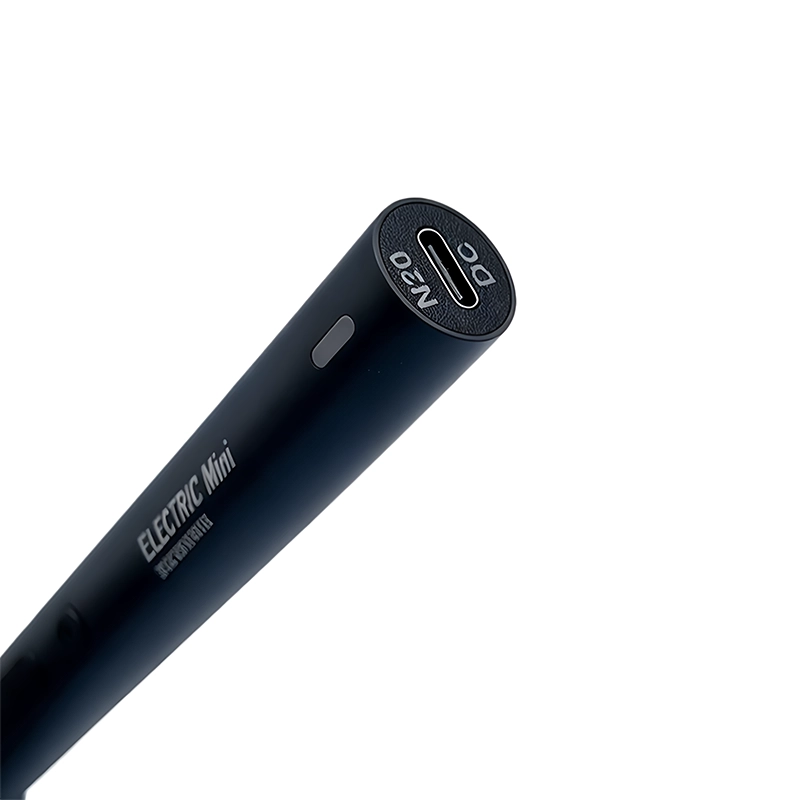
44-in-1 Electric Precision Screwdriver Set
Rechargeable precision system for smartphones, laptops, cameras and small electronics.
View product ↗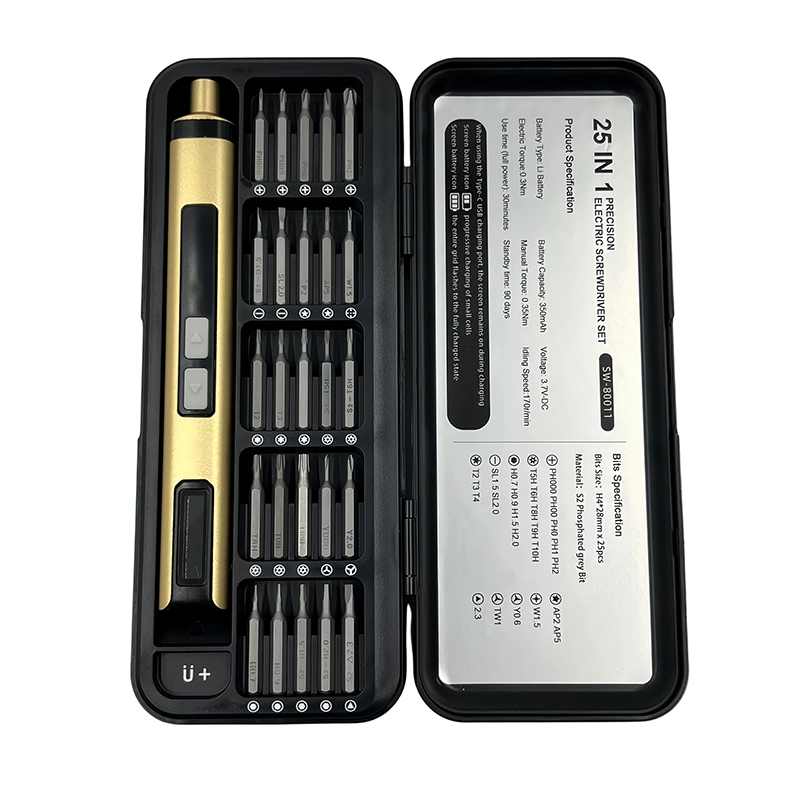
25-in-1 Electric Precision Screwdriver Set
Rechargeable precision system for smartphones, laptops, cameras and small electronics.
View product ↗