
OEM screwdriver manufacturer
OEM vs ODM Screwdriver Projects: A Buyer’s Checklist
Use this checklist to define branding, performance, tooling, samples, order quantity, quality documents and delivery expectations.
Quick Answer
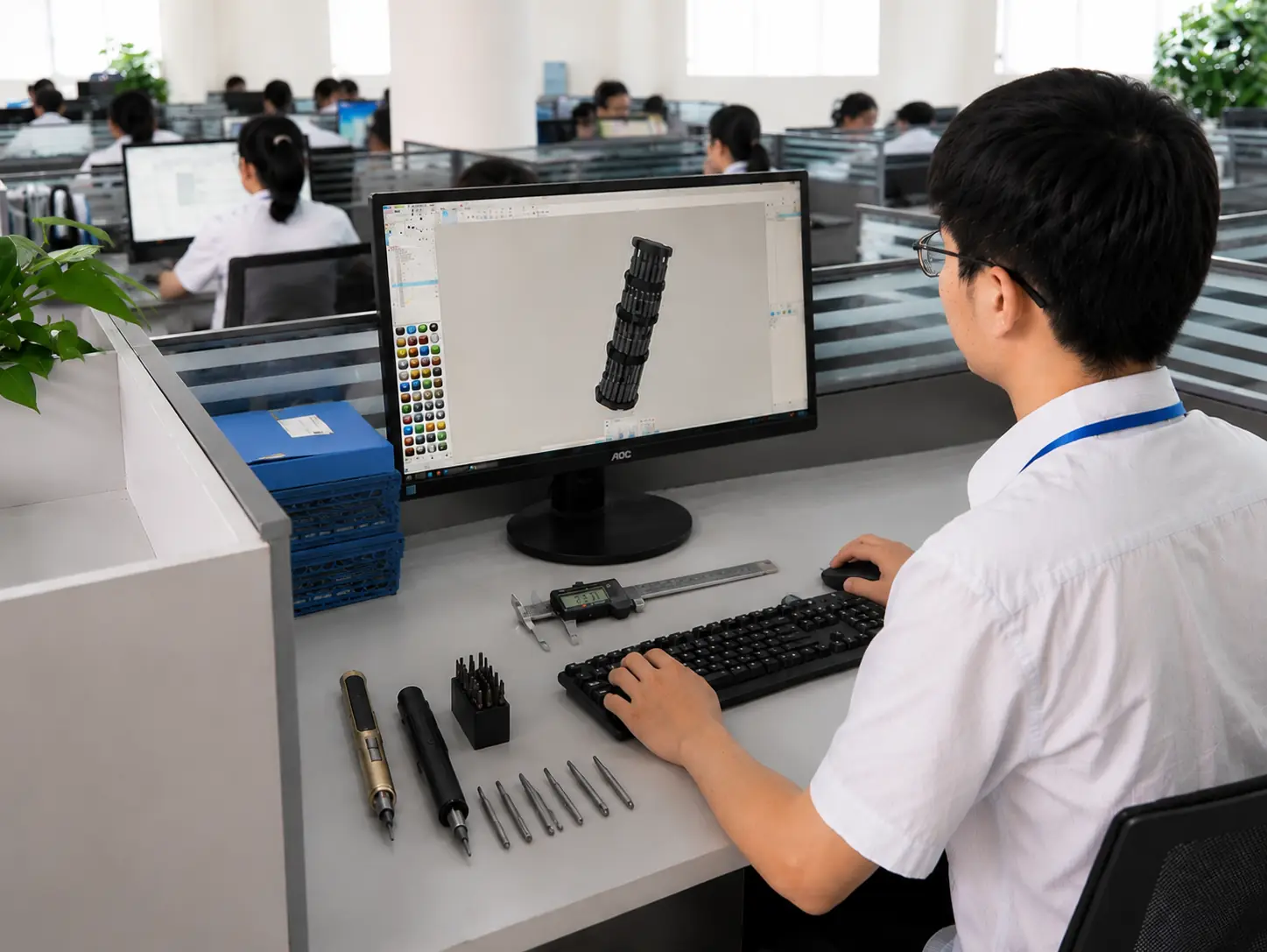
Choose OEM when an existing platform already meets the target performance and the project mainly needs branding or packaging. Choose ODM when differentiation requires engineering, electronics, structure, tooling or a new system. In both cases, freeze requirements and approval gates before treating price or delivery as final.
Buyer Takeaways
- Separate private-label changes from engineering changes before quotation.
- Approve a written specification, artwork and sample at named project gates.
- Confirm ownership, tooling, test scope and change-control responsibilities.
- Match compliance documents to the exact model, configuration and market.
Use OEM when the product platform already fits
OEM is generally the faster route when the existing product structure, performance and accessory logic already match the target market. Typical changes include logo, color, retail box, storage case, labels, barcode information and manuals. Buyers should still confirm the exact model, bit list, battery or charging arrangement and packaging configuration before comparing quotations.
A focused private-label brief reduces unnecessary engineering and gives the supplier a stable basis for samples and production. Confirm minimum quantity, artwork deadlines, color references and which items are standard versus custom.
Use ODM when differentiation requires development
ODM is appropriate when the project needs a new structure, motor and control logic, smart features, tooling or a substantially different complete kit. Development scope should be confirmed before price and timing are treated as final. Separate must-have requirements from optional features and identify how each requirement will be verified.
The agreement should explain engineering deliverables, prototypes, tooling, ownership, validation, change requests and the transition into mass production. These decisions affect cost and schedule more than logo or packaging changes.
Buyer Comparison
OEM and ODM routes solve different project needs
| Project route | Typical scope | Primary buyer control |
|---|---|---|
| OEM / private label | Logo, color, packaging, manual and kit configuration | Artwork, target cost, quantity and approved sample |
| Configured OEM | Existing platform with selected performance or accessory changes | Specification version, validation and lead time |
| ODM development | New structure, electronics, tooling or differentiated system | Requirements, engineering gates, ownership and validation plan |
Confirm the decision gates
A controlled project moves through requirement definition, solution and quotation, sample confirmation, engineering or tooling, production, quality control and delivery. Document who approves each gate and which specification version is current. Do not allow artwork, accessory or performance decisions to remain in separate chat threads without a controlled summary.
Use a sample approval record that lists function, appearance, materials, accessories, packaging and documents. If a change is made after approval, record its impact on price, timing and validation before production continues.
Connect quality documents to the exact model
Do not assume one report applies to every tool. Ask which CE, FCC, RoHS or other documents apply to the selected model, configuration and destination market before ordering. Chargers, batteries, wireless functions and market-specific labeling can change the required scope.
The purchase specification should identify the approved test or document set and any buyer-specific inspection requirements. Pre-shipment checks should verify that the finished product, labels, manuals and packaging match the approved version rather than only confirming carton quantity.
Frequently Asked Questions
Frequently Asked Questions
Is private labeling the same as ODM?
No. Private labeling normally uses an existing product platform with branding, color or packaging changes. ODM involves deeper product development such as structure, electronics, tooling or a new system.
What should be approved before bulk production?
Approve the controlled specification, physical sample, artwork, color, packaging, manuals, labels, test requirements and shipment marks. Record who approved each item and the version date.
Who normally pays for tooling in an ODM project?
It depends on the agreement. The quotation should state tooling cost, ownership, maintenance, modification responsibility, expected life and what happens if the project ends.
Can one compliance report cover every screwdriver configuration?
Not automatically. Applicability depends on the model, electronics, battery, charger, accessories and destination market. Confirm the exact scope before ordering.
Related Products
Related Products
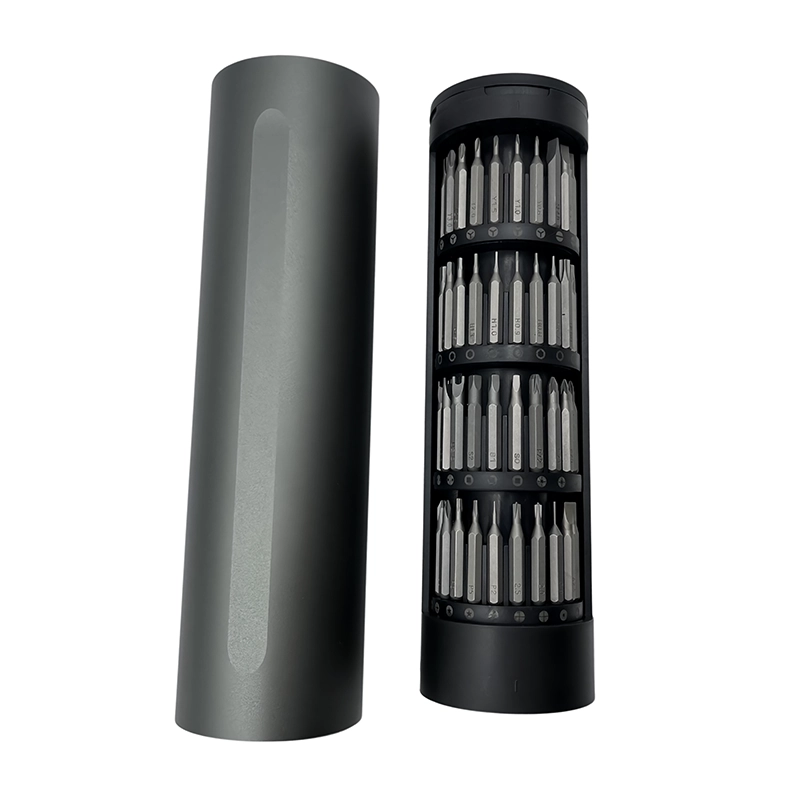
67-in-1 Electric Precision Screwdriver Set
Rechargeable precision system for smartphones, laptops, cameras and small electronics.
View product ↗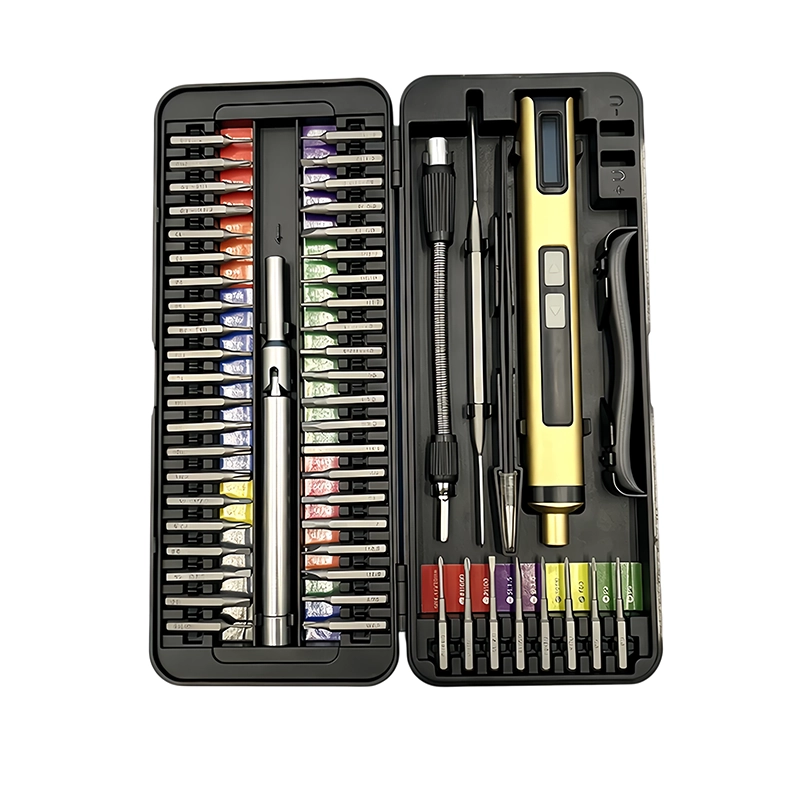
58-in-1 Electric Precision Screwdriver Set
Rechargeable precision system for smartphones, laptops, cameras and small electronics.
View product ↗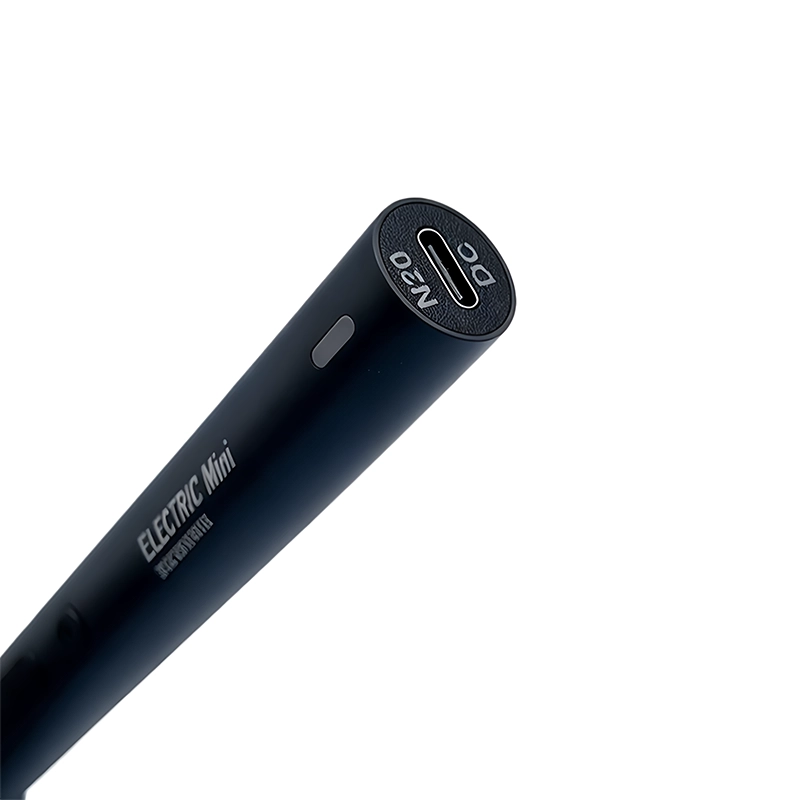
44-in-1 Electric Precision Screwdriver Set
Rechargeable precision system for smartphones, laptops, cameras and small electronics.
View product ↗