
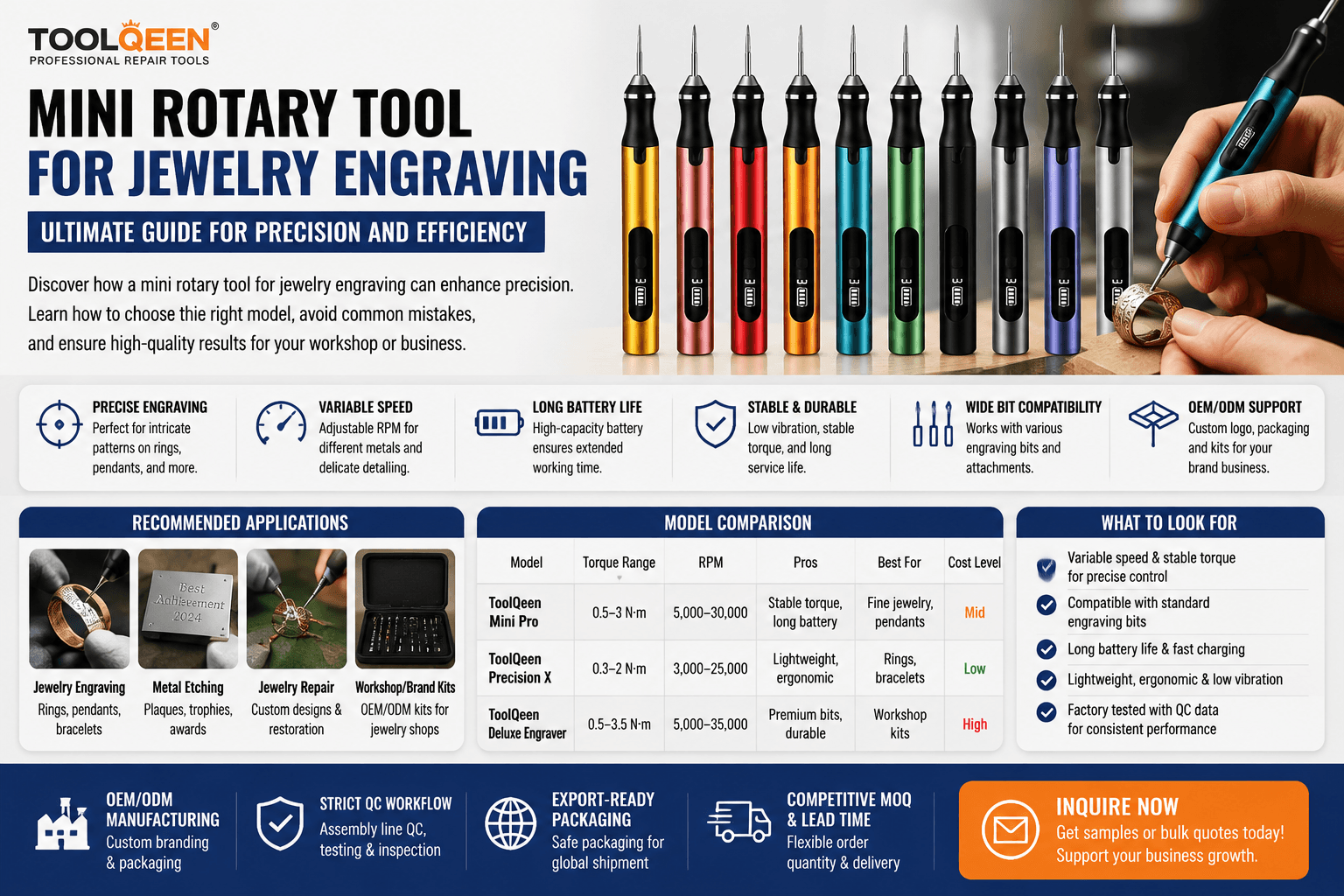
A mini rotary tool for jewelry engraving is essential for precision, speed, and consistency in detailed metalwork. These compact tools allow jewelers to carve, etch, and polish with fine control. Whether working on rings, pendants, or intricate designs, choosing the right tool can reduce errors and enhance output quality.
Quick Answer: The best mini rotary tools combine stable torque, adjustable RPM, long battery life, and a robust selection of engraving bits to handle diverse metals and materials. Learn more about our precision repair tool kits for workshops.
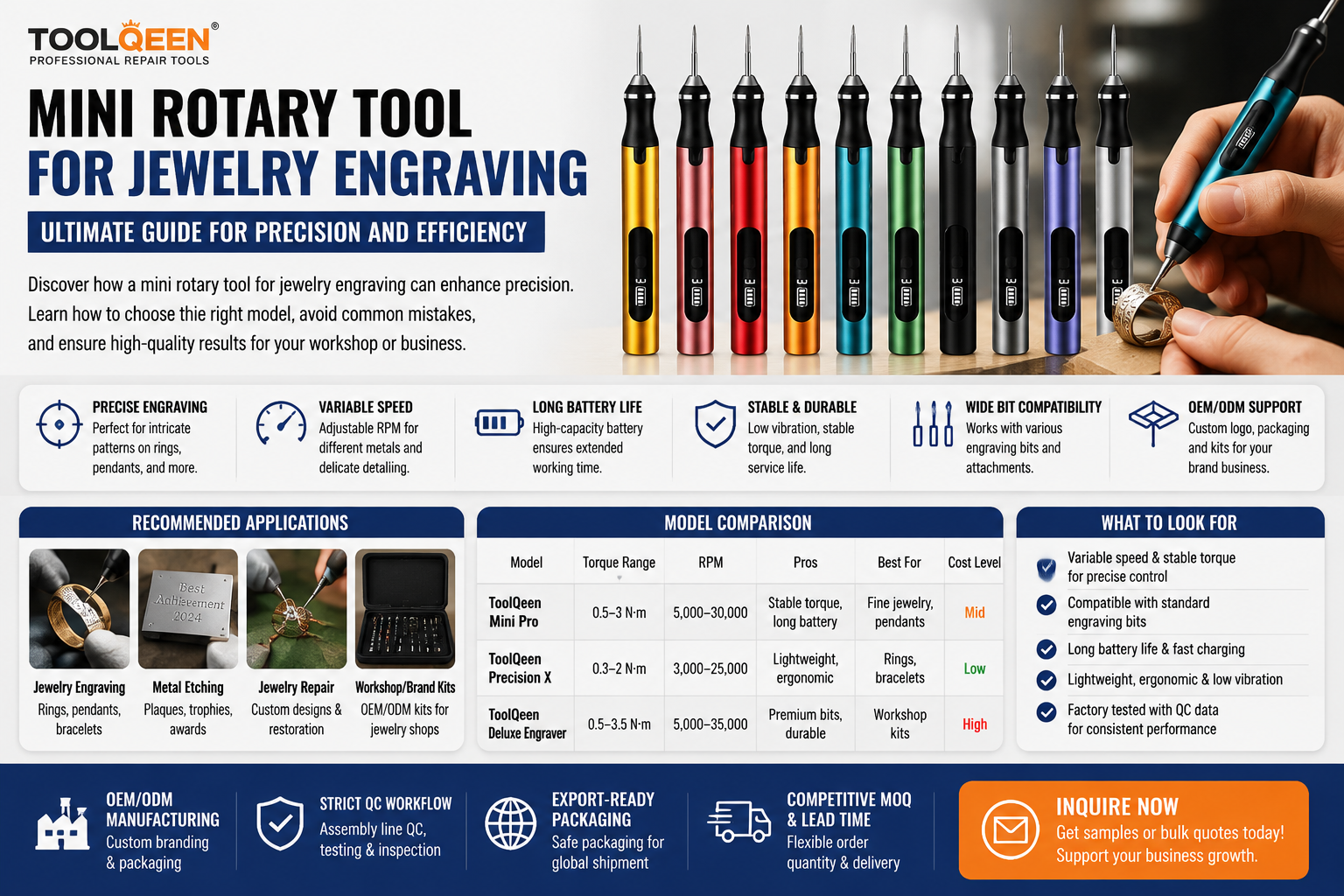
Why Professionals Need This Product
- Ensures precise engraving on small surfaces.
- Reduces technician fatigue due to lightweight design.
- Supports multiple materials: silver, gold, platinum, brass.
- Ideal for workshop or mobile repair setups.
- Check our electric screwdriver and rotary tool range for professional options.
Common Problems
- Bit Slipping: Low-quality bits cause engraving mistakes.
- Inconsistent Torque: Leads to uneven etching.
- Overheating: Prolonged use without cooling affects metal surface.
- Weak Magnetic Hold: Bits may wobble, reducing accuracy.
- Low Durability: Cheap tools wear quickly, increasing cost over time.
Tip: Always check factory QC data and assembly line QC workflow before purchasing.
How to Choose
- Torque Range & RPM Control: Ensure variable speed for delicate patterns.
- Bit Compatibility: Check for standard engraving bits and custom attachments.
- Battery & Lifespan: Look for rechargeable lithium batteries with long cycles.
- Build Quality: Hardened housing, anti-slip grip, minimal vibration.
- OEM/ODM Capability: Useful for workshops offering custom logo service or tool kits.
Best Features to Look For
- Stable torque and RPM calibration.
- Lightweight, ergonomic design.
- Drop-tested and long lifespan bits.
- Packaging inspection and export-ready kit.
- Verified factory testing data for consistency.
Best Applications of Mini Rotary Tool for Jewelry Engraving
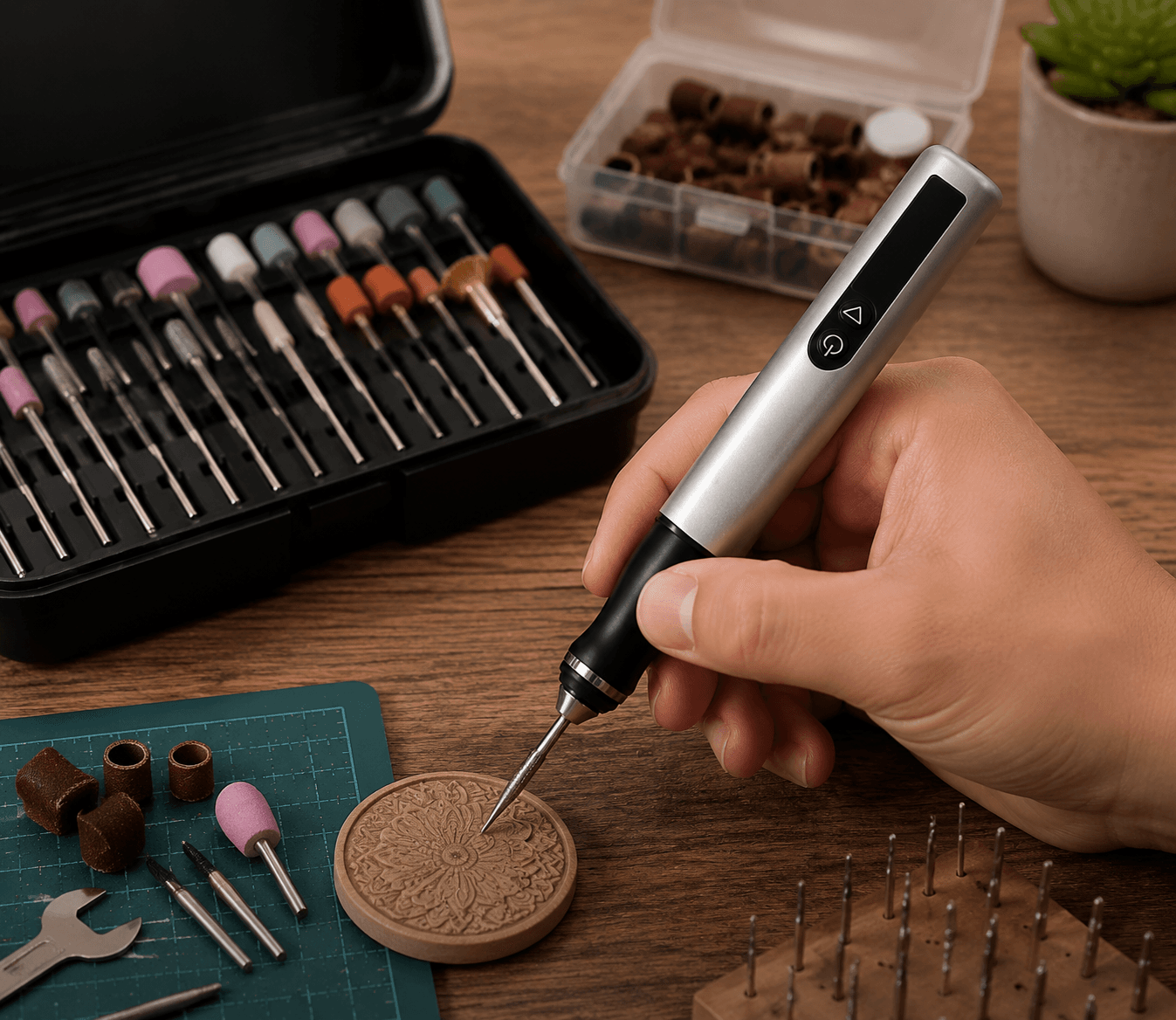
A mini rotary tool for jewelry engraving is widely used in professional jewelry workshops for fine detailing tasks such as ring engraving, pendant customization, and metal surface etching. Its stable torque and high RPM control make it suitable for both soft and hard metals.
Common applications include:
- Personalized ring engraving
- Jewelry repair and restoration
- Custom logo etching on metal products
- Precision detailing for luxury accessories
Comparison Table
| Model | Torque Range | RPM | Pros | Best For | Cost Level |
|---|---|---|---|---|---|
| ToolQeen Mini Pro | 0.5–3 N·m | 5,000–30,000 | Stable torque, long battery | Fine jewelry, pendants | Mid |
| ToolQeen Precision X | 0.3–2 N·m | 3,000–25,000 | Lightweight, ergonomic | Rings, bracelets | Low |
| ToolQeen Deluxe Engraver | 0.5–3.5 N·m | 5,000–35,000 | Premium bits, durable | Workshop kits | High |
Explore detailed product specs and model comparisons on our website.
OEM/ODM Buying Tips
- Request sample units to test torque and engraving precision.
- Verify factory qualification comparison: QC workflow, assembly line standards.
- Confirm export packaging customization for bulk orders.
- Ask for production lead time, MOQ, and sample availability.
Recommended Applications
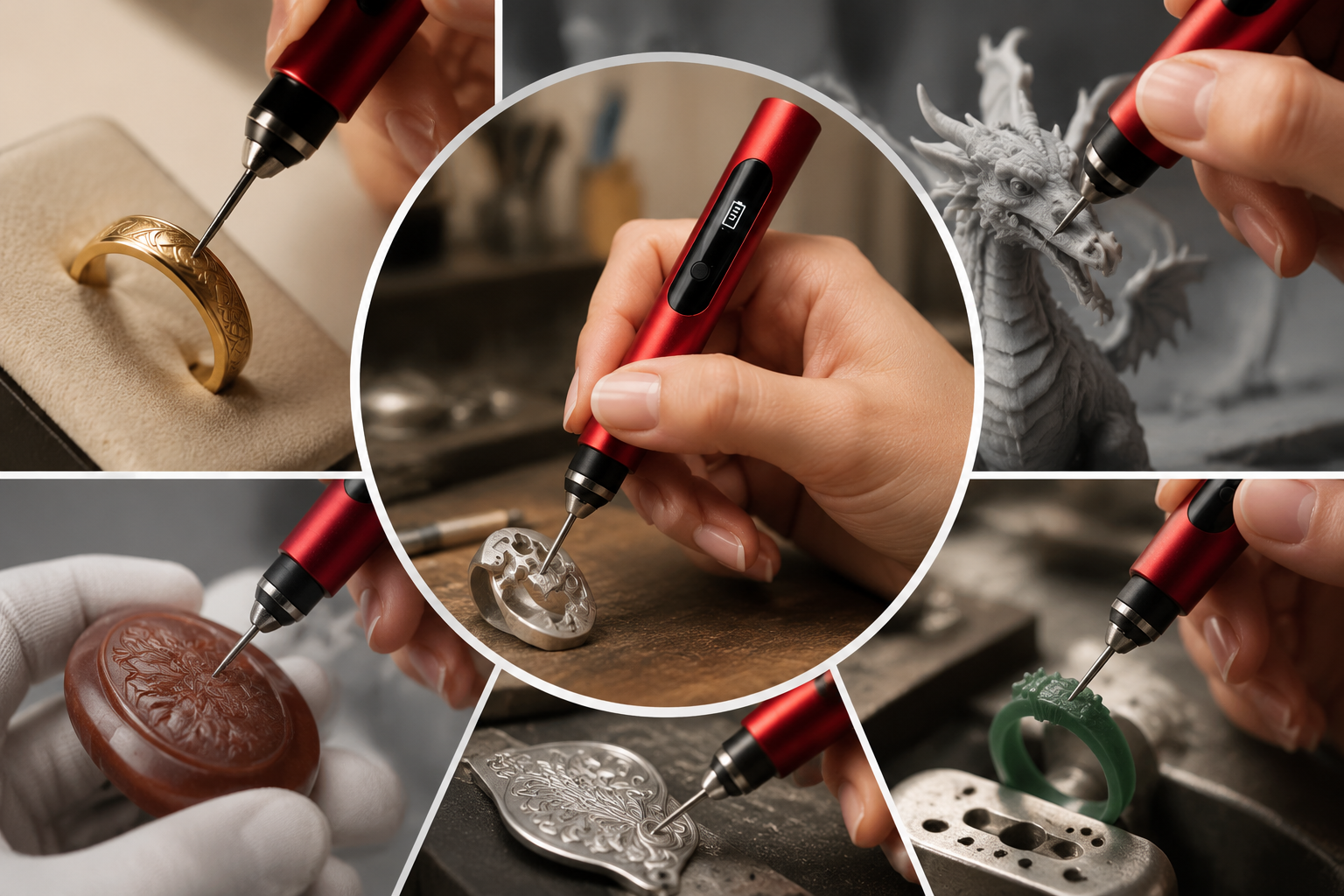
- Engraving rings, necklaces, pendants, and bracelets.
- Metal etching on trophies, plaques, or awards.
- Small-scale workshop use for jewelry repair and custom designs.
- OEM/ODM branding tool kits for jewelry shops.
FAQ
Q1: What is the ideal RPM for jewelry engraving?
A1: Most professional mini rotary tools offer 5,000–30,000 RPM. Lower RPM for delicate metals avoids scratches, while higher RPM helps polish and carve harder surfaces. Learn more on our product page.
Q2: Can I use the same tool for silver and gold?
A2: Yes, ensure torque stability and compatible engraving bits. Adjustable speed models are ideal for switching between softer and harder metals.
Q3: How do I prevent bit slipping?
A3: Use hardened bits, check magnetic hold, and perform torque calibration before engraving. Regular QC ensures consistent performance.
Q4: Are mini rotary tools battery or cord-powered better?
A4: Battery tools offer mobility; corded tools provide longer continuous operation. Choose based on workshop needs and engraving duration.
Q5: How often should I replace bits?
A5: Replace bits after 50–100 hours of heavy use or if engraving becomes uneven. Drop-tested bits last longer and reduce errors.
Q6: Can I customize these tools with my brand?
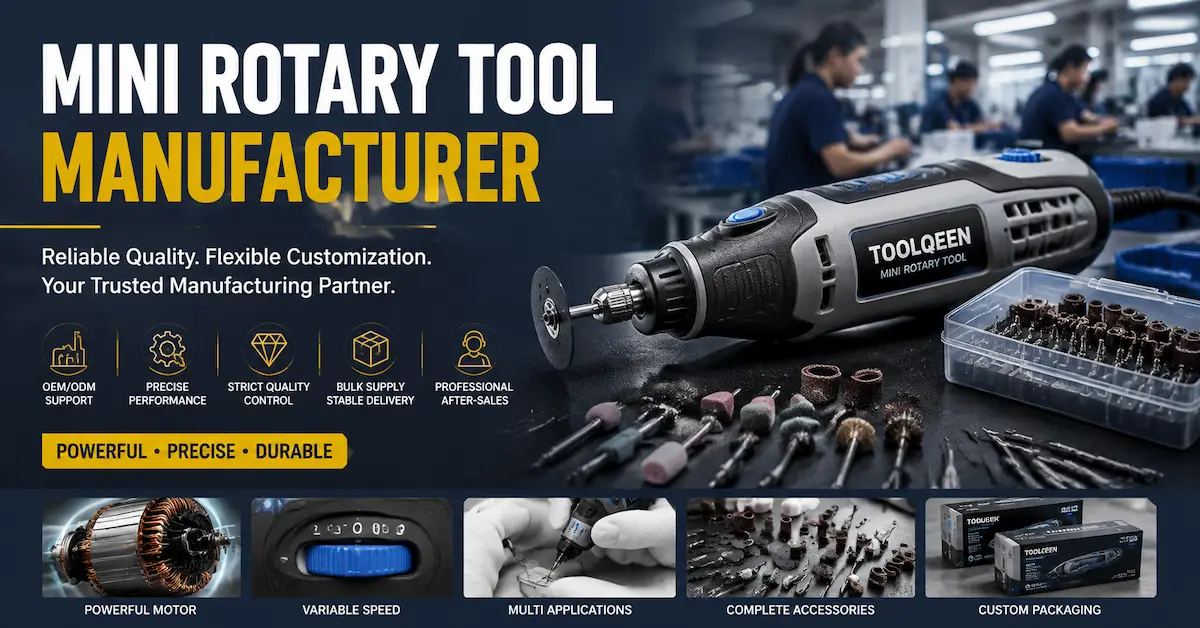
A6: Yes, ToolQeen provides OEM/ODM options including custom logos, packaging, and bulk order support.
Conclusion
Choosing the right mini rotary tool for jewelry engraving ensures precision, reliability, and workflow efficiency. ToolQeen offers OEM/ODM repair tool manufacturing, high-quality QC workflow, and export-ready kits. Request samples or bulk orders today to upgrade your engraving workshop.