

Electric Rotary Tool for Electronics Repair Shops: A Practical Buying Guide
Quick Answer
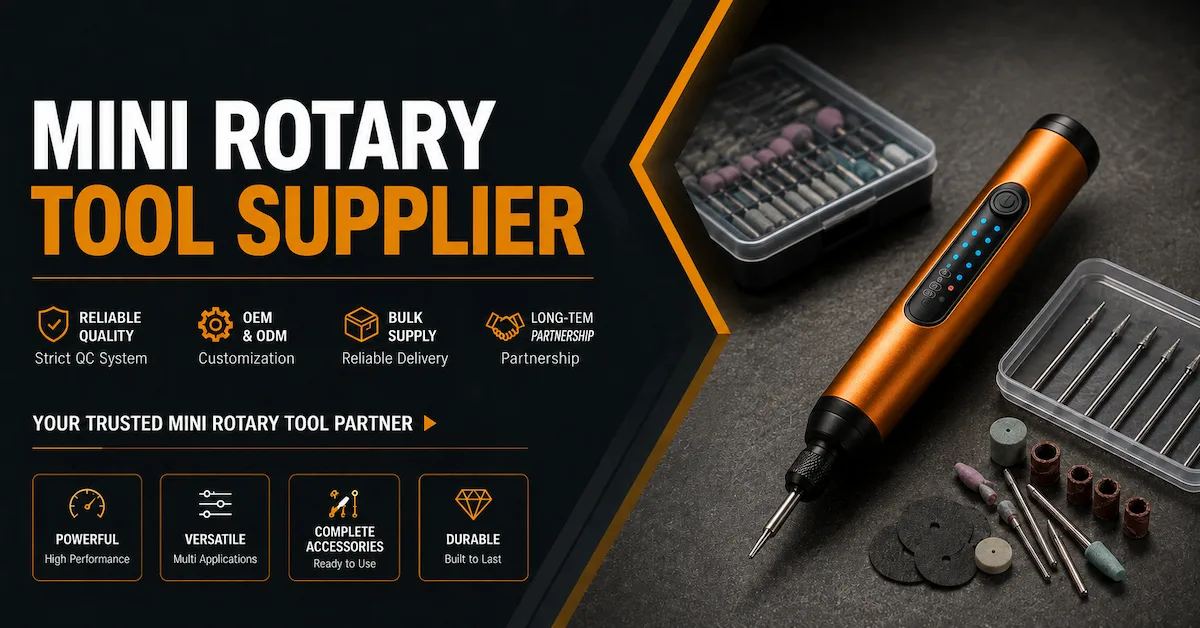
Electronics repair shops should choose an electric rotary tool supplier by checking speed stability, accessory fit, vibration control, packaging accuracy, and replenishment lead time. For private-label and wholesale buyers, the right supplier reduces return risk, keeps review scores stable, and makes repeat orders easier to manage.
If you are sourcing for a repair-tool store, e-commerce kit, or distributor program, review ToolQeen products, compare the electric rotary tool pen range, and use the contact page to send your target market, quantity, and packaging brief.
Why Repair Shops Need a Different Supplier Checklist
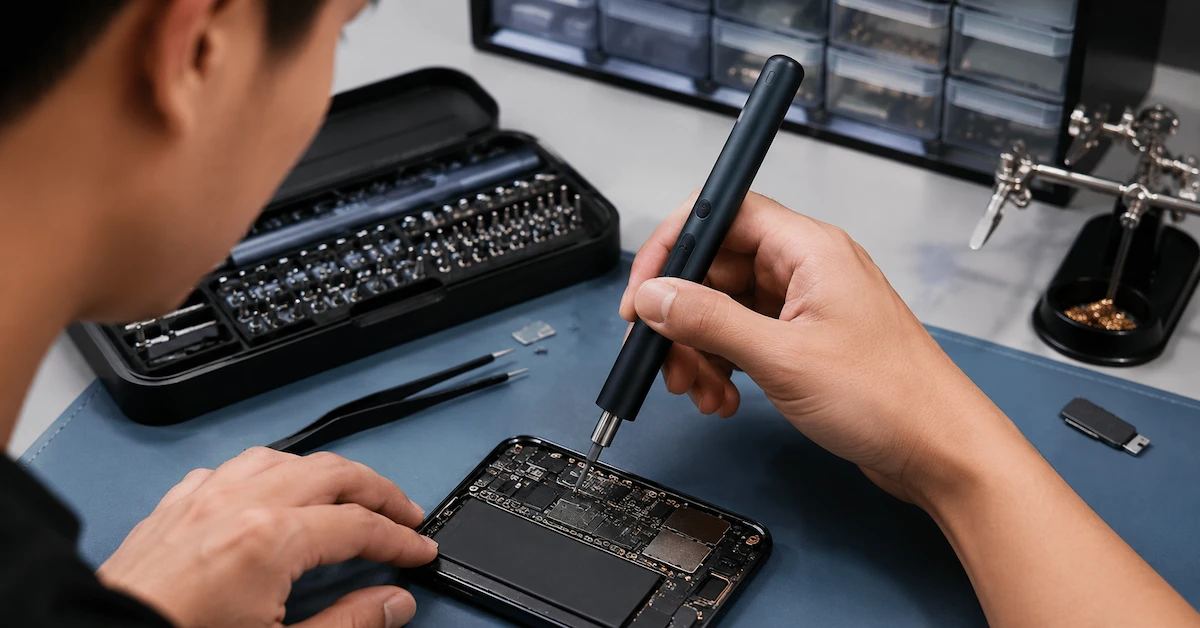
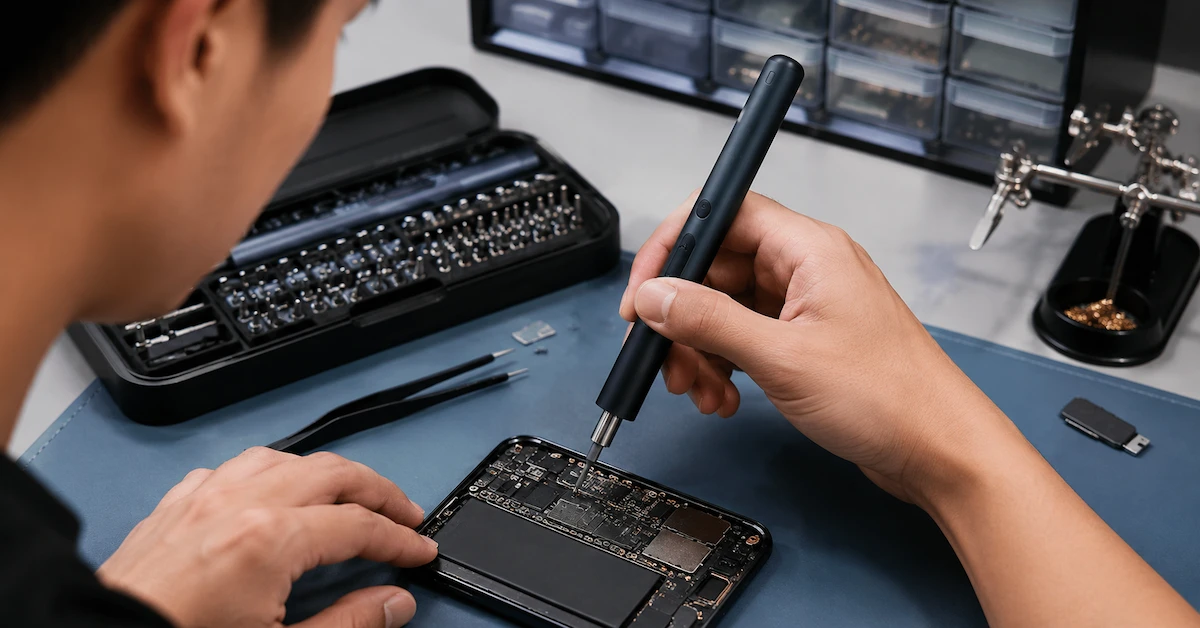
Repair shops do not buy rotary tools only for spec-sheet comparison. They buy for bench control, accessory compatibility, technician comfort, and faster turnaround on delicate work. A supplier that looks acceptable in a catalog can still create problems later if the tool vibrates too much, accessories loosen during use, or replacement stock arrives with inconsistent packaging and labeling.
That is why US-focused repair buyers should evaluate an electric rotary tool supplier on operating consistency and service reliability, not only price. For stores and private-label sellers, one unstable batch can create refunds, negative reviews, and slower repeat orders across the whole SKU.
Key Checks Before a Bulk Order
| Buyer Check | Why It Matters | What To Request |
|---|---|---|
| Speed stability | Keeps polishing, trimming, and grinding predictable. | Video proof or QC notes under working load. |
| Accessory fit | Reduces wobble and poor finish quality. | Collet tolerance check and accessory match list. |
| Packaging control | Protects marketplace conversion and shelf trust. | Approved box artwork, barcode, insert, and carton label. |
| Replenishment lead time | Prevents stock gaps for repair shops and distributors. | Sample timing, repeat-order lead time, and MOQ details. |
What Good Factory Control Looks Like
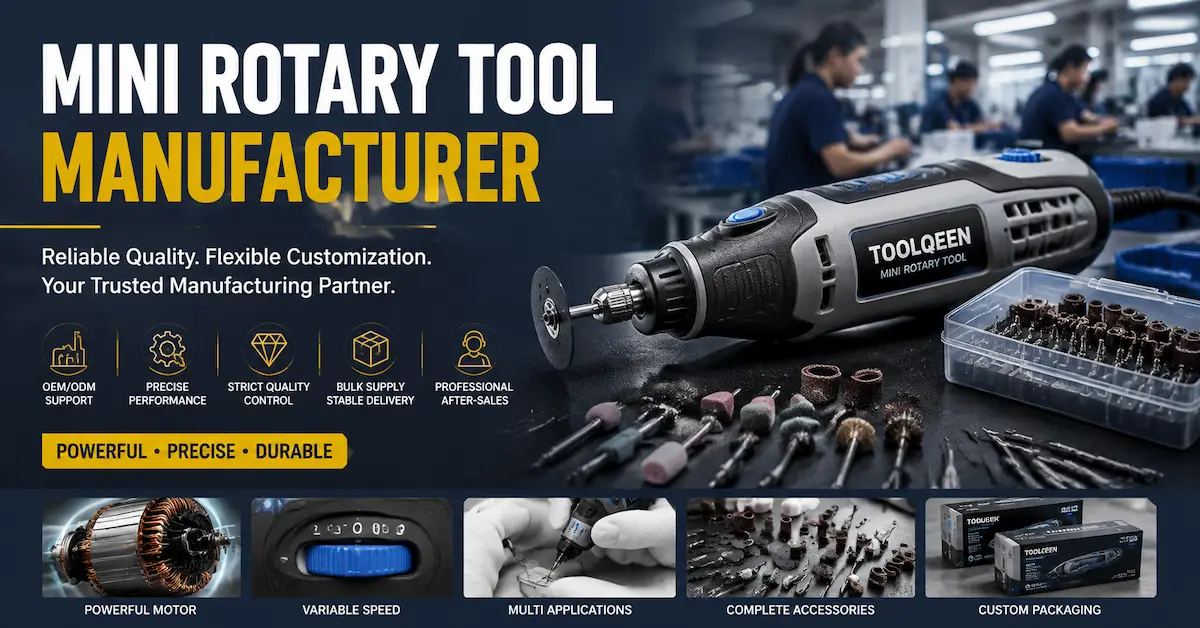
A reliable supplier should explain how it checks motor behavior, vibration, accessory count, charging status, logo placement, and final packaging before shipment. Standards-based process discipline matters in B2B sourcing; frameworks such as ISO 9001 quality management are useful reference points because buyers need repeatable output, not one-off samples.
For repair channels, the practical question is simple: can the factory keep the same user feel and same box presentation when you reorder? If the answer is vague, the sourcing risk is still high.
Private-Label and E-Commerce Risks to Watch
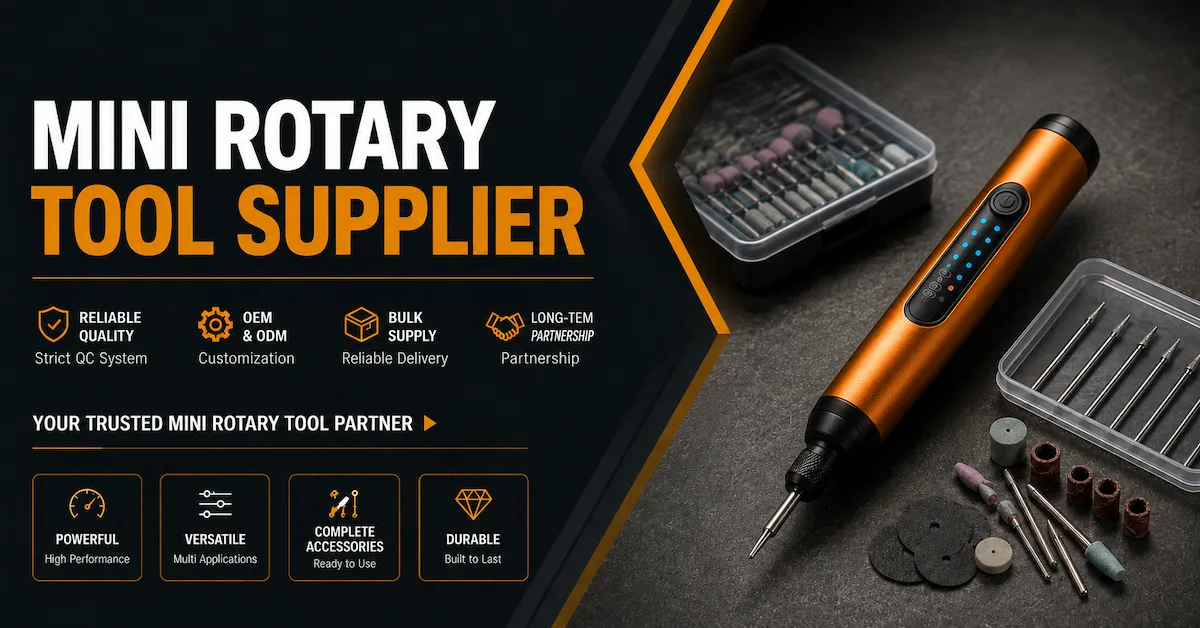
For e-commerce and private-label projects, the product is only part of the offer. Buyers should also check whether the supplier can support clean retail packaging, instruction inserts, accessory consistency, and repeatable carton markings. These details affect conversion, unboxing quality, and customer support costs.
ToolQeen's factory profile and manufacturing background are outlined on the About Us page. Buyers comparing rotary suppliers should also review the related quality-control guide: Factory QC for Electric Rotary Tools: What Buyers Should Request.
Practical Questions to Send a Supplier
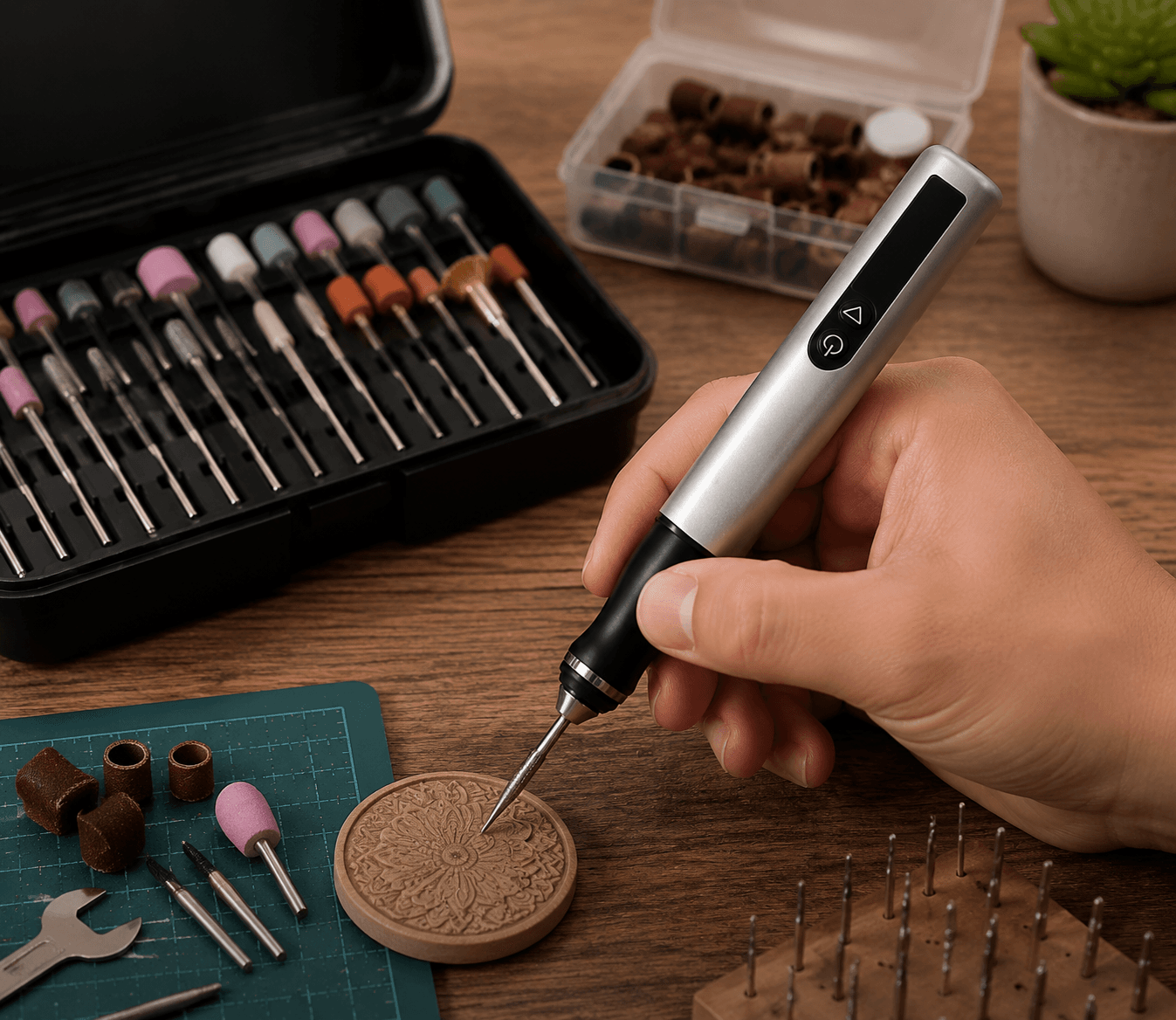
- What accessory set is best for electronics repair, trimming, polishing, and detailing?
- What sample lead time and repeat-order lead time can you commit to?
- Can you keep the same logo, box layout, and insert across reorders?
- What checks are completed before shipment for speed, vibration, and packaging?
- What MOQ applies for standard stock, OEM packaging, and private-label artwork?
FAQ
What should repair shops compare first? Start with speed stability, accessory fit, and vibration control because those directly affect day-to-day use and customer complaints.
Is OEM packaging available for rotary tools? Yes. Buyers can usually request logo placement, box artwork, inserts, labels, and carton marks once the quantity and packaging scope are confirmed.
Why does repeat-batch consistency matter so much? Repair shops and e-commerce sellers depend on predictable tool feel and packaging quality. A weak repeat batch creates returns, review damage, and support costs.
Which internal pages should buyers check next? Review the product catalog, the rotary tool product page, and the contact page before requesting a quote.
CTA
If you need an electric rotary tool supplier for repair shops, distribution, or private-label sales, send ToolQeen your target market, quantity range, accessory requirements, and packaging brief. The team can help you compare standard models, OEM packaging options, and repeat-order planning before production starts.