
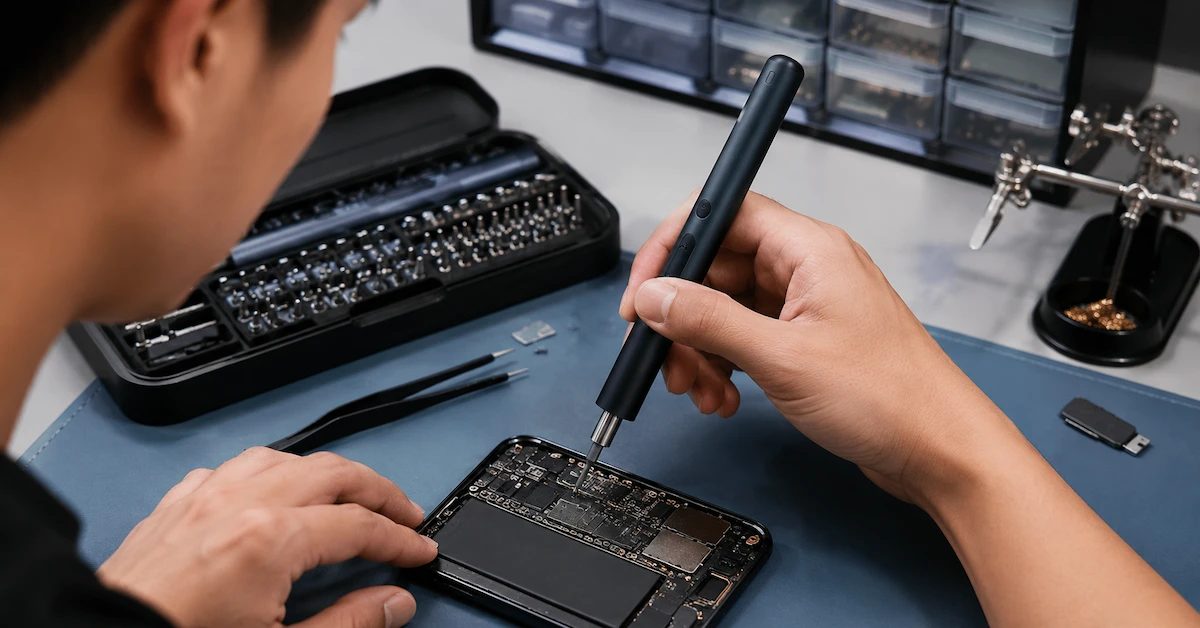
Electric Rotary Tool Quality Control: How US Sellers Cut Returns Before Bulk Reorders
US Amazon sellers, independent-store owners, repair tool distributors, and private-label brands do not lose margin only when a product fails completely. They lose it when a compact rotary tool vibrates too much, accessories fit poorly, the package looks weaker than the listing, or repair shops leave reviews about inconsistent performance. That is why electric rotary tool quality control should be planned before sample approval, not after cartons are already packed.
Quick Answer
Electric rotary tool quality control means checking speed stability, vibration, collet grip, accessory matching, motor heat, charging behavior, packaging accuracy, and final random samples before bulk shipment. For US e-commerce sellers and repair tool suppliers, these checks help reduce returns, protect reviews, support private label packaging, and make bulk replenishment easier to repeat.
Definition: What Electric Rotary Tool Quality Control Covers
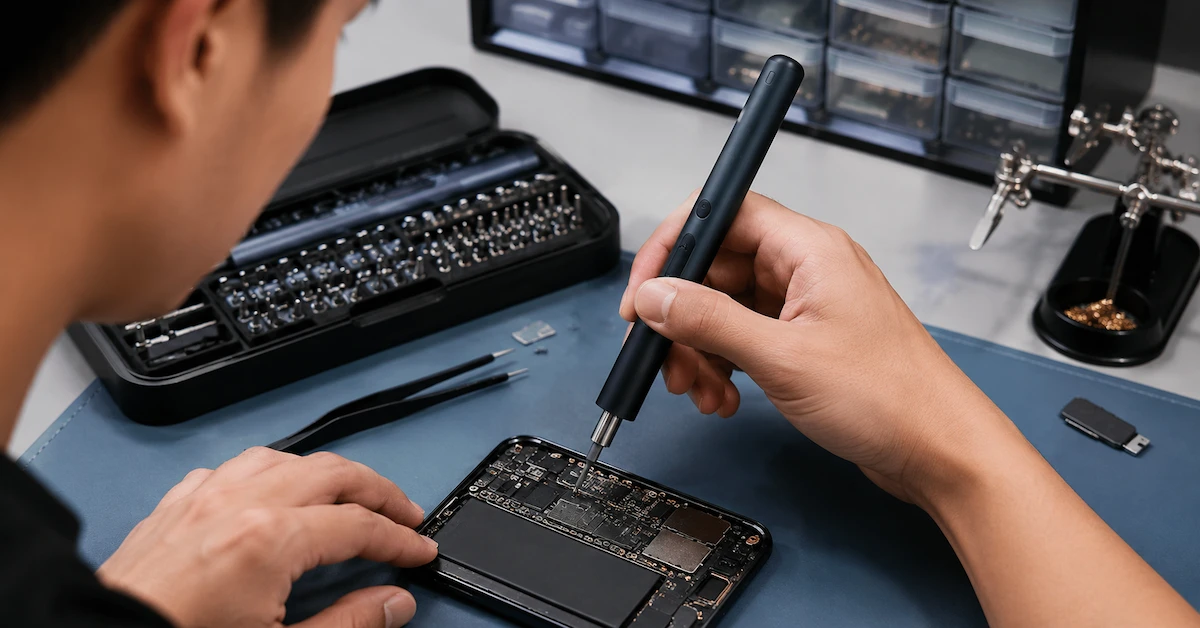
Electric rotary tool quality control is the factory inspection system used to confirm that a mini rotary tool, rotary grinder pen, or compact finishing kit matches the approved sample before shipment. It covers mechanical behavior, electrical function, accessory fit, cosmetic appearance, packaging, labels, barcodes, manuals, and batch consistency.
For US sellers, the definition should also include channel-specific checks. A tool that passes a simple power-on test may still create returns if the accessory tray is confusing, the product image overpromises the kit contents, the charging cable is missing, or the retail box arrives with different artwork from the approved proof. QC must protect both product function and the selling experience.
Technical Explanation: Why Small Rotary Tools Fail in Reviews
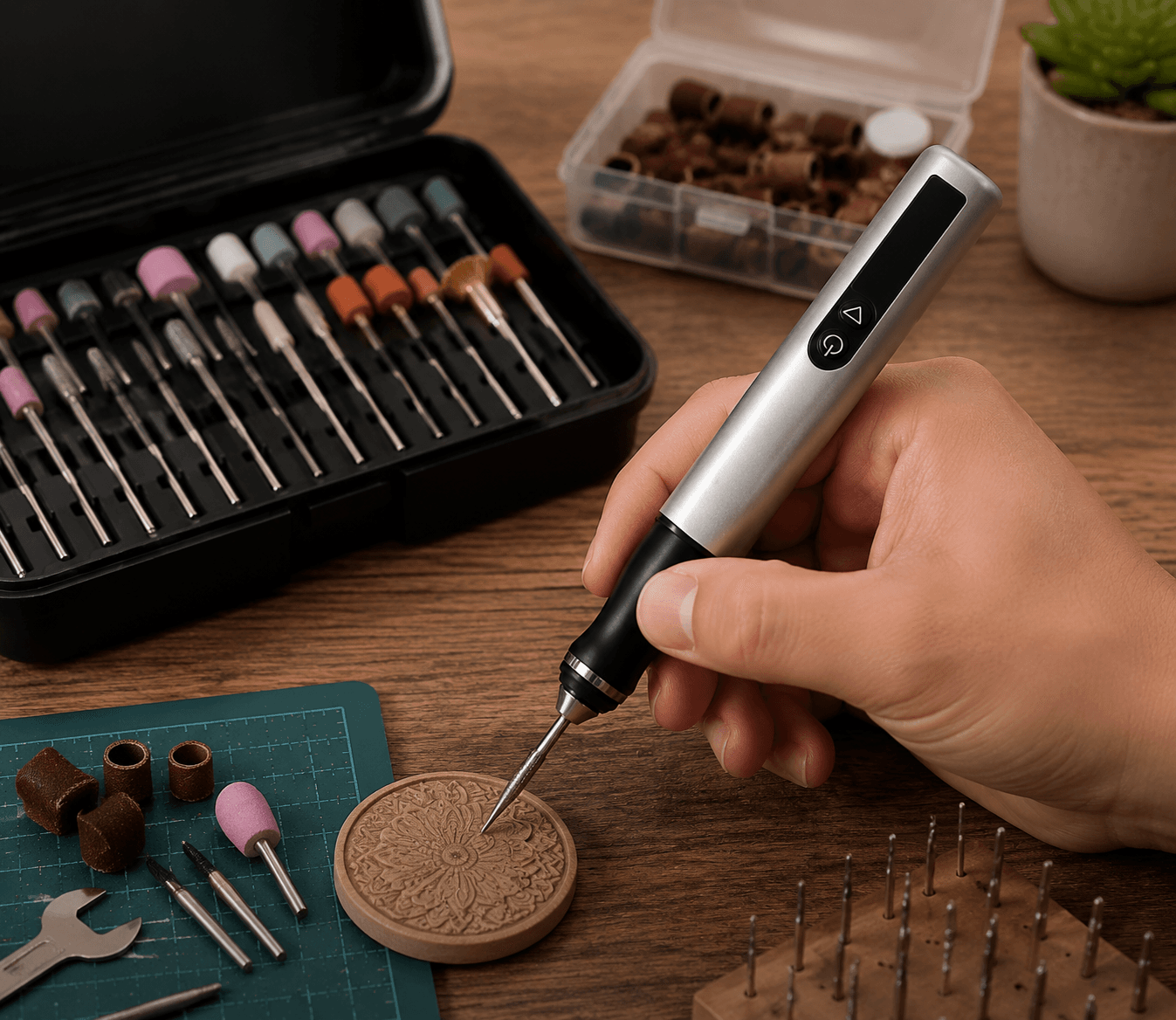
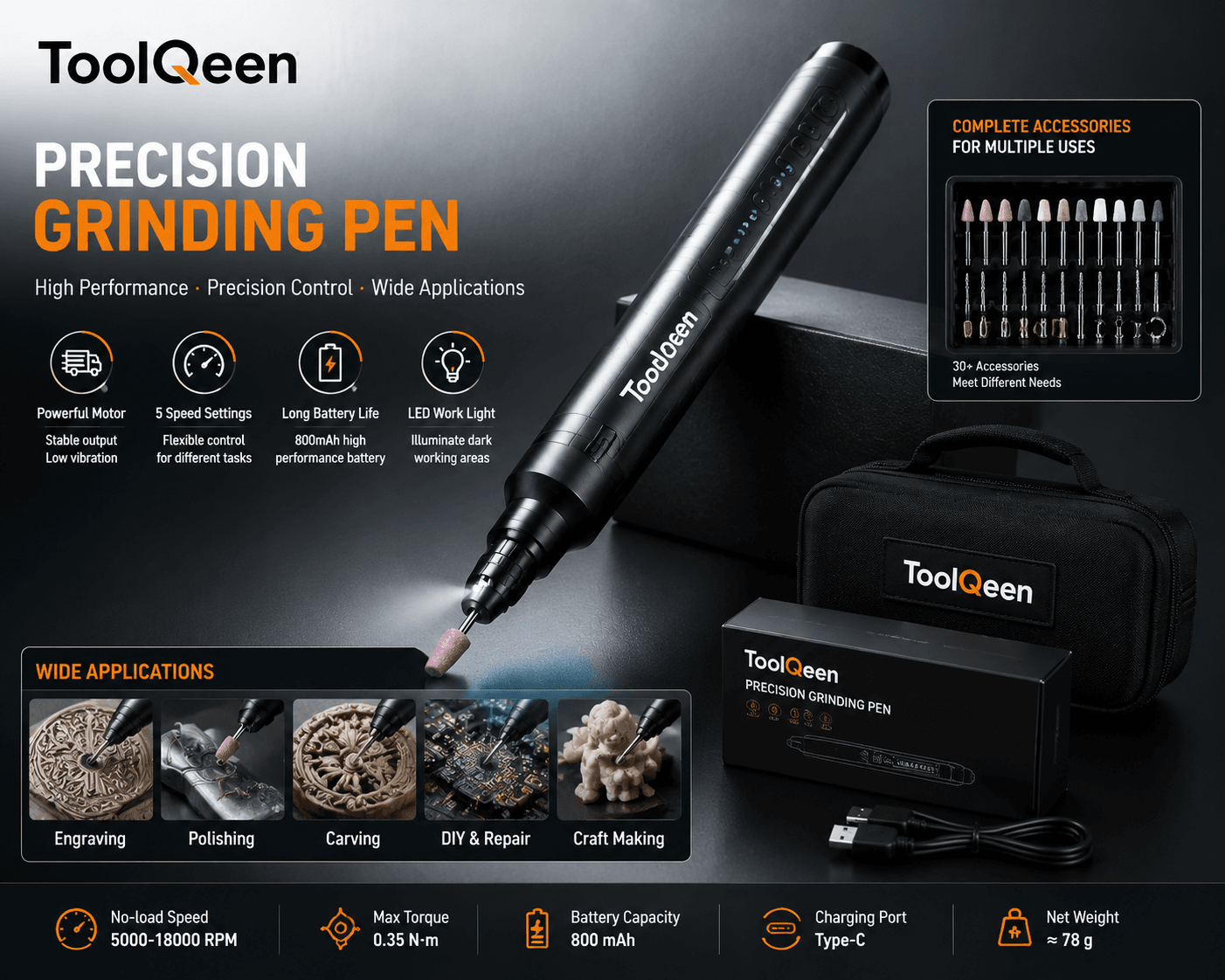
A compact electric rotary tool works through a motor, shaft, collet or accessory holder, speed-control circuit, rechargeable power system, housing, and accessory set. A defect in any one of these parts can create a business problem. Excess vibration reduces control during polishing or engraving. Poor collet grip can let accessories wobble. Weak accessory matching makes the kit look better in photos than it performs in a repair shop.
Speed Stability Under Light Load
Buyers should ask how the factory checks rotation stability with common accessories. Stable no-load speed is useful, but real users care about control when touching plastic, small metal parts, model materials, phone housings, jewelry components, or DIY craft pieces. A practical QC record should include functional testing with the accessory types expected in the final kit.
Vibration, Runout, and Collet Grip
Small repair work needs hand control. If the shaft is poorly aligned or the accessory grip is inconsistent, the tool may feel cheap even if it powers on. ToolQeen checks assembly fit, accessory holding, and rotary behavior during production so private-label buyers can reduce complaints before bulk goods reach US warehouses.
Battery, Charging, and Heat Behavior
For rechargeable rotary tools, buyers should confirm charging port fit, charging indicator behavior, battery consistency, and heat during repeated use. A weak power system may not show up in one quick sample test, but it can become obvious after repair shops use the tool several times per day.
Factory Insight: Why QC Should Start Before the PO
The best time to prevent returns is before the purchase order is locked. ToolQeen asks buyers to confirm the target market, retail channel, kit layout, accessory list, logo position, packaging style, quantity, and lead time expectation before mass production. This prevents the common gap between a good sample and a disappointing first bulk order.
US sellers often need more than a working product. They need a package that supports online conversion, a kit structure that matches the listing, clear accessory naming, stable repeat supply, and inspection records they can use internally. A supplier that understands Amazon and independent-store pressure can help buyers avoid avoidable review damage.
Real Manufacturing Data Buyers Can Use
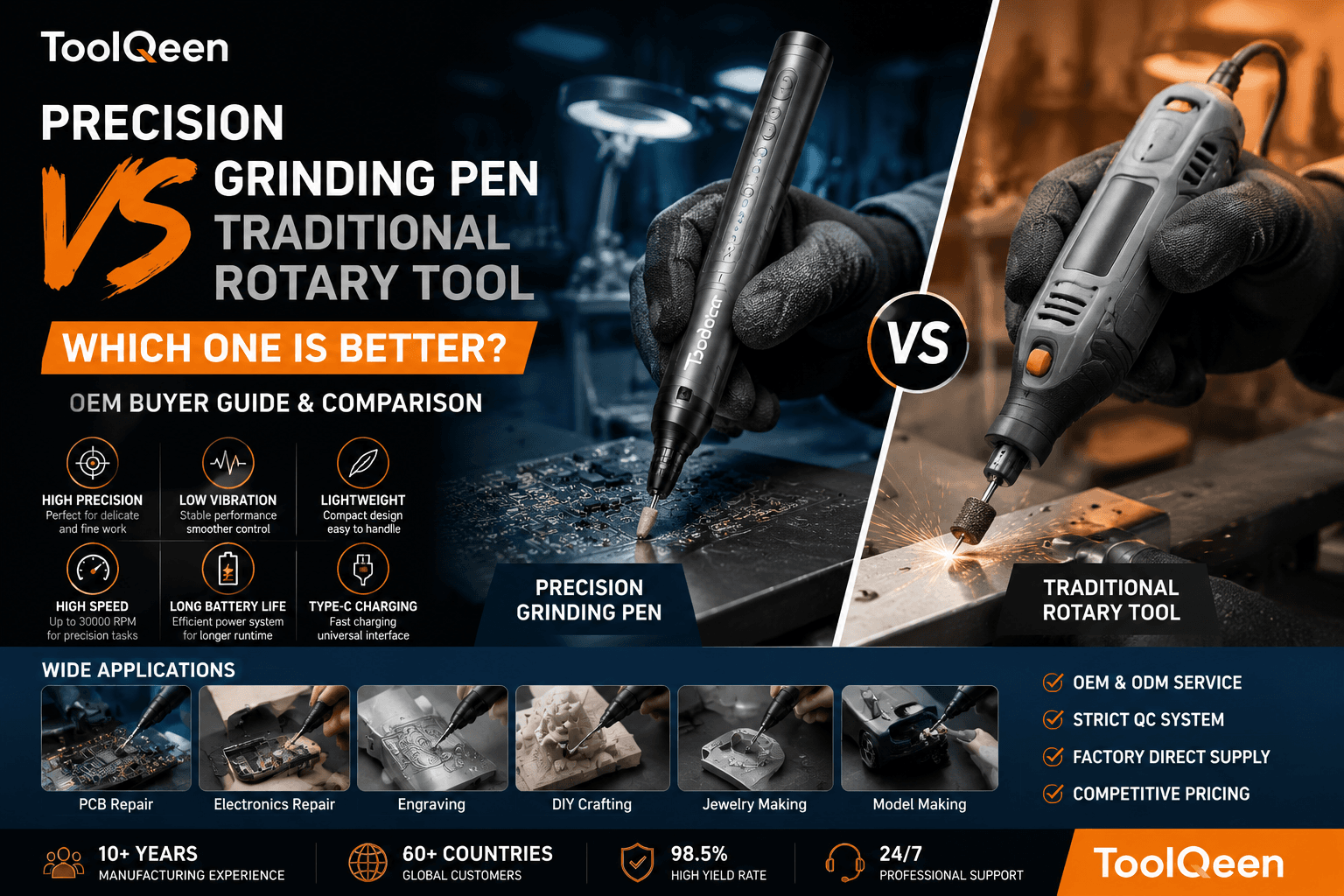
ToolQeen is Shenzhen ToolQeen Technology Co., Ltd., a Shenzhen-based precision tool manufacturer founded in 2016. The factory supports OEM, ODM, private label, wholesale, and factory-direct supply for buyers in 30+ countries. Relevant production capabilities include in-house design communication, mold development, injection molding, CNC machining, metal stamping, assembly, testing, packaging, and shipment coordination.
For sourcing planning, buyers can use these baseline numbers: OEM MOQ starts from 500 pcs, ODM MOQ starts from 1,000 pcs, standard samples usually take 3-5 days, normal production takes about 10-15 days, and custom orders usually need 15-25 days depending on configuration and packaging. For electric screwdriver lines, ToolQeen's daily output can reach 3,000-5,000 units and monthly capacity can reach 80,000-120,000 units; rotary tool projects follow the same process logic of sample confirmation, assembly checks, final inspection, packaging control, and shipment planning.
Quality Control Process for Electric Rotary Tool Orders
1. IQC for Key Components
Incoming quality control should inspect motors, PCBs, batteries, charging ports, plastic housing parts, metal parts, collets, accessories, cables, and packaging materials. Buyers should ask whether the factory checks the parts that directly affect performance, not only the finished appearance.
2. IPQC During Assembly
In-process quality control monitors assembly accuracy, shaft fit, accessory holding, speed behavior, and process parameters. This step catches issues before they become full-batch defects. For private-label orders, logo position and color direction should also be checked during this stage.
3. FQC Before Packing
Final quality control should verify function, speed response, vibration feel, appearance, charging, noise, accessory count, and kit layout. This is where the factory confirms that the product a buyer approved is the product being packed.
4. Reliability and Aging Checks
Reliability checks may include continuous run observation, charging behavior, drop checks, high/low temperature consideration, and life-cycle related sampling. For technical quality systems, metrology guidance from NIST calibration services is a useful reminder that repeatable measurement and calibration discipline matter when buyers compare supplier claims.
5. Pre-Shipment Packaging Inspection
Pre-shipment inspection should cover retail box quality, printed labels, barcodes, carton marks, manuals, accessory count, and final random samples. This step matters for US e-commerce because packaging mistakes can create returns even when the tool itself works.
How US Sellers Should Turn QC Into Better Conversion
US buyers should treat QC as a listing asset. A clear kit layout, consistent photos, correct accessory count, stable packaging, and predictable replenishment help reduce negative reviews and support repeat orders. If the product is sold through Amazon or an independent store, packaging and accessory accuracy are part of the customer promise.
Before reordering, sellers should compare sample feedback, return reasons, customer questions, and repair shop comments. If reviews mention vibration, weak accessories, missing parts, short battery life, or confusing packaging, the next production run should update the QC checklist before the buyer simply negotiates a lower price.
Buyer Checklist Before Bulk Reorders
Before a US seller places a repeat order, the supplier should confirm the approved sample, accessory list, packaging file, barcode, logo placement, manual, carton label, MOQ, lead time, and final inspection method. Buyers should also confirm whether the same motor, battery, housing color, accessories, and retail box structure will be used in the next batch.
For broader product comparison, buyers can review the ToolQeen precision tool product range. To understand the factory background, OEM process, and company capability, visit About ToolQeen.
FAQ
What should US sellers check before ordering electric rotary tools?
Check speed stability, vibration, collet grip, accessory matching, charging behavior, motor heat, packaging accuracy, MOQ, lead time, and final random inspection. These points affect returns, reviews, and repeat orders.
Can ToolQeen support private label electric rotary tool packaging?
Yes. ToolQeen can discuss logo, color direction, retail box, accessory layout, manuals, labels, barcodes, and private label presentation for qualified OEM/ODM projects.
What MOQ should buyers expect?
ToolQeen's general OEM MOQ starts from 500 pcs and ODM MOQ starts from 1,000 pcs. Final MOQ depends on product configuration, packaging customization, and order requirements.
How long do samples and bulk production take?
Standard samples usually take 3-5 days. Normal production usually takes 10-15 days, while custom orders may need 15-25 days depending on packaging, tooling, and accessory configuration.
How does QC help reduce returns?
QC reduces returns by catching vibration, accessory mismatch, charging issues, cosmetic defects, missing parts, label errors, and packaging inconsistency before shipment. It also helps sellers keep the online listing aligned with the product customers receive.
Can repair shop distributors use the same QC checklist?
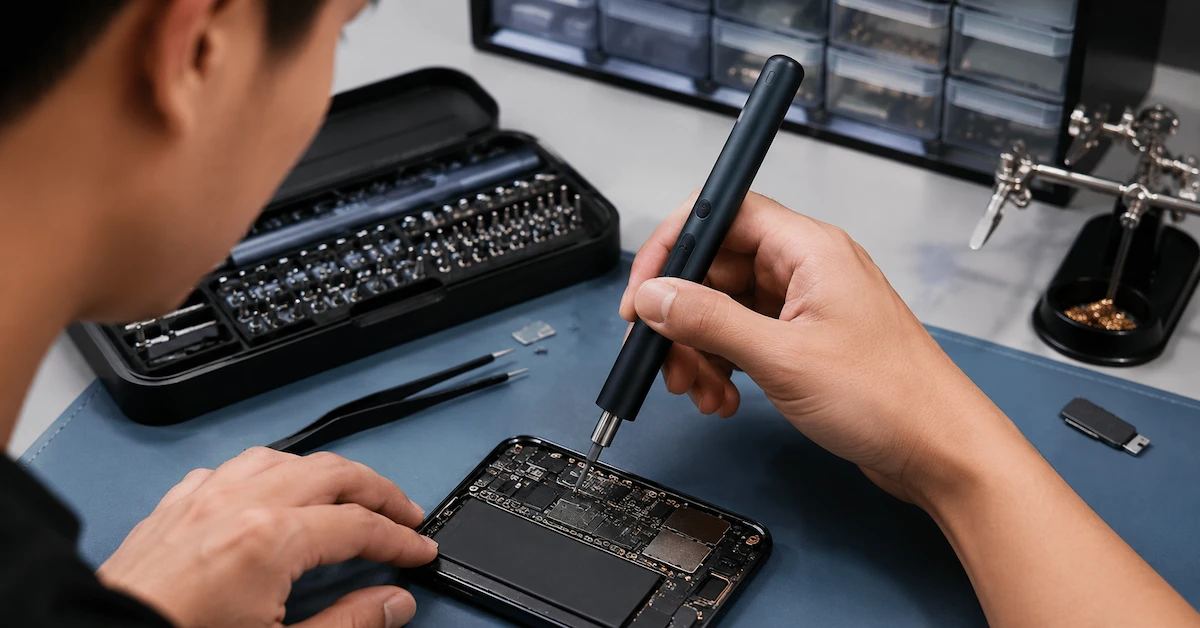
Yes. Repair shop distributors should add use-case checks for polishing, trimming, engraving, light grinding, small parts finishing, and repeated bench work so the kit matches real technician behavior.
Send a Practical OEM Inquiry
If you are building or reordering an electric rotary tool program for Amazon, an independent store, repair shop distribution, or a private-label tool brand, send ToolQeen your target market, expected quantity, preferred accessory list, packaging style, logo requirements, and lead time target. ToolQeen can help compare sample options, confirm MOQ, review packaging details, and build a QC process before bulk production.
Learn more about ToolQeen manufacturing: https://www.toolqeen.com/about-us. Browse precision tool products: https://www.toolqeen.com/products.