
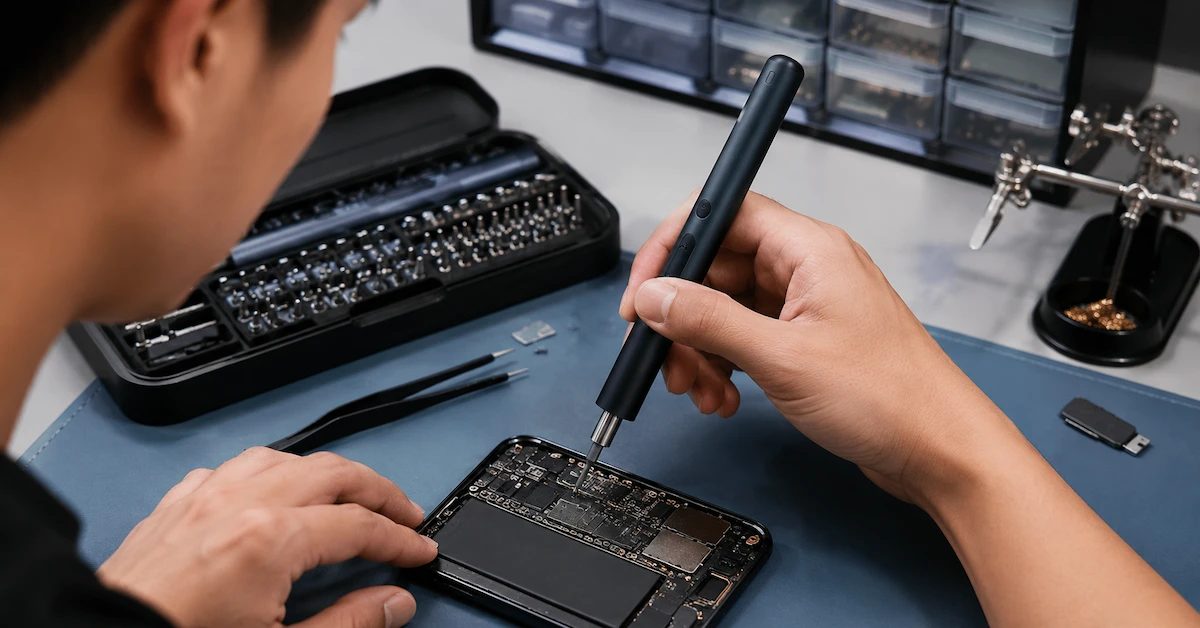
Electric Rotary Tool Quality Control: How EU Importers Cut Return Risk Before Bulk Orders
For European importers and distributors, the risk in a compact rotary tool program rarely appears in the product photo. It appears later, when one batch feels smooth, the next batch vibrates more, accessories do not grip evenly, packaging print changes, or after-sales claims start reducing margin. That is why electric rotary tool quality control should be reviewed before bulk orders, not only after goods are packed.
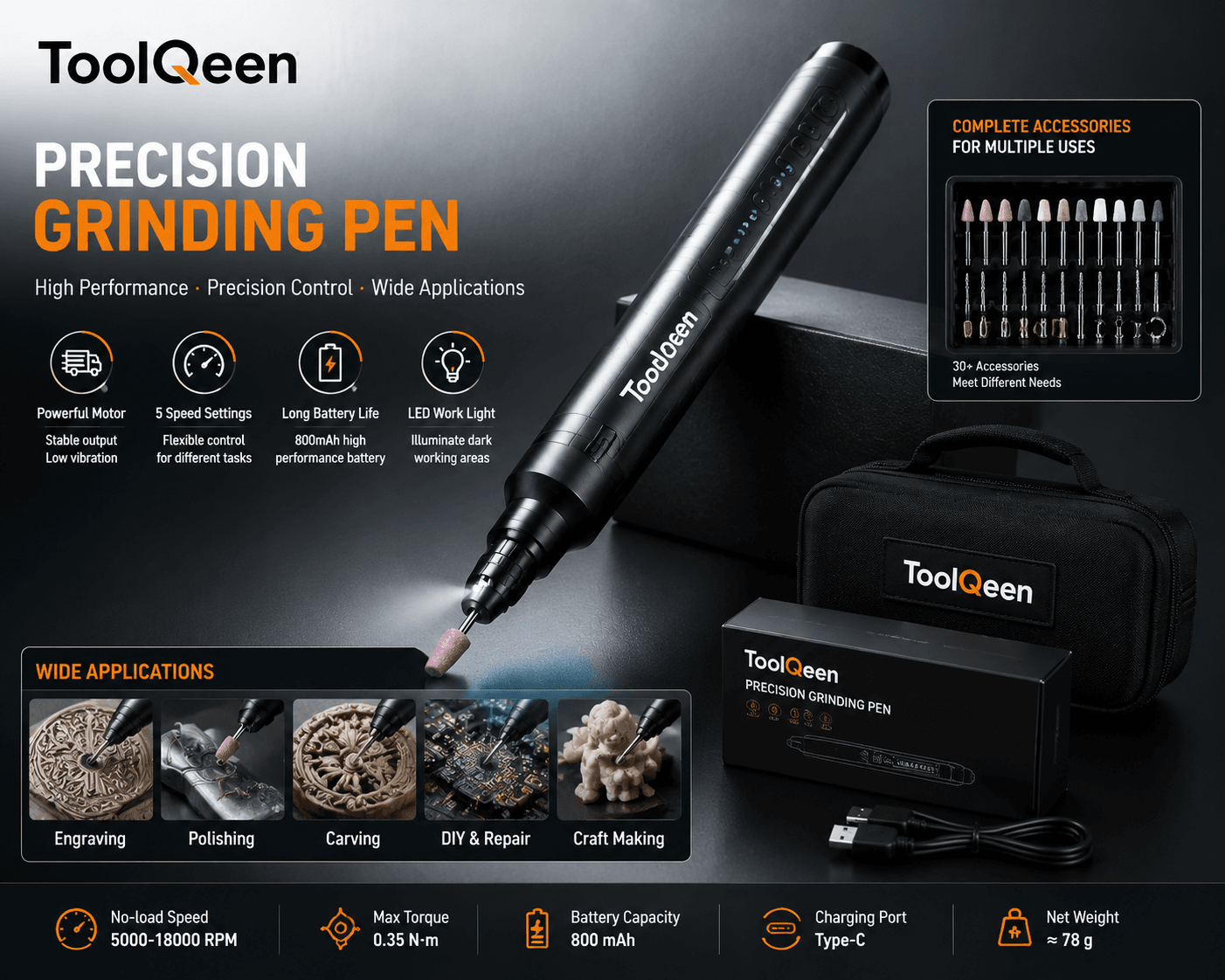
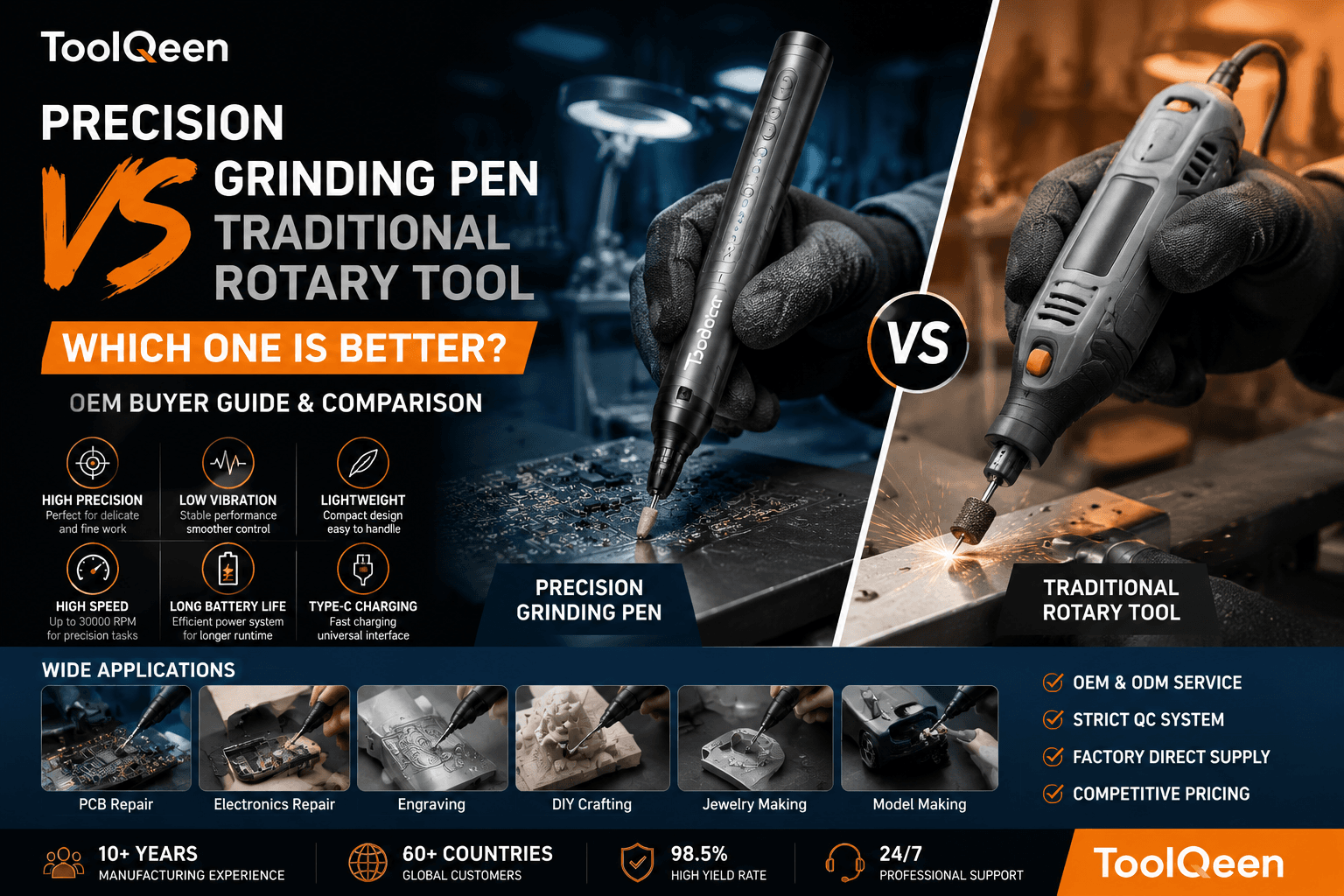
ToolQeen approaches electric rotary tool projects as repeatable B2B supply programs. The goal is to help importers, tool brands, and repair tool distributors confirm speed stability, accessory fit, packaging consistency, CE/RoHS document readiness, MOQ, lead time, and repeat-batch inspection before they commit to wider distribution.
Quick Answer
Electric rotary tool quality control means checking the tool, accessory set, packaging, and production process before mass shipment so EU buyers can reduce return risk. Importers should verify speed stability, vibration, collet grip, charging, motor heat, accessory count, packaging accuracy, CE/RoHS support, MOQ, and lead time before bulk orders. A supplier with clear QC stages and real manufacturing data is usually safer than a supplier that only compares price and kit quantity.
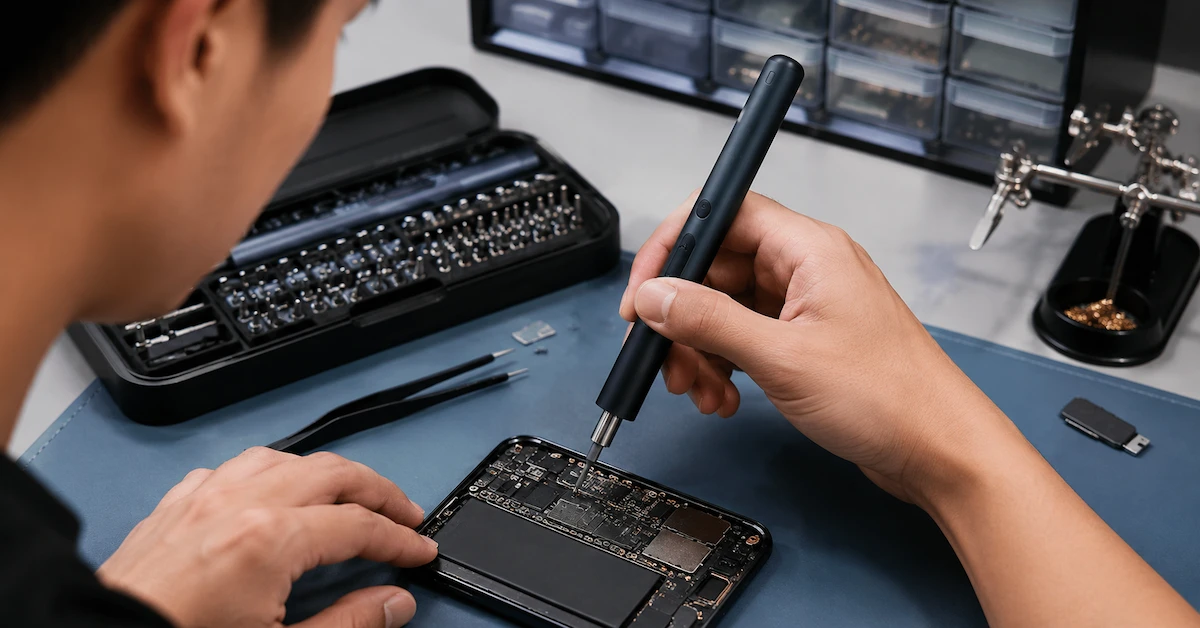
Definition: What Quality Control Means for an Electric Rotary Tool
Quality control for an electric rotary tool is the process of confirming that every batch matches the approved sample in function, appearance, accessory configuration, packaging, labels, and shipment readiness. For a pen-style rotary grinder or mini rotary tool kit, QC covers more than whether the motor turns on. It includes rotation feel, vibration, shaft alignment, collet holding strength, accessory balance, switch response, charging behavior, noise, housing finish, barcode labels, user manual clarity, and carton marking.
For EU buyers, the definition also includes compliance and importer risk control. Electric products and accessories may need CE/RoHS-related documentation depending on configuration and sales channel. The European Commission explains that RoHS rules restrict hazardous substances in electrical and electronic equipment to protect health and the environment; buyers can review the official European Commission RoHS Directive page when preparing supplier document checks.
Technical Explanation: Why Small Rotary Tools Create Batch Risk
A compact rotary tool looks simple, but several small tolerances affect the user experience. If the motor output is unstable under load, polishing and trimming feel rough. If the shaft is not aligned, the accessory can wobble. If the collet grip is weak, small grinding heads may slip. If accessories are not matched to the tool speed and intended use, buyers may receive complaints even when the main body passes a basic power-on test.
Speed Stability and Vibration
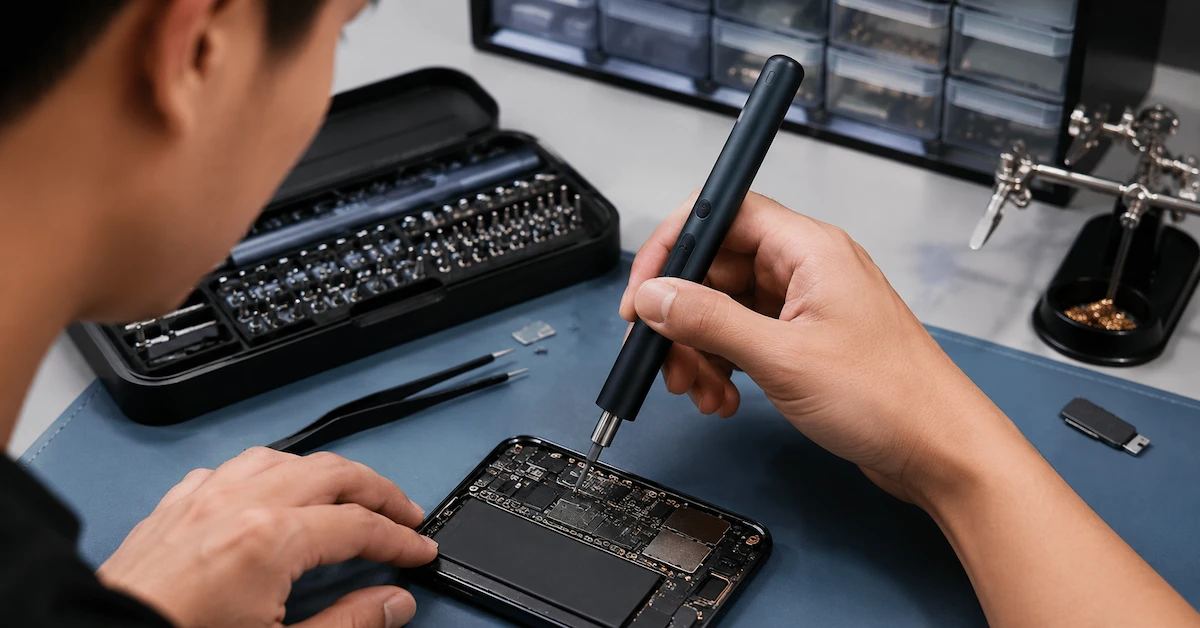
Speed stability matters because repair shops and DIY users often work on plastic housings, phone frames, small metal parts, jewelry touch-up, model details, or craft materials. A tool that loses speed too easily can leave uneven finishing. A tool with higher vibration can feel less precise and may create poor reviews for distributors.
Collet Grip and Accessory Matching
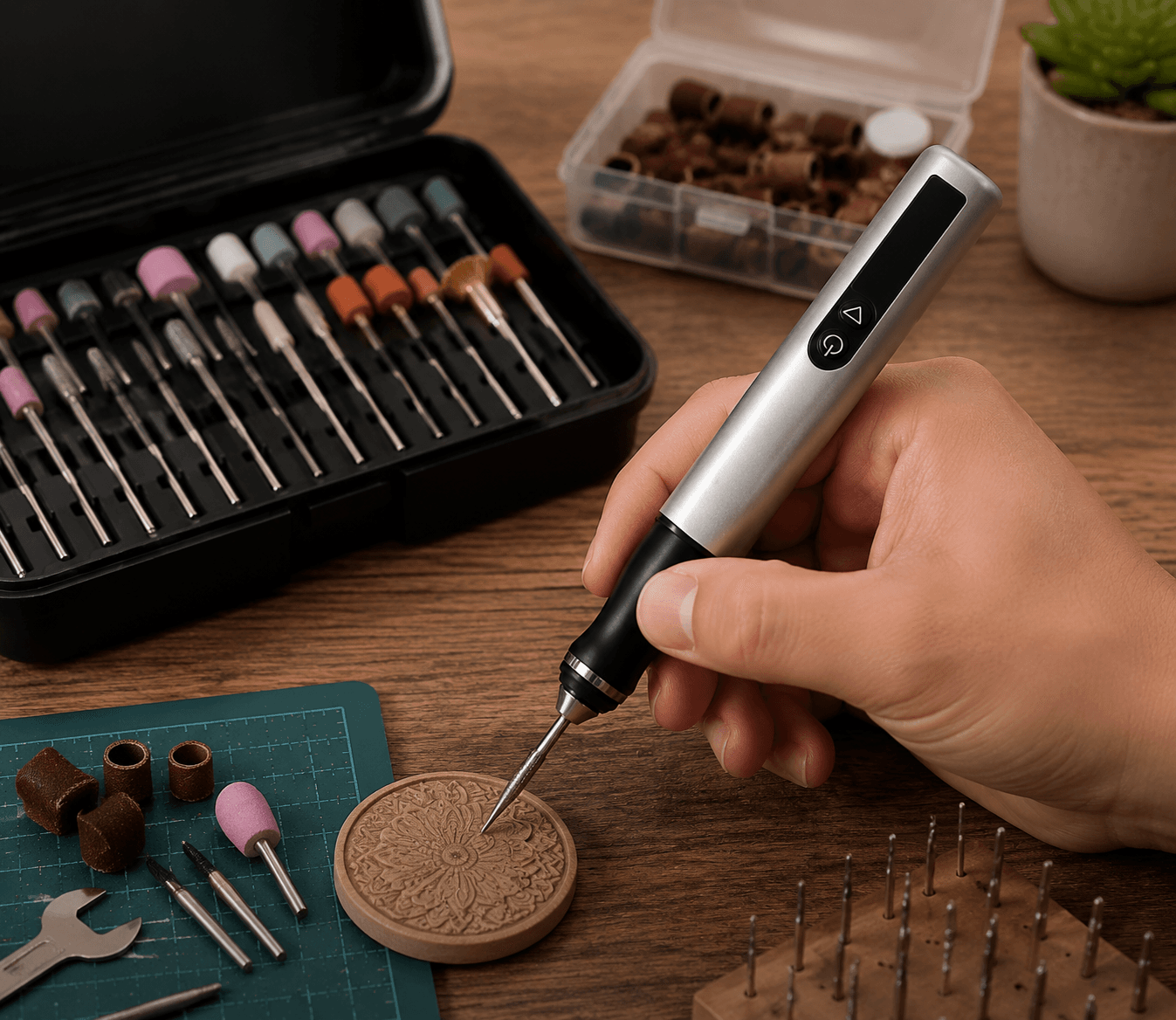
Accessory fit is one of the easiest problems to miss during sourcing. A large accessory count may look attractive in a listing, but the set must match real use cases: grinding, polishing, drilling, engraving, trimming, sanding, and detail finishing. For private-label buyers, ToolQeen recommends approving the exact accessory list and checking fit during sample confirmation, not leaving the accessory mix open until production.
Charging, Heat, and User Safety Perception
Charging consistency, switch response, and motor heat shape the buyer's perception of quality. Even when a tool is low-voltage and compact, importers should ask how the supplier checks charging function, continuous run behavior, and housing temperature during repeated use. These checks reduce after-sales uncertainty and help the importer defend the product with clear inspection records.
Factory Insight: What EU Importers Should Ask Before Paying
A factory-strength review should start with practical questions. Can the supplier explain the motor and accessory inspection process? Can they keep the same accessory count and packaging layout between sample and mass production? Can they support OEM logos, color direction, labels, barcode placement, instruction inserts, and multilingual packaging if the EU channel requires it? Can they share MOQ, sample timing, production lead time, and pre-shipment inspection steps before the order is confirmed?
ToolQeen is Shenzhen ToolQeen Technology Co., Ltd., a Shenzhen-based precision tool manufacturer founded in 2016. The company supports electric rotary tool pens, rotary grinder pens, electric screwdrivers, ratchet screwdriver sets, and manual precision tool kits for global B2B buyers. Buyers can review the company background on ToolQeen About Us and compare product options through ToolQeen Products.
Real Manufacturing Data Buyers Can Use
For planning, ToolQeen normally treats standard sample preparation as a 3-5 day process when the requested configuration is available. Standard production lead time is commonly around 10-15 days depending on quantity and packaging requirements, while custom projects may need about 15-25 days. OEM MOQ is typically 500 pcs and ODM MOQ is typically 1,000 pcs, subject to final configuration, accessory set, packaging, and project details.
ToolQeen's broader precision tool manufacturing capacity is designed for repeat orders, not one-off trial shipments. Electric screwdriver output can reach 3,000-5,000 units per day and monthly capacity can reach 80,000-120,000 units across suitable product programs. For rotary tools, the same sourcing logic applies: buyers should confirm sample approval, production slot, QC checklist, packaging files, and shipment terms such as FOB, EXW, CIF, or DDP before scaling.
Quality Control Process for Electric Rotary Tool Orders
A serious QC process gives both the importer and the factory the same standard before production starts. ToolQeen recommends a five-stage control structure for precision tool projects.
1. IQC: Incoming Material and Accessory Inspection
Incoming checks should cover motors, PCBs, batteries where applicable, plastic housings, metal shafts, collets, switches, charging parts, accessory heads, packaging materials, labels, and manuals. This step helps prevent a weak component from entering assembly.
2. IPQC: In-Process Assembly Monitoring
During assembly, the factory should check fit, alignment, switch installation, charging port position, internal wiring, and process consistency. For EU importers, in-process control is important because late-stage inspection alone cannot always fix hidden assembly issues.
3. FQC: Final Function and Appearance Testing
Final inspection should include power-on checks, speed behavior, vibration feel, accessory grip, charging function, noise, housing finish, logo position, and visible defects. The approved sample should be the reference point for appearance and package layout.
4. Reliability and Aging Checks
Selected units should go through repeated run or aging checks to observe heat, charging stability, switch behavior, and motor consistency. For a rotary tool kit sold through distributors, this stage helps reduce early failure claims and protects long-term supply confidence.
5. Pre-Shipment Packaging and Label Review
Before shipment, ToolQeen recommends checking accessory count, tray layout, user manual, barcode, carton label, outer carton strength, packaging print, and final random sampling. This is especially important for European distributors because packaging errors can delay warehouse processing or create mismatches across repeat orders.
How CE/RoHS and Packaging Affect Importer Risk
European buyers often carry the commercial burden when documentation, packaging, or product labeling is unclear. A supplier should not treat CE/RoHS files as an afterthought. Importers should request available compliance documents, confirm the product configuration they apply to, and ensure packaging and manuals do not create misleading claims.
Packaging also affects after-sales risk. A clean box, accurate accessory list, clear manual, and stable barcode structure help distributors receive, store, sell, and reorder the same SKU. For OEM buyers, ToolQeen can discuss logo placement, retail box design, gift packaging, color direction, accessory structure, and labeling needs before sample approval.
Real Buyer Scenario: EU Distributor Preparing a Repeat Order
Consider a European repair tool distributor preparing a rotary tool kit for electronics repair shops, model makers, and small-parts finishing users. The first sample looks good, but the distributor needs confidence that the second and third batch will feel the same. The buyer asks ToolQeen to confirm the accessory list, packaging file, speed and vibration checks, collet grip review, carton label, CE/RoHS document status, MOQ, and lead time before paying the deposit.
This is the right sequence. It turns quality from a vague promise into a shared operating checklist. The distributor can compare samples, approve packaging, prepare product pages, and plan reorder timing with fewer surprises. ToolQeen can then align production, QC, and shipment around the approved program instead of treating each shipment as a new negotiation.
Inquiry CTA for EU Rotary Tool Buyers
If you are preparing an electric rotary tool program for Europe, send ToolQeen your target market, required accessory list, expected quantity, packaging style, OEM logo needs, CE/RoHS document questions, and target lead time. ToolQeen can help compare sample options, confirm MOQ, review packaging, and build a QC checklist before bulk production.
FAQ
What should EU importers check in electric rotary tool quality control?
EU importers should check speed stability, vibration, collet grip, accessory matching, charging function, motor heat, packaging accuracy, CE/RoHS document readiness, MOQ, lead time, and pre-shipment inspection records.
What is the MOQ for OEM electric rotary tool projects?
ToolQeen's typical OEM MOQ is 500 pcs and typical ODM MOQ is 1,000 pcs, depending on configuration, accessory set, color, packaging, and customization requirements.
How long do samples and production usually take?
Standard samples usually take 3-5 days when the configuration is available. Standard production commonly takes 10-15 days, while customized orders may need 15-25 days depending on packaging and specification complexity.
Can ToolQeen customize packaging for EU distributors?
Yes. ToolQeen can discuss OEM logo, box artwork, accessory layout, labels, manuals, barcode placement, gift packaging, and retail-ready presentation for qualified B2B orders.
How can buyers reduce after-sales risk before bulk orders?
Approve the exact sample, lock the accessory list, confirm CE/RoHS-related documents, review packaging files, agree on the QC checklist, and request final random inspection before shipment.
Why work with ToolQeen for long-term rotary tool supply?
ToolQeen combines precision tool manufacturing, OEM/ODM support, sample confirmation, QC workflow, packaging support, and stable B2B communication for importers and distributors that need repeatable electric rotary tool supply.
Final Recommendation
Electric rotary tool quality control should be treated as a purchasing decision, not only a factory inspection step. EU importers that check speed stability, accessory fit, packaging, CE/RoHS support, MOQ, lead time, and batch consistency before bulk orders are better positioned to reduce returns and build long-term supply.
To review ToolQeen's factory background, visit ToolQeen About Us. To compare precision tool categories for your next sourcing plan, browse ToolQeen Products.