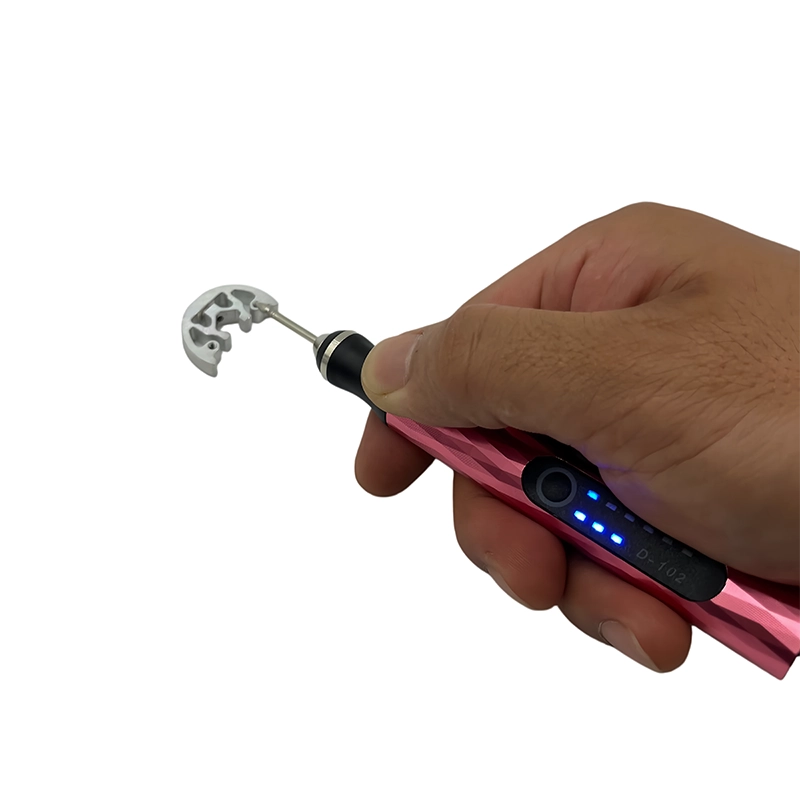
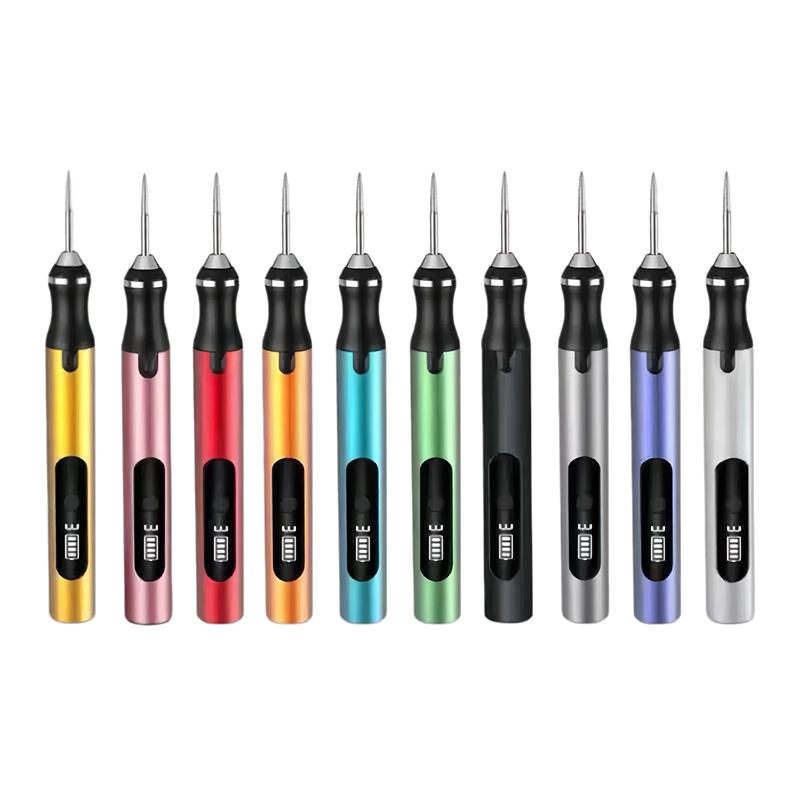
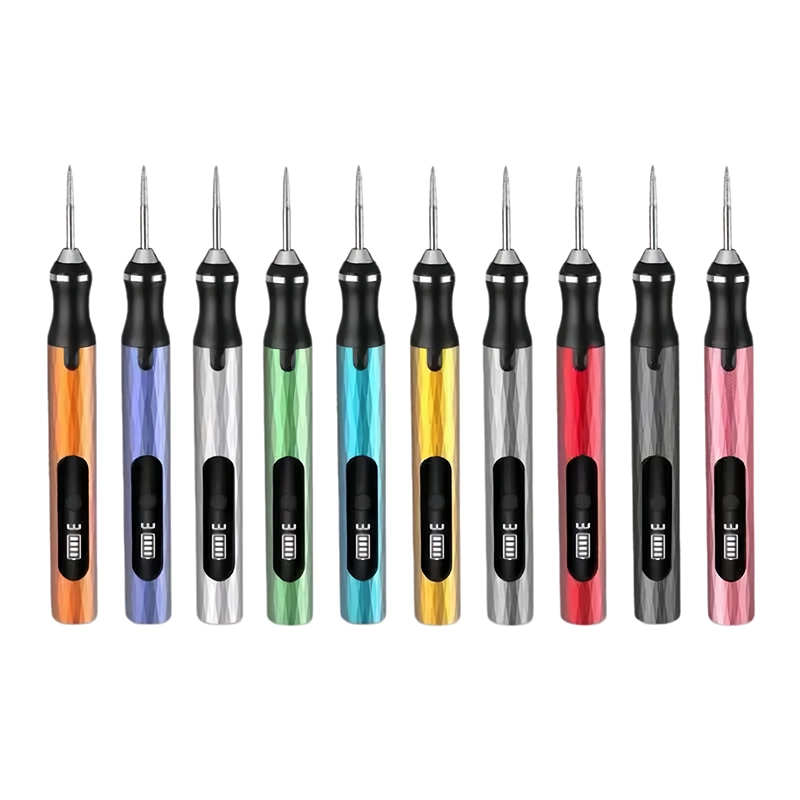
Electric Rotary Tool
Factory QC for Electric Rotary Tools: What Buyers Should Request
Factory QC for electric rotary tools helps US buyers reduce returns by checking speed stability, collet grip, accessories, packaging, MOQ, and repeat-batch control.
Published 2026-07-23 · Reviewed by the ToolQeen product and quality team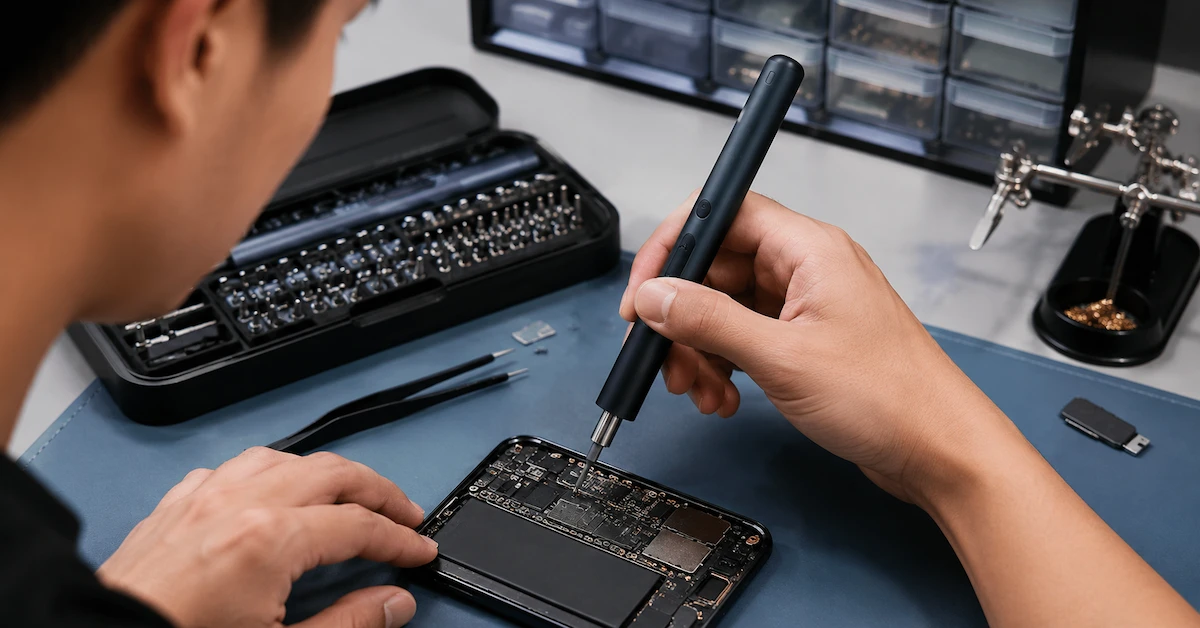
Quick Answer
Factory QC for electric rotary tools should cover speed stability, vibration control, collet grip, accessory fit, charging consistency, packaging accuracy, and repeat-batch inspection before shipment. For US importers, private-label sellers, and repair-tool distributors, the safest supplier is the one that can explain the QC checkpoints in practical terms and connect them to lower returns, better reviews, and more reliable replenishment.
Factory QC review for a private-label electric rotary tool program. Many rotary tool listings look similar at first glance. The real difference appears after launch, when one batch feels smooth and another batch vibrates more, accessories fit loosely, packaging changes, or customer reviews start mentioning weak control in light grinding, trimming, or engraving work. That is why factory QC for electric rotary tools should be treated as a sourcing decision, not only a factory afterthought.
ToolQeen supports B2B buyers that need OEM, ODM, private-label, and wholesale precision tool programs. If you are comparing supply options, review the ToolQeen product range, check the electric rotary tool pen product page, and use the contact page to request a sample or quote.
Why US Buyers Should Audit QC Before Deposit
For Amazon sellers, repair-tool distributors, and private-label brands, return risk usually comes from small details that are easy to miss during quotation review. A compact rotary tool may power on during sample review but still have inconsistent speed under load, visible runout, loose accessory grip, charging instability, or packaging that does not match the approved shelf presentation. Each of those issues can lead to review damage, support costs, and delayed reorder decisions.
US buyers usually need more than a generic statement that the product passed inspection. They need a supplier that can connect QC to actual selling risk: user feel, accessory compatibility, final packaging accuracy, label consistency, reorder stability, and shipment readiness. Public references such as ISO 9001 quality management are useful because they reinforce why repeatable inspection matters more than one attractive sample photo.
QC Checks Buyers Should Request Before Mass Production
QC Check Why It Matters What To Ask For Speed stability Reduces complaints about weak cutting, polishing, or engraving control. Loaded and unloaded speed-check method with sample reference. Vibration and runout Protects user feel and review quality. Accessory spin check, shaft alignment check, and reject standard. Collet grip Prevents slipping accessories and unsafe user experience. Collet fit test with the approved accessory mix.
Charging and heat Limits early failure claims and weak after-sales performance. Charging check, continuous-run check, and basic temperature review. Packaging accuracy Protects CTR, shelf trust, and warehouse consistency. Approved artwork, barcode, tray layout, carton label, and final sample.
Quality Control Stages That Actually Reduce Returns
A practical rotary tool QC process should begin before assembly and continue through final packing. Incoming checks should review motors, housings, collets, charging parts, and accessory components. In-process checks should watch alignment, switch feel, charging-port fit, and consistency of assembly details. Final checks should confirm power-on behavior, speed feel, vibration, collet grip, accessory count, logo position, and packaging match.
For B2B buyers, the value of QC is not theoretical. It helps protect listing images, repeat order confidence, and distributor relationships. A supplier that treats packaging and accessory verification as part of QC is usually more useful than a supplier that only compares motor power and price. Inline QC checkpoint for accessories, collet grip, and final packaging accuracy.
What Real Buyers Should Confirm With the Factory
Before paying the deposit, ask the supplier to lock the exact accessory list, packaging file, product finish, logo placement, and carton label. If the tool will be sold through e-commerce channels, also confirm the product photos and the shipped configuration match. If the project is private label, the approved sample should become the reference for both product feel and package structure. ToolQeen recommends that buyers also confirm MOQ, sample lead time, production lead time, and the final inspection checklist during the same discussion.
That keeps commercial terms aligned with product quality instead of treating them as separate conversations.
How This Connects to ToolQeen's B2B Offer
ToolQeen is Shenzhen ToolQeen Technology Co., Ltd., a Shenzhen precision tool manufacturer serving OEM, ODM, private-label, and wholesale buyers. The team supports electric rotary tool pens, precision electric screwdrivers, ratchet screwdriver sets, and manual precision tools for repair-tool programs and branded distribution. Buyers who want more factory context can review ToolQeen company information and compare categories on the products page.
If you are building a rotary tool SKU for a US market launch, the best workflow is simple: confirm sample feel, lock the accessory mix, approve the package, define the QC sheet, and align the shipment plan before mass production starts. That sequence usually protects reviews and reorder confidence better than chasing the lowest offer first.
FAQ
What factory QC checks matter most for electric rotary tools? Speed stability, vibration control, collet grip, accessory fit, charging behavior, packaging accuracy, and final sample consistency matter most because they directly affect user feel, returns, and review quality. Why should private-label sellers ask for packaging QC? Because packaging is part of the product promise. Wrong accessory counts, tray mistakes, barcode errors, or weak artwork consistency can hurt CTR, fulfillment accuracy, and customer trust.
Can ToolQeen support OEM rotary tool projects? Yes. ToolQeen supports OEM, ODM, private-label, and wholesale precision tool programs for importers, distributors, repair-tool sellers, and branded e-commerce projects. What should buyers lock before paying a deposit? Lock the approved sample, accessory list, finish, logo placement, packaging artwork, carton label, QC checklist, MOQ, and production lead time so the order can be inspected against one clear standard.
What internal pages should buyers review next? Review the electric rotary tool product page, the main products page, the about page, and the contact page before requesting a quote.
Next Step for Buyers
If you are evaluating a factory QC process for electric rotary tools, send ToolQeen your target market, expected order quantity, preferred accessory mix, packaging direction, and launch timeline. ToolQeen can help compare sample options, confirm the inspection flow, and build a lower-risk production plan for your next rotary tool order.
Technical review
Checked against current ToolQeen product and factory materials.
Use this guide to prepare better sourcing questions. Confirm final specifications, quantities, documents and lead times for the selected model and market.
Related product platforms