
What RPM is best for polishing metal?
For metal polishing with a mini rotary tool, 5,000–15,000 RPM is a good range for most finishing and buffing work. Higher speeds may be useful for harder metals or abrasive polishing accessories, but the correct RPM depends on the metal and accessory.
A practical guide is:
5,000–10,000 RPM: delicate polishing, jewelry, soft metals, and final finishing
10,000–15,000 RPM: general metal polishing and buffing
15,000–25,000 RPM: heavier polishing or light material removal with suitable abrasive wheels
Up to 30,000 RPM: better suited to grinding, engraving, or aggressive material removal than normal finishing
For felt, cloth, or brush polishing accessories, lower speeds are normally preferred. Dremel recommends approximately 5,000–15,000 RPM for general cleaning and polishing, and some polishing accessories should not be operated above 15,000 RPM.
The accessory manufacturer’s maximum RPM rating should always be followed, because different polishing wheels, brushes, and abrasive points have different speed limits.
For metal polishing, a variable-speed or 5-speed rotary tool is better than a single-speed model because the operator can start at low RPM and increase the speed according to the material and finish required.
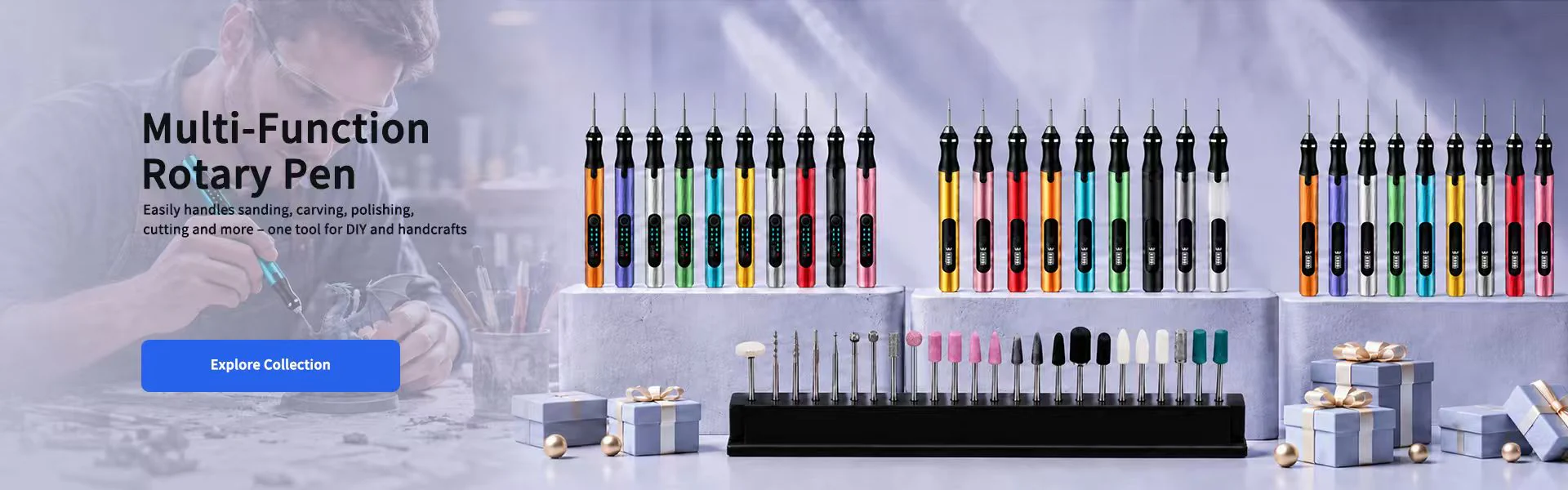
ToolQeen 5-speed rotary tool configurations can reach approximately 30,000 RPM, providing enough speed range for polishing, grinding, engraving, and other precision metalworking applications.