
What RPM is best for jewelry work?
For jewelry work, 5,000–15,000 RPM is a good range for most cleaning and polishing, while higher speeds can be used for engraving, grinding, and material removal depending on the metal and accessory.
A practical guide is:
5,000–10,000 RPM: delicate polishing, finishing, and detailed work
10,000–15,000 RPM: general jewelry polishing and cleaning
15,000–25,000 RPM: grinding, deburring, or polishing with accessories specifically rated for higher speeds
Up to 30,000 RPM: useful for engraving and faster material removal when the accessory and material allow it
For gold, silver, and other delicate jewelry, we recommend starting at a low speed and increasing gradually. Dremel recommends starting precious-metal polishing around 5,000 RPM and generally staying below 15,000 RPM for standard cleaning and polishing operations.
The correct RPM also depends on the accessory. Some polishing wheels are designed to operate at higher speeds, so the accessory manufacturer's maximum and recommended RPM should always be checked before use.
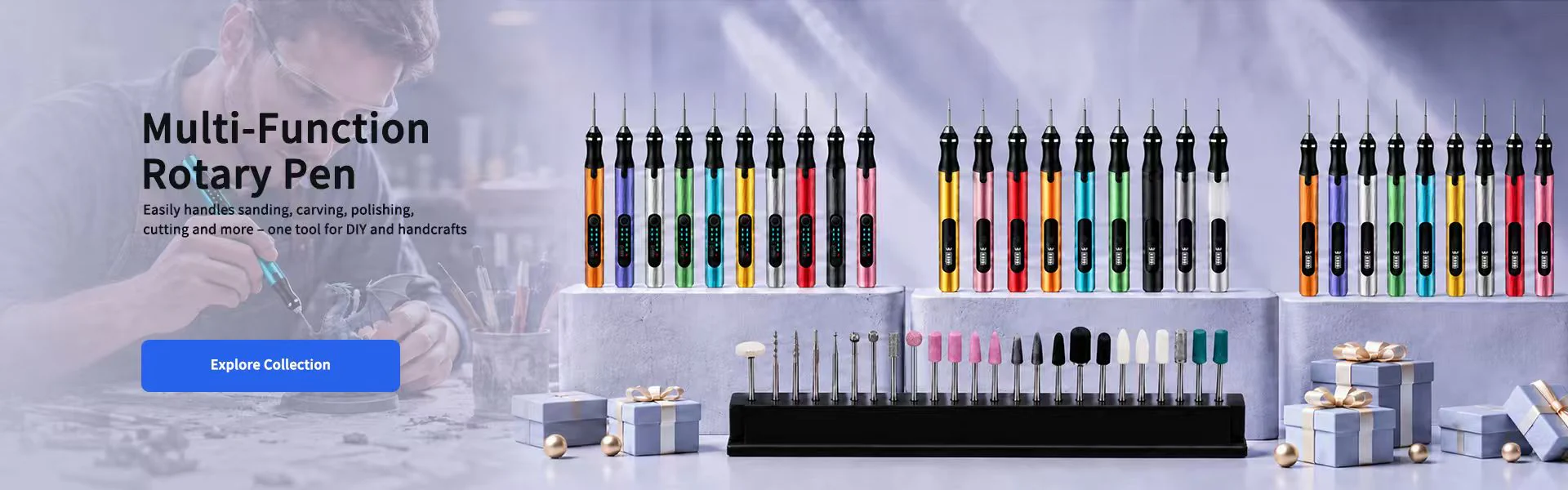
For jewelry work, a variable or 5-speed rotary tool is usually better than a single-speed model, because polishing, engraving, and grinding require different speeds.
ToolQeen 5-speed coreless rotary tool configurations can reach approximately 30,000 RPM, giving users enough range for polishing, engraving, grinding, and other precision jewelry applications.