
Mini rotary tool manufacturer
Mini Rotary Tool Quality Control: Speed, Vibration, Collet and Accessory Checks
Assess mini rotary tool quality control with a sample-led plan for speed behavior, vibration, runout, collet grip and accessory compatibility before bulk release.
Quick Answer
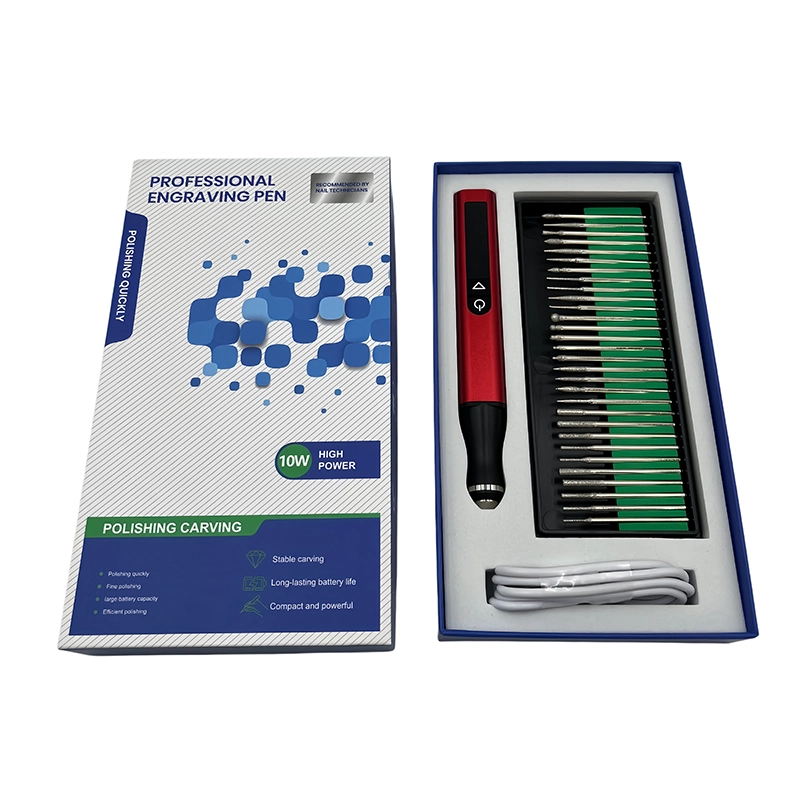
Mini rotary tool quality control should verify the selected tool, collet and accessory combination as a working system. Before bulk release, buyers should define a sample test for speed behavior, vibration, runout, collet grip, accessory shank fit, charging and pack-out, with acceptance criteria that match the intended application.
Buyer Takeaways
- Check the tool with the actual accessory and material, not only at no load.
- Separate visible vibration, runout and collet-grip observations in the sample record.
- Verify accessory shank sizes against the supplied collet range.
- Approve the kit, safety information and packaging as one controlled configuration.
Start with the intended rotary application
Engraving, light grinding, sanding, polishing and 3D-print finishing place different demands on a mini rotary tool and accessory set. The buyer should state the target material, expected accessory, access limit and finish requirement before designing a quality check. A broad rotary-tool description is not enough to set a meaningful acceptance condition.
Use representative work pieces or safe test coupons for sample review. This allows the team to observe handling, accessory compatibility and visible finish without making a performance claim that has not been verified on the project configuration.
Observe speed behavior and vibration under controlled conditions
A no-load observation can identify obvious behavior, but it should not be the only evidence. Record the selected speed setting, accessory, work piece and observation point. If vibration is a concern, agree how it will be assessed—for example, by visible behavior, handling feedback or an agreed measurement method—rather than relying on subjective wording after production.
Repeat the check with the same setup if the order requires a consistency review. The goal is to give buyer and supplier a shared reference for the approved use, not to imply a universal speed or vibration limit for unrelated models.
Technical Explanation
Evidence requirement
Request evidence tied to the exact configuration and intended buyer decision.
- Confirm the selected model or kit configuration before reviewing a claim.
- Use a documented sample method and retain the result with the approval record.
- Escalate any change that could affect buyer acceptance before bulk release.
Buyer Comparison
Mini rotary tool sample checks
| Check | What to control | Buyer evidence |
|---|---|---|
| Speed behavior | Setting, accessory and test coupon | Sample observation record |
| Vibration and runout | Tool, collet and fitted accessory | Agreed visual or measured check |
| Collet grip | Collet size and accessory shank | Accessory-to-collet matrix |
| Pack-out | Case, accessories, labels and instructions | Approved packing list and artwork |
Check collet grip, shank fit and runout together
The collet, accessory shank and tool spindle interact. Confirm the supplied collet sizes, check that the intended accessory shanks seat correctly and inspect whether the setup shows visible wobble or poor retention. A tool can appear acceptable with one accessory but behave differently when the shank or collet changes.
Ask for a documented accessory-to-collet matrix in the sample file. It helps a retail or OEM buyer prevent a kit from including accessories that are not suited to the approved collet arrangement or that are difficult for the end user to identify.
Use a pack-out and instruction review to reduce returns
Many rotary-tool returns result from an incomplete kit, unclear accessory identification or use outside the intended range. Review the case layout, accessory groups, labels, instructions, charging components and visible warnings with the working sample. If an accessory is optional, make its status clear in both the packing list and the retail content.
This is a product-family-specific check: it should refer to mini rotary tool use, not electric screwdriver terminology. The review should also identify any item that needs destination-market confirmation before it is represented in packaging or documentation.
Release bulk goods against the approved sample evidence
For bulk production, link the quality plan to the approved tool, accessory matrix and pack-out. A change to the collet, accessory mix, artwork or charging component should be visible to the buyer before release. Pre-shipment verification can then confirm the agreed configuration, quantity, labelling and condition of the packed goods.
Keeping that evidence together gives a distributor or tool brand a practical basis for supplier discussion if the delivered configuration differs from the approved sample.
Things Buyers Should Check
Things Buyers Should Check
- ✓Confirm the current model or kit configuration.
- ✓Attach the target application, market and purchase scope.
- ✓Request evidence for the decisive technical or commercial question.
- ✓Approve the sample and related pack-out against one version-controlled record.
- ✓Review changes before production and shipment release.
Frequently Asked Questions
Frequently Asked Questions
Why test a mini rotary tool with accessories fitted?
The collet, accessory shank and application can affect the result. A no-load tool check does not confirm the working kit configuration.
What is runout in a rotary tool sample review?
It is the visible or measured deviation as an accessory rotates. The method and acceptable condition should be defined for the selected tool and accessory.
How should collet compatibility be documented?
Use an accessory-to-collet matrix that lists the supplied shank, collet and approved intended use for the kit.
Can vibration be assessed only by a marketing specification?
No. Agree a sample method and observation or measurement condition that relates to the intended application.
What should change control cover?
Cover the tool configuration, collet, accessories, charging items, labels, instructions, case and outer packaging.
Final Buyer Recommendation
Use this guide to structure the next buyer decision for mini rotary tool quality control. Confirm the exact product configuration, target market and order conditions in the RFQ or sample-approval record before committing production.
Related Products
Related Products
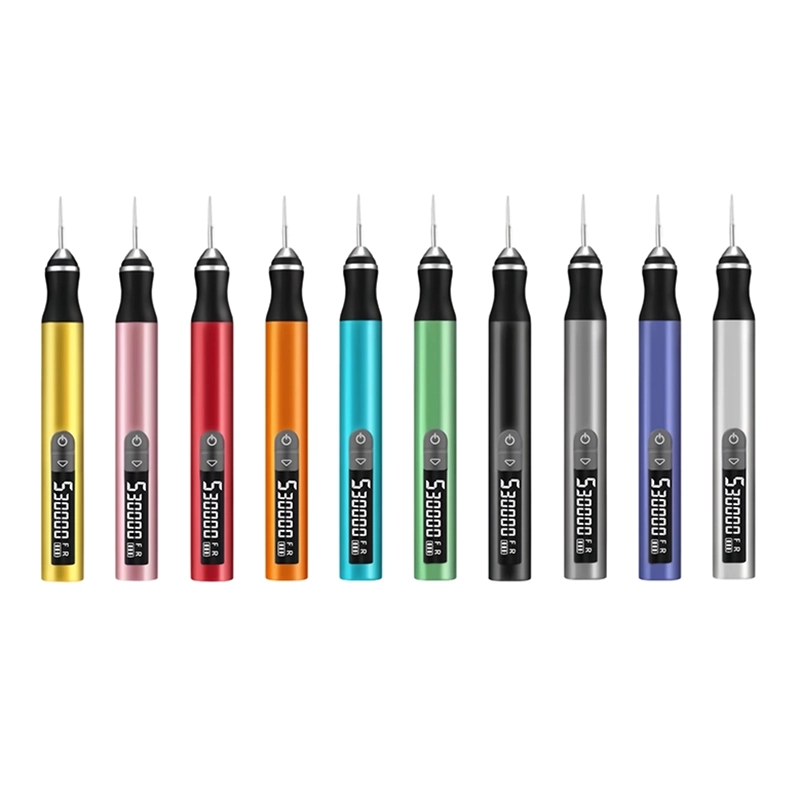
H102 Cordless Electric Engraving Pen
Cordless pen-style rotary tool for engraving, polishing, grinding and detail work.
View product ↗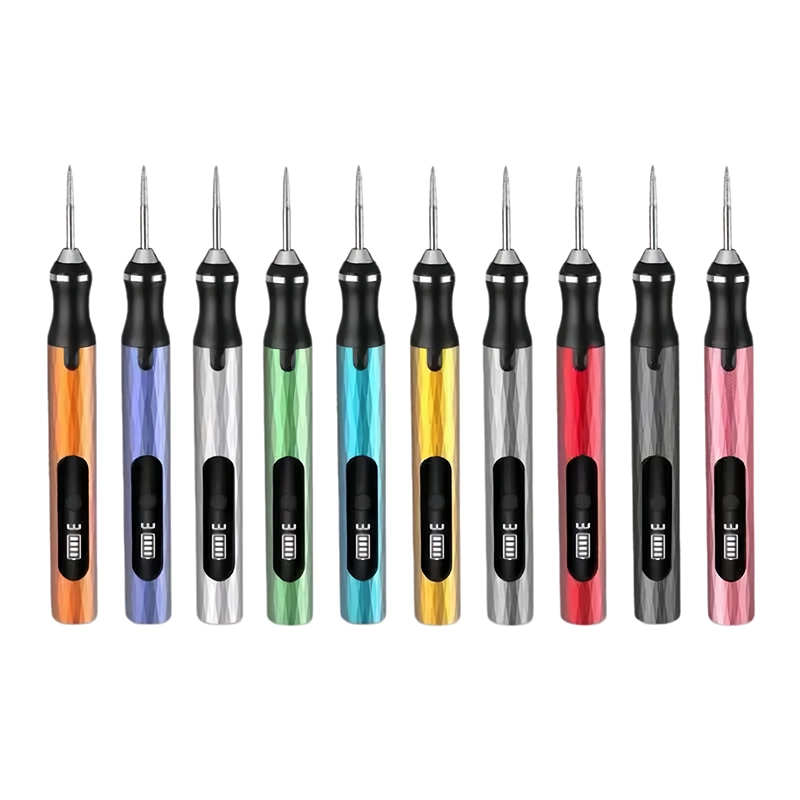
106 Multi-function Rotary Tool Pen
Cordless pen-style rotary tool for engraving, polishing, grinding and detail work.
View product ↗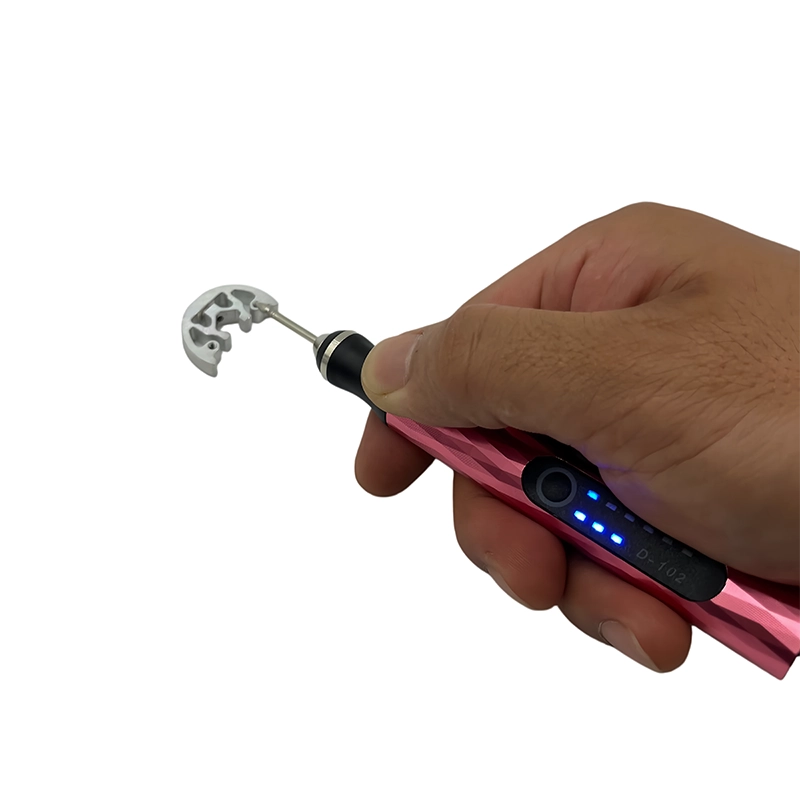
D-102 Cordless Electric Engraving Pen
Cordless pen-style rotary tool for engraving, polishing, grinding and detail work.
View product ↗