
What RPM is best for engraving?
For engraving with a mini rotary tool, 15,000–25,000 RPM is a good working range for most applications, while lower or higher speeds may be better depending on the material and engraving bit.
A practical guide is:
8,000–15,000 RPM: plastic, resin, acrylic, and other heat-sensitive materials
12,000–20,000 RPM: wood and soft materials
15,000–25,000 RPM: general engraving on wood, plastic, aluminum, and soft metals
20,000–30,000 RPM: detailed engraving, harder materials, and small carbide or diamond bits
For plastic and resin, we recommend starting at a lower speed because excessive RPM can generate heat and melt the surface. For metal engraving, higher RPM usually gives cleaner cutting with small engraving bits.
The correct speed also depends on the bit diameter, material, cutting depth, and accessory RPM rating. Smaller engraving bits can normally operate at higher speeds than larger accessories.
For engraving work, a variable-speed or 5-speed rotary tool is better than a fixed-speed model, because different materials require different RPM ranges.
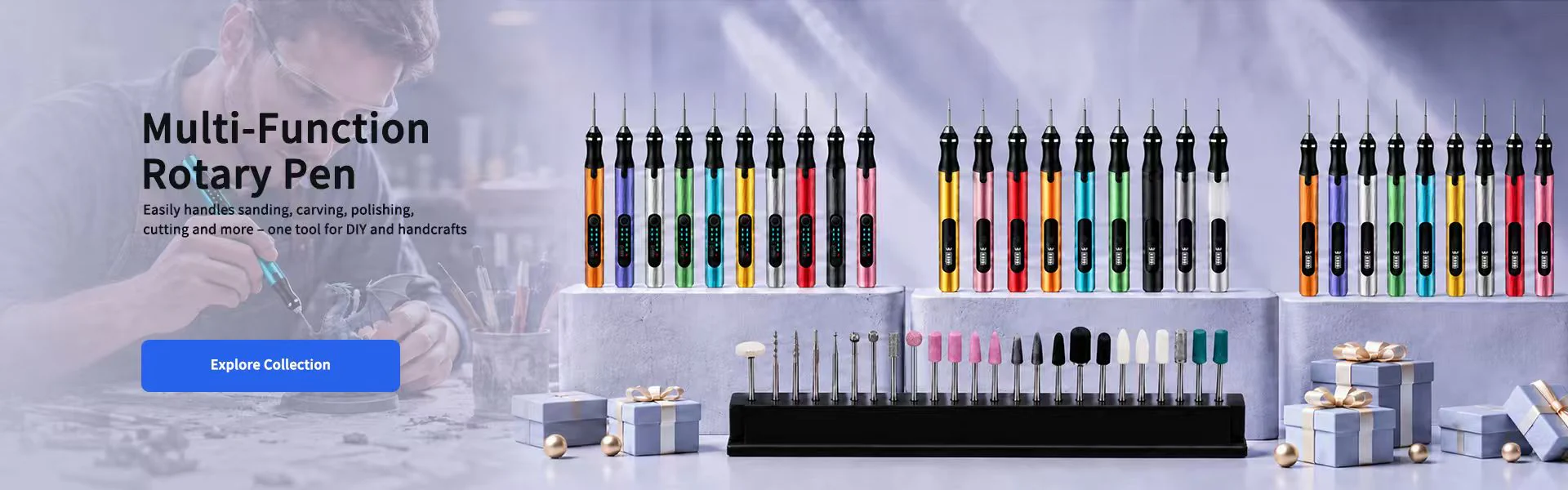
ToolQeen 5-speed coreless rotary tool configurations can reach approximately 30,000 RPM, providing enough speed range for engraving, grinding, polishing, model making, jewelry work, and other precision applications.