
What RPM is best for electronics repair?
For electronics repair, around 300–800 RPM is a good working range for most precision screw-driving tasks, while higher speeds can be useful for fast screw removal if torque is properly controlled.
A practical guide is:
200–400 RPM: best for delicate screws, plastic threads, watches, cameras, and very small electronics
400–700 RPM: good for general phone, laptop, tablet, and electronics repair
700–1,000 RPM: useful for faster screw removal and repetitive work, but requires good torque control
Above 1,000 RPM: usually unnecessary for most precision repair applications
For electronics repair, torque control is more important than maximum RPM. High speed combined with excessive torque can increase the risk of cam-out, stripped screws, and damaged plastic threads.
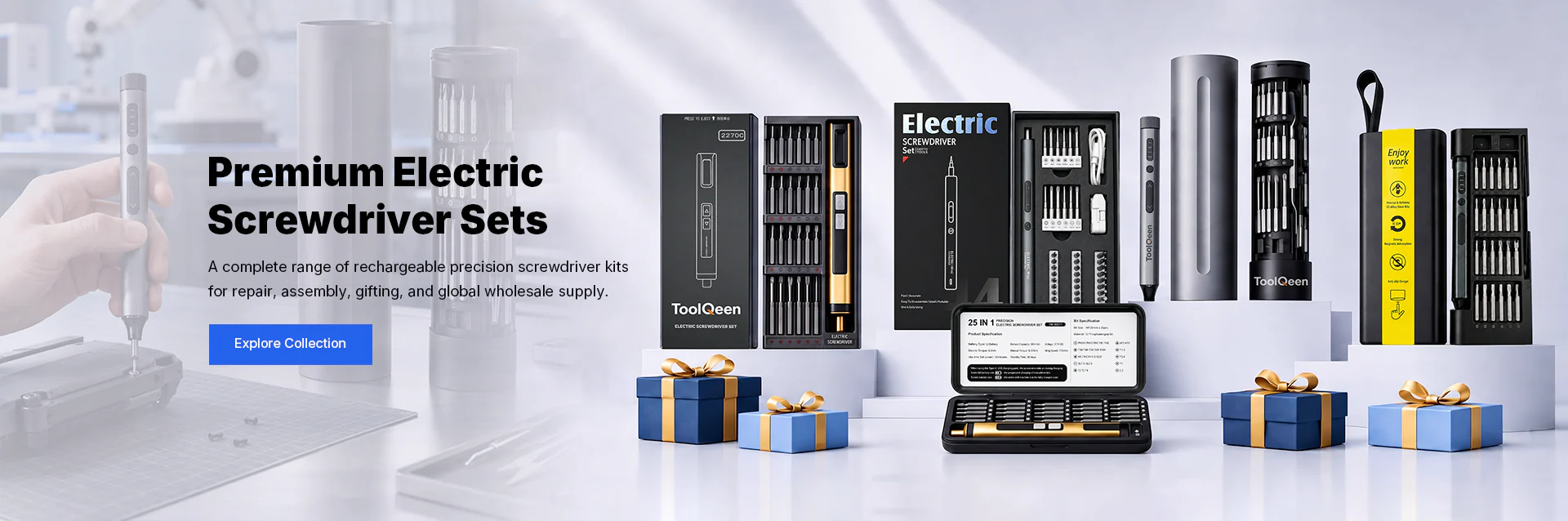
ToolQeen multi-stage precision electric screwdrivers use approximately 650, 800, 900, and 950 RPM, combined with adjustable torque levels of 0.05, 0.15, 0.25, and 0.35 N·m.
For delicate screws, we recommend starting with the lower speed and torque settings, then increasing only when necessary.