
Precision electric screwdriver
How To Verify precision electric screwdriver technical claims before approving a sample
Verify precision electric screwdriver technical specifications by linking torque, speed, manual control, bits and battery behavior to a documented sample method.
Quick Answer
To verify precision electric screwdriver technical specifications, turn each important claim into a sample test with a defined model, mode, fixture, fastener, battery condition, observation and acceptance rule. Torque, speed, manual override, bit fit and charging should be assessed separately so an untested headline does not become an approval assumption.
Buyer Takeaways
- Anchor verify precision electric screwdriver technical specifications to the exact product configuration and target use.
- Request evidence that states the method, condition, reviewer and decision supported.
- Keep the approved sample, specification and pack-out under one controlled version.
- Escalate material product, document or packaging changes before production release.
Convert the data sheet into testable questions
A technical claim becomes useful when it is attached to a condition. List the selected model, each required function and the intended repair or assembly task. Then ask what must be observed, what setup is required and what outcome would make the configuration acceptable. This is stronger than asking a supplier to repeat a catalogue value.
Keep the requirements model-specific. A range mentioned for one electric screwdriver configuration should not be assumed for another model, bit set or battery arrangement.
Check torque and manual override separately
Powered torque and manual torque may solve different parts of a task. During sample review, identify whether the end user needs controlled fastening, stubborn-screw removal, final manual adjustment or another defined behavior. Use representative hardware and record the operating mode and result.
Where a buyer requires a numeric target, ask for the method, tolerance and test fixture. Where a buyer needs a usability outcome, state the representative task and evidence that will be reviewed instead of inventing a universal value.
Decision evidence
Evidence requirement
A test-plan outline that ties the advertised specification to a method, fixture, tolerance, test condition and sample record.
- Confirm the selected model or kit configuration before reviewing a claim.
- Use a documented sample method and retain the result with the approval record.
- Escalate any change that could affect buyer acceptance before bulk release.
Buyer Comparison
Specification verification plan
| Claim area | Sample method | Approval record |
|---|---|---|
| Torque | Defined fastener and fixture | Mode, target or observation and result |
| Speed control | Representative work at selected setting | Start and handling observation |
| Manual override | Defined removal or final-tightening task | User action and outcome |
| Kit configuration | Packing-list reconciliation | Approved component list |
Verify speed and starting control in the intended work
Speed is meaningful only in relation to the fastener, material, bit and user control required. Test start behavior, low-speed handling and repeated use on representative hardware when these are central to the application. Note unexpected movement, heat, sound or loss of control as observations that need resolution.
The result should identify the model and selected setting. It should not be treated as a promise that every configuration will perform identically under different loads or accessories.
Inspect the physical kit and interfaces
The driver is only one part of the buyer's offer. Verify bit interface, profiles, retention, extension reach, charging items, case layout and labelling. A technically acceptable tool can still fail the buyer brief if an accessory is absent or a bit does not fit the target fastener.
Use a line-by-line sample checklist to keep the tool, accessories and packaging connected. This also gives the production team a clear reference when the order moves to bulk.
Issue a controlled technical approval record
At the end of sample testing, create a short record that lists the configuration, test conditions, approved observations, open questions and any change required before production. Attach the current specification and artwork version. This gives engineering, procurement and quality teams the same basis for a commercial release.
If a claimed value cannot be verified with the proposed setup, record it as pending rather than converting it into a product claim. The right next action may be a revised sample, a different test method or an engineering clarification.
Project Flow
Buyer workflow for Technical Specification Verification Protocol
- 01
List every claimed specification
Step 1: document the a claimed electric screwdriver specification requirement, keep the supporting evidence with the current configuration and assign a decision owner before the next commercial or production action.
- 02
Define instrument and condition
Step 2: document the a claimed electric screwdriver specification requirement, keep the supporting evidence with the current configuration and assign a decision owner before the next commercial or production action.
- 03
Test the approved sample
Step 3: document the a claimed electric screwdriver specification requirement, keep the supporting evidence with the current configuration and assign a decision owner before the next commercial or production action.
- 04
Record an acceptance decision
Step 4: document the a claimed electric screwdriver specification requirement, keep the supporting evidence with the current configuration and assign a decision owner before the next commercial or production action.
Things Buyers Should Check
Things Buyers Should Check
- ✓Confirm the current model or kit configuration.
- ✓Attach the target application, market and purchase scope.
- ✓Request evidence for the decisive technical or commercial question.
- ✓Approve the sample and related pack-out against one version-controlled record.
- ✓Review changes before production and shipment release.
Common Buyer Mistakes
Common Buyer Mistakes
Using a generic claim as the approval record for a claimed electric screwdriver specification
The buyer cannot tell which version, condition or market the a claimed electric screwdriver specification claim supports.
Tie the a claimed electric screwdriver specification evidence to the exact configuration and a named decision.Comparing unlike supplier assumptions for electric torque, manual torque, RPM, runtime, battery capacity, charging time, runout, noise, bit retention, LED, direction control and auto-stop
Price, schedule or capability appears comparable when the stated scope is actually different.
Normalize the a claimed electric screwdriver specification brief and record exclusions before choosing.Letting a late a claimed electric screwdriver specification change bypass review
The original sample or document may no longer match the production configuration.
Use a Technical Specification Verification Protocol change record that names evidence, impact and approval owner.Practical tool
Technical Specification Verification Protocol
Copy the Technical Specification Verification Protocol into an RFQ, supplier-comparison sheet or sample-approval meeting. Replace bracketed fields with the buyer’s actual project information.
PROJECT / APPLICATION
[Target repair, assembly or sales-channel use]

CONFIGURATION
[Model, revision, battery, bit interface, accessories and pack-out]

DECISION TO MAKE
[electric torque, manual torque, RPM, runtime, battery capacity, charging time, runout, noise, bit retention, LED, direction control and auto-stop]

EVIDENCE REQUIRED
[sample identity, instrument used, fixture or joint, battery state, environmental condition, observations and signed acceptance basis]

ACCEPTANCE BASIS
[Buyer-approved criterion, deviation route and decision owner]

NEXT STEP
[Sample, revision, re-inspection, booking or PO release]
Frequently Asked Questions
Frequently Asked Questions
What should a technical sample test include?
Include only the requirements that drive the purchase decision, with a defined model, setup, method, observation and acceptance rule.
Can a supplier data sheet replace sample testing?
No. It can guide the test plan, but the buyer should verify the selected configuration in the intended application.
How do I verify manual torque?
Define the manual task, bit, fastener and expected outcome, then record the method and observation on the selected sample.
Should battery behavior be tested?
Test it if charging, runtime or use between charges is part of the buyer requirement. Avoid applying a result from another model.
Who should sign off a technical sample?
The decision owner should include the relevant product, engineering and quality stakeholders for the buyer's program.
Final Buyer Recommendation
Use this guide to structure the next buyer decision for verify precision electric screwdriver technical specifications. Confirm the exact product configuration, target market and order conditions in the RFQ or sample-approval record before committing production.
Related Products
Related Products
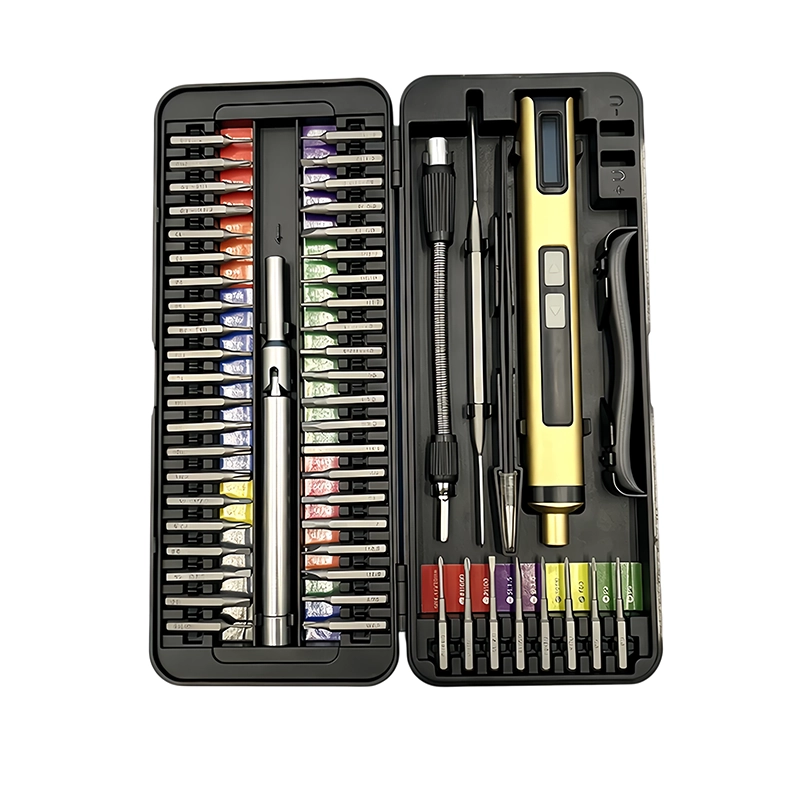
58-in-1 Electric Precision Screwdriver Set
Rechargeable precision system for smartphones, laptops, cameras and small electronics.
View product ↗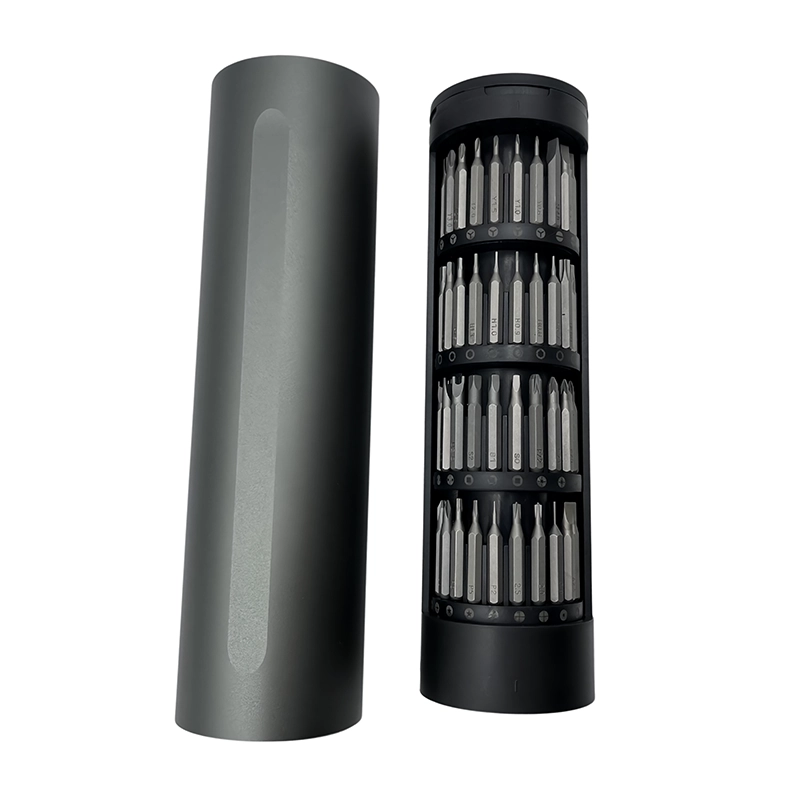
67-in-1 Electric Precision Screwdriver Set
Rechargeable precision system for smartphones, laptops, cameras and small electronics.
View product ↗