

What is the difference between electric torque and manual torque?
Electric torque is the torque produced by the motor and gearbox during powered operation, while manual torque is the force the user applies by turning the screwdriver by hand.
The main differences are:
Electric torque: controlled by the motor, gearbox, PCB, and torque settings
Manual torque: depends on the user’s hand force and the mechanical strength of the screwdriver
Electric torque: better for fast, repetitive screw installation and removal
Manual torque: useful for loosening tight screws and final tightening
Electric torque: can use automatic stop on supported models
Manual torque: is normally not automatically torque-controlled
For ToolQeen multi-stage precision electric screwdrivers, the electric torque levels are:
0.05 N·m
0.15 N·m
0.25 N·m
0.35 N·m
The maximum manual torque is approximately 5 N·m.
In practical repair work, we recommend using electric torque for normal screw-driving, then switching to manual operation when more precise hand control or additional loosening torque is required.
For OEM and ODM projects, ToolQeen can evaluate custom electric torque levels, manual torque capacity, RPM, automatic-stop behavior, motor, gearbox, and PCB control according to the target application.
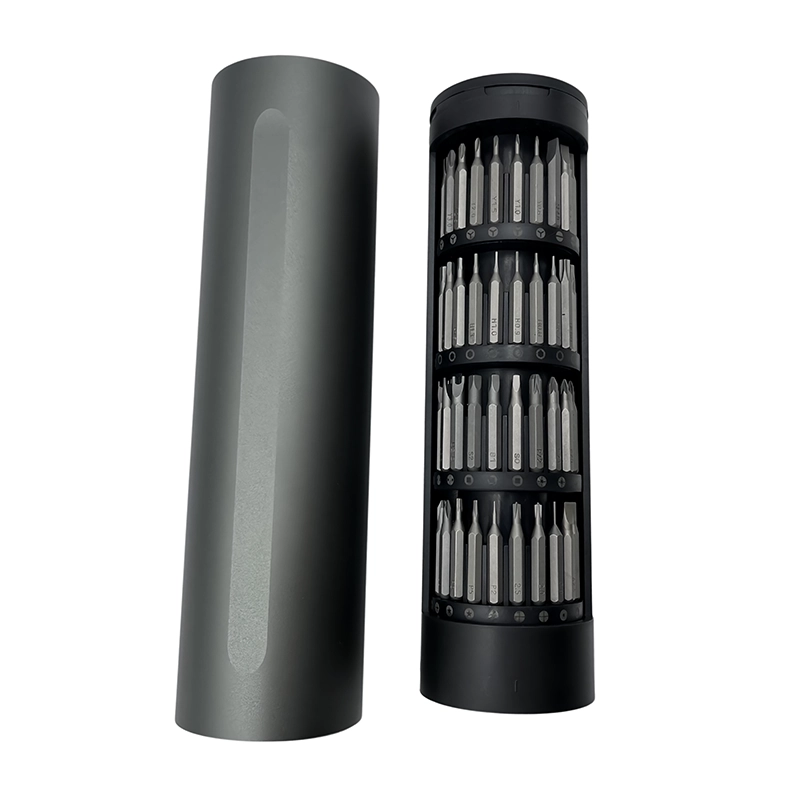 67-in-167-in-1 Electric Precision Screwdriver Set