

How do torque and RPM affect screw damage?
Torque and RPM affect screw damage in different ways. Too much torque can strip threads or deform the screw head, while excessive RPM can reduce control and increase slipping, heat, and impact when the screw seats.
The main risks are:
Excessive torque: can strip plastic threads, damage small screws, or crack delicate housings
Too little torque: may leave the screw loose or incompletely seated
Excessive RPM: increases the chance of cam-out and makes it harder to stop accurately when the screw reaches the final position
High RPM with high torque: creates the greatest risk of over-driving small screws
Poor bit fit: makes both high torque and high speed more likely to damage the screw head
Soft materials: plastic housings and small threaded inserts usually require lower torque
Small precision screws: benefit from lower speed and controlled torque
For electronics repair, we recommend using low torque and moderate speed first, then increasing only when necessary. Final tightening can be done manually when more precise control is required.
ToolQeen multi-stage precision electric screwdrivers provide 0.05, 0.15, 0.25, and 0.35 N·m torque levels, allowing the user to match the torque more closely to the screw size and material.
For OEM projects, ToolQeen can also adjust the torque range, RPM, automatic-stop behavior, motor, gearbox, and PCB control according to the target application.
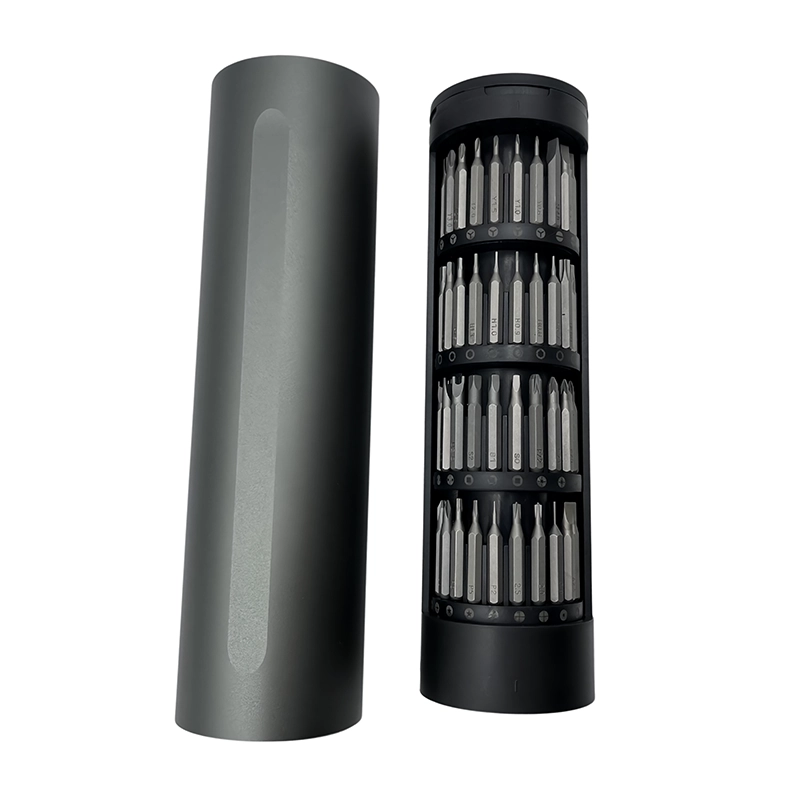 67-in-167-in-1 Electric Precision Screwdriver Set