
Screwdriver Set Buying Guide
Screwdriver Set Piece Count: A B2B Buyer Selection Guide
Use this screwdriver set piece count framework to match bits, handles and repair accessories to customer applications before sourcing an OEM or wholesale kit.
Quick Answer
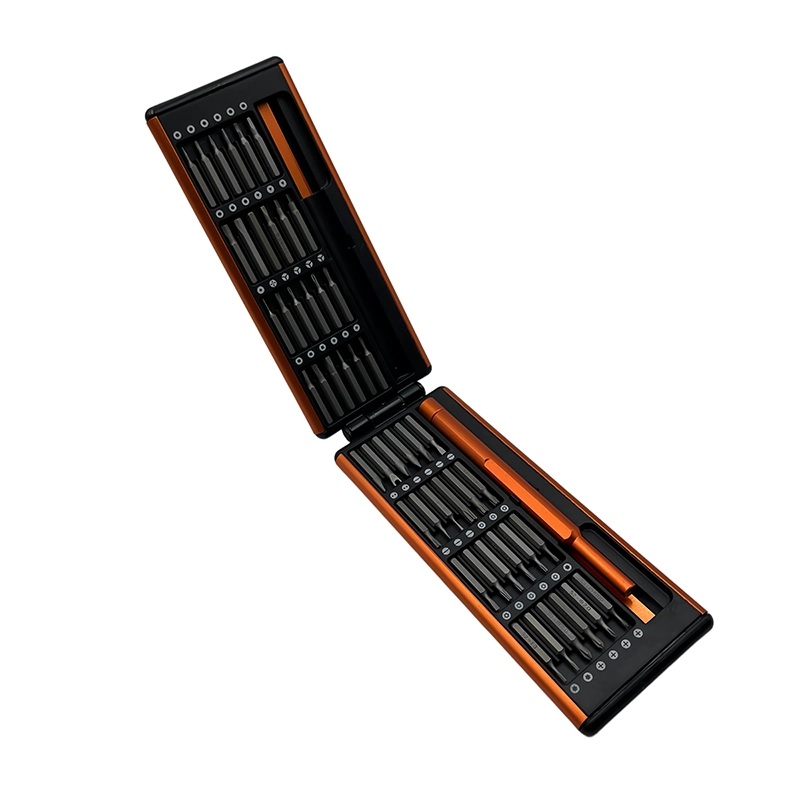
The right screwdriver set piece count is the smallest configuration that covers the buyer’s target devices, fastener profiles, working access and required repair accessories without irrelevant duplication. Count unique usable bits separately from handles, extensions and opening tools. For OEM sourcing, approve the exact component list and test representative screws before deciding whether a compact, balanced or extended kit fits the market.
Buyer Takeaways
- Choose the application and fastener matrix before choosing a piece-count headline.
- Separate unique bits from handles, extensions, opening tools and duplicate accessories.
- Confirm bit profiles, sizes, material and fit on representative screws during sample approval.
- Use compact, balanced or extended configurations to serve distinct buyers instead of one oversized kit.
What does screwdriver set piece count actually mean?
A screwdriver set piece count can describe every item in the case, not only the screwdriver bits. Depending on the supplier and configuration, the headline may include the handle, extension shaft, flexible extension, tweezers, opening picks, suction tool, magnetizer, cable or storage tray. Two sets with the same advertised count can therefore provide very different fastener coverage.
Ask for a line-by-line packing list that separates unique bit profiles and sizes from duplicate bits and non-driving accessories. This turns a marketing number into a configuration that procurement, product and quality teams can compare. The right set is not automatically the one with the highest number; it is the one whose usable components match the target repairs.
Build a device and fastener matrix first
List the devices or assemblies the customer is expected to service, then identify the fastener families, sizes, recess depth and access limits found in those applications. Smartphones, laptops, cameras, game consoles, eyewear and small appliances do not necessarily use the same mix. Product generations can also change fasteners, so confirm against current repair information or representative samples rather than relying on a generic device label.
The matrix should record whether each profile is essential, useful or unnecessary for the intended market. It should also note long-reach needs, extensions and non-screw tools required to open the device safely. This approach prevents a compact kit from missing one critical profile and prevents a large kit from adding many pieces that customers will rarely use.
Technical Explanation
Kit count and bit count are different specifications
Kit count may include the driver and every accessory, while bit count covers only interchangeable driving tips. Buyers should request both numbers and a complete component list.
- Record unique profiles and sizes separately from duplicates.
- Identify non-driving accessories and their intended use.
- Confirm bit length and extension requirements for recessed fasteners.
Correct bit fit matters more than assortment size
A bit should match the screw profile and fill the recess correctly. A large assortment does not reduce damage risk when the geometry, size, access or operator control is wrong.
Buyer Comparison
How to match screwdriver set scope to the buyer
| Configuration direction | Best fit | What the buyer should verify |
|---|---|---|
| Compact | Defined devices, mobile work and focused retail use | Every essential fastener is covered without unnecessary duplicates |
| Balanced | General electronics repair, distributors and broad consumer use | Common and security profiles, useful opening tools and organized storage |
| Extended | Repair benches, professional assortments and varied device categories | Additional profiles have a real use case and the larger case remains practical |
| Custom OEM | Brands with a defined market and product promise | Approved bit matrix, accessories, branding, packaging and substitution rules |
Count usable coverage, not repeated or irrelevant pieces
Review how many unique profiles and sizes the set supplies. Duplicate high-use bits can be valuable for service shops, but duplicates should be identified rather than presented as new coverage. Similarly, opening picks and tweezers may improve an electronics repair kit even though they do not turn screws. The buyer should decide whether the product promise is broad fastener coverage, a complete repair workflow or a compact everyday set.
Check identification and storage at the same time. Engraved or clearly labeled profiles, a logical tray and secure bit retention help users select and replace components. A kit that contains the correct bit but makes it difficult to find or remove can still create a poor working experience. Piece count, organization and field usability should be evaluated together.
Choose a compact, balanced or extended configuration
A compact configuration works when the device scope is narrow, portability is important and every included bit has a defined job. A balanced configuration suits retail or general electronics repair when buyers need several common and security profiles plus a practical set of opening accessories. An extended configuration is more appropriate when a service bench, broad repair range or professional assortment genuinely benefits from additional sizes, profiles and replacement pieces.
These are selection directions, not universal piece-count standards. A focused 12-piece set may be more useful for a defined task than a much larger case, while a professional repair operation may need an extended library. Compare the exact component list, storage size, weight, replacement plan and target selling price before choosing the assortment.
Decide between manual and electric screwdriver sets
Manual precision sets give the operator direct control and avoid battery or charging requirements. They can suit delicate work, occasional repair, low-price retail positions and kits where the bit assortment is the main value. Electric precision sets can improve repetitive removal and installation, but buyers must also evaluate torque behavior, speed, battery, charging, manual override and the space occupied by the powered driver.
Do not compare an electric and manual kit only by total pieces. First decide whether powered operation solves a real user problem. Then compare the bit coverage and accessories separately from the driver system. For a product range, a compact manual set, a balanced manual repair kit and an electric set may serve clearer customer segments than several products differentiated only by count.
Freeze the exact OEM configuration before production
For an OEM screwdriver set, attach the approved packing list to the quotation and sample record. Identify each bit profile, size, length, material requirement and quantity, then list the handle, extensions, repair accessories, case, retail packaging, labels and manual. State whether substitutions require written approval. This prevents a familiar model name or headline count from hiding a configuration change.
Approve a physical sample against representative fasteners and the target use case. Check engagement, access, handle control, bit retention, tray organization, accessory completeness, artwork and packaging. Retain a controlled configuration or reference sample when practical. Final inspection can then confirm the actual set rather than checking only the number printed on the box.
Applications
Applications
Focused electronics repair
Select a compact or balanced set around a known group of phones, laptops, cameras or other devices.
Distributor assortment
Separate entry, general-repair and professional configurations with clear differences in coverage and workflow.
Private-label tool range
Build an approved component matrix that connects the product promise, target price, packaging and quality checks.
Project Flow
A six-step screwdriver set selection process
- 01
Application
Define devices, users, repair frequency and working environment.
- 02
Fasteners
Map profiles, sizes, access limits and high-use screws.
- 03
Configuration
Separate unique bits, duplicates, handles and repair accessories.
- 04
Sample
Test fit, access, control, storage and component completeness.
- 05
Approval
Freeze the packing list, material basis, artwork and packaging.
- 06
Inspection
Verify production against the approved sample and component list.
Things Buyers Should Check
Things Buyers Should Check
- ✓The target devices and user group are clearly defined.
- ✓Required fastener profiles, sizes and access conditions are mapped.
- ✓Unique bits are separated from duplicates and non-driving accessories.
- ✓Bit material, geometry, length and identification are confirmed.
- ✓Manual or electric operation matches a real customer need.
- ✓The case keeps every component secure, visible and practical to remove.
- ✓The approved packing list controls quotation, sample and production.
- ✓Representative screws are tested before bulk approval.
Common Buyer Mistakes
Common Buyer Mistakes
Buying the largest number
Extra pieces can increase size and cost without improving the target repairs.
Select against a device and fastener matrix.Treating every piece as a bit
Two equal-count kits may provide different fastener coverage.
Request separate bit, tool and accessory counts.Ignoring access and fit
The nominally correct profile may not seat or reach the actual screw.
Test representative fasteners and recessed locations.Approving only box artwork
A component substitution can change performance while the headline count remains unchanged.
Approve and inspect the complete packing list.Which Option Should You Choose?
Which Option Should You Choose?
Use a balanced configuration with a clearly stated application range.
Clear coverage helps sales teams explain the product and limits assortment overlap.
Build the kit around a controlled bit and accessory matrix.
The matrix protects the intended product position through quotation and production.
Prioritize usable profiles, replacements and organization over the headline count.
Daily work depends on fast access and repeat use of the correct bits.
Make every included component and target application visible in the listing.
A precise contents list sets clearer expectations than a large count alone.
Frequently Asked Questions
Frequently Asked Questions
How many pieces should a precision screwdriver set have?
There is no universal number. Choose the smallest set that covers the required fastener profiles, sizes, access conditions and repair accessories for the target devices, then verify the exact contents on a sample.
Does screwdriver set piece count equal the number of bits?
Not always. The advertised count may include the handle, extensions, tweezers, opening tools, magnetizer, cable, case components or duplicate bits. Ask for separate bit and accessory counts.
Is a larger screwdriver set better for electronics repair?
Only when the additional profiles and sizes match real repair tasks. A larger set can improve coverage, but it can also add irrelevant pieces, weight, storage size and cost.
Which screwdriver bits are commonly needed for electronics?
Phillips, slotted, Torx and device-specific security profiles are commonly considered, but the required sizes vary by device and generation. Build the final list from current repair information or representative fasteners.
Should an OEM buyer specify S2 or CR-V bits?
Material can be specified when it supports the application and price position, but material name alone is insufficient. Buyers should also confirm geometry, hardness target, heat-treatment basis and fit on representative screws.
How should a screwdriver set sample be approved?
Check every listed component, bit identification, engagement, access, handle control, tray retention, accessories, artwork and packaging. Record the approved component list and any allowed substitutions before production.
Final Buyer Recommendation
Choose the screwdriver set by verified fastener coverage and user workflow, then freeze the exact component list—not only the headline piece count.
Related Products
Related Products
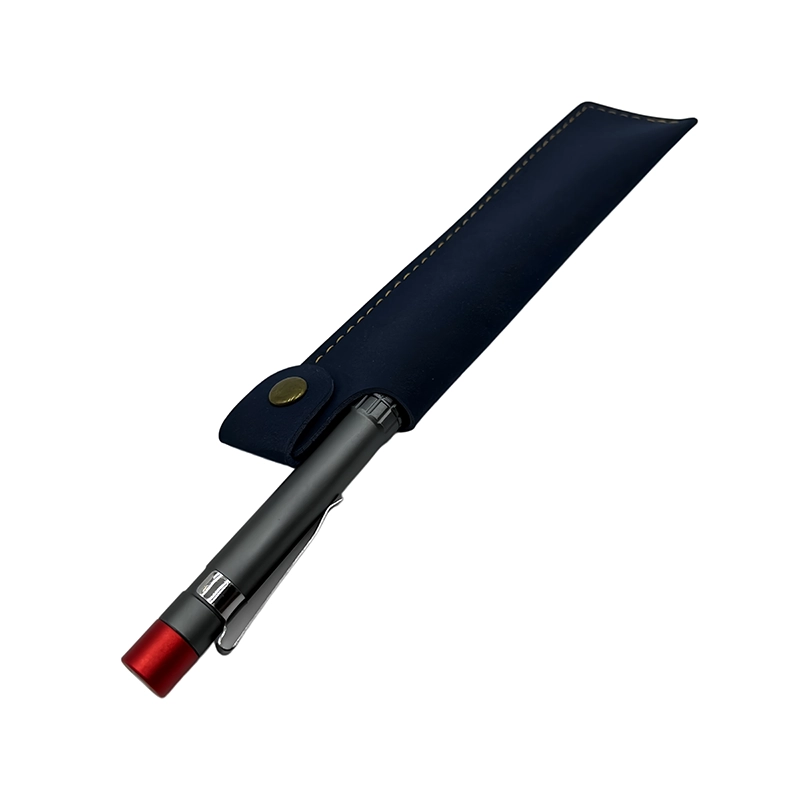
12-in-1 Manual Precision Screwdriver Set
Manual precision repair kit for electronics maintenance, workshops and retail ranges.
View product ↗49-in-1 Manual Precision Screwdriver Set
Manual precision repair kit for electronics maintenance, workshops and retail ranges.
View product ↗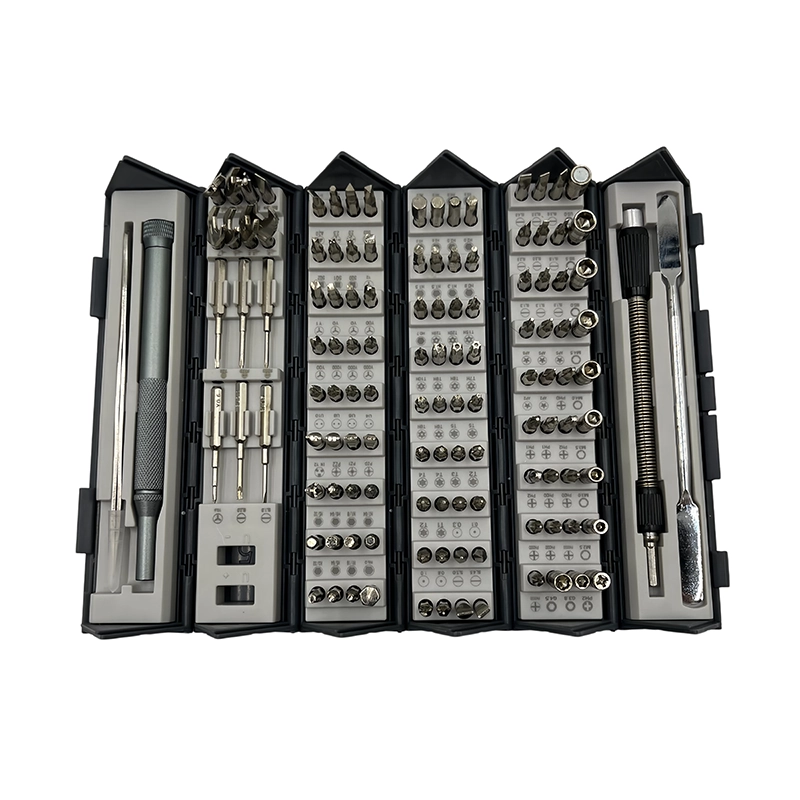
128-in-1 Manual Precision Screwdriver Set
Manual precision repair kit for electronics maintenance, workshops and retail ranges.
View product ↗