
Precision Electric Screwdriver Manufacturer Guide: How OEM Buyers Evaluate Quality, Engineering, And Production Capability
Quick Answer
A reliable precision electric screwdriver manufacturer should provide torque accuracy within ±10%, S2 steel bits with 58–62 HRC hardness, OEM and ODM capabilities, multi-stage quality inspections, and stable production capacity. Buyers should evaluate engineering support, manufacturing consistency, lead times, and quality control systems before selecting a supplier.
The Real Problem OEM Buyers Face
Many distributors and tool brands focus heavily on pricing when selecting a supplier. However, the most expensive problems usually appear after products reach customers. Common issues include stripped screws, unstable torque output, weak magnetic bits, battery failures, and inconsistent product quality.
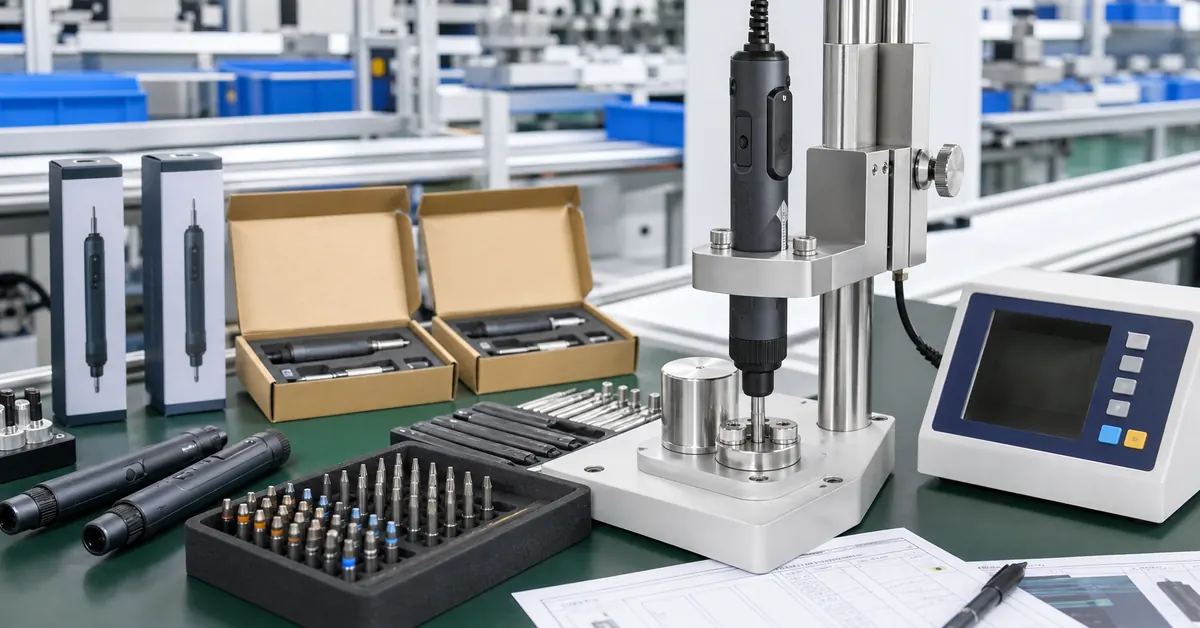
At ToolQeen, we help OEM customers reduce these risks through engineering validation, precision manufacturing, torque calibration, and multi-stage quality inspections.
What Is A Precision Electric Screwdriver Manufacturer?
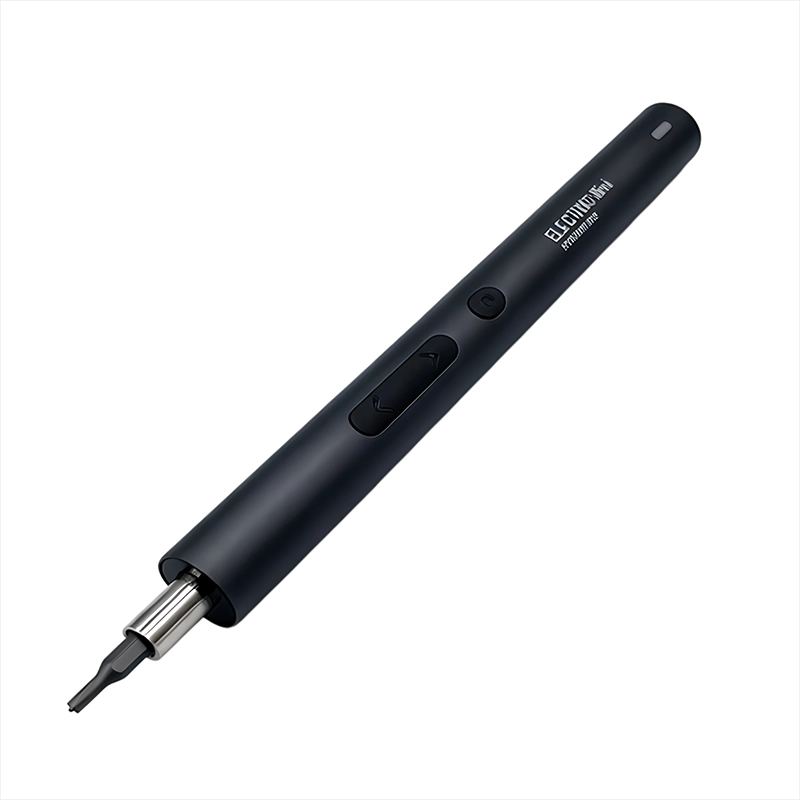
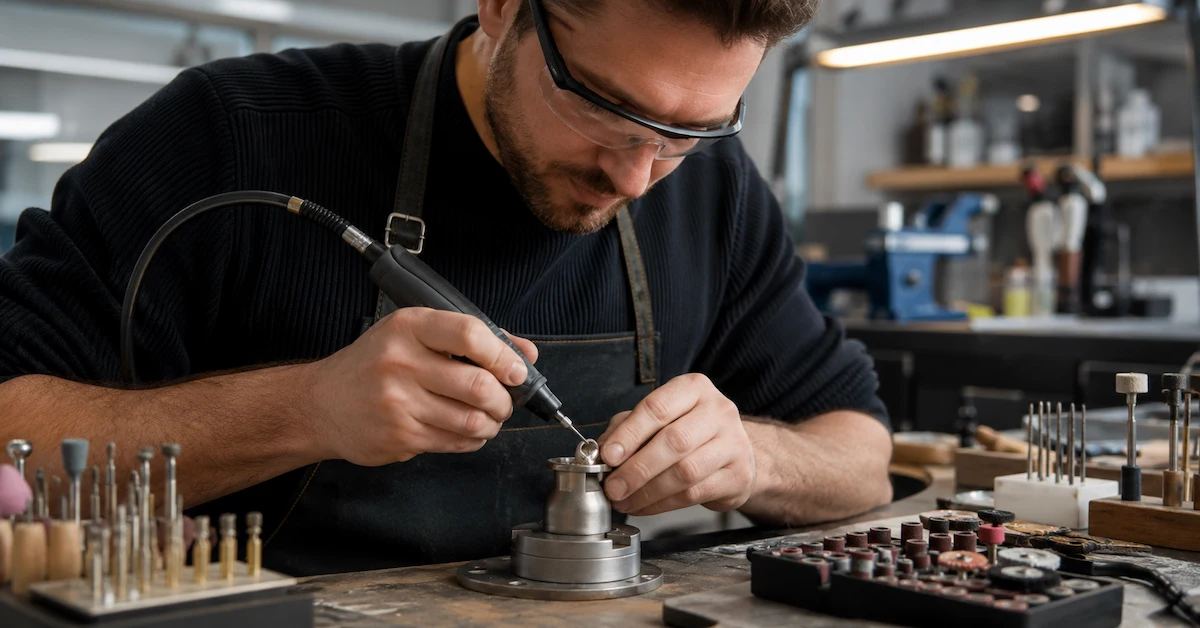
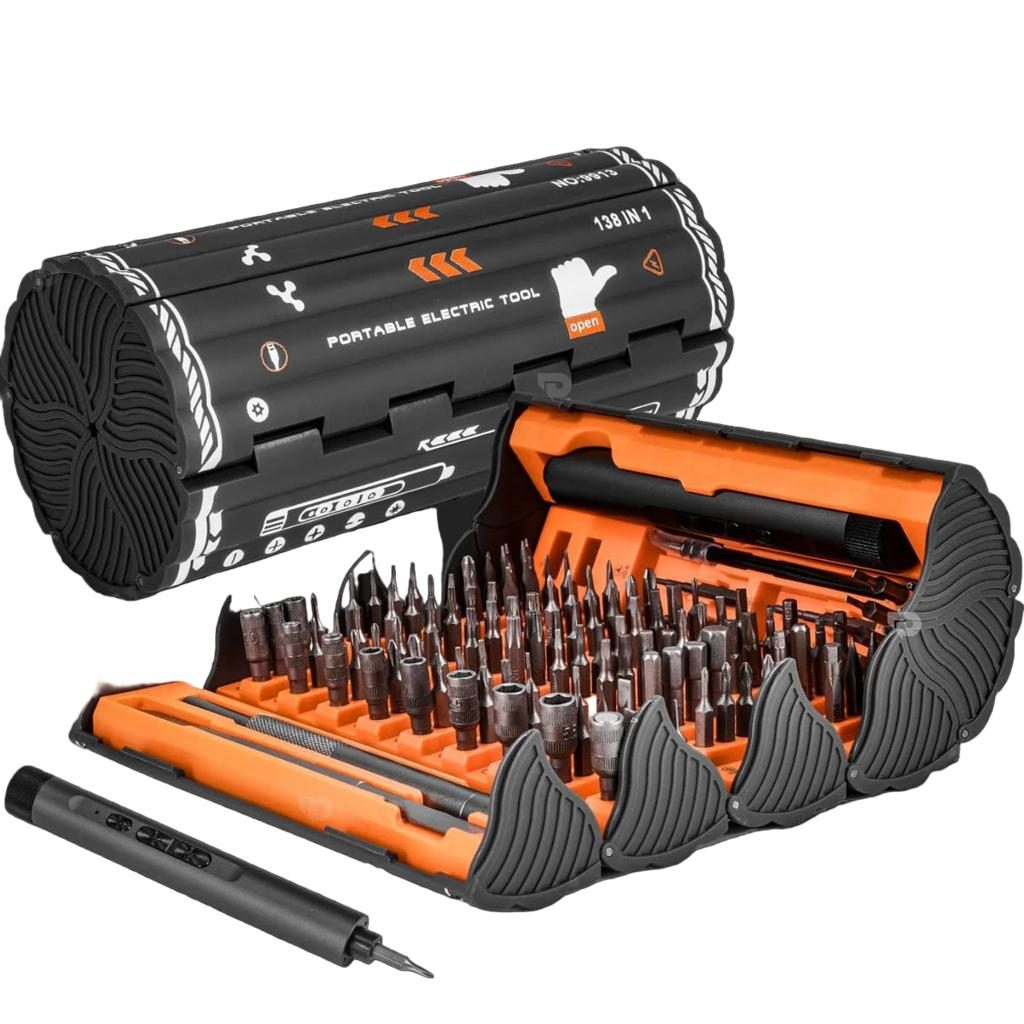
A precision electric screwdriver manufacturer develops, assembles, tests, and supplies low-torque electric fastening tools designed for electronics repair and precision assembly applications.
Typical applications include smartphone repair, laptop repair, PCB assembly, camera maintenance, drone repair, and smart device manufacturing.
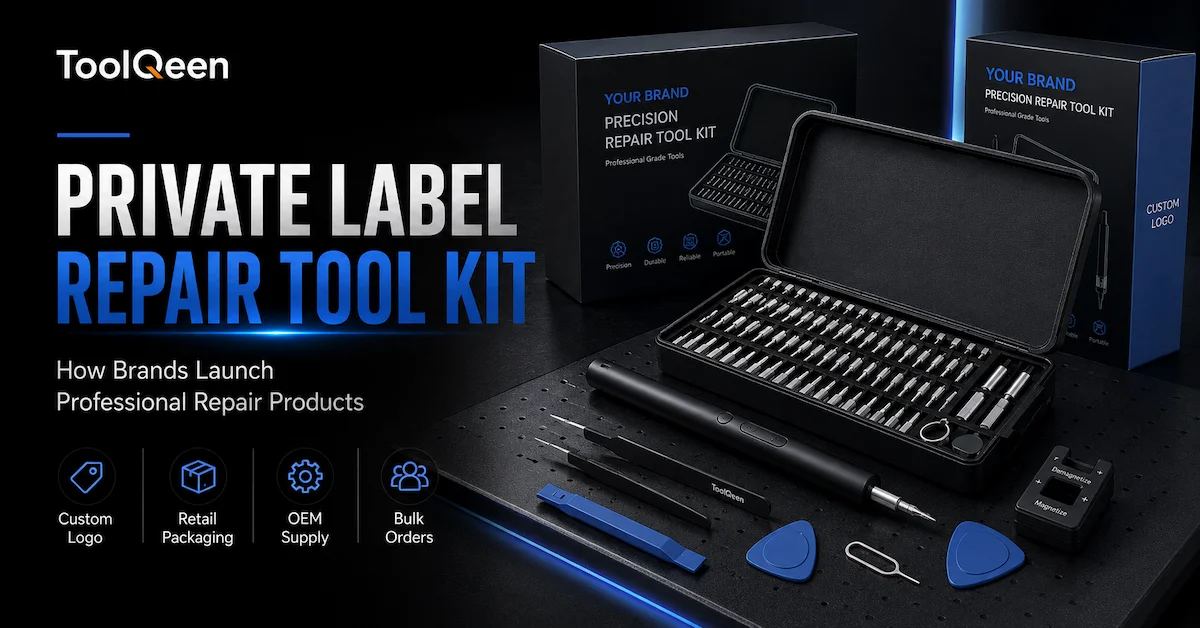
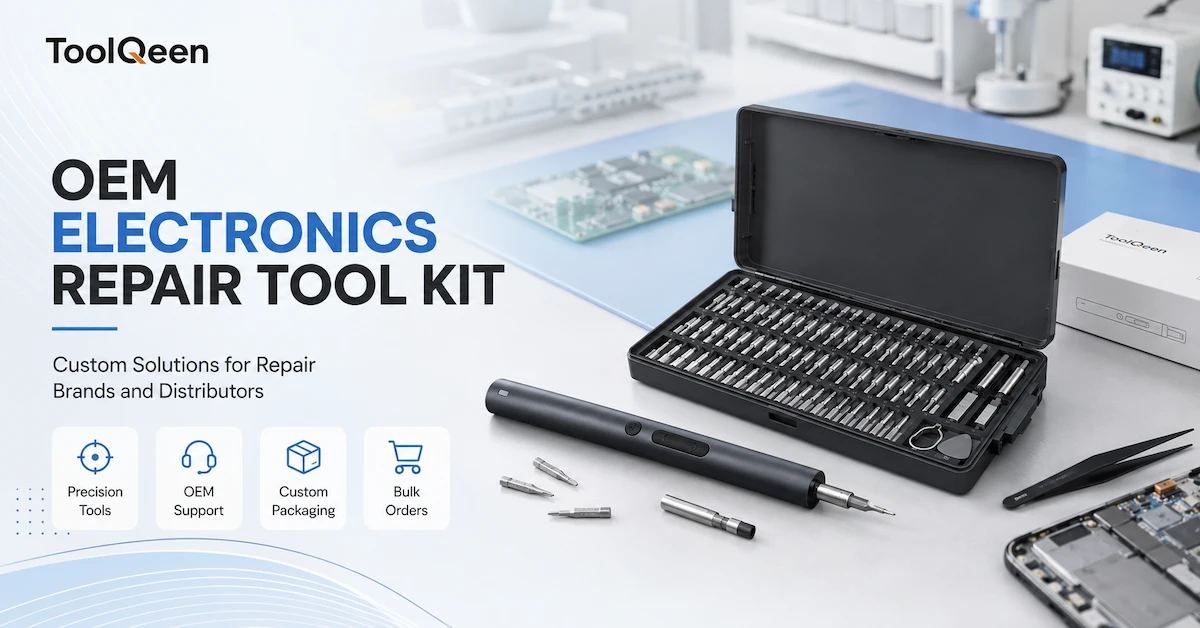
A qualified manufacturer should support OEM branding, ODM development, packaging customization, and long-term supply stability.
Why Manufacturing Quality Problems Happen
Most quality issues originate from five factors:
- Low-quality bit materials
- Poor heat treatment
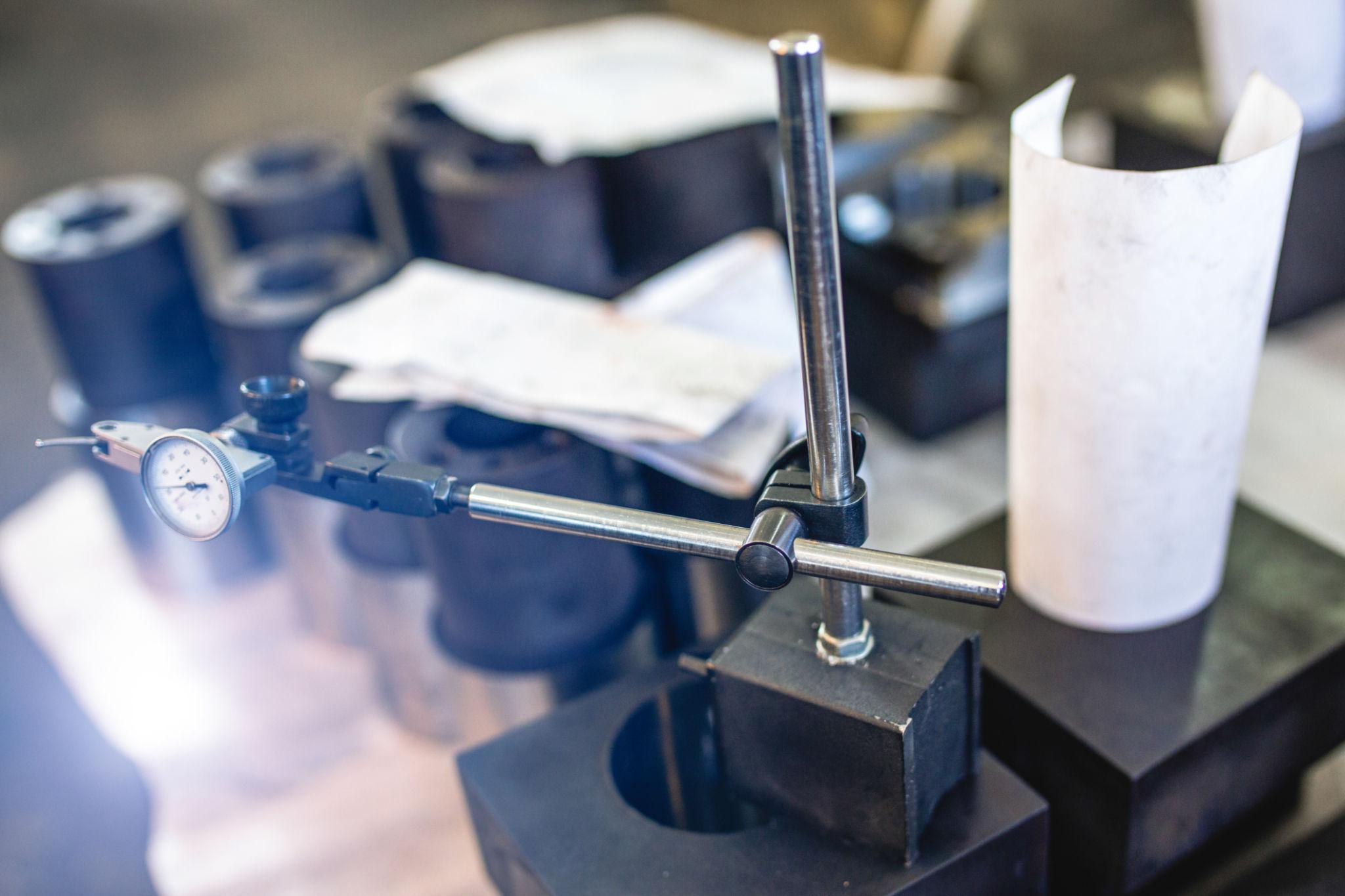
- Inconsistent torque calibration
- Battery instability
- Weak QC procedures
According to industry practices referenced by IPC and UL, manufacturing consistency is often more important than headline specifications.
Engineering Principles That Influence Performance
S2 Steel Bits
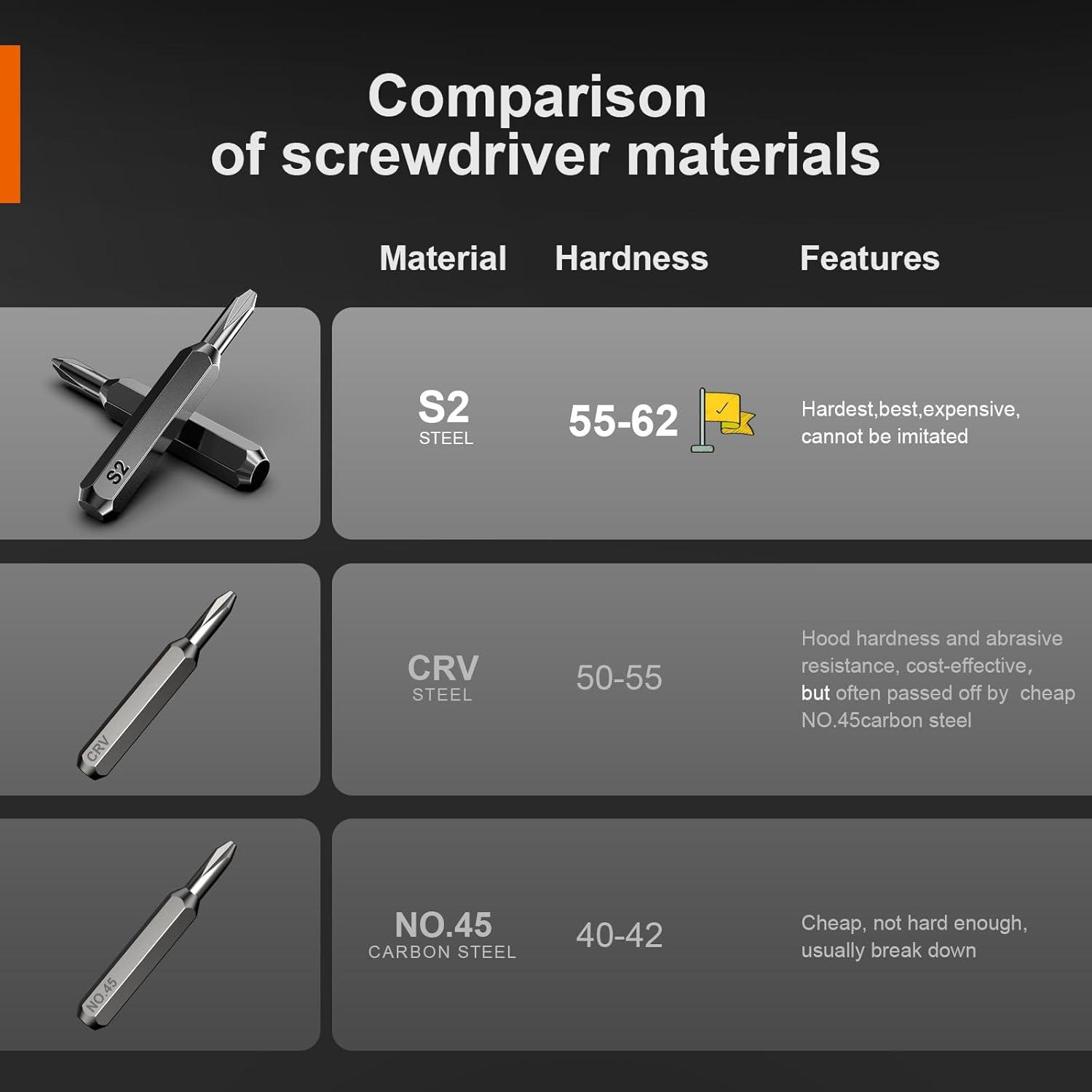
Most professional-grade precision screwdrivers use S2 steel bits.
Typical hardness:
58–62 HRC
Benefits include:
- Improved wear resistance
- Better torque transfer
- Longer service life
- Reduced deformation
Torque Accuracy
| Application | Recommended Torque |
|---|---|
| Smartphone Repair | 0.2–0.35 N·m |
| Laptop Repair | 0.3–0.5 N·m |
| PCB Assembly | 0.2–0.4 N·m |
| Camera Repair | 0.2–0.35 N·m |
Battery Performance
A reliable lithium battery system should provide:
- Stable voltage output
- Consistent runtime
- Overcharge protection
- Long cycle life
Standard Supplier VS Optimized Manufacturer
| Item | Standard Supplier | Optimized Manufacturer |
| Bit Material | Mixed Steel | S2 Steel |
| Hardness | 52–56 HRC | 58–62 HRC |
| Torque Calibration | Random Checks | Full Process Testing |
| Battery Validation | Basic Inspection | Aging Tests |
| QC Process | Final Check Only | Multi-Stage Inspection |
| OEM Capability | Limited | Full OEM & ODM |
Solution: From Manufacturing Challenges To Reliable Products
Problem: Premature bit wear.
Method: Use S2 steel materials combined with controlled heat treatment.
Result: Longer bit lifespan and improved fastening performance.
Problem: Stripped screws during electronics repair.
Method: Implement torque calibration testing during assembly.
Result: Reduced screw damage and improved repair efficiency.
Technical Parameter Table
| Parameter | Specification |
|---|---|
| Electric Torque | 0.2–0.5 N·m |
| Manual Torque | Up To 5 N·m |
| Bit Material | S2 Steel |
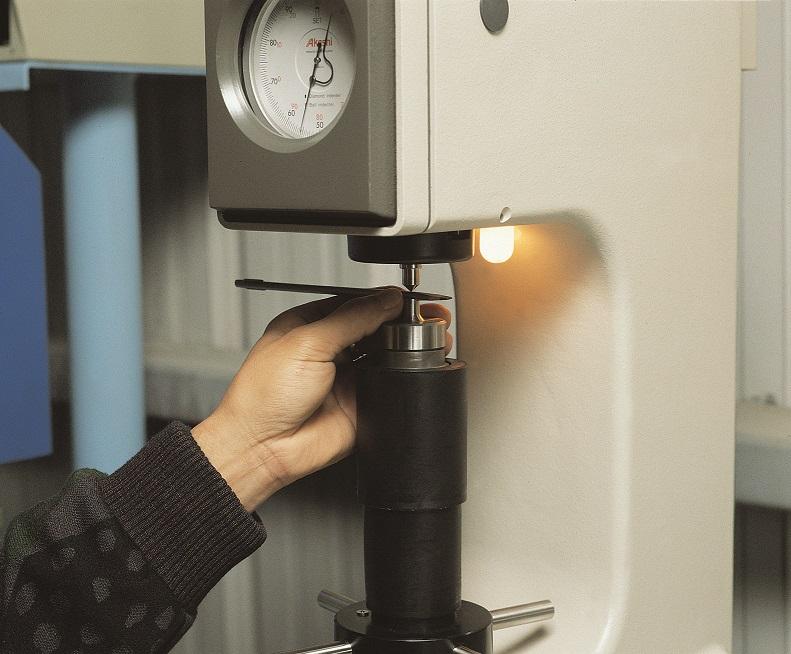
| Bit Hardness | 58–62 HRC |
| Battery Capacity | 350 mAh |
| Voltage | 3.7V |
| Charging Time | 70 Minutes |
| Runtime | 90 Minutes |
| Speed | 170 RPM |
Production Performance Data
| Metric | Standard Production | Optimized Production |
| Yield Rate | 95% | 98.5% |
| Rework Rate | 4.5% | 1.2% |
| Lead Time | 15–20 Days | 10–15 Days |
| Batch Consistency | Medium | High |
| Warranty Claims | Higher | Lower |
Case Study
A repair tool distributor in Germany experienced repeated complaints regarding damaged laptop screws.
After switching to a precision electric screwdriver manufacturer using S2 steel bits and full-process torque testing, customer complaints decreased significantly and repeat orders increased during the following purchasing cycle.
Application Scenarios
- Smartphone Repair
- Laptop Repair
- PCB Assembly
- Camera Maintenance
- Drone Repair
- Electronics Manufacturing
- Tool Distribution
- OEM Projects
Buying Checklist
✓ OEM capability
✓ ODM capability
✓ Torque testing process
✓ Bit material quality
✓ Production capacity
✓ MOQ requirements
✓ QC inspection procedures
✓ Packaging customization
Who Should Buy
- Electronics repair brands
- Tool distributors
- Industrial distributors
- Amazon sellers
- OEM buyers
Who Should Avoid
- One-time DIY users
- Ultra-low-budget projects
FAQ
What is the most important factor when choosing a precision electric screwdriver manufacturer?
Manufacturing consistency, torque accuracy, and quality control are usually more important than advertised specifications.
Are S2 steel bits better than CRV bits?
For precision repair applications, S2 steel generally provides better hardness and wear resistance.
What torque is recommended for electronics repair?
Most applications require 0.2–0.5 N·m depending on the device.
What is a typical OEM MOQ?
Most projects start from 500 PCS for standard products.
How long does OEM production take?
Typical lead times range from 10–15 days.
What services should an OEM manufacturer provide?
Engineering support, logo customization, packaging customization, quality testing, and stable production capacity.
References
IPC, UL Solutions, IEEE, and ISO standards provide useful guidance on manufacturing quality and product reliability.
About ToolQeen
ToolQeen, operated by Shenzhen ToolQeen Technology Co., Ltd., specializes in precision electric screwdrivers, repair tool kits, and OEM/ODM manufacturing solutions for distributors, wholesalers, and repair professionals worldwide.
Explore Our Products
https://www.toolqeen.com/products