
Electric screwdriver torque
Electric Screwdriver Torque Testing Method for Production Quality Control
Use an electric screwdriver torque testing method that links accuracy, repeatability, calibration, preset control and production acceptance to the approved model and fixture.
Quick Answer
An electric screwdriver torque testing method is useful only when the buyer defines the exact model, torque mode, fixture, bit, fastener condition, test sequence and acceptance rule. Accuracy, repeatability, calibration status and auto-stop behavior should be recorded as separate checks rather than treated as one generic torque claim.
Buyer Takeaways
- State the selected model and operating mode before asking for a torque result.
- Use a defined fixture and representative fastening condition for repeatability checks.
- Keep tester calibration, test method and acceptance rule together in the record.
- Separate powered torque, manual override and auto-stop behavior in the approval plan.
Define the torque question before choosing the tester
Torque testing starts with the fastening task. Identify the selected electric screwdriver configuration, bit, fastener, joint material and operating mode, then decide whether the buyer needs a powered-output check, a repeatability study, a preset stop review or a manual-override check. A single display value cannot answer all of those questions.
The test record should preserve the setup. If the bit, battery condition, screw or fixture changes, the comparison may no longer be meaningful. This is especially important for a precision tool where a small change in the joint can alter the observed result.
Measure accuracy and repeatability as different risks
Accuracy asks how the observed result relates to an agreed target under a defined method. Repeatability asks whether successive results remain controlled under the same conditions. Both are relevant, but they lead to different corrective actions when a sample or production check does not meet the agreed requirement.
Buyers should request the target, tolerance, number of repetitions, fixture condition and result format before accepting a conclusion. The right acceptance rule is order-specific and should be approved with the selected model rather than borrowed from another product.
Technical Explanation
Evidence requirement
Request evidence tied to the exact configuration and intended buyer decision.
- Confirm the selected model or kit configuration before reviewing a claim.
- Use a documented sample method and retain the result with the approval record.
- Escalate any change that could affect buyer acceptance before bulk release.
Buyer Comparison
Torque evidence by decision
| Buyer question | Controlled input | Record to request |
|---|---|---|
| Is output near the agreed target? | Target, tolerance, model and fixture | Accuracy result with method |
| Does the driver behave consistently? | Repeat count and identical condition | Repeatability result |
| Is the tester suitable? | Instrument range and verification status | Tester and fixture record |
| Does auto-stop meet the brief? | Mode and representative fastener | Function-test result |
Control the test method, fixture and calibration status
A torque tester supports a decision only when the measurement route is controlled. Confirm the tester range is appropriate, the fixture matches the intended joint, the bit is seated correctly and the test sequence is recorded. Calibration or verification status should be available for the instrument used in the agreed test.
For supplier comparison, ask each party to describe the method rather than submitting an isolated number. This produces evidence that can be reviewed by engineering or quality teams and makes an apparent difference easier to investigate.
Verify preset and auto-stop behavior on the chosen configuration
Where a project depends on preset torque or an auto-stop function, test the behavior in the intended mode and on representative fasteners. Record the release point, any manual finishing step and the condition that counts as a pass. Do not assume that a function name proves the same operating result across configurations.
A sample approval should identify whether the tool is used for loosening, fastening or both, because the verification sequence and risk can differ. The buyer can then align product instructions, customer expectations and production QC to the approved use.
Connect engineering checks to production acceptance
Production torque QC should use the same controlled specification that was agreed during sample approval. If the configuration changes, the evidence requirement should be reviewed before release. The plan can combine in-process verification, finished-product checks and an escalation route for deviations without claiming a universal test frequency.
For an import or OEM project, retain the method and the approved result with the order file. That gives the buyer a traceable basis for discussing any later variance and avoids reinterpreting a generic torque headline after goods are packed.
Things Buyers Should Check
Things Buyers Should Check
- ✓Confirm the current model or kit configuration.
- ✓Attach the target application, market and purchase scope.
- ✓Request evidence for the decisive technical or commercial question.
- ✓Approve the sample and related pack-out against one version-controlled record.
- ✓Review changes before production and shipment release.
Frequently Asked Questions
Frequently Asked Questions
What is the difference between torque accuracy and torque repeatability?
Accuracy compares a measured result with an agreed target; repeatability compares repeated results under the same controlled conditions.
Can one torque test apply to every screwdriver model?
No. The model, mode, bit, battery condition, fixture and fastening task must be defined for the test to be useful.
Why does fixture design matter?
The fixture determines how the tool and joint are loaded. A different fixture can produce a result that is not comparable with the approval test.
Does a torque tester prove auto-stop performance?
It can support that assessment only when the auto-stop mode, target condition and acceptance method are defined and tested together.
What should be retained after sample approval?
Retain the model configuration, test method, target or tolerance, test evidence, approved sample status and any production acceptance instruction.
Final Buyer Recommendation
Use this guide to structure the next buyer decision for electric screwdriver torque testing method. Confirm the exact product configuration, target market and order conditions in the RFQ or sample-approval record before committing production.
Related Products
Related Products
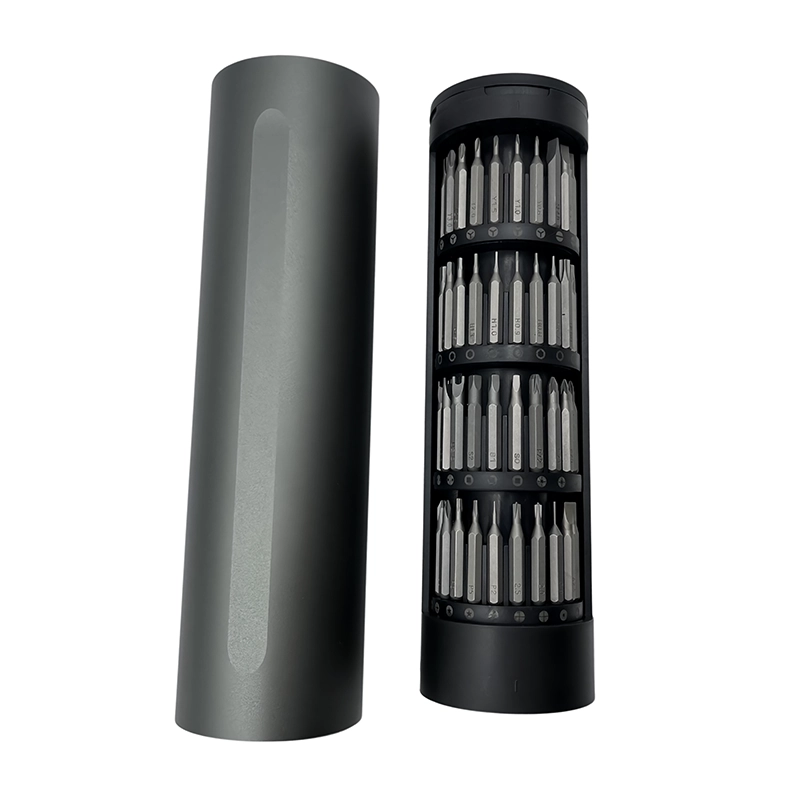
67-in-1 Electric Precision Screwdriver Set
Rechargeable precision system for smartphones, laptops, cameras and small electronics.
View product ↗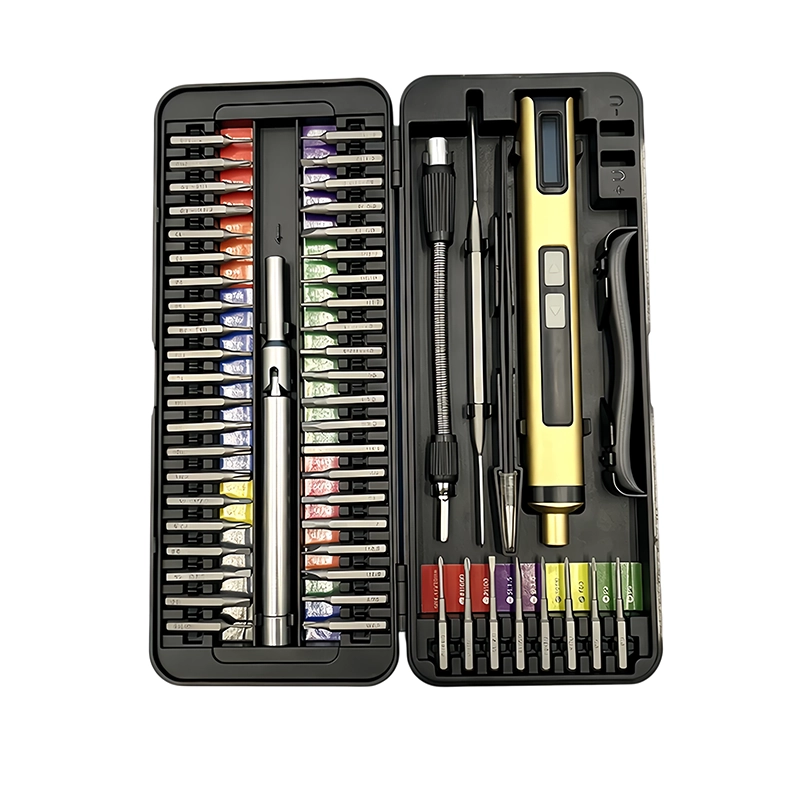
58-in-1 Electric Precision Screwdriver Set
Rechargeable precision system for smartphones, laptops, cameras and small electronics.
View product ↗