
OEM & Private Label
OEM Electric Screwdriver Packaging for European Repair Brands
OEM electric screwdriver packaging for European repair brands should be approved as one controlled set: tool, bit layout, labels, manual, carton protection and market checks.
Quick Answer
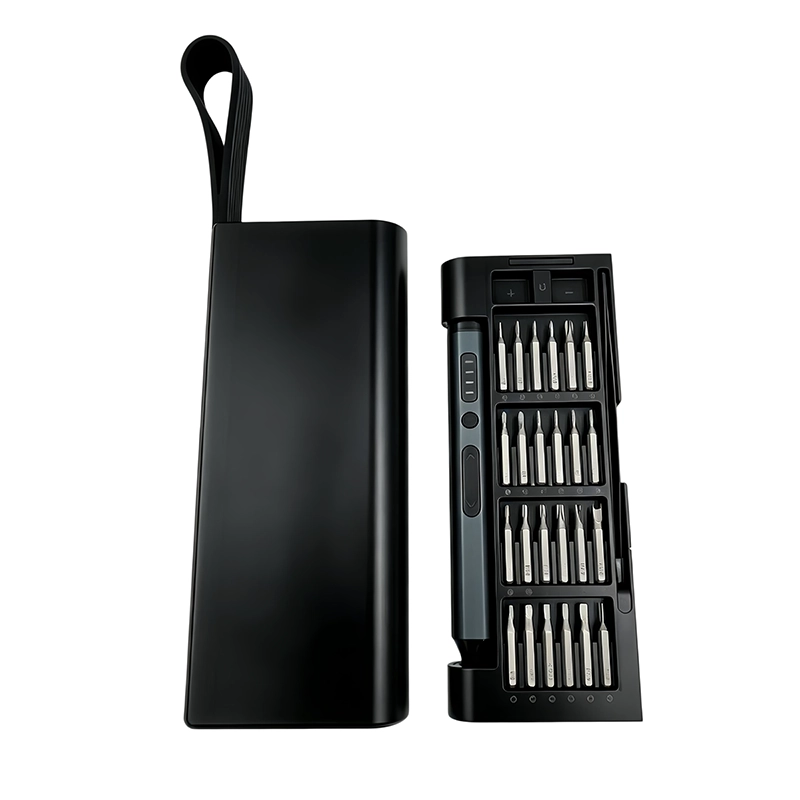
OEM electric screwdriver packaging should be approved as one controlled retail and service set, not as artwork added after the tool sample. For European repair brands, review the case layout, bit identification, manual languages, warning space, barcode position, carton protection and document checklist for the exact target market before production.
Buyer Takeaways
- Freeze the tool, bit map, case, labels, manual and carton as one approved revision.
- Use the real repair workflow to decide what the case must make easy to find and replace.
- Keep market document and labelling questions tied to the exact model and destination, not a generic product family.
- Inspect the final pack-out, not only the loose tool or printed artwork.
Start with the repair workflow, not the box artwork
A European repair brand normally needs packaging to do more than present a tool attractively. It must help a purchaser understand the set, help an operator find the correct bit and help a warehouse check that the received configuration matches the approved sample. Start the OEM electric screwdriver packaging brief with the target devices, the high-use fastener profiles, the expected service environment and the parts that need clear identification.
That brief prevents a common gap: a tool sample is approved with one useful arrangement, while the eventual case uses a different sequence, missing labels or a generic insert. Treat the packed set as the product being approved. The platform, bit list, extension, charging components, case positions and printed materials should all trace back to the same controlled configuration.
Turn the bit layout into a usable service instruction
A large piece count is not a substitute for a clear case map. Group high-use bits where a technician can identify them quickly, distinguish similar profiles and sizes, and show where each item returns after use. If the target repair mix includes security or long-reach profiles, record the exact geometry and reach in the packing list rather than relying on a broad category name.
The manual and insert should support the same workflow. They can explain the intended tool contents, safe handling notes and the process for checking a missing item, but they should not promise device compatibility or market approvals that have not been verified for the final model. Use the approved sample to check that all printed item names and visual callouts match the physical set.
Technical Explanation
Packaging control depends on configuration control
A case, insert and manual can only guide the user correctly when the approved tool and bit configuration are stable. Keep each visible item tied to the same revision-controlled packing list used for sample approval.
- Match every visible bit position to an approved item name, size and quantity.
- Record platform changes separately from logo, artwork and carton changes.
- Review final artwork only after the physical sample configuration is confirmed.
Destination questions belong in the RFQ
Language, label and document checks should be evaluated for the exact model, destination and sales channel. A generic family description is not evidence that a specific packed configuration is ready for a given market.
Separate platform changes from packaging changes early
A new logo, insert colour, case artwork or retail carton may be a packaging scope. A changed bit configuration, charging arrangement, switch marking or tool body can affect the product specification and needs a separate review. Keeping these paths distinct makes the quotation easier to compare and reduces the risk of a cosmetic revision silently changing the working set.
For each requested change, record the approved platform model, the proposed packaging component, the artwork revision, the language requirements, the sample needed and the date at which changes are frozen. This gives the brand a practical change-control record for repeat orders and avoids asking production to infer which earlier version should be followed.
Check market-facing information against the exact model
European destinations can require different language, labelling and documentation considerations. The useful procurement question is not whether a generic catalogue statement exists; it is which information, markings and document checks apply to the exact configuration, destination and sales channel. Put those questions in the RFQ and confirm them before artwork is released.
Also review what the packaging does not say. Avoid unverified performance, compatibility, certification or durability statements. If a buyer needs a particular claim or document, request it for the final model and target market, then keep the approved evidence with the packaging revision rather than copying an assumption from a previous project.
Approve the final pack-out before production release
The final approval should be a complete set: tool, bits, accessories, case, insert, retail box, labels, manual and outer-carton marks. Compare every item with the controlled packing list, then run a short handling check: can the case be opened, the working bits found, the set closed, and the printed information read without ambiguity?
Keep photos of the approved pack-out, the artwork revision and the list of inclusions with the project record. Before a repeat order, confirm whether the model, contents, label rules, languages, carton assumptions or target market have changed. That simple review is more useful than treating packaging as a one-time design task.
Project Flow
From repair-brand brief to approved OEM pack-out
- 01
Application brief
Define the repair workflow, high-use bits, target countries and sales channel.
- 02
Platform and contents
Confirm the proposed screwdriver platform, accessory list and case layout.
- 03
Artwork scope
Review logo, insert, manual, labels and carton requirements as named revisions.
- 04
Complete sample
Inspect the functional set and all printed and packed components together.
- 05
Production release
Freeze the approved configuration, pack-out reference and change-control rules.
Things Buyers Should Check
Things Buyers Should Check
- ✓List the target repair tasks and high-use screw profiles before choosing the bit layout.
- ✓Name every physical item, case position and quantity in the approved packing list.
- ✓Mark which requests are platform changes and which are packaging-only changes.
- ✓Specify the target market, manual languages, label needs and sales channel in the RFQ.
- ✓Review claims, marks and document requests for the exact model rather than a generic family.
- ✓Approve a complete set, including case, insert, manual, retail box and carton marks.
- ✓Keep the final configuration and artwork revision with the production approval record.
Practical tool
Copy this OEM electric screwdriver packaging brief
Replace the brackets with project details and send the same brief with product samples or reference photographs.
Target repair applications: [devices and high-use fasteners]
Tool platform: [model or required functions]
Approved bit and accessory list: [size, profile, reach and quantity]
Case and insert: [layout, colour, labels and item positions]
Branding: [logo method, artwork files and revision]
Manual: [languages, required content and version]
Retail box and carton: [dimensions, label fields, barcode and shipping marks]
Target market and channel: [countries / retail / distributor / service]
Document and claim checks: [for exact model and destination]
Sample acceptance: [complete pack-out photos and physical inspection]
Quantity and timing: [sample / first order / forecast]
Frequently Asked Questions
Frequently Asked Questions
What should OEM electric screwdriver packaging include for a repair brand?
It should identify the approved tool, working bits, accessories, case positions, printed information and carton assumptions. Build the contents around the brand's real repair workflow, then check the final packed sample against the same controlled list.
Should the case layout be approved with the tool sample?
Yes. The case layout affects how buyers and technicians identify, store and replace the working items. Approving it with the tool sample helps reveal missing, duplicated or poorly labelled pieces before production release.
Which changes need a new product review rather than only new artwork?
A changed bit configuration, charging arrangement, tool marking or component can affect the product specification. Separate those from logo, insert colour and carton-artwork changes, then define the sample and approval needed for each change.
How should a European buyer handle language and labelling questions?
State the destination countries and sales channel in the RFQ, then review the exact model, configuration and packaging revision with the relevant information and document checks. Avoid relying on a generic product-family statement.
Can ToolQeen review private-label packaging for an existing electric screwdriver platform?
ToolQeen can review the requested configuration, logo, case, manual and carton scope for an existing platform. Send the target market, quantity, artwork, required contents and sample expectations so the scope can be evaluated clearly.
What is the final packaging approval check before production?
Compare the complete packed set with the approved list: tool, bits, accessories, case, insert, labels, manual, retail box and carton marks. Keep the related photos and revision identifiers with the project record.
Final Buyer Recommendation
For a European repair brand, approve the complete packaged configuration as one controlled revision and keep market-specific questions attached to the exact tool model.
Related Products
Related Products
53-in-1 Electric Precision Screwdriver Set
Rechargeable precision system for smartphones, laptops, cameras and small electronics.
View product ↗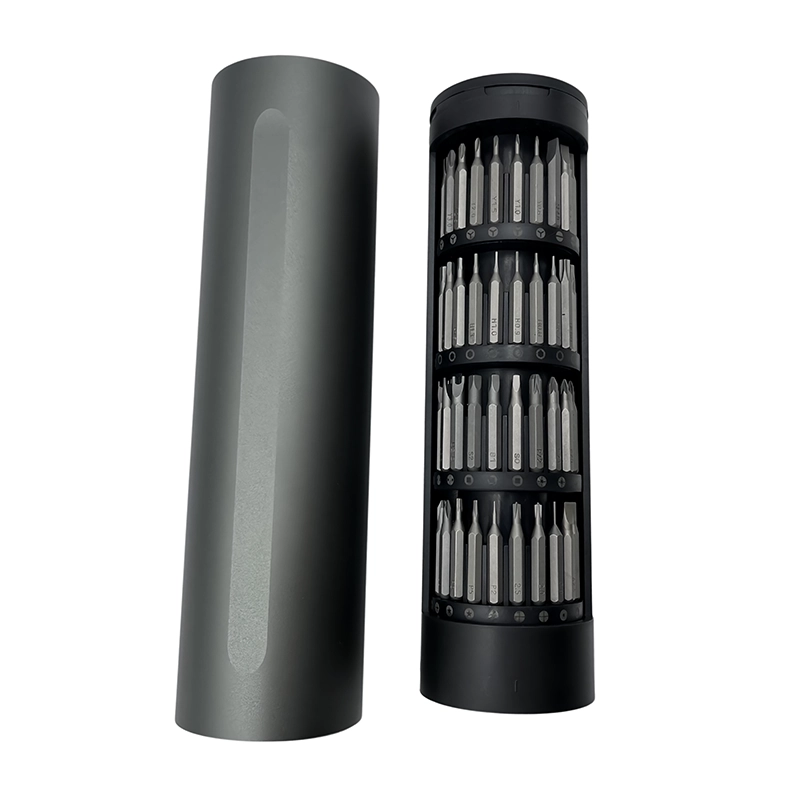
67-in-1 Electric Precision Screwdriver Set
Rechargeable precision system for smartphones, laptops, cameras and small electronics.
View product ↗