
Ratchet screwdriver set
Configuring a ratchet screwdriver set for the target repair or DIY use
Configure a ratchet screwdriver set for the target repair or DIY use with a task-led bit matrix, access review, case layout and sample approval plan.
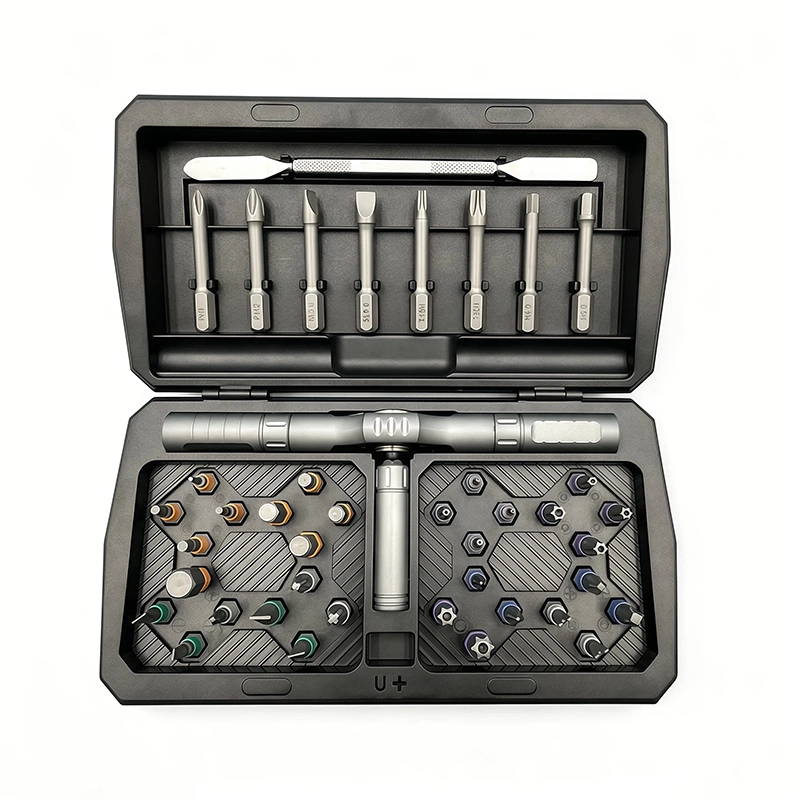
Quick Answer
A ratchet screwdriver set for the target repair or DIY use should be configured from a task-led bit matrix, not a generic assortment. Define the fasteners, reach, ratchet direction, handle use, accessory needs, storage and customer instructions, then approve the complete set on representative tasks before bulk ordering.
Buyer Takeaways
- Anchor ratchet screwdriver set for the target repair or DIY use to the exact product configuration and target use.
- Request evidence that states the method, condition, reviewer and decision supported.
- Keep the approved sample, specification and pack-out under one controlled version.
- Escalate material product, document or packaging changes before production release.
Build a configuration brief from task frequency
List the repair or DIY tasks the set must cover and rank them by frequency and commercial importance. For each task, identify fastener profiles, size range, access constraints and any required extension or specialty bit. This produces a useful core assortment rather than a collection of arbitrary pieces.
For a private-label range, use the task map to decide which profiles deserve clear labels, replacement consideration or prominent packaging references.
Select the ratchet and handle format
Choose a ratchet mechanism and handle arrangement that fit the intended manual use. Consider swing arc, direction changes, grip, storage and how the set will be used in a bench, home or mobile setting. Evaluate the sample on real positions rather than only turning a free fixture.
A tool with the right bit profiles can still be a poor configuration if the handle is too large for the access requirement or the direction control is hard to use.
Decision evidence
Evidence requirement
A configuration checklist for bit profiles, torque or speed, access constraints, accessories, case layout and user safety.
- Confirm the selected model or kit configuration before reviewing a claim.
- Use a documented sample method and retain the result with the approval record.
- Escalate any change that could affect buyer acceptance before bulk release.
Buyer Comparison
Ratchet set configuration matrix
| Component | Task it supports | Approval check |
|---|---|---|
| Ratchet handle | Repeated manual fastening | Swing arc and direction test |
| Bits | Target fastener profiles | Engagement check |
| Extension | Recessed or obstructed screws | Reach and stability test |
| Case | Storage and customer reset | Tray and label review |
Set the bit, extension and accessory matrix
Create a line-by-line list of included bits, extensions, holders and relevant accessories. For each, state the intended task and verify fit or reach on representative hardware. Keep optional items clearly separate so an RFQ or packing list cannot be interpreted in several ways.
This matrix is also useful for content: it prevents a product page from claiming coverage that the approved configuration does not provide.
Design the case around identification and reset
A case supports product usability when each component is visible, retained and easy to return after use. Review tray positions, labels, empty slots, accessory groups and the order in which customers need to access tools. The design should not hide a missing or substituted item.
Approve the case layout and related packaging with the tool sample. Any later change should go through the same configuration-control route as a product change.
Release a configured set, not a loose parts list
The approved deliverable should include the ratchet, bit matrix, accessories, case, labels, instructions and packaging record. Add the target task map and sample test observations so quality inspection can compare bulk goods to the right reference.
This creates a clear boundary between a focused repair/DIY configuration and a broad product-family claim, helping a buyer manage both sourcing and customer expectation.
Project Flow
Buyer workflow for Application → Fastener → Bit → Access Matrix
- 01
List frequent repair tasks
Step 1: document the a ratchet screwdriver kit configuration requirement, keep the supporting evidence with the current configuration and assign a decision owner before the next commercial or production action.
- 02
Map fasteners and access
Step 2: document the a ratchet screwdriver kit configuration requirement, keep the supporting evidence with the current configuration and assign a decision owner before the next commercial or production action.
- 03
Select handle and accessories
Step 3: document the a ratchet screwdriver kit configuration requirement, keep the supporting evidence with the current configuration and assign a decision owner before the next commercial or production action.
- 04
Review the sample case workflow
Step 4: document the a ratchet screwdriver kit configuration requirement, keep the supporting evidence with the current configuration and assign a decision owner before the next commercial or production action.
Things Buyers Should Check
Things Buyers Should Check
- ✓Confirm the current model or kit configuration.
- ✓Attach the target application, market and purchase scope.
- ✓Request evidence for the decisive technical or commercial question.
- ✓Approve the sample and related pack-out against one version-controlled record.
- ✓Review changes before production and shipment release.
Common Buyer Mistakes
Common Buyer Mistakes
Using a generic claim as the approval record for a ratchet screwdriver kit configuration
The buyer cannot tell which version, condition or market the a ratchet screwdriver kit configuration claim supports.
Tie the a ratchet screwdriver kit configuration evidence to the exact configuration and a named decision.Comparing unlike supplier assumptions for repair type, fastener profile, working space, shaft length, direction control, handle geometry, extension, duplicate high-use bits and case reset
Price, schedule or capability appears comparable when the stated scope is actually different.
Normalize the a ratchet screwdriver kit configuration brief and record exclusions before choosing.Letting a late a ratchet screwdriver kit configuration change bypass review
The original sample or document may no longer match the production configuration.
Use a Application → Fastener → Bit → Access Matrix change record that names evidence, impact and approval owner.Practical tool
Application → Fastener → Bit → Access Matrix
Copy the Application → Fastener → Bit → Access Matrix into an RFQ, supplier-comparison sheet or sample-approval meeting. Replace bracketed fields with the buyer’s actual project information.
PROJECT / APPLICATION
[Target repair, assembly or sales-channel use]

CONFIGURATION
[Model, revision, battery, bit interface, accessories and pack-out]

DECISION TO MAKE
[repair type, fastener profile, working space, shaft length, direction control, handle geometry, extension, duplicate high-use bits and case reset]

EVIDENCE REQUIRED
[task list, representative fasteners, bit matrix, access assumptions, sample case layout and missing-item review]

ACCEPTANCE BASIS
[Buyer-approved criterion, deviation route and decision owner]

NEXT STEP
[Sample, revision, re-inspection, booking or PO release]
Frequently Asked Questions
Frequently Asked Questions
How do I configure a ratchet screwdriver set?
Start with the target tasks and fasteners, then define the handle, bit matrix, extension, case and instructions required for those uses.
Which bits should be included?
Include profiles supported by the actual repair or DIY task map and verify them on representative hardware.
Should accessories be included by default?
No. Include them when they solve a defined access or workflow need and can be clearly presented in the set.
How can a buyer avoid a confusing kit?
Use clear component roles, visible labels, a controlled tray layout and content that matches the approved configuration.
What should be frozen before production?
Freeze the ratchet, bit and accessory matrix, case layout, labels, instructions, packaging and sample record.
Final Buyer Recommendation
Use this guide to structure the next buyer decision for ratchet screwdriver set for the target repair or DIY use. Confirm the exact product configuration, target market and order conditions in the RFQ or sample-approval record before committing production.
Related Products
Related Products
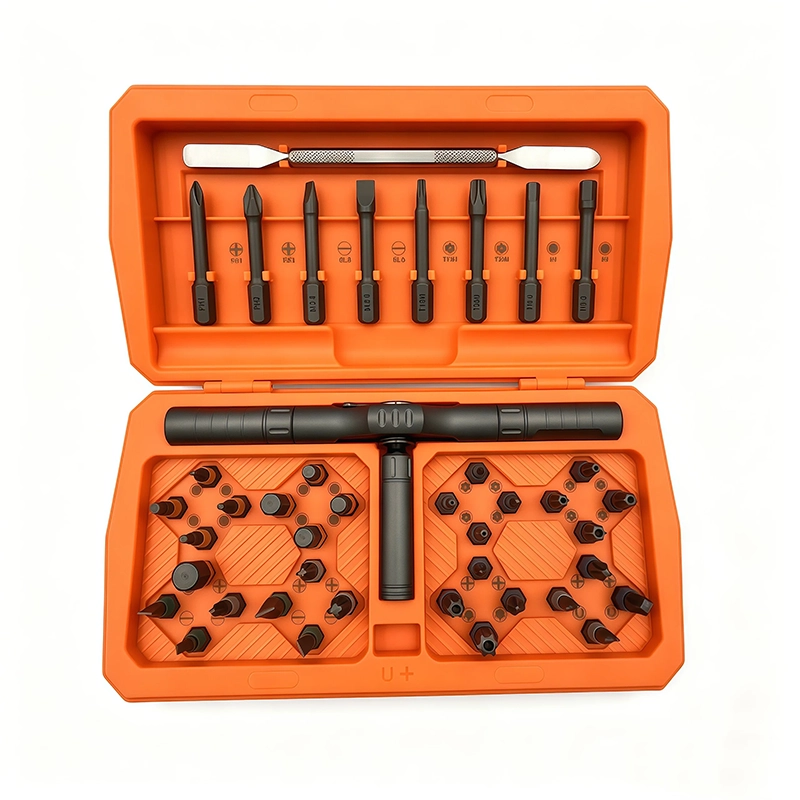
43-in-1 Ratchet Screwdriver Set
High-torque ratchet system for maintenance, assembly and confined-space work.
View product ↗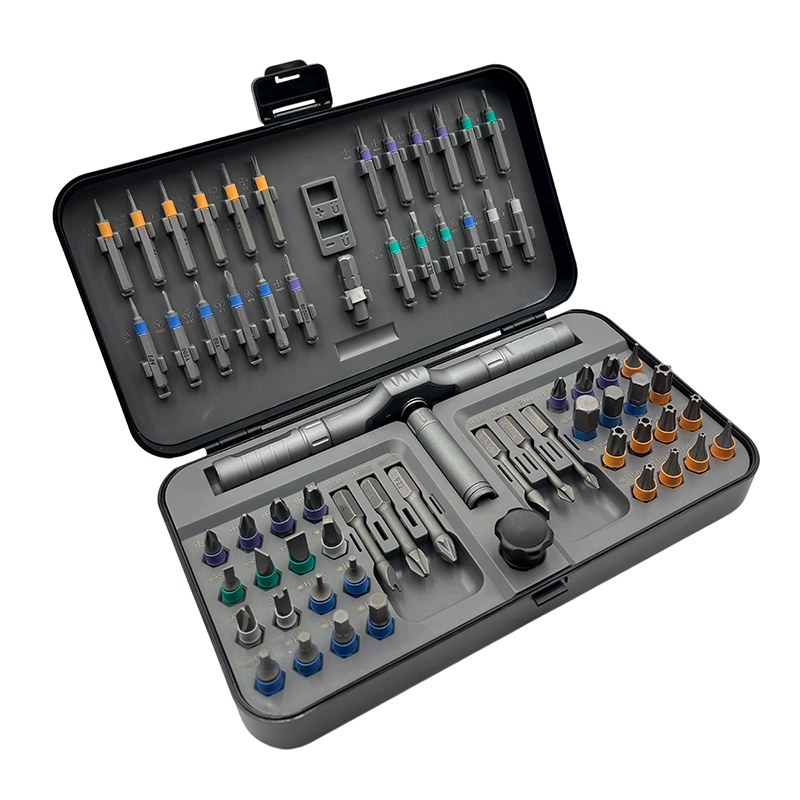
66-in-1 Ratchet Screwdriver Set
High-torque ratchet system for maintenance, assembly and confined-space work.
View product ↗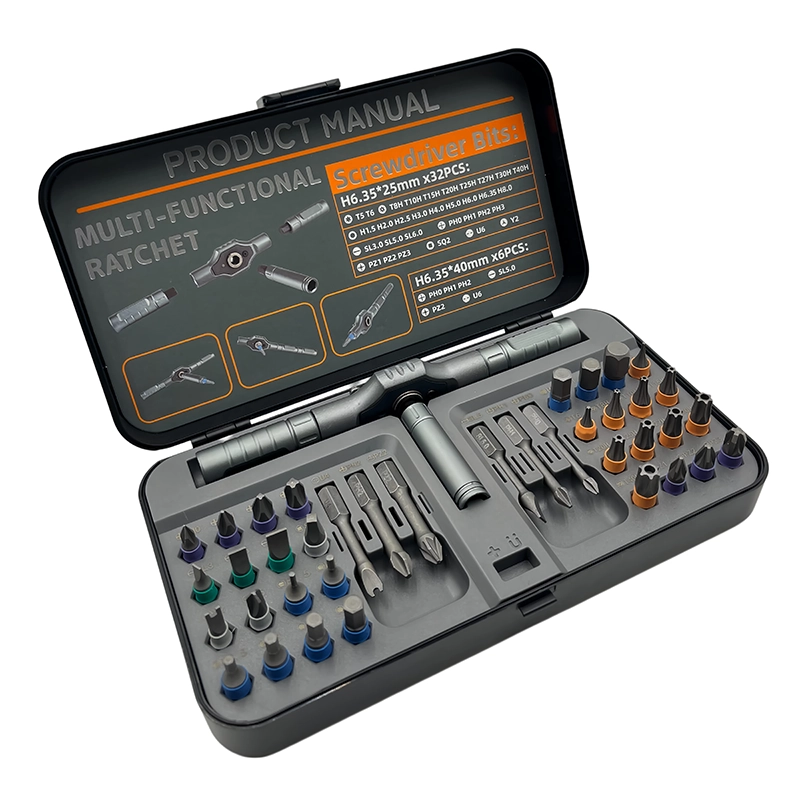
40-in-1 Ratchet Screwdriver Set
High-torque ratchet system for maintenance, assembly and confined-space work.
View product ↗