
Precision electric screwdriver
How to Choose a Precision Electric Screwdriver for Electronics Repair
Choose a precision electric screwdriver for electronics repair by matching torque, speed, bit fit and sample evidence to the phone, laptop or device fasteners your buyers service.
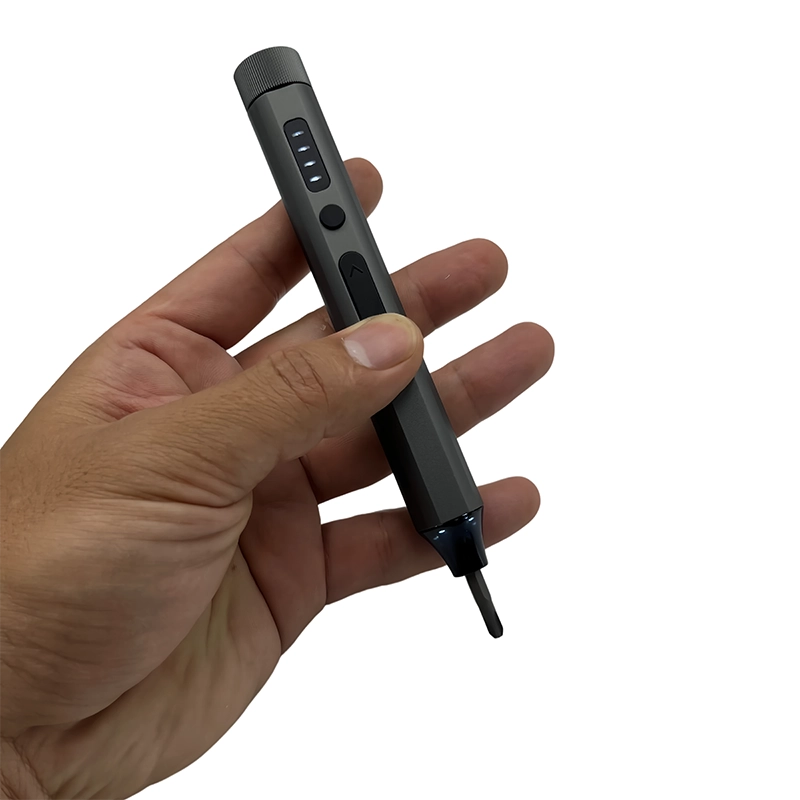
Quick Answer
A precision electric screwdriver for electronics repair should be selected from the fasteners and access limits of the target device, then verified on a sample. Buyers should compare controllable powered torque, low-speed behavior, manual override, bit fit, battery handling and the approved kit configuration—not a catalogue piece count alone.
Buyer Takeaways
- Start with a device-and-fastener map rather than a generic electronics label.
- Request model-specific torque and speed evidence for the intended work.
- Test bit engagement, starting control and manual override on representative screws.
- Freeze the bit list, case, labels and instructions with the approved sample.
Map the repair task before selecting a platform
Phone, tablet, laptop, camera and small-console repair can use different fastener families, recess depths and materials. A sourcing brief should list the largest and smallest screw, any security profile, access obstruction, thread condition and whether the operator works near delicate plastic, display or board surfaces. This prevents a tool platform from being chosen only for appearance or bit count.
For a distributor or repair-tool brand, the same map also identifies the customer skill level and the return risk. A kit that reaches a recessed laptop screw may need a different extension or handle arrangement from a compact phone kit. Send representative hardware or clear dimensional information during sample review.
Verify powered control at the low end of the task
The useful question is not only the maximum torque. For electronics work, buyers need to know how the selected configuration starts, stops and behaves on small fasteners. Ask for the approved model's powered torque mode, speed mode, stopping behavior and any manual-torque function, then test repeated fastening on representative hardware.
Record the fixture, screw, material and result used for the sample check. A claim such as low speed or precision torque has limited procurement value unless it is linked to a method and an accepted outcome. If a project requires a preset or auto-stop function, make that condition part of the written specification.
Technical Explanation
Evidence requirement
Request evidence tied to the exact configuration and intended buyer decision.
- Confirm the selected model or kit configuration before reviewing a claim.
- Use a documented sample method and retain the result with the approval record.
- Escalate any change that could affect buyer acceptance before bulk release.
Buyer Comparison
Electronics-repair selection evidence
| Decision point | What to request | Why it matters |
|---|---|---|
| Fastener map | Representative screws or documented profiles and access limits | Determines bit range, reach and tool platform |
| Powered control | Selected-model torque and speed verification method | Reduces stripping and uncontrolled starts |
| Bit fit | Sample engagement checks on target screws | Limits cam-out and early bit wear |
| Kit control | Approved packing list and artwork version | Prevents sample-to-bulk configuration drift |
Treat bit fit as a device-compatibility decision
A bit that is the correct nominal profile can still give poor engagement when its tip geometry, length or retention does not suit the screw. Build a bit matrix with the exact profiles used by the target devices, including any specialty or security fasteners. Review both the usable profile set and the way each bit is identified and retained in the case.
Test the sample on new, used and tight representative screws. Note cam-out, wobble, marking and wear, rather than relying only on a material name. The buyer can then decide whether a high-use profile should be included as a spare or whether a different bit length is required.
Approve the kit as a controlled repair configuration
The driver, bits, extension, cable, case, instructions and packaging should be approved as one configuration. A tool can function correctly yet still generate avoidable returns if a bit is missing, a case position is unclear or a customer cannot identify the intended use. The sample review should reconcile every item with the packing list and artwork version.
For a private-label order, retain the approved reference and identify who can authorize a change to the tool, accessories or pack-out. This gives purchasing, quality and production teams one current baseline rather than several email versions.
Turn the evaluation into an RFQ-ready evidence list
Before requesting final pricing, summarize the target application, model or performance requirement, bit matrix, sample test method, branding scope, packaging requirements, target market and timing. State which values must be confirmed on the selected configuration instead of carrying a parameter from a different model.
This approach gives an electric screwdriver supplier a usable basis for quotation and lets a product manager compare responses on evidence quality as well as commercial terms. It also creates a cleaner handoff from sample approval to production quality control.
Things Buyers Should Check
Things Buyers Should Check
- ✓Confirm the current model or kit configuration.
- ✓Attach the target application, market and purchase scope.
- ✓Request evidence for the decisive technical or commercial question.
- ✓Approve the sample and related pack-out against one version-controlled record.
- ✓Review changes before production and shipment release.
Frequently Asked Questions
Frequently Asked Questions
What torque is appropriate for electronics repair?
There is no universal value. Confirm the controlled range and stopping behavior on the exact model using representative fasteners, materials and repair tasks.
Should a repair brand ask for low-speed testing?
Yes, if small screws or delicate assemblies are central to the use case. Define the task, test method and acceptable behavior in the sample approval record.
Why can a correct-size bit still damage a screw?
Nominal size alone does not prove fit. Tip geometry, reach, wear, retention and the screw condition can all affect engagement.
Can one kit cover phones and laptops?
It can only if the approved bit, extension and control configuration covers both device maps. Verify this on samples instead of assuming a large bit count is enough.
What should be frozen before bulk production?
Freeze the selected tool, bit list, accessories, case layout, labels, manual, packaging and the current specification version.
Final Buyer Recommendation
Use this guide to structure the next buyer decision for precision electric screwdriver for electronics repair. Confirm the exact product configuration, target market and order conditions in the RFQ or sample-approval record before committing production.
Related Products
Related Products
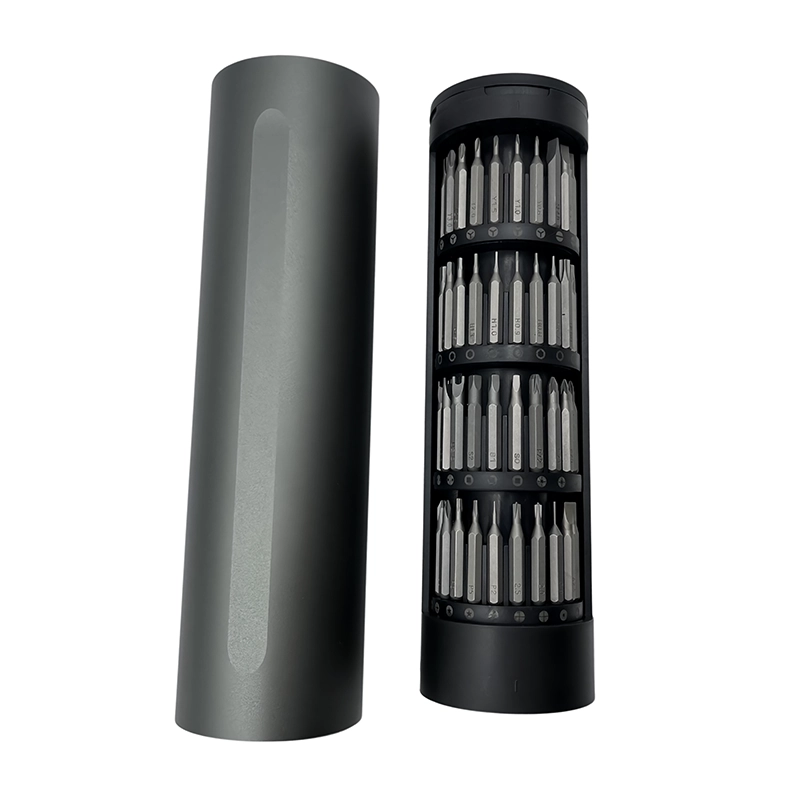
67-in-1 Electric Precision Screwdriver Set
Rechargeable precision system for smartphones, laptops, cameras and small electronics.
View product ↗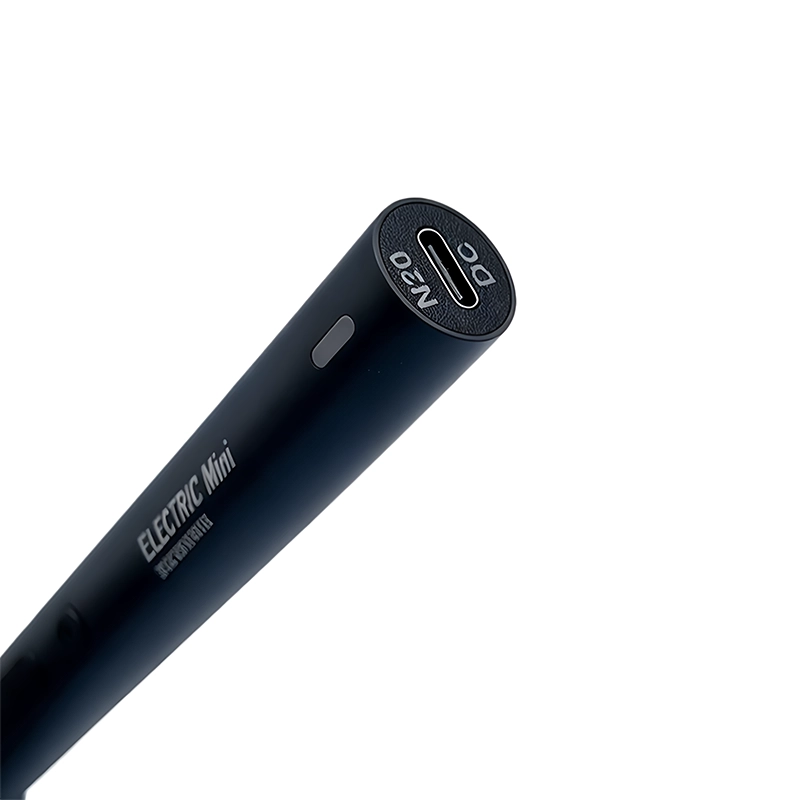
44-in-1 Electric Precision Screwdriver Set
Rechargeable precision system for smartphones, laptops, cameras and small electronics.
View product ↗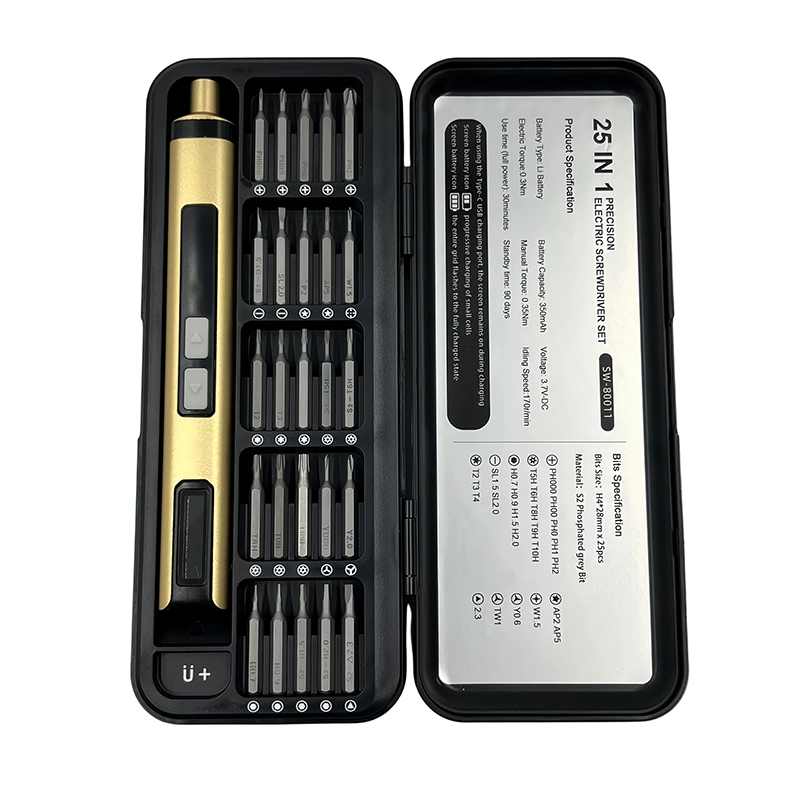
25-in-1 Electric Precision Screwdriver Set
Rechargeable precision system for smartphones, laptops, cameras and small electronics.
View product ↗