
Precision electric screwdriver
Buyer decision matrix for precision electric screwdriver: evidence to request before an RFQ
Use a precision electric screwdriver buyer decision matrix to compare application fit, technical evidence, OEM scope and supplier risk before issuing an RFQ.
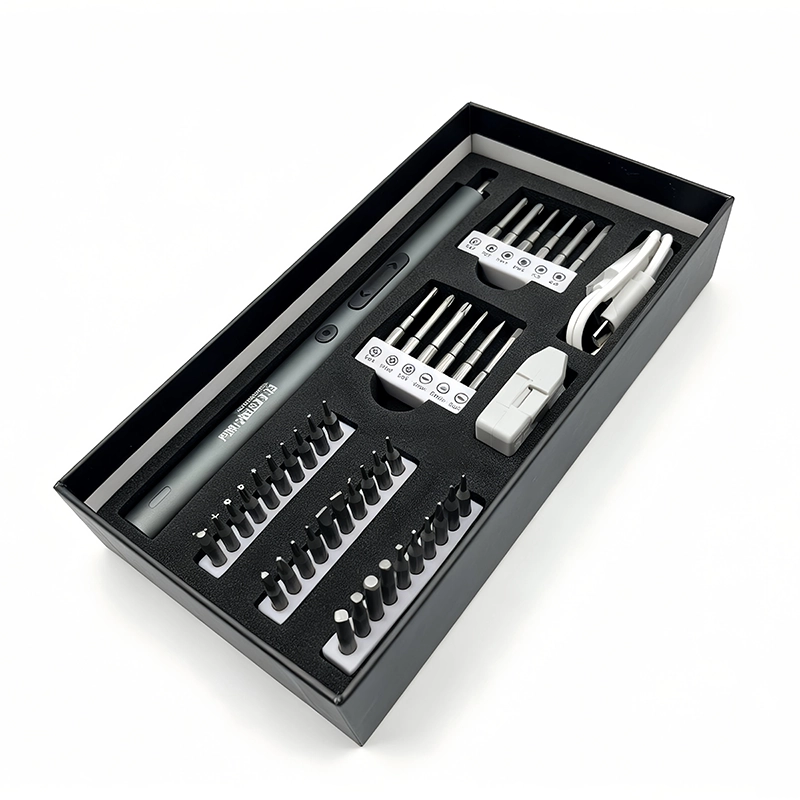
Quick Answer
A precision electric screwdriver buyer decision matrix should compare the evidence behind each supplier or configuration, not simply the unit price. Score application fit, technical verification, bit and accessory control, customization feasibility, commercial assumptions and approval ownership so the next RFQ asks for the information that changes the decision.
Buyer Takeaways
- Anchor precision electric screwdriver buyer decision matrix to the exact product configuration and target use.
- Request evidence that states the method, condition, reviewer and decision supported.
- Keep the approved sample, specification and pack-out under one controlled version.
- Escalate material product, document or packaging changes before production release.
Decide which evidence changes the purchase decision
Start with the buyer's target repair or assembly use and list the questions that decide whether a precision electric screwdriver is viable. Examples include torque behavior, speed control, manual use, bit range, charging arrangement, pack-out and brand requirements. Each question should have an owner, requested evidence and consequence if the answer is unclear.
This establishes a decision matrix that is useful to a product manager and procurement manager rather than a generic supplier scorecard.
Compare model fit before comparing supplier promises
One supplier may propose a compact kit while another proposes a broader accessory configuration. Before judging capability, verify that each proposed model covers the same fasteners, access conditions and customer use. Require a model identifier, configuration list and a statement of what remains to be confirmed on the sample.
A comparison becomes misleading when one quote includes a different bit range, case, battery arrangement or private-label scope. Normalize these variables before scoring price or timing.
Decision evidence
Evidence requirement
A one-page matrix for comparing suppliers or configurations by application fit, evidence quality, commercial assumptions and risk ownership.
- Confirm the selected model or kit configuration before reviewing a claim.
- Use a documented sample method and retain the result with the approval record.
- Escalate any change that could affect buyer acceptance before bulk release.
Buyer Comparison
Precision electric screwdriver buyer decision matrix
| Decision area | Evidence to request | Risk if unresolved |
|---|---|---|
| Application fit | Fastener and access map | Wrong platform or bit mix |
| Technical control | Model-specific sample method | Unverified torque or speed claim |
| OEM scope | Controlled customization brief | Unplanned development or pack-out changes |
| Commercial basis | Quote assumptions and decision owners | Misleading price comparison |
Make technical claims traceable
For every important claim, record the model, test condition, evidence type and reviewer. A torque statement may need a fixture-based sample test, while a bit-fit statement may need representative screws. Battery, PCB or control customization should be described as a project-specific request, not assumed from a general brochure.
This evidence column is often more valuable than a simple yes/no response because it shows whether the requirement can move safely into sample approval and production control.
Review commercial and change-control assumptions
Commercial comparison should identify MOQ basis, sample route, tooling scope, payment assumptions, trade terms and schedule dependencies without treating any generic figure as a final promise. The matrix should also show who owns a change to the product, pack-out or documentation.
This lets the buyer identify a low-cost quotation that leaves key requirements undefined. It also creates a structured basis for a follow-up RFQ rather than a prolonged series of informal clarifications.
Use the matrix to plan the next buyer action
At the end of the comparison, select the evidence gap that must be closed: a technical sample, an artwork review, a documentation check or a revised quotation. Avoid treating a supplier rank as final if the selected configuration is not yet controlled.
The matrix is a decision tool, not a claim that one supplier is universally best. Its value lies in making the buyer's criteria visible and repeatable for the actual program.
Project Flow
Buyer workflow for Weighted Buyer Decision Scorecard
- 01
Set weighted decision criteria
Step 1: document the a precision electric screwdriver project before a purchase decision requirement, keep the supporting evidence with the current configuration and assign a decision owner before the next commercial or production action.
- 02
Score the proposed platform
Step 2: document the a precision electric screwdriver project before a purchase decision requirement, keep the supporting evidence with the current configuration and assign a decision owner before the next commercial or production action.
- 03
Validate weak evidence
Step 3: document the a precision electric screwdriver project before a purchase decision requirement, keep the supporting evidence with the current configuration and assign a decision owner before the next commercial or production action.
- 04
Choose Go, Conditional Go or No-Go
Step 4: document the a precision electric screwdriver project before a purchase decision requirement, keep the supporting evidence with the current configuration and assign a decision owner before the next commercial or production action.
Things Buyers Should Check
Things Buyers Should Check
- ✓Confirm the current model or kit configuration.
- ✓Attach the target application, market and purchase scope.
- ✓Request evidence for the decisive technical or commercial question.
- ✓Approve the sample and related pack-out against one version-controlled record.
- ✓Review changes before production and shipment release.
Common Buyer Mistakes
Common Buyer Mistakes
Using a generic claim as the approval record for a precision electric screwdriver project before a purchase decision
The buyer cannot tell which version, condition or market the a precision electric screwdriver project before a purchase decision claim supports.
Tie the a precision electric screwdriver project before a purchase decision evidence to the exact configuration and a named decision.Comparing unlike supplier assumptions for application, torque, speed, bit interface, battery, evidence, OEM scope, MOQ, lead time and commercial risk
Price, schedule or capability appears comparable when the stated scope is actually different.
Normalize the a precision electric screwdriver project before a purchase decision brief and record exclusions before choosing.Letting a late a precision electric screwdriver project before a purchase decision change bypass review
The original sample or document may no longer match the production configuration.
Use a Weighted Buyer Decision Scorecard change record that names evidence, impact and approval owner.Practical tool
Weighted Buyer Decision Scorecard
Copy the Weighted Buyer Decision Scorecard into an RFQ, supplier-comparison sheet or sample-approval meeting. Replace bracketed fields with the buyer’s actual project information.
PROJECT / APPLICATION
[Target repair, assembly or sales-channel use]

CONFIGURATION
[Model, revision, battery, bit interface, accessories and pack-out]

DECISION TO MAKE
[application, torque, speed, bit interface, battery, evidence, OEM scope, MOQ, lead time and commercial risk]

EVIDENCE REQUIRED
[a completed 1–5 scorecard, the assumptions behind each score and a named owner for unresolved evidence]

ACCEPTANCE BASIS
[Buyer-approved criterion, deviation route and decision owner]

NEXT STEP
[Sample, revision, re-inspection, booking or PO release]
Frequently Asked Questions
Frequently Asked Questions
What should be in a buyer decision matrix?
Include application fit, technical evidence, configuration control, OEM scope, commercial assumptions and the owner of each unresolved point.
Should price be the first comparison column?
No. First normalize the configuration and evidence. Price is meaningful only when suppliers are quoting the same approved scope.
Can the matrix cover custom battery or PCB requests?
Yes, as a project-specific feasibility and evidence question. Do not assume a customization is available without supplier confirmation.
How many suppliers should be compared?
Use the number that the procurement process can evaluate consistently; the matrix is useful because the criteria remain the same.
When should the matrix be updated?
Update it after a material new fact such as a sample result, change in scope, documentation review or revised quotation.
Final Buyer Recommendation
Use this guide to structure the next buyer decision for precision electric screwdriver buyer decision matrix. Confirm the exact product configuration, target market and order conditions in the RFQ or sample-approval record before committing production.
Related Products
Related Products
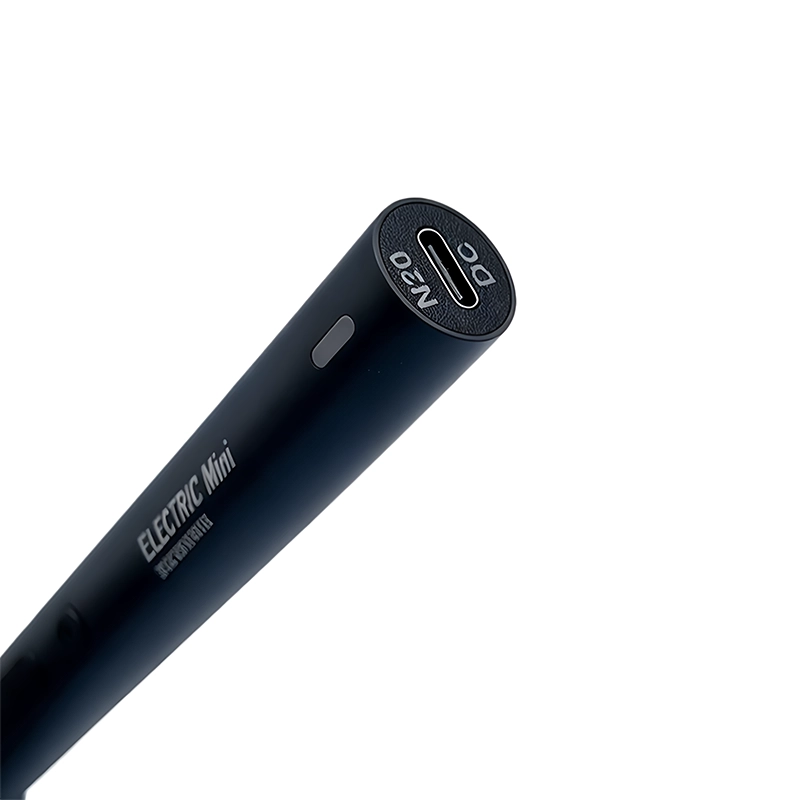
44-in-1 Electric Precision Screwdriver Set
Rechargeable precision system for smartphones, laptops, cameras and small electronics.
View product ↗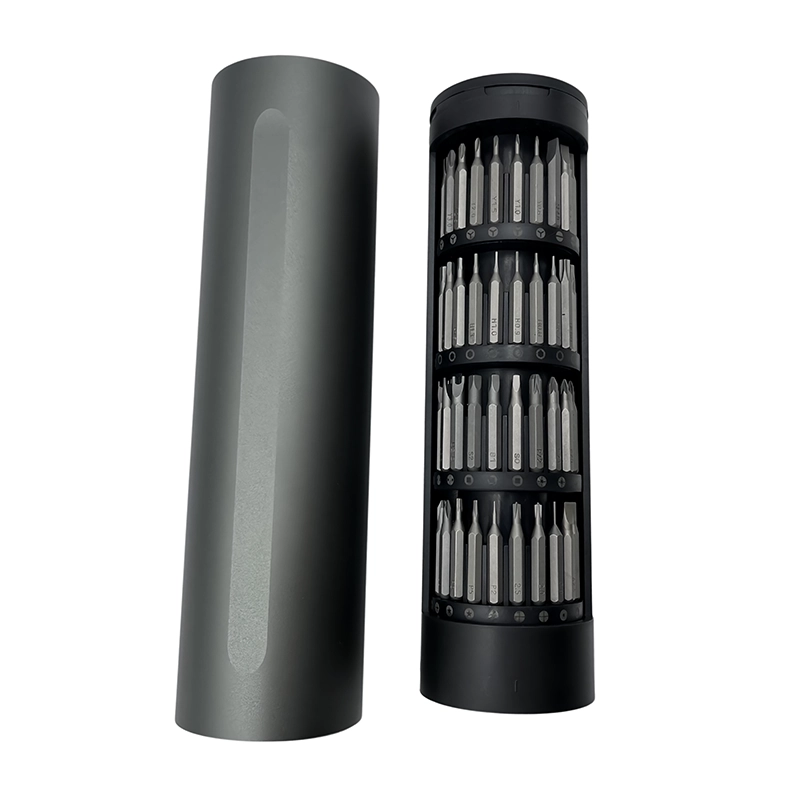
67-in-1 Electric Precision Screwdriver Set
Rechargeable precision system for smartphones, laptops, cameras and small electronics.
View product ↗