
Precision electric screwdriver
How to match precision electric screwdriver specifications to the target application
Choose precision electric screwdriver for application by matching fasteners, materials, access, duty cycle and user control, then testing the selected configuration on representative work.
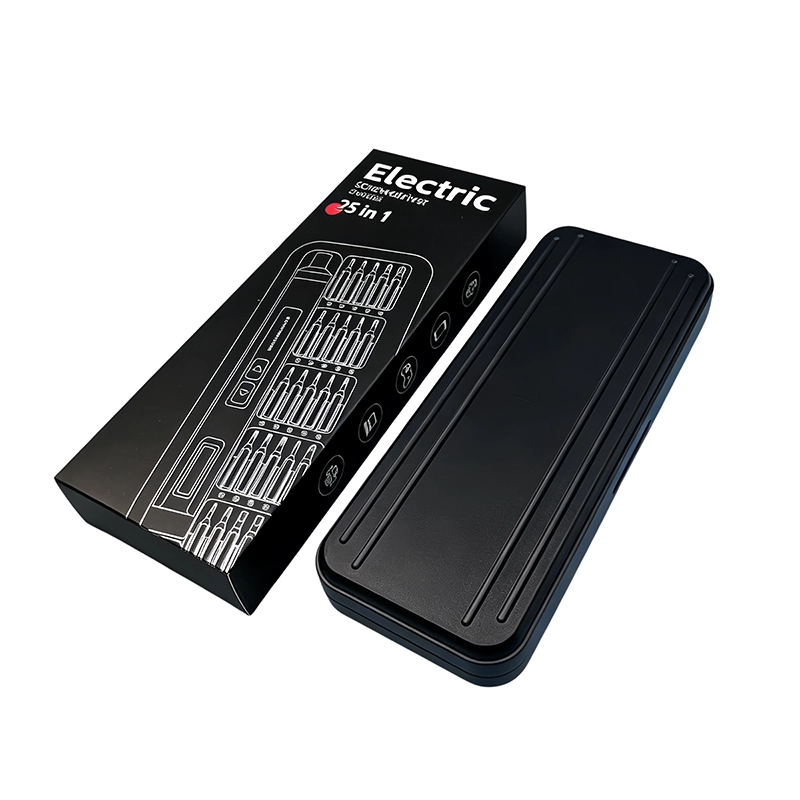
Quick Answer
For choose precision electric screwdriver for application, to choose a precision electric screwdriver for application, begin with the fastener, material, access, expected duty cycle and user control required. Then evaluate a selected configuration on representative work with its intended bit, accessory and operating mode. This avoids choosing a kit from a headline torque or piece-count claim alone.
Buyer Takeaways
- Anchor choose precision electric screwdriver for application to the exact product configuration and target use.
- Request evidence that states the method, condition, reviewer and decision supported.
- Keep the approved sample, specification and pack-out under one controlled version.
- Escalate material product, document or packaging changes before production release.
Describe the application in mechanical terms
A useful application brief states what is being opened, assembled or serviced; which fasteners are involved; how deep the recess is; what material surrounds the joint; and how often the task is repeated. Phone, laptop, camera and small-device work may all be called electronics repair, but the specification priorities can differ.
Provide representative screws, samples or detailed fastener information when possible. This helps a product manager compare a proposed driver and bit set against real use rather than a generic category name.
Match control to the fastening risk
Controlled low-torque behavior may matter when the fastener is small or the surrounding material is sensitive. Manual override may matter when removal or final adjustment is part of the use. Ask how the selected model behaves in the intended mode and verify it on a sample.
The desired result should be described as an application outcome, not an unsupported universal number. Record the tool, bit, fastener and observation used for the review.
Decision evidence
Evidence requirement
A matching process that starts with fastener, material, access, duty cycle and user skill before choosing a configuration.
- Confirm the selected model or kit configuration before reviewing a claim.
- Use a documented sample method and retain the result with the approval record.
- Escalate any change that could affect buyer acceptance before bulk release.
Buyer Comparison
Application-to-configuration match
| Application input | Configuration question | Sample evidence |
|---|---|---|
| Fastener profile | Which bits and lengths are needed? | Engagement on target screws |
| Material sensitivity | What controlled behavior is required? | Observed fastening result |
| Access | Is an extension or compact head needed? | Reach and stability check |
| Duty cycle | What battery and handling question matters? | Model-specific use observation |
Choose bits and reach around the access condition
The best bit mix is the one that reaches and engages the target fasteners. Check profiles, length, extension stability, magnetism where relevant and case identification. A large assortment can still have gaps if it lacks a specialty profile or the right reach.
Test engagement and access together. This identifies whether the kit needs a different extension, spare profile or a separate component for a target device family.
Review battery and handling in the work context
If the tool is used for a sequence of repairs or in mobile service, charging and handling requirements should be part of the application match. Ask which behavior needs verification for the selected model rather than applying a runtime or charging statement from another configuration.
Also consider grip, visibility, case portability and the skill level of the intended user. These influence whether the product is appropriate for a repair brand or distribution channel.
Approve the application match before ordering
Summarize the chosen configuration, representative work, sample observations, required accessories and any open evidence. Use this record to inform the RFQ and production approval.
If the application changes—for example, from phone repair to larger device service—review the match again. A controlled application record is more useful than trying to make one configuration a universal answer.
Project Flow
Buyer workflow for Application Matching Matrix
- 01
Map the joint
Step 1: document the an application and its actual joint condition requirement, keep the supporting evidence with the current configuration and assign a decision owner before the next commercial or production action.
- 02
Choose a candidate platform
Step 2: document the an application and its actual joint condition requirement, keep the supporting evidence with the current configuration and assign a decision owner before the next commercial or production action.
- 03
Test on representative fasteners
Step 3: document the an application and its actual joint condition requirement, keep the supporting evidence with the current configuration and assign a decision owner before the next commercial or production action.
- 04
Freeze the accepted working method
Step 4: document the an application and its actual joint condition requirement, keep the supporting evidence with the current configuration and assign a decision owner before the next commercial or production action.
Things Buyers Should Check
Things Buyers Should Check
- ✓Confirm the current model or kit configuration.
- ✓Attach the target application, market and purchase scope.
- ✓Request evidence for the decisive technical or commercial question.
- ✓Approve the sample and related pack-out against one version-controlled record.
- ✓Review changes before production and shipment release.
Common Buyer Mistakes
Common Buyer Mistakes
Using a generic claim as the approval record for an application and its actual joint condition
The buyer cannot tell which version, condition or market the an application and its actual joint condition claim supports.
Tie the an application and its actual joint condition evidence to the exact configuration and a named decision.Comparing unlike supplier assumptions for fastener size and profile, thread, joint material, access, torque window, speed, duty cycle, operator and manual finishing
Price, schedule or capability appears comparable when the stated scope is actually different.
Normalize the an application and its actual joint condition brief and record exclusions before choosing.Letting a late an application and its actual joint condition change bypass review
The original sample or document may no longer match the production configuration.
Use a Application Matching Matrix change record that names evidence, impact and approval owner.Practical tool
Application Matching Matrix
Copy the Application Matching Matrix into an RFQ, supplier-comparison sheet or sample-approval meeting. Replace bracketed fields with the buyer’s actual project information.
PROJECT / APPLICATION
[Target repair, assembly or sales-channel use]

CONFIGURATION
[Model, revision, battery, bit interface, accessories and pack-out]

DECISION TO MAKE
[fastener size and profile, thread, joint material, access, torque window, speed, duty cycle, operator and manual finishing]

EVIDENCE REQUIRED
[representative fasteners and joint material, proposed bit, test setup, observation record and final sample acceptance]

ACCEPTANCE BASIS
[Buyer-approved criterion, deviation route and decision owner]

NEXT STEP
[Sample, revision, re-inspection, booking or PO release]
Frequently Asked Questions
Frequently Asked Questions
Is there one precision electric screwdriver for every repair task?
No. Select the configuration around the fastener, access, material and user-control requirements of the intended application.
Should the buyer provide sample screws?
Yes when feasible. Representative screws give the supplier and buyer a practical basis for bit-fit and control testing.
How do I assess access limitations?
Record recess depth, surrounding features, tool angle and any extension or compact-head requirement, then test the proposed kit.
Can a general electronics kit be used for phones and laptops?
Only after its bit range, reach and control behavior are checked against both device maps.
What belongs in the final application approval?
The selected configuration, sample method, observed result, required accessories and any outstanding evidence.
Final Buyer Recommendation
Use this guide to structure the next buyer decision for choose precision electric screwdriver for application. Confirm the exact product configuration, target market and order conditions in the RFQ or sample-approval record before committing production.
Related Products
Related Products
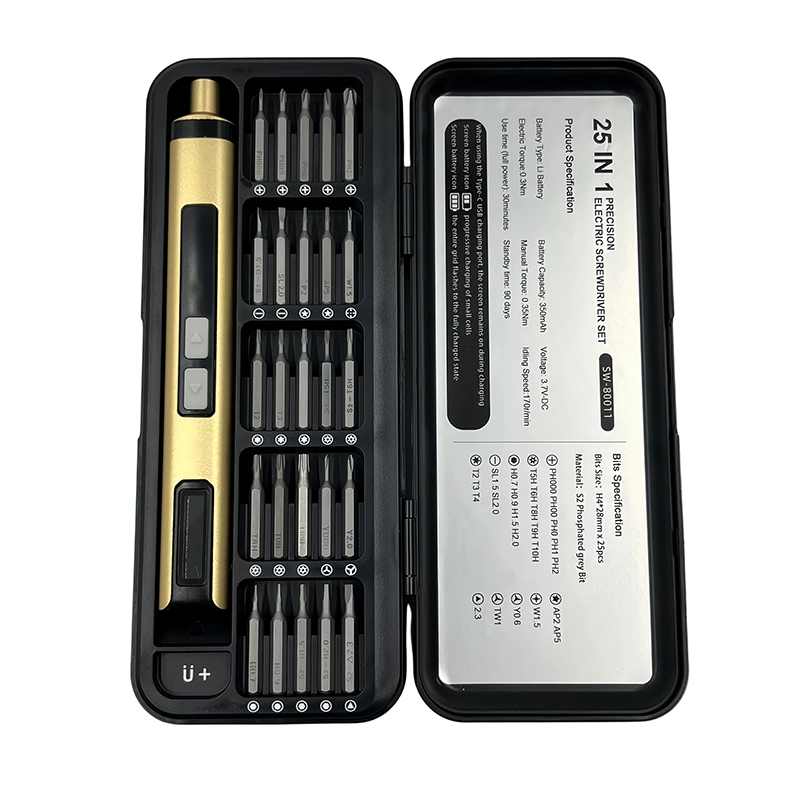
25-in-1 Electric Precision Screwdriver Set
Rechargeable precision system for smartphones, laptops, cameras and small electronics.
View product ↗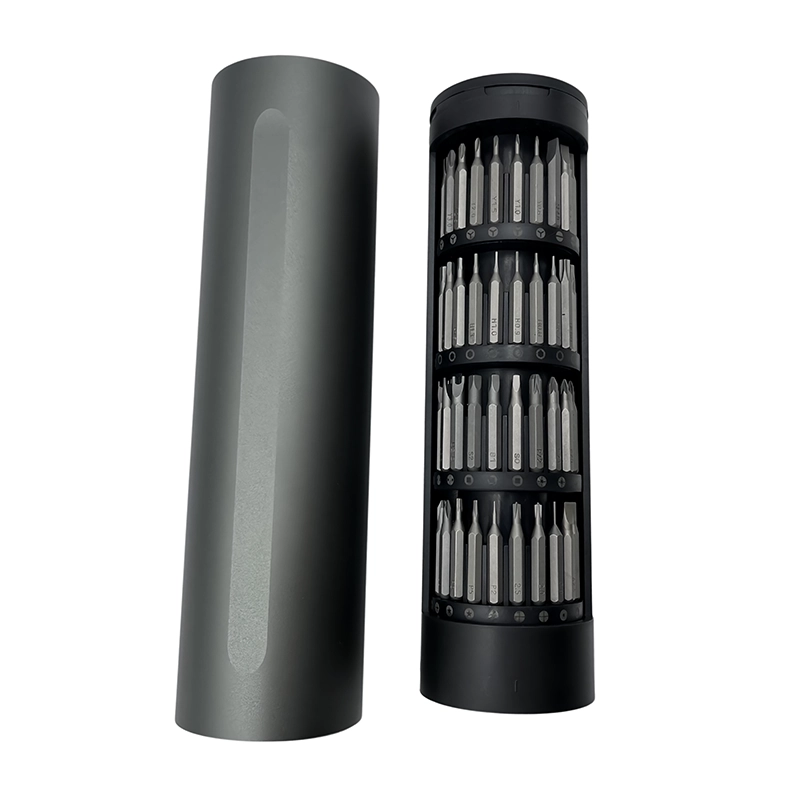
67-in-1 Electric Precision Screwdriver Set
Rechargeable precision system for smartphones, laptops, cameras and small electronics.
View product ↗