
Tool quality control
AQL Inspection and Pre-Shipment Quality Control for Electric Screwdriver Orders
Electric screwdriver AQL inspection pre-shipment quality control explains how buyers can define defect classes, sampling rules and model-specific release evidence.
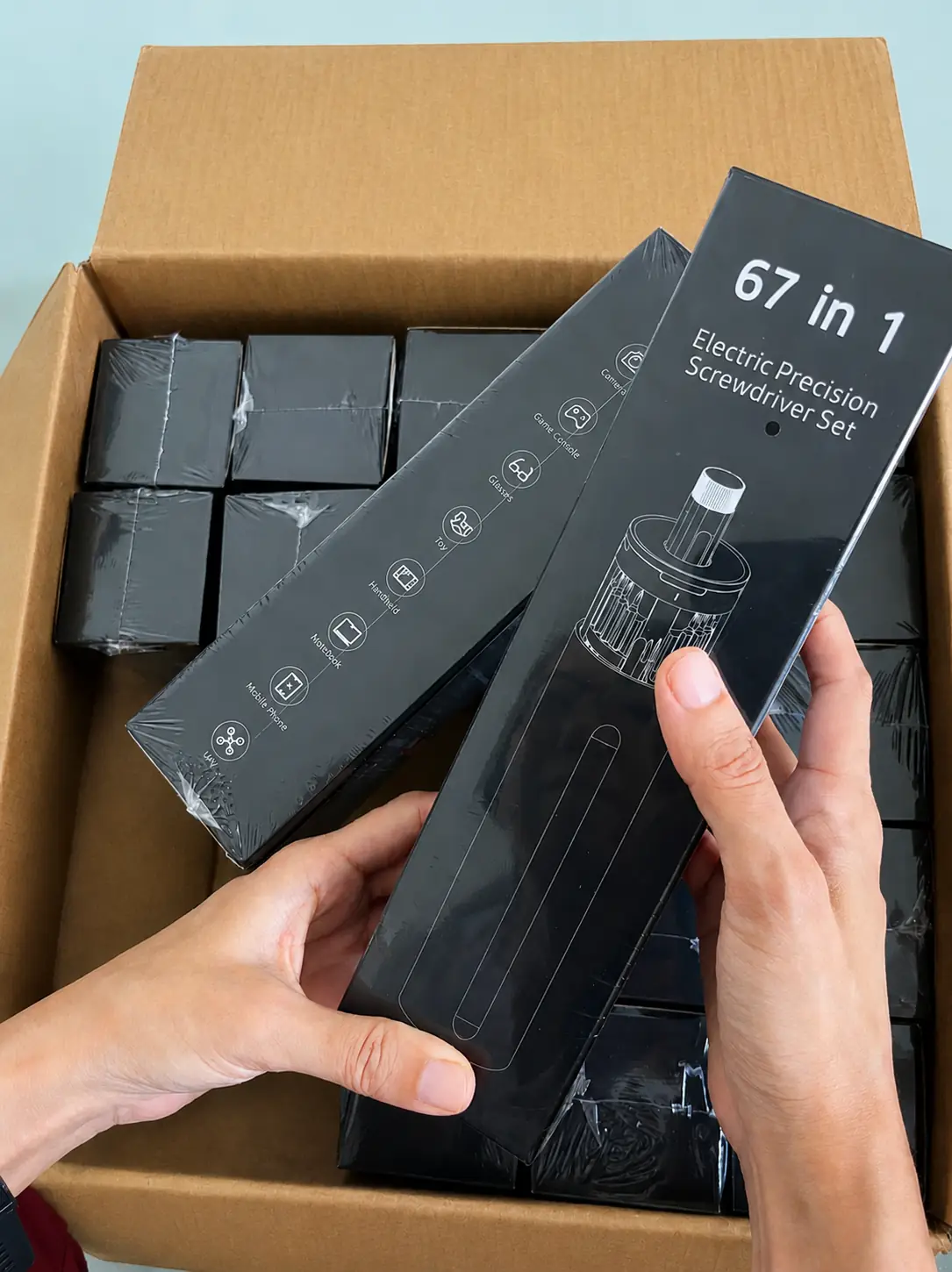
Quick Answer
Electric screwdriver AQL inspection pre-shipment quality control works when the buyer agrees defect classification, sampling basis, functional checks, packaging checks and acceptance criteria before goods are ready to ship. AQL is a lot-inspection method; it should be linked to the approved model and product specification, not used as a substitute for sample approval.
Buyer Takeaways
- Anchor electric screwdriver AQL inspection pre-shipment quality control to the exact product configuration and target use.
- Request evidence that states the method, condition, reviewer and decision supported.
- Keep the approved sample, specification and pack-out under one controlled version.
- Escalate material product, document or packaging changes before production release.
Separate product approval from lot inspection
Sample approval establishes what the buyer intends to receive; a pre-shipment inspection examines whether a completed lot meets the agreed inspection plan. Keeping these roles separate avoids using an AQL result to resolve an undefined product specification. The selected electric screwdriver, accessories, labels and packaging should already be controlled before sampling begins.
The buyer should identify which visual, functional and pack-out conditions matter to the order. Then the inspection plan can state the lot basis, sampling standard and decision rule without claiming one universal AQL level fits every product.
Classify defects against the actual buyer risk
Defect classification should reflect the application, safety considerations, cosmetic expectation and commercial risk of the order. Define examples in plain language: a missing high-use bit, wrong label, damaged case, function concern or wrong carton mark may have different implications. Do not import generic examples that do not fit the product configuration.
Agree what evidence will be captured for a nonconformity, who decides a borderline case and how rework or replacement is handled. This makes inspection findings actionable rather than merely descriptive.
Decision evidence
Evidence requirement
A single structured answer with a main framework and clearly separated electric-screwdriver, screwdriver-set, ratchet or bit examples where the evidence genuinely differs.
- Confirm the selected model or kit configuration before reviewing a claim.
- Use a documented sample method and retain the result with the approval record.
- Escalate any change that could affect buyer acceptance before bulk release.
Buyer Comparison
AQL and pre-shipment inspection roles
| Inspection area | What is agreed before inspection | Output |
|---|---|---|
| Sampling | Lot basis and inspection standard | Defined sample plan |
| Defects | Product-specific classification examples | Clear accept/reject basis |
| Function | Model and approved check method | Recorded observation |
| Pack-out | Approved item and artwork record | Configuration reconciliation |
Plan functional and configuration checks
A functional check should state the selected model, mode, power condition and observation required. Where torque-related behavior is relevant, link the check to the approved method rather than asking an inspector to infer performance from a visual review. Configuration inspection should reconcile the tool, bits, cable, case, labels and manual to the approved record.
The buyer can also request pre-shipment photos or documented samples when this supports the order workflow. These are records to compare against the approved configuration, not fabricated proof of a universal quality rate.
Inspect packaging and shipment identity
Pre-shipment quality control should verify the condition and identity of packed goods: packaging, barcode or label content, manual language, carton marks, quantity and visible protection. These details matter for distributors and e-commerce brands because an otherwise working tool may still be unfit for retail release.
For market-specific documents or labelling, confirm applicability for the exact product and destination before including them in a release checklist. A pre-shipment plan should surface that requirement rather than assume it has been met.
Use the report to decide release, rework or follow-up
The useful output is a report that names the lot, model configuration, inspection method, observations, defect classification and agreed next action. The buyer can then decide whether to release, request rework, review a deviation or run an additional check.
Store the result with the approved sample and current specification. This gives procurement and quality teams traceable evidence if an order question arises after delivery.
Project Flow
Buyer workflow for Electric Screwdriver PSI Inspection Matrix
- 01
Freeze the approval record
Step 1: document the a completed electric screwdriver lot requirement, keep the supporting evidence with the current configuration and assign a decision owner before the next commercial or production action.
- 02
Classify order-specific defects
Step 2: document the a completed electric screwdriver lot requirement, keep the supporting evidence with the current configuration and assign a decision owner before the next commercial or production action.
- 03
Set the sampling and functional plan
Step 3: document the a completed electric screwdriver lot requirement, keep the supporting evidence with the current configuration and assign a decision owner before the next commercial or production action.
- 04
Review findings and decide release
Step 4: document the a completed electric screwdriver lot requirement, keep the supporting evidence with the current configuration and assign a decision owner before the next commercial or production action.
Things Buyers Should Check
Things Buyers Should Check
- ✓Confirm the current model or kit configuration.
- ✓Attach the target application, market and purchase scope.
- ✓Request evidence for the decisive technical or commercial question.
- ✓Approve the sample and related pack-out against one version-controlled record.
- ✓Review changes before production and shipment release.
Common Buyer Mistakes
Common Buyer Mistakes
Using a generic claim as the approval record for a completed electric screwdriver lot
The buyer cannot tell which version, condition or market the a completed electric screwdriver lot claim supports.
Tie the a completed electric screwdriver lot evidence to the exact configuration and a named decision.Comparing unlike supplier assumptions for lot size, inspection level, defect classification, functional checks, packaging and shipment release
Price, schedule or capability appears comparable when the stated scope is actually different.
Normalize the a completed electric screwdriver lot brief and record exclusions before choosing.Letting a late a completed electric screwdriver lot change bypass review
The original sample or document may no longer match the production configuration.
Use a Electric Screwdriver PSI Inspection Matrix change record that names evidence, impact and approval owner.Practical tool
Electric Screwdriver PSI Inspection Matrix
Copy the Electric Screwdriver PSI Inspection Matrix into an RFQ, supplier-comparison sheet or sample-approval meeting. Replace bracketed fields with the buyer’s actual project information.
PROJECT / APPLICATION
[Target repair, assembly or sales-channel use]

CONFIGURATION
[Model, revision, battery, bit interface, accessories and pack-out]

DECISION TO MAKE
[lot size, inspection level, defect classification, functional checks, packaging and shipment release]

EVIDENCE REQUIRED
[the approved configuration, the lot identity, the sampling basis, photographs of nonconformities and the disposition record]

ACCEPTANCE BASIS
[Buyer-approved criterion, deviation route and decision owner]

NEXT STEP
[Sample, revision, re-inspection, booking or PO release]
Frequently Asked Questions
Frequently Asked Questions
What does AQL mean for a tool order?
It is a sampling approach used with an agreed inspection plan. It does not define the product specification or replace sample approval.
Who should set defect categories?
Buyer and supplier should agree product-specific examples before the inspection, with input from the relevant quality and product teams.
Can a pre-shipment inspection verify torque?
It can include an agreed torque-related check, but the model, method and acceptance condition must be defined in advance.
What packaging issues should be checked?
Check the approved case or box, accessories, labels, manual, barcode content, carton marks, quantity and visible protection.
Does AQL prove compliance for every market?
No. Compliance evidence must be assessed separately for the exact model, configuration and destination market.
Final Buyer Recommendation
Use this guide to structure the next buyer decision for electric screwdriver AQL inspection pre-shipment quality control. Confirm the exact product configuration, target market and order conditions in the RFQ or sample-approval record before committing production.
Related Products
Related Products
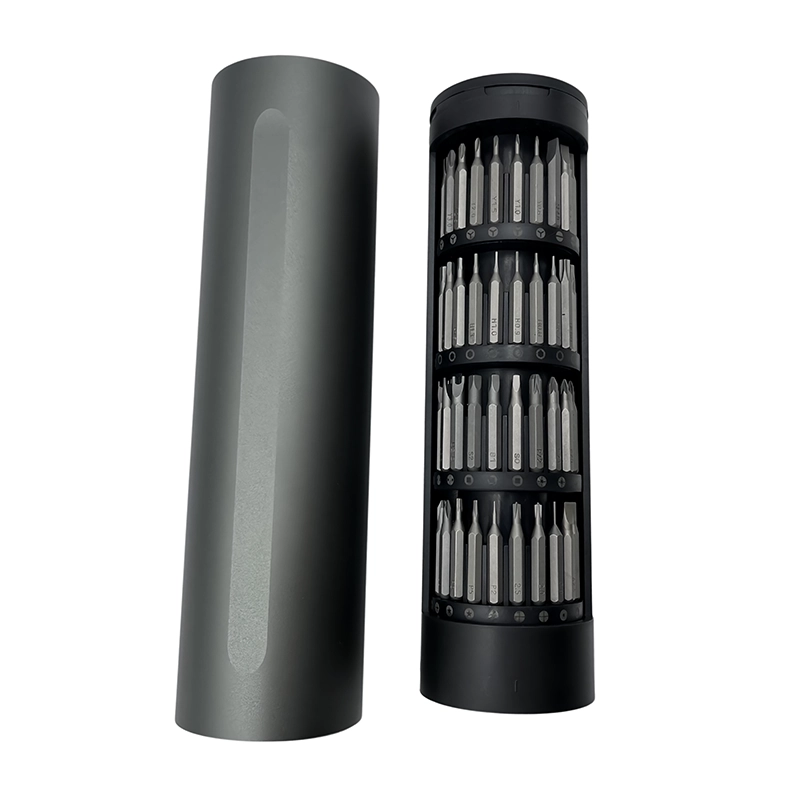
67-in-1 Electric Precision Screwdriver Set
Rechargeable precision system for smartphones, laptops, cameras and small electronics.
View product ↗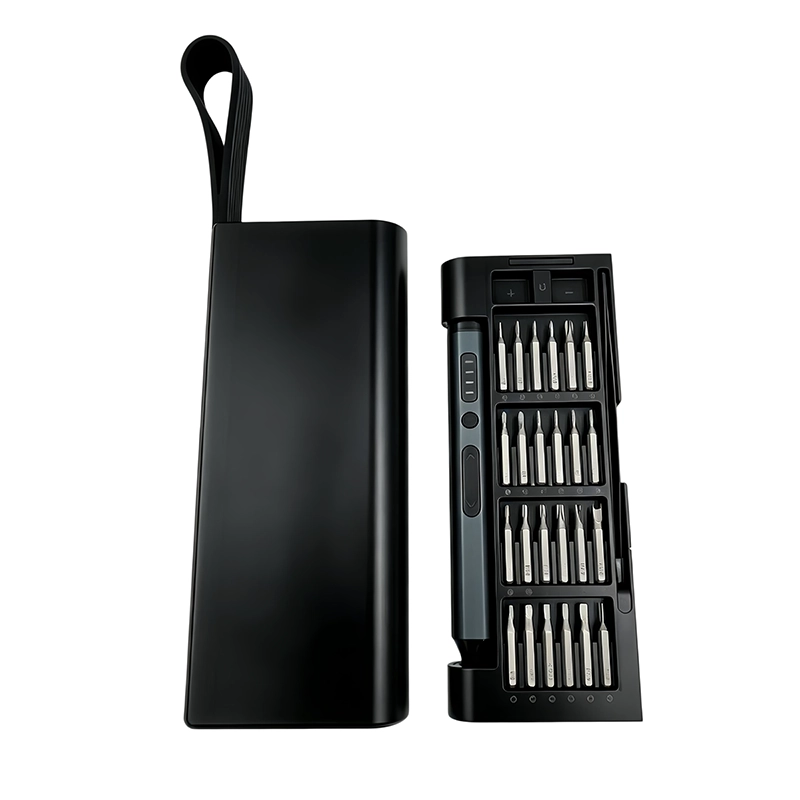
53-in-1 Electric Precision Screwdriver Set
Rechargeable precision system for smartphones, laptops, cameras and small electronics.
View product ↗