
Ratchet screwdriver set
Ratchet Screwdriver Set Application Matching and Specification Guide
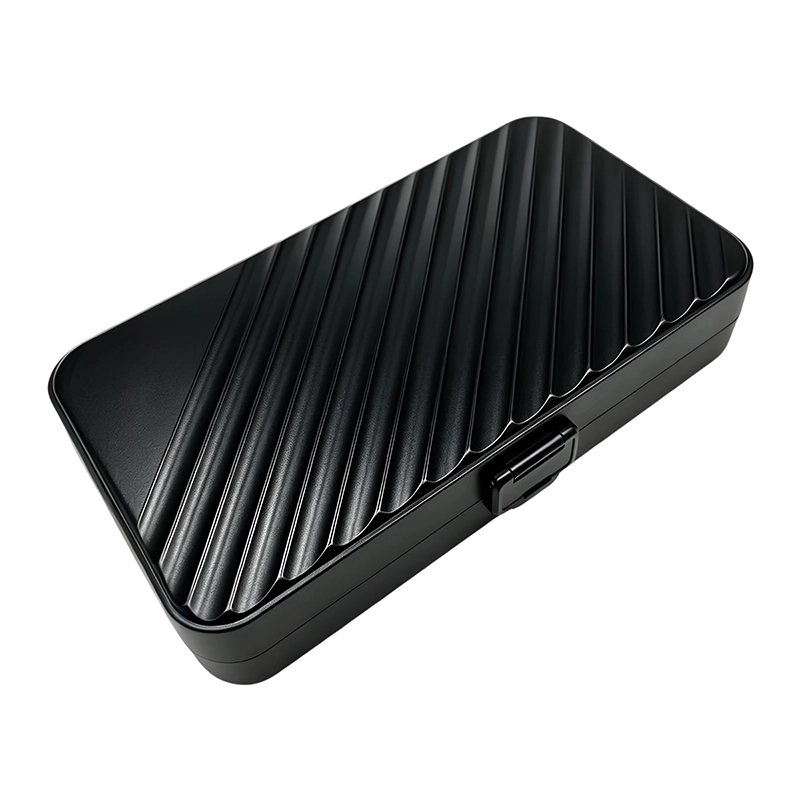
Choose ratchet screwdriver set for application by comparing target fasteners, access, manual load, mechanism use and bit configuration on a representative sample before approval.
Quick Answer
For choose ratchet screwdriver set for application, to choose a ratchet screwdriver set for application, match the target fasteners, available swing arc, manual load, required direction control and bit configuration to the intended repair or DIY task. Validate the proposed set on representative hardware so the mechanism and accessories are selected for use rather than for an arbitrary piece count.
Buyer Takeaways
- Anchor choose ratchet screwdriver set for application to the exact product configuration and target use.
- Request evidence that states the method, condition, reviewer and decision supported.
- Keep the approved sample, specification and pack-out under one controlled version.
- Escalate material product, document or packaging changes before production release.
Describe the fastener and access environment
The intended application should identify common fastener profiles, size range, recess depth and the space available around the handle. Furniture assembly, appliance service and property maintenance can each need a different mix of profiles and reach. This information is more useful than a broad statement that the set is for DIY.
Ask the supplier to map the proposed bits and extensions to the application. Test that map on representative tasks during sample review.
Assess when ratchet action adds value
Ratchet action may help repeated manual fastening when there is sufficient swing arc and clear direction control. It may be less suitable in a confined or delicate area where the handle cannot move freely. Define the required motion and test forward, reverse and lock positions with a representative fastener.
The decision should be based on manual usability, not on motor, battery or powered torque terminology. Keep the product-family language and checks specific to ratchet systems.
Decision evidence
Evidence requirement
A matching process that starts with fastener, material, access, duty cycle and user skill before choosing a configuration.
- Confirm the selected model or kit configuration before reviewing a claim.
- Use a documented sample method and retain the result with the approval record.
- Escalate any change that could affect buyer acceptance before bulk release.
Buyer Comparison
Ratchet set application-matching questions
| Application factor | Set decision | Sample check |
|---|---|---|
| Fastener profiles | Useful bit list | Fit on target hardware |
| Swing arc | Ratchet handle and extension choice | Forward/reverse access test |
| Manual load | Handle and mechanism use | Task observation |
| Storage need | Case layout and retention | Pack-out review |
Choose bit material and configuration around the task
Select the profiles and bit construction that match the intended fasteners and expected handling. Ask for material information for the selected bits and check physical fit on sample hardware. Do not use material names as a shortcut for universal performance.
A 40-in-1 and a 66-in-1 configuration may both be appropriate when their useful coverage differs. Compare the actual profile list, not only the number on the case.
Review grip, extension and storage as a system
The handle, extension, bit holder and case should work together in the target task. Check grip comfort, retention, reach and whether bits can be found and returned easily. Consider the use environment: a mobile maintenance team may value compact secure storage, while a home-improvement range may need clearer retail presentation.
Make these design choices visible in the sample record and packaging review. They are part of application fit rather than cosmetic extras.
Document the approved application route
End the process with the target uses, selected set, required profiles, sample tasks and any conditions for production approval. Use this record to guide the product description and pre-shipment check.
If the intended application expands, reassess the specification rather than assuming one approved kit covers every manual-repair scenario.
Project Flow
Buyer workflow for Application Selection Decision Tree
- 01
Classify the work space
Step 1: document the the job conditions a ratchet screwdriver must handle requirement, keep the supporting evidence with the current configuration and assign a decision owner before the next commercial or production action.
- 02
Assess fastener and hand load
Step 2: document the the job conditions a ratchet screwdriver must handle requirement, keep the supporting evidence with the current configuration and assign a decision owner before the next commercial or production action.
- 03
Choose interface and access tools
Step 3: document the the job conditions a ratchet screwdriver must handle requirement, keep the supporting evidence with the current configuration and assign a decision owner before the next commercial or production action.
- 04
Confirm sample usability
Step 4: document the the job conditions a ratchet screwdriver must handle requirement, keep the supporting evidence with the current configuration and assign a decision owner before the next commercial or production action.
Things Buyers Should Check
Things Buyers Should Check
- ✓Confirm the current model or kit configuration.
- ✓Attach the target application, market and purchase scope.
- ✓Request evidence for the decisive technical or commercial question.
- ✓Approve the sample and related pack-out against one version-controlled record.
- ✓Review changes before production and shipment release.
Common Buyer Mistakes
Common Buyer Mistakes
Using a generic claim as the approval record for the job conditions a ratchet screwdriver must handle
The buyer cannot tell which version, condition or market the the job conditions a ratchet screwdriver must handle claim supports.
Tie the the job conditions a ratchet screwdriver must handle evidence to the exact configuration and a named decision.Comparing unlike supplier assumptions for working space, fastener load, handle leverage, selector, ratchet engagement, bit interface, extension, grip, portability and frequency
Price, schedule or capability appears comparable when the stated scope is actually different.
Normalize the the job conditions a ratchet screwdriver must handle brief and record exclusions before choosing.Letting a late the job conditions a ratchet screwdriver must handle change bypass review
The original sample or document may no longer match the production configuration.
Use a Application Selection Decision Tree change record that names evidence, impact and approval owner.Practical tool
Application Selection Decision Tree
Copy the Application Selection Decision Tree into an RFQ, supplier-comparison sheet or sample-approval meeting. Replace bracketed fields with the buyer’s actual project information.
PROJECT / APPLICATION
[Target repair, assembly or sales-channel use]

CONFIGURATION
[Model, revision, battery, bit interface, accessories and pack-out]

DECISION TO MAKE
[working space, fastener load, handle leverage, selector, ratchet engagement, bit interface, extension, grip, portability and frequency]

EVIDENCE REQUIRED
[representative tasks, fastener profiles, working-space dimensions, proposed accessory list and sample-use observations]

ACCEPTANCE BASIS
[Buyer-approved criterion, deviation route and decision owner]

NEXT STEP
[Sample, revision, re-inspection, booking or PO release]
Frequently Asked Questions
Frequently Asked Questions
How do I choose between 40-in-1 and 66-in-1 ratchet sets?
Compare the actual profile list, target fasteners, access and case usability. The larger count is not automatically the better application match.
What applications suit a ratchet screwdriver set?
Applications with defined manual fasteners and enough swing arc can suit a ratchet set; verify the selected configuration on the intended work.
Can a ratchet set cover appliance and furniture work?
It can when the approved bit range, reach and mechanism operation match both task maps. Test each use rather than assuming.
What bit information should a buyer request?
Request the actual bit list, interface, material information and sample fit on representative target fasteners.
Why include case review in an application guide?
The set must be portable, identifiable and complete in the way its intended user will work with it.
Final Buyer Recommendation
Use this guide to structure the next buyer decision for choose ratchet screwdriver set for application. Confirm the exact product configuration, target market and order conditions in the RFQ or sample-approval record before committing production.
Related Products
Related Products
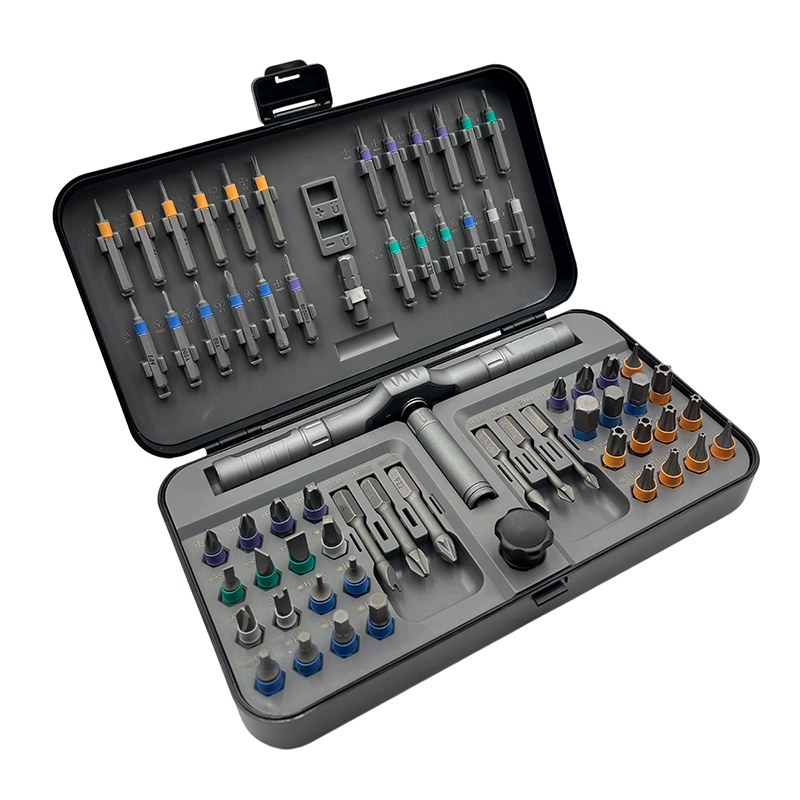
66-in-1 Ratchet Screwdriver Set
High-torque ratchet system for maintenance, assembly and confined-space work.
View product ↗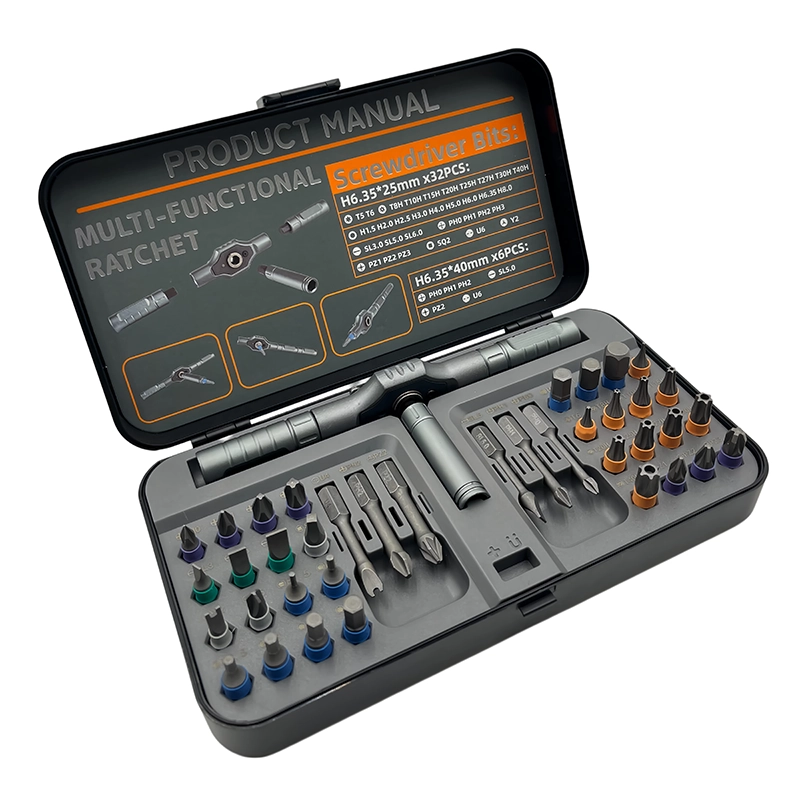
40-in-1 Ratchet Screwdriver Set
High-torque ratchet system for maintenance, assembly and confined-space work.
View product ↗