
Screwdriver bit materials
How to test screwdriver-bit fit, hardness and wear before a bulk order
Use a screwdriver bit fit hardness wear test to evaluate tip engagement, material evidence, HRC method and application-specific wear before a bulk order.
Quick Answer
A screwdriver bit fit hardness wear test should combine three separate checks: tip engagement on the target fastener, hardness evidence for the selected bit and controlled wear observation in the intended use. Record the interface, profile, fastener, method and result so a material label or isolated HRC value is not mistaken for proof of bulk suitability.
Buyer Takeaways
- Anchor screwdriver bit fit hardness wear test to the exact product configuration and target use.
- Request evidence that states the method, condition, reviewer and decision supported.
- Keep the approved sample, specification and pack-out under one controlled version.
- Escalate material product, document or packaging changes before production release.
Set up a bit test around the target fastener
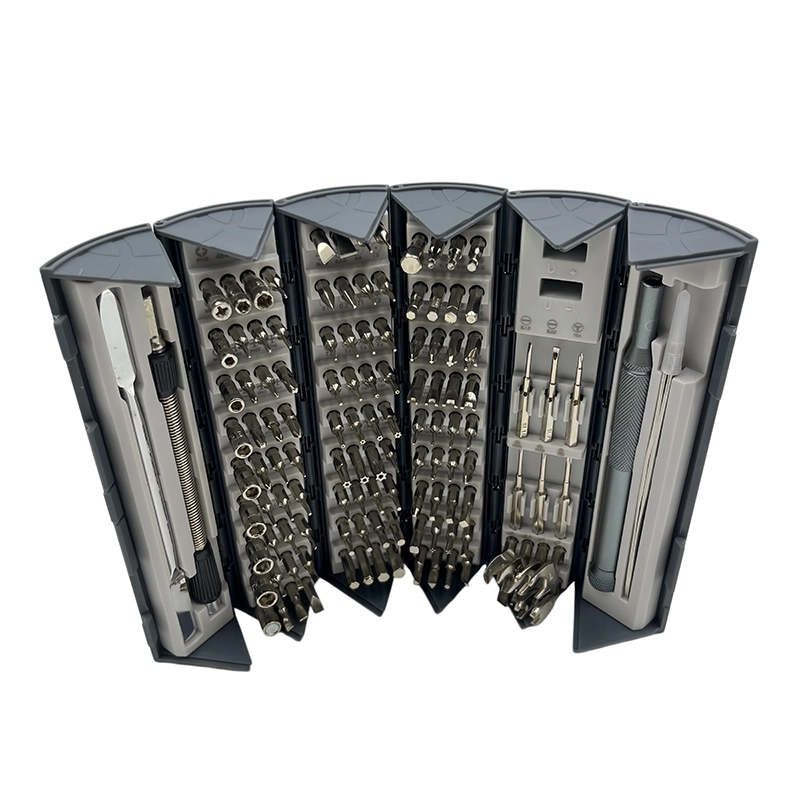
The selected bit must engage the fastener that the end user will encounter. Identify the profile, size, screw condition, recess depth and access constraint, then test seating and torque transfer on representative hardware. Use the actual 4 mm or 6.35 mm interface arrangement where relevant.
A clean fit record helps the buyer distinguish a geometry issue from a handle, extension or user-control issue. It also gives the supplier a concrete basis for reviewing a proposed bit change.
Request hardness evidence with its method
Hardness evidence should identify the selected bit, material or specification, test method and relevant area being assessed. If HRC is part of the buyer requirement, state the requested result format and who will review it. Do not rely on an unconnected material label to make a durability promise.
The commercial decision is whether the evidence supports the target application, not whether one terminology is more marketable. Test results should be reviewed alongside fit and use observations.
Decision evidence
Evidence requirement
A sample-test plan for profile fit, dimensional control, hardness target, surface condition and repeat-use wear.
- Confirm the selected model or kit configuration before reviewing a claim.
- Use a documented sample method and retain the result with the approval record.
- Escalate any change that could affect buyer acceptance before bulk release.
Buyer Comparison
Bit test evidence
| Test | Controlled input | Decision use |
|---|---|---|
| Fit | Profile, fastener and interface | Confirms engagement |
| Hardness | Selected bit and stated method | Reviews material evidence |
| Wear | Defined sample-use sequence | Identifies high-use risk |
| Retention | Holder or extension interface | Prevents compatibility mismatch |
Use a controlled wear observation
Wear depends on profile geometry, fastener condition, material, applied force and number of cycles. Define a repeatable sample-use sequence that resembles the target task, then observe the high-use bits for changes that matter to engagement. Note the bit and screw used, rather than applying the result to every profile in a kit.
When a profile is central to the offer, the buyer may decide to include a spare or change the configuration. That decision should follow the sample evidence, not a generic claim.
Compare interfaces and retention
A bit can have acceptable tip geometry but still be unsuitable if it does not fit the intended holder, extension or driver interface. Check insertion, retention, removal and stability under the intended manual or powered use. List the interfaces in the specification to prevent a sample from being evaluated with components that will not be supplied in bulk.
This is particularly important for mixed tool kits where a buyer might assume every bit fits every handle. The approved matrix should make compatibility clear.
Move the result into bulk-quality control
After sample review, retain the bit list, interface, test method, hardness evidence requested, observed wear and any acceptance note. Production inspection can then compare delivered bits and kit contents to the approved reference.
If an element changes, reopen the relevant fit, hardness or wear question. This avoids treating a one-time sample observation as a blanket assertion about all future deliveries.
Project Flow
Buyer workflow for Incoming Bit Verification Protocol
- 01
Identify bit and fastener
Step 1: document the an incoming screwdriver-bit sample requirement, keep the supporting evidence with the current configuration and assign a decision owner before the next commercial or production action.
- 02
Inspect fit and geometry
Step 2: document the an incoming screwdriver-bit sample requirement, keep the supporting evidence with the current configuration and assign a decision owner before the next commercial or production action.
- 03
Review hardness evidence
Step 3: document the an incoming screwdriver-bit sample requirement, keep the supporting evidence with the current configuration and assign a decision owner before the next commercial or production action.
- 04
Run controlled wear observation
Step 4: document the an incoming screwdriver-bit sample requirement, keep the supporting evidence with the current configuration and assign a decision owner before the next commercial or production action.
Things Buyers Should Check
Things Buyers Should Check
- ✓Confirm the current model or kit configuration.
- ✓Attach the target application, market and purchase scope.
- ✓Request evidence for the decisive technical or commercial question.
- ✓Approve the sample and related pack-out against one version-controlled record.
- ✓Review changes before production and shipment release.
Common Buyer Mistakes
Common Buyer Mistakes
Using a generic claim as the approval record for an incoming screwdriver-bit sample
The buyer cannot tell which version, condition or market the an incoming screwdriver-bit sample claim supports.
Tie the an incoming screwdriver-bit sample evidence to the exact configuration and a named decision.Comparing unlike supplier assumptions for engagement, profile geometry, wobble, Rockwell method, sampling, tip deformation, rounding, coating wear and fastener damage
Price, schedule or capability appears comparable when the stated scope is actually different.
Normalize the an incoming screwdriver-bit sample brief and record exclusions before choosing.Letting a late an incoming screwdriver-bit sample change bypass review
The original sample or document may no longer match the production configuration.
Use a Incoming Bit Verification Protocol change record that names evidence, impact and approval owner.Practical tool
Incoming Bit Verification Protocol
Copy the Incoming Bit Verification Protocol into an RFQ, supplier-comparison sheet or sample-approval meeting. Replace bracketed fields with the buyer’s actual project information.
PROJECT / APPLICATION
[Target repair, assembly or sales-channel use]

CONFIGURATION
[Model, revision, battery, bit interface, accessories and pack-out]

DECISION TO MAKE
[engagement, profile geometry, wobble, Rockwell method, sampling, tip deformation, rounding, coating wear and fastener damage]

EVIDENCE REQUIRED
[bit profile and size, test fastener, engagement photographs, hardness method and location, repeat-use observation and acceptance decision]

ACCEPTANCE BASIS
[Buyer-approved criterion, deviation route and decision owner]

NEXT STEP
[Sample, revision, re-inspection, booking or PO release]
Frequently Asked Questions
Frequently Asked Questions
How do I test screwdriver bit fit?
Use the selected bit and intended interface on representative target screws, then record seating, engagement and any slipping or wobble.
Is an HRC result enough to approve a bit?
No. It should be reviewed with the bit identity, test method, geometry, fit and application-specific use observation.
Why test wear separately?
Wear depends on the actual profile, screw and use sequence; it cannot be inferred safely from material terminology alone.
Can 4 mm bits be used in 6.35 mm tools?
Only with a confirmed compatible holder or adapter arrangement. Verify the actual interface before approval.
What evidence belongs in a bulk order file?
Include the bit list, interface, approved sample test, material or hardness evidence requested and change-control record.
Final Buyer Recommendation
Use this guide to structure the next buyer decision for screwdriver bit fit hardness wear test. Confirm the exact product configuration, target market and order conditions in the RFQ or sample-approval record before committing production.
Related Products
Related Products
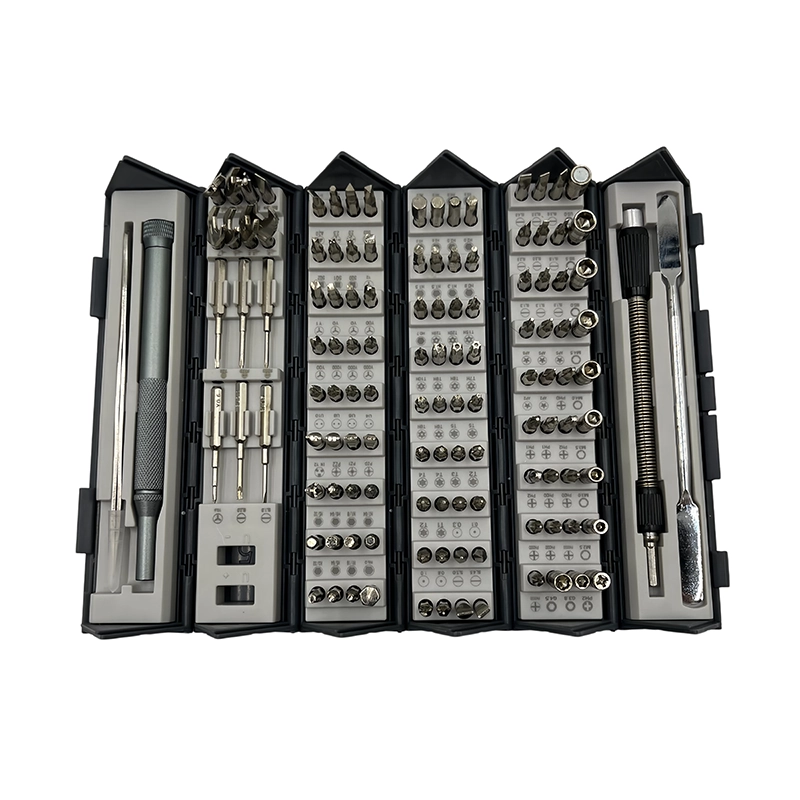
128-in-1 Manual Precision Screwdriver Set
Manual precision repair kit for electronics maintenance, workshops and retail ranges.
View product ↗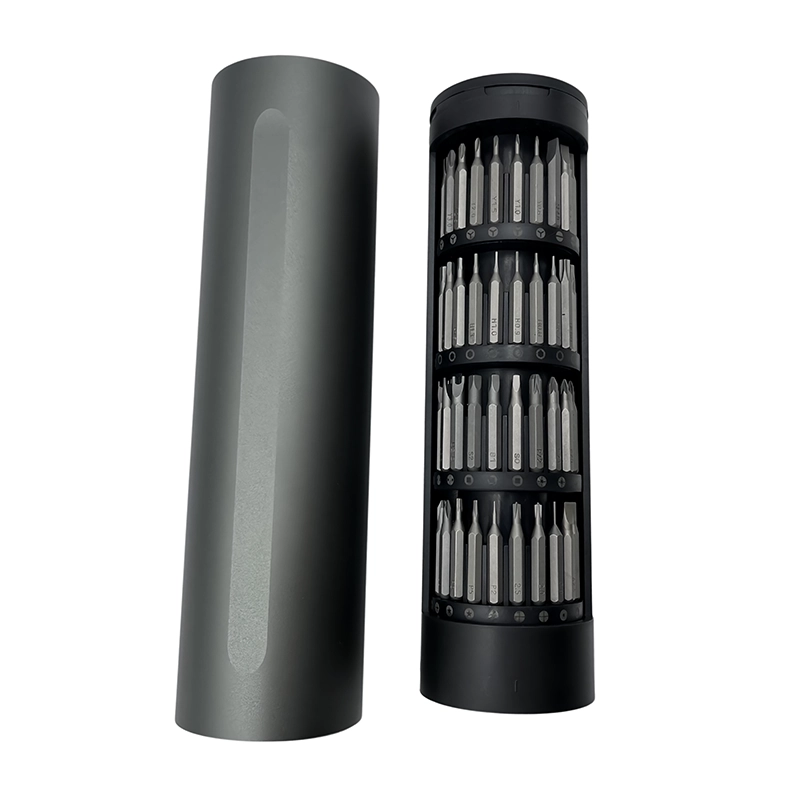
67-in-1 Electric Precision Screwdriver Set
Rechargeable precision system for smartphones, laptops, cameras and small electronics.
View product ↗