
What buyers are really looking for in a rotary tool pen manufacturer
When sourcing a rotary tool pen manufacturer, most buyers are not just hunting for a factory that can assemble a small handheld tool. They are trying to answer a more practical question: who can build a compact, reliable, market-ready product that will actually move in distribution, eCommerce, or private label? That matters because pen-style rotary tools sit in a crowded middle ground. They are small enough to sell as impulse-friendly DIY items, but technical enough that weak assembly, poor fit, or unstable supply can turn into returns and margin loss fast.
For sourcing managers and product teams, the decision is rarely about the tool alone. It is about whether the supplier can support configuration, packaging, accessory selection, and repeatable quality. In other words, you are not only buying a product; you are choosing a partner for a product line.
Why pen-style rotary tools are attracting attention
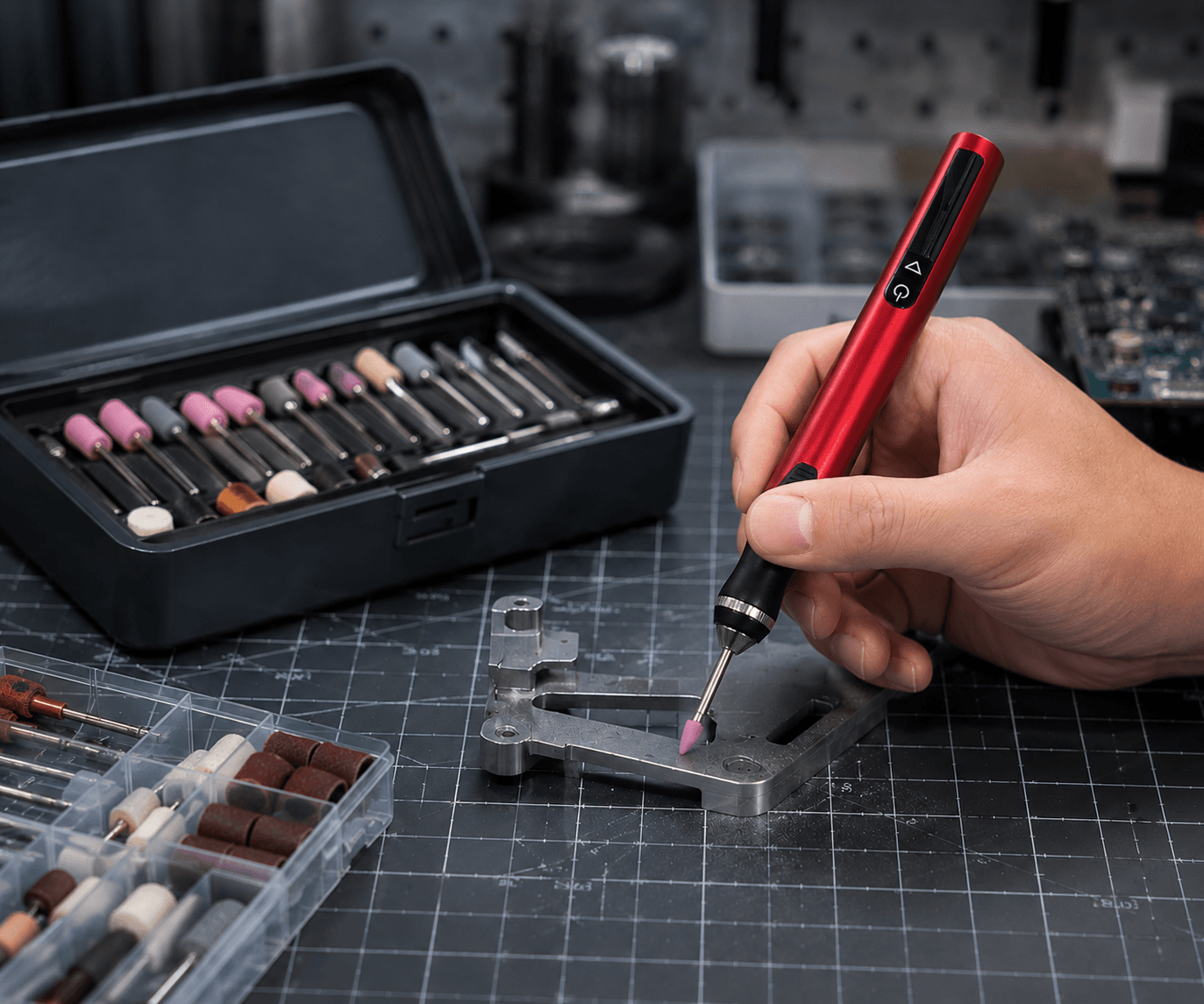
Compact rotary tools continue to show up in tool kits, repair bundles, craft sets, and hobby categories because they solve a familiar problem: users need controlled power in a small space. A pen-shaped body gives better fingertip control than a bulkier handheld grinder. That makes the format attractive for electronics repair, model making, jewelry work, engraving, polishing, deburring, and light drilling.
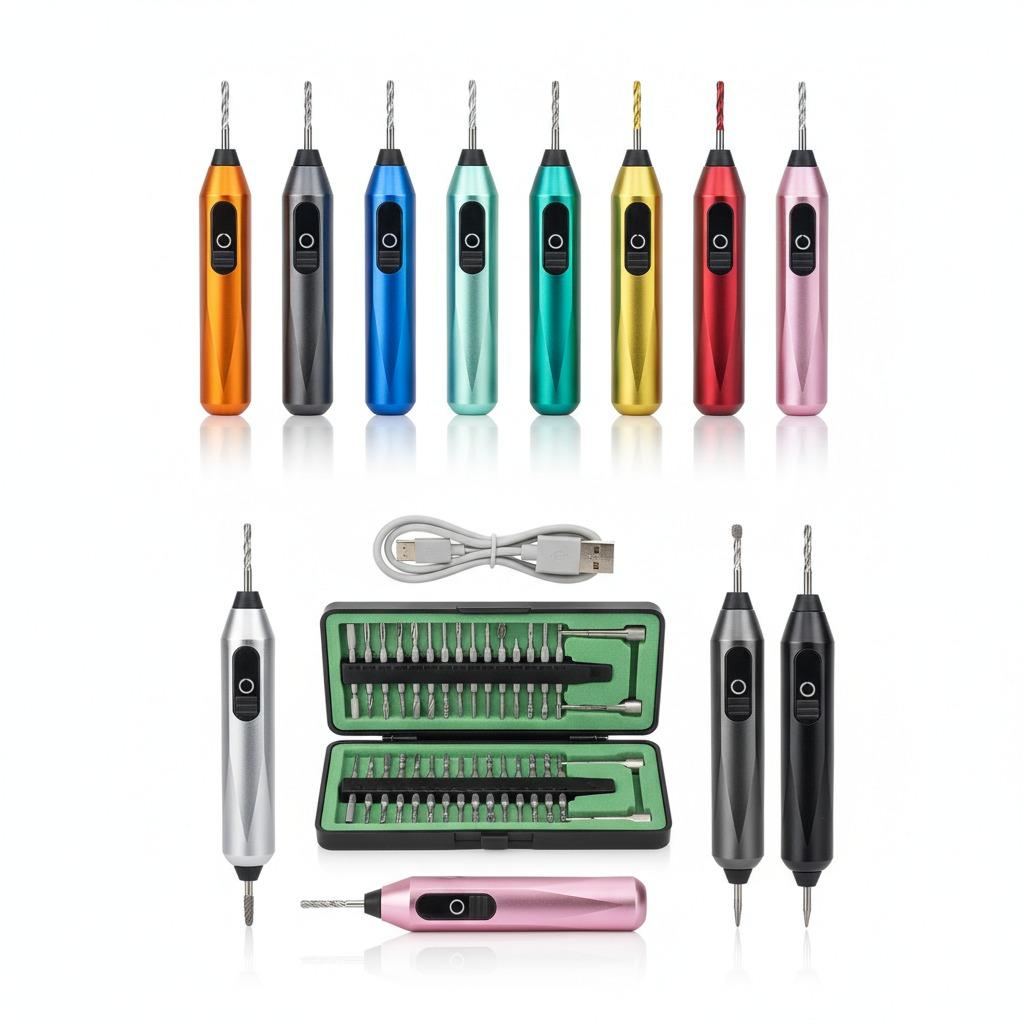
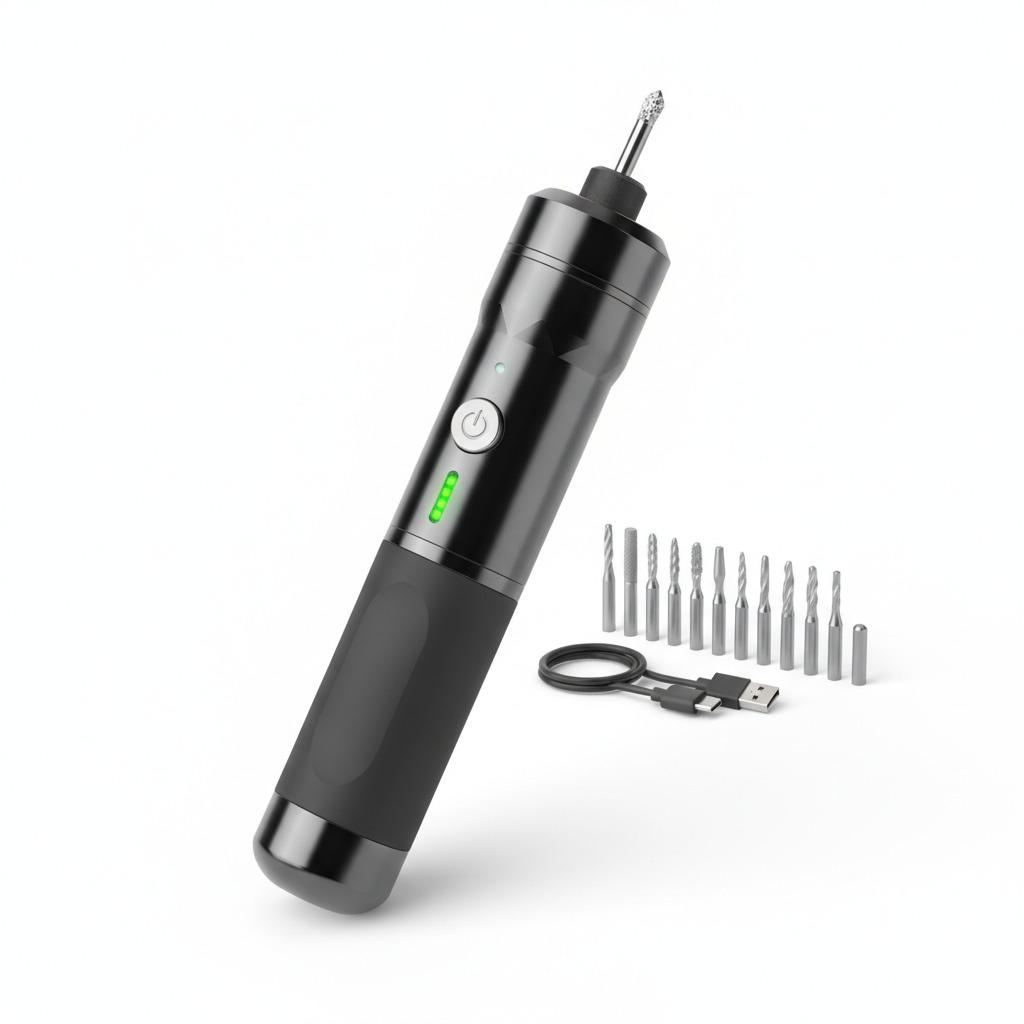
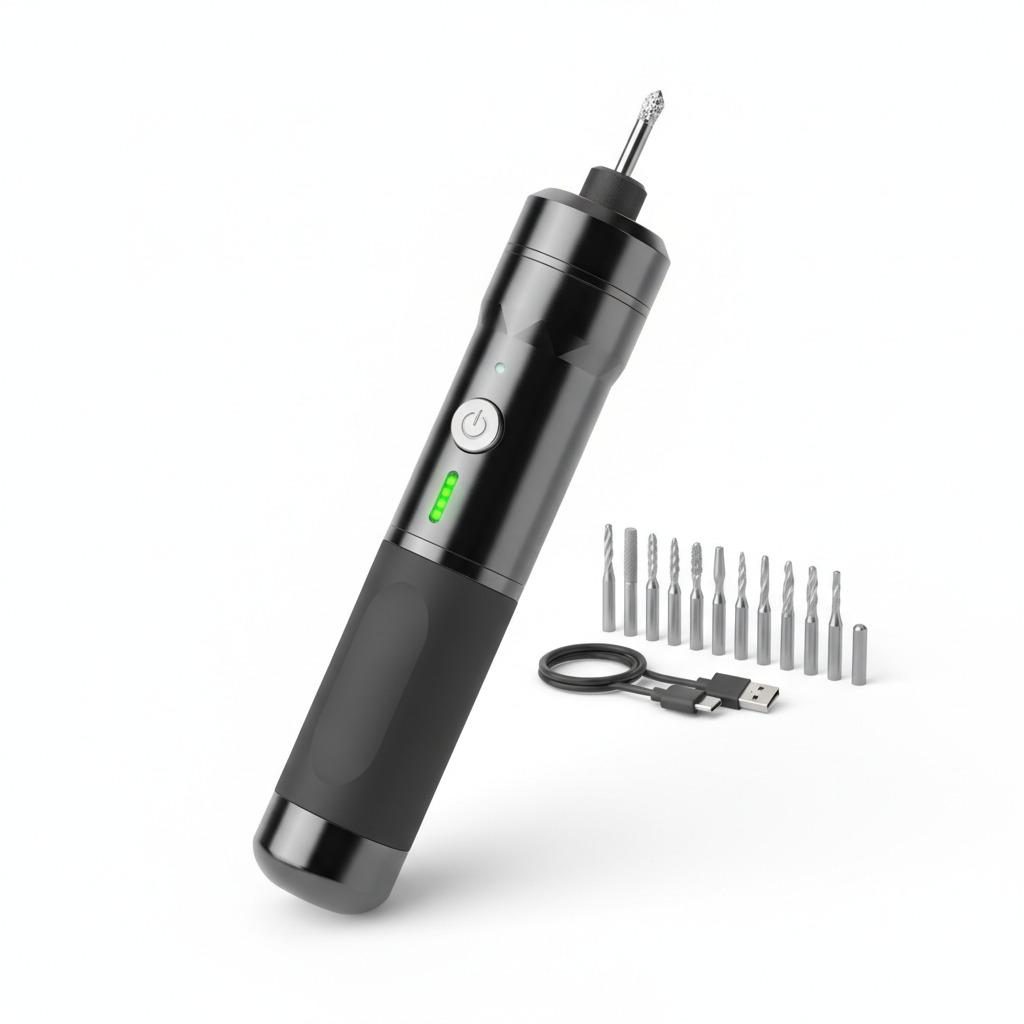
The products in this category are usually cordless-looking, slim, and easy to position over a small work surface. Some versions resemble a precision electric screwdriver; others look more like a mini rotary tool or micro grinder. The common selling points are clear enough from the product structures: narrow shaft, top-mounted bit or chuck, pen-style grip, and a compact control area. In some models, buyers will also see LED-style indicators, multiple color finishes, or bundled accessory trays.
Quick takeaways before you compare suppliers
If you are evaluating a rotary tool pen supplier, a few points deserve attention before you get lost in catalog photos.
First, do not assume all pen-shaped tools serve the same market. A model intended for hobby engraving may not suit electronics repair or nail-care buyers. Second, accessory kits matter more than many teams expect. A tool with a good body but a poor bit set often underperforms on shelf appeal. Third, finish quality is visible immediately in this category. Faceted metallic sleeves, black grip sections, and clean front housings can lift perceived value, but only if the product feels solid in hand.
Finally, be careful with claims. Unless a manufacturer has provided exact specifications, avoid making assumptions about battery capacity, RPM, torque, charging method, or accessory compatibility. In this category, those details are often what separate a safe launch from a costly refund cycle.
What Shenzhen ToolQeen Technology Co., Ltd. brings to the category
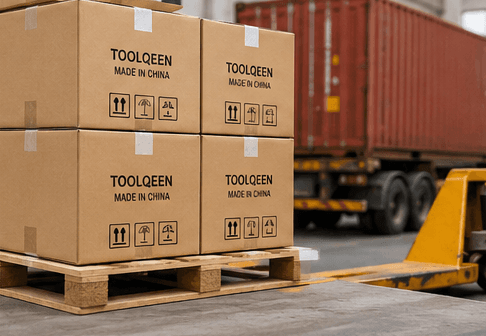
Shenzhen ToolQeen Technology Co., Ltd. positions itself as an OEM/ODM tool kit manufacturer focused on electric tools and repair kits. Its product scope includes mini electric screwdriver sets, electric rotary tools / grinder pens, ratchet screwdriver tool kits, and multi-functional repair tool kits. That range matters because it suggests the company is already working in adjacent formats, not trying to enter the category from scratch.
For buyers, that usually means a more practical development conversation. Instead of asking a factory to invent the market from zero, you are talking to a supplier that already understands how tool kits are configured, packaged, and sold across retail channels. The company also states that it supports logo printing, color options, and packaging design, which is especially relevant for private label programs and Amazon-style launches where presentation can affect conversion.
The company also describes fast sampling in 3–5 days and bulk production in 10–15 days. Those are company-provided figures, so treat them as supplier claims rather than universal promises, but they do signal a flexible production mindset. For many buyers, that matters almost as much as the product itself.
How to judge a rotary tool pen factory beyond the sample
A good sample is helpful. It is not enough. In this product category, the real test is whether the factory can repeat the sample consistently while keeping the visual and mechanical details stable across batches.
1. Body construction and finish
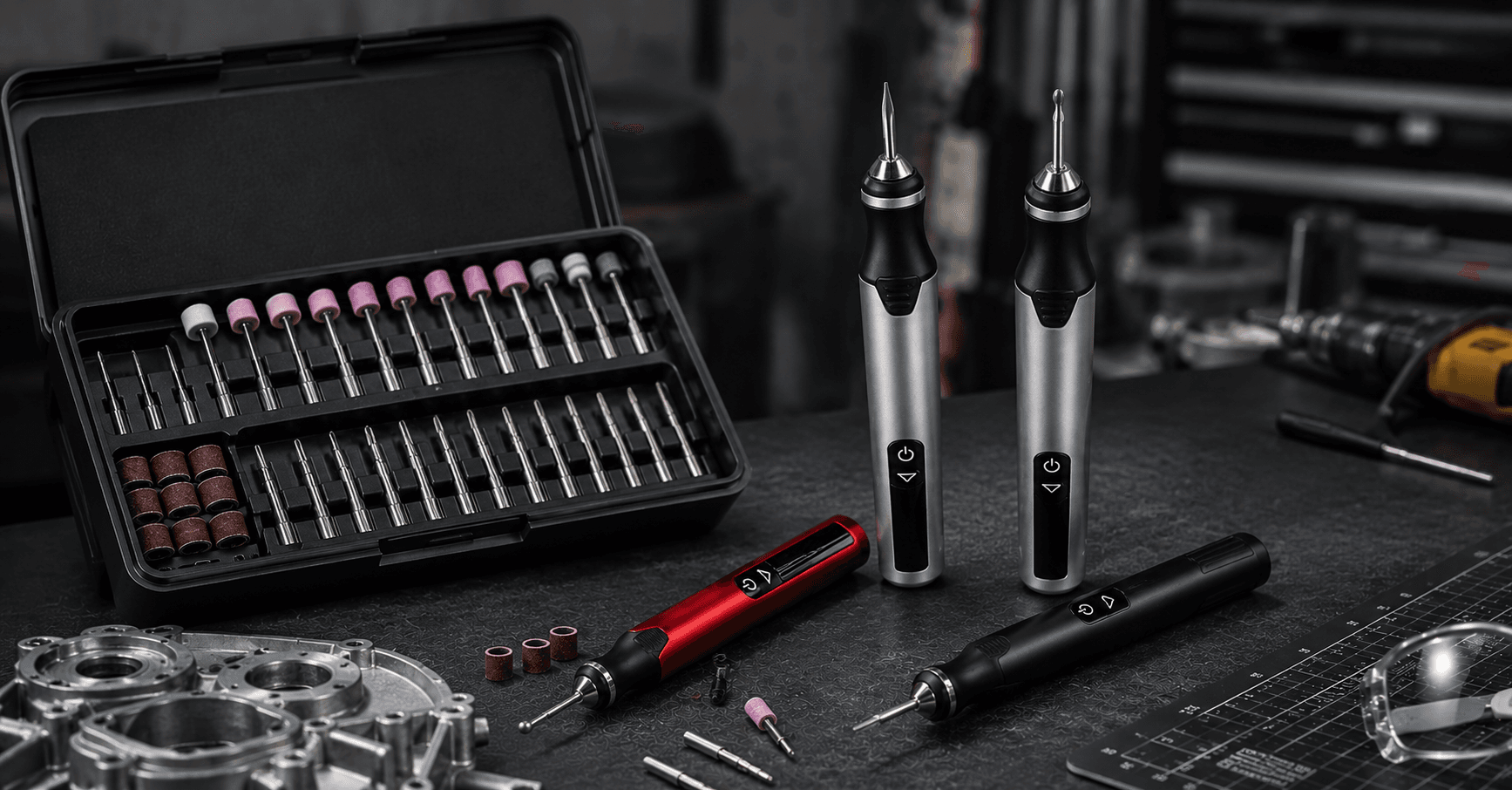
Visible product details tell you a lot. Some versions use a metal-looking body with anodized or painted finishes. Others show a faceted sleeve, a black polymer grip, and a metallic front shaft. That mix is common in consumer electronics assembly for small handheld tools. The important thing is not whether the body is genuinely metal or metal-clad plastic; it is whether the finish holds up, the joints stay clean, and the tool feels balanced.
2. Control layout
A front control interface with a button and indicator panel can improve perceived usability, especially on cordless-looking models. Buyers should check whether the control placement makes sense for one-handed use. A well-placed switch is a small detail, but in a pen-style tool it changes the entire user experience.
3. Accessory system
Some products ship with a storage tray and interchangeable bits. That is often the difference between a bare tool and a sellable kit. If you are building a retail bundle, the accessory set should support the intended use case. A polishing set for jewelry buyers, for example, will not be judged the same way as a deburring kit for repair users.
OEM and ODM choices: which path fits your market?
For this category, rotary tool pen OEM and rotary tool pen ODM are not just manufacturing terms. They describe two different commercial strategies.
OEM is usually the better fit when you already know the product direction and want your own branding, packaging, and perhaps a specific colorway or accessory combination. ODM makes more sense if you want the supplier to guide the product structure itself, based on market demand and existing best-sellers.
Shenzhen ToolQeen says it works with market-driven product development and supports OEM/ODM customization. That is the sort of setup many distributors prefer when they want speed without building a design team around a small tool category. Still, the buyer should stay disciplined: ask what can be changed, what is fixed, and which custom requests will affect tooling, assembly, or price structure.
Common mistakes buyers make in this product category
One common mistake is treating all compact rotary tools as interchangeable. They are not. A design that looks good in a photo may feel awkward in the hand or be better suited to a different customer group.
Another mistake is overloading the kit with accessories that look impressive but do not support the core use case. More bits do not always mean a better product. Sometimes a tighter, more deliberate set sells better because it gives the customer a clearer purpose.
A third mistake is ignoring packaging. In a category where buyers compare several nearly identical products, packaging does real work. A clean box, a sensible insert tray, and a clear use-case message can help a listing or shelf display more than one extra accessory ever will.
And a practical warning: do not promise too much in your catalog or listing copy if the supplier has not confirmed the specification. With small power tools, vague marketing language turns into customer complaints very quickly.
Who should buy from a rotary tool pen wholesale supplier?
A rotary tool pen wholesale program makes the most sense for distributors, eCommerce sellers, retailers, and brand owners who need repeatable supply more than one-off customization. It also suits repair businesses that want bundled kits for resale or internal use.
If your business is built around assortment and margin, wholesale is often the most efficient route. If your business depends on differentiation, look closely at whether the factory can support small but visible customizations: logo placement, body color, accessory arrangement, and retail packaging. That is where a rotary tool pen supplier becomes more valuable than a simple trading channel.
Practical questions to ask before you place an order
You do not need a 40-question audit, but you do need a few direct answers.
Ask what product category the tool is officially positioned in: rotary tool, micro grinder, engraving pen, or precision electric screwdriver-style product. Ask which components are customizable and which are standard. Ask whether the accessory kit can be adjusted for your target market. Ask how the factory handles inspection, packaging consistency, and replacement parts if needed.
If you are working with a rotary tool pen factory, it is also worth requesting photos of current production lines, packaging options, and sample configurations. Not because every supplier needs to look perfect, but because small tools often hide big differences in assembly discipline.
FAQ for sourcing teams
Is a pen-style rotary tool best for consumer or professional use?
It can serve either market depending on configuration, but most pen-style models are best understood as precision tools for light workshop, repair, hobby, or beauty-adjacent tasks rather than heavy-duty industrial work.
Should I prioritize body design or accessory set?
For this category, both matter. Buyers often notice the body first, but repeat use is driven by the accessory set and how well it matches the job.
Can one factory handle both tool production and packaging?
Many can, and that is often preferable. A one-stop setup reduces coordination problems, especially when you are building a branded retail line.
A sensible next step
If you are comparing suppliers for a new tool launch or a refreshed kit line, start with a sample review and a clear discussion of customization. Shenzhen ToolQeen Technology Co., Ltd. presents itself as an OEM/ODM partner for electric tools and repair kits, with support for logo, color, and packaging customization. For buyers, that makes the conversation more efficient: you can move from product concept to market-facing bundle without wasting time on a supplier that does not understand retail realities.
For sourcing teams, that is often the real difference between a workable product and a product that just looks workable on paper.