
What buyers really mean when they search for an OEM screwdriver bits supplier
When sourcing a OEM screwdriver bits supplier, most buyers are not just looking for loose bits in a box. They are usually trying to solve a larger problem: how to build a sellable tool kit, keep assembly and repair performance consistent, and avoid the kind of quality drift that turns into returns. That matters whether you are a distributor, an Amazon seller, a brand owner, or a repair-tool buyer planning a private-label line.
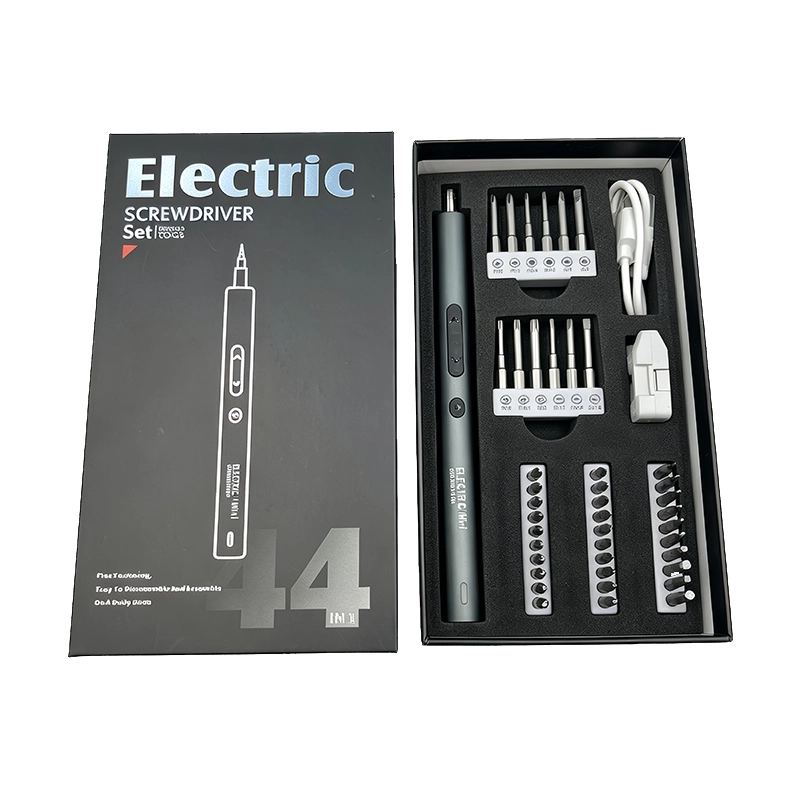
The kit in front of us is a good example of the category. It is a compact 35 in 1 electric screwdriver set, with a pen-style powered driver, a charging cable, a bit storage strip, and accessory pieces for everyday precision work. The product is aimed at small fasteners, not heavy-duty construction. That distinction is worth saying plainly, because too many buyers overestimate what a mini powered driver can do and then ask a precision set to behave like a full-size cordless drill.
For sourcing teams, the real decision is not “Can this supplier make bits?” It is “Can this supplier build a consistent system: bit geometry, tool fit, packaging, branding, and reliable kit assembly?” That is where an experienced screwdriver bits manufacturer becomes more useful than a commodity parts seller.
Why the bit supplier matters more than the headline kit
A precision electric screwdriver is only as good as the bits it carries. The motor and battery may get attention in marketing, but the user experience usually comes down to fit, tip accuracy, and how well the bit interfaces with the fastener. If the fit is loose, the screw head cams out. If the tip is poorly formed, it wears quickly. If the kit is badly organized, the user loses time hunting for the right driver.
That is why OEM buyers often focus on the bits first, then build the rest of the kit around them. A supplier offering custom screwdriver bits can help define the assortment for specific use cases: phone repair, laptop service, eyewear, small appliances, toy repair, or general household maintenance. The best assortment is not always the biggest one. It is the one that matches the screws your users actually see.
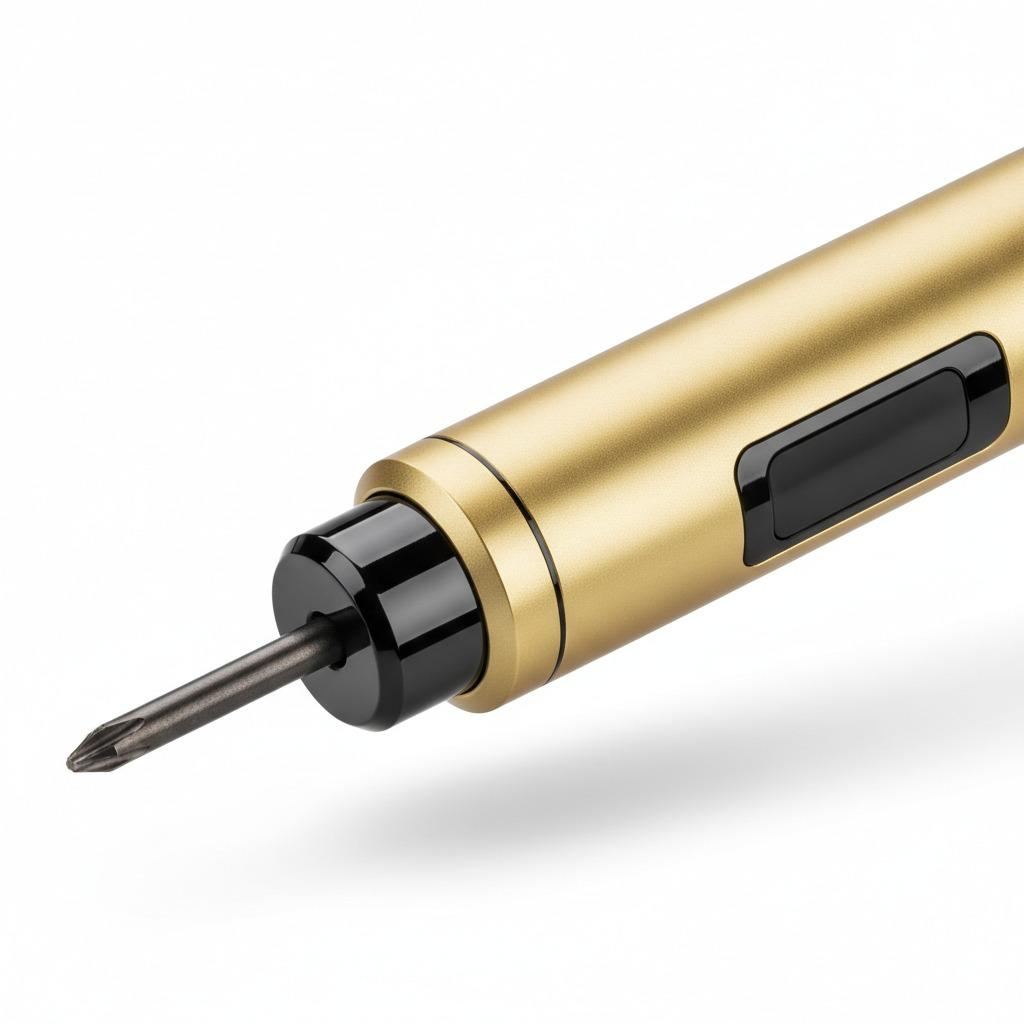
In this product category, the visual cues are straightforward: a gold-and-black electric driver body, multiple interchangeable bits, a molded tray, a USB charging cable, and a compact case layout. The format is portable and retail-friendly, which is exactly why these kits have become common in electronics repair and DIY channels.
Quick reference: what to evaluate before you place an order
1) Bit assortment
The “35 in 1” claim tells you the kit is positioned as a broad-use set, but the exact bit mix still matters. Buyers should confirm which profiles are included and whether the kit contains the shapes they need for their market. For many repair applications, Phillips screwdriver bits remain a staple, while Pozidriv screwdriver bits may be needed in some furniture and appliance use cases.
2) Fit and retention
Even without exact torque data, a buyer should ask how the bits seat in the chuck or bit holder. A stable fit is important for small screws, especially in electronics where slippage can mark a housing or strip a head.
3) Packaging and storage
The visible foam insert and organized strip are not decorative details. They reduce loss, improve retail presentation, and make the kit easier to use in a workshop. For eCommerce, organized packaging also photographs better and tends to convert better.
4) Power and charging presentation
The included charging cable signals that the driver is intended to be rechargeable, but buyers should still verify the actual charging standard, battery configuration, and runtime claims before advertising anything specific.
How OEM screwdriver bit programs are typically built
A typical OEM program for this kind of product starts with the bit list. That list determines the rest of the kit: the tray size, the storage layout, the case dimensions, and sometimes the retail positioning. A company like Shenzhen ToolQeen Technology Co., Ltd., which focuses on electric tools and repair kits, is set up around this kind of market-driven configuration work.
Their business model is not only to supply components, but to assemble a sellable product line. According to the company information provided, the range includes mini electric screwdriver sets, rotary tools, ratchet screwdriver kits, and multi-functional repair tool kits. That matters because sourcing managers often prefer one supplier who can handle adjacent product families instead of managing several fragmented factories.
A good OEM flow usually includes:
- confirming the user scenario
- selecting the bit profiles
- deciding the number of pieces in the kit
- choosing the body color and finish
- setting the packaging style
- testing the fit between bits, holder, and driver body
That sounds simple, but it is where many private-label launches stumble. The box looks good; the contents are not quite right for the intended buyer.
Where bulk screwdriver bits fit into the larger purchasing decision
For buyers planning repeat orders, bulk screwdriver bits are usually part of a wider supply strategy rather than a standalone purchase. The same supplier may provide replacement bit packs, upgraded kits, or alternative assortments for different channels.
This is useful because one market rarely behaves like another. A repair shop may want durability and frequent replacement. A marketplace seller may want a broad assortment and attractive packaging. A distributor may need stable carton packing and predictable replenishment. The “best” kit is different in each case.
That is also why suppliers with OEM and ODM capability tend to be more practical than factories that only run one fixed specification. Shenzhen ToolQeen says it supports logo printing, color options, and packaging design, along with fast sampling. For private-label buyers, that kind of flexibility can shorten the path from concept to shelf.
Buyer cautions that are easy to miss
There are a few traps that show up again and again in this category.
First, do not let a long assortment hide poor relevance. A 35-piece set can still be weak if half the bits are not useful in your target market.
Second, do not assume the driver body tells the whole story. The gold metallic shell and compact form factor look premium, but the meaningful questions are still internal: motor quality, battery setup, control response, and charging behavior. Those are not visible in the product image, so they need to be confirmed in the spec sheet or sample review.
Third, make sure the bit pack matches the end user’s habits. Repair technicians often want very specific profiles, while casual users prefer an all-purpose kit. A mismatch here leads to dead inventory more often than a bad carton does.
Fourth, remember that precision tools are sold on trust. If the user strips a fastener on a phone back cover or laptop plate, they may blame the product rather than the job. That means tolerances in actual production consistency matter, even when the final buyer cannot measure them directly.
How this kind of kit is positioned in the market
This electric screwdriver set sits in a useful middle ground. It is more capable than a hand-only mini driver, but lighter and simpler than a full power tool. That makes it suitable for electronics repair, small appliances, eyeglasses, and light assembly work.
For retail buyers, that middle ground is attractive because it supports a broad audience. For B2B buyers, it creates a clean opportunity for bundling: add replacement bits, add a second accessory pack, or offer variant packaging for different regions. The product is also compact enough for eCommerce fulfillment, which helps when warehouse space and shipping weight both matter.
A supplier experienced in this category usually understands that the kit is part tool, part presentation. The tray, the organized bits, the charging cable, and the driver finish all contribute to the perceived value. That is not cosmetic fluff; it affects return rates and conversion.
Practical questions to ask before final approval
Before you commit to a sample or bulk run, ask for answers to a few basic points:
- Which bit profiles are included in the exact kit?
- Are Phillips screwdriver bits and Pozidriv screwdriver bits available in the assortment if needed?
- Is the driver truly rechargeable, and what charging format does it use?
- Can the logo, tray layout, or packaging be customized?
- What sample lead time and production support does the supplier offer?
The provided company information says samples can be produced in 3–5 days and bulk orders in 10–15 days, though buyers should always confirm timelines for the exact project before planning a launch. That kind of caution saves a lot of friction later.
What a strong OEM partner should help you do
A strong OEM screwdriver bits partner should do more than take an order. It should help you build a product that fits a channel. That includes advising on assortment, packaging, and cost-performance balance, not just quoting a price per kit.
Shenzhen ToolQeen presents itself as a one-stop OEM/ODM tool manufacturer with export experience in Europe, North America, South America, and Australia. For buyers who need a stable supply path, that mix of product development support and packaging flexibility is often more valuable than a bare-bones parts quote.
Next step for sourcing teams and product managers
If you are planning a private-label screwdriver kit, start with the end user, not the catalog. Define the screws they actually encounter, the size of the kit you want on shelf, and the packaging style that fits your channel. Then work backward to the bit mix and the driver configuration.
If your project needs an OEM/ODM tool kit manufacturer, Shenzhen ToolQeen Technology Co., Ltd. is positioned as a supplier of mini electric screwdriver sets, repair kits, and related tool products. Share your target market, preferred kit layout, and branding needs first; that makes the sampling conversation much more efficient than asking for a generic quote.
For buyers comparing a screwdriver bits manufacturer against a full kit partner, that is usually the right starting point. The best result is not just a box of bits. It is a product your customer can actually use without thinking about the factory behind it.