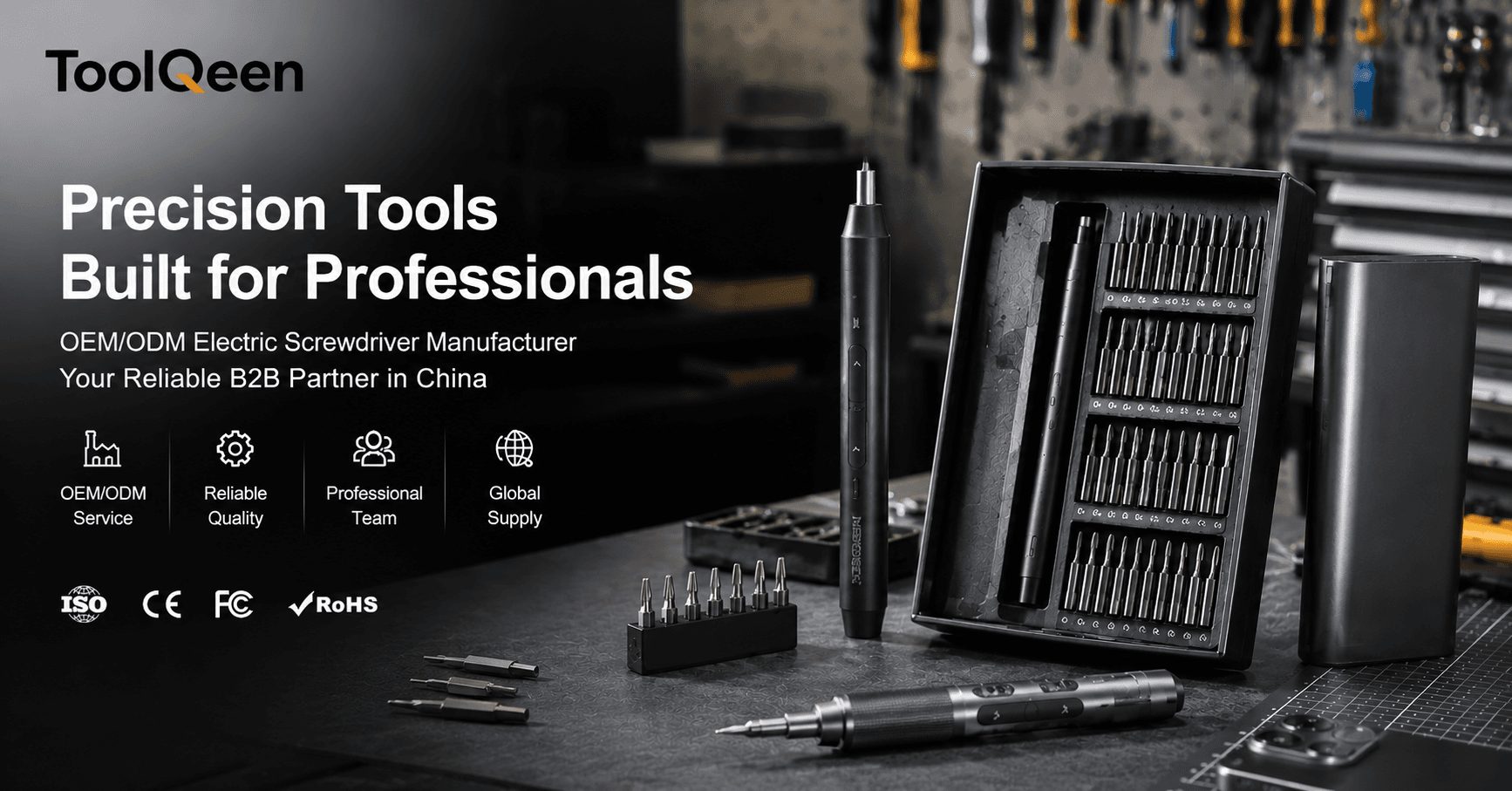

What an OEM screwdriver bits supplier really has to deliver
Choosing an OEM screwdriver bits supplier is not just a matter of finding someone who can stamp a logo on a box of bits. For sourcing teams, the real issue is whether the supplier can hold up across the entire chain: bit quality, kit consistency, packaging, and the kind of presentation that helps a tool line sell in retail or eCommerce. That matters especially in compact products like precision screwdrivers, where one weak bit, one sloppy tray, or one confusing accessory set can create returns fast.
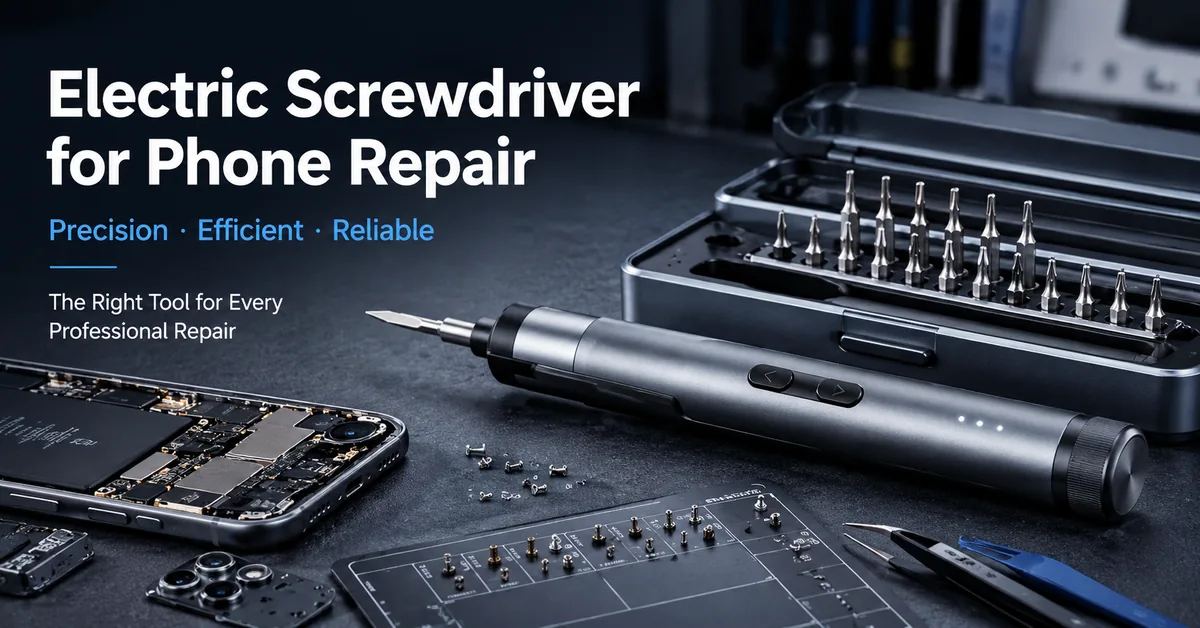
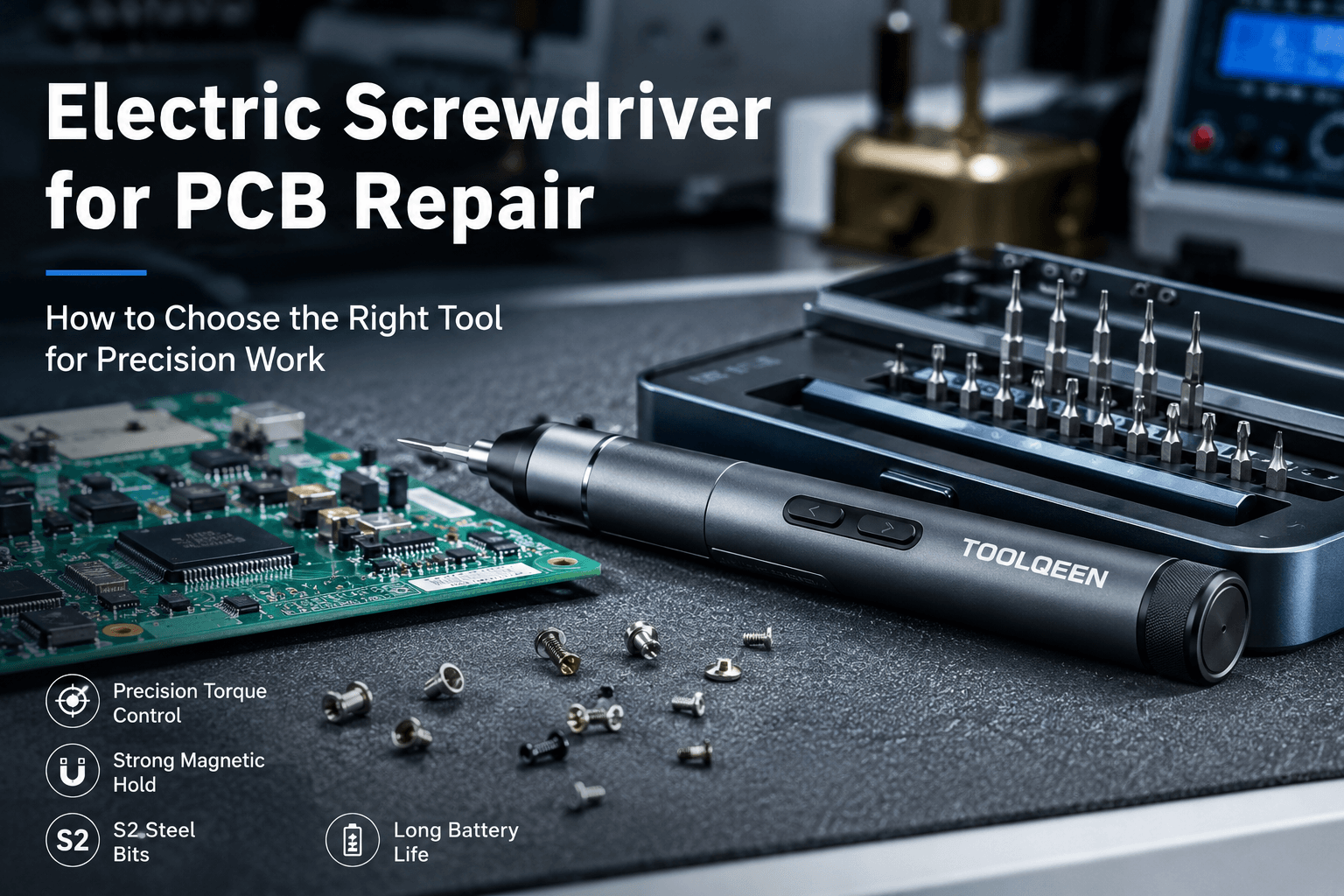
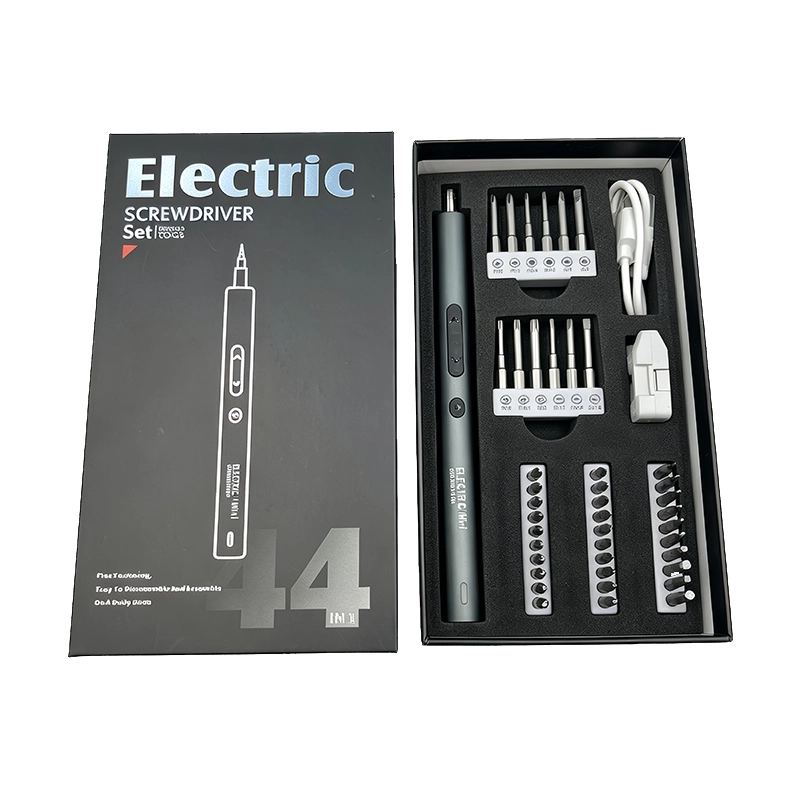
The product family shown here sits squarely in that space: a handheld electric screwdriver kit with a pen-style body, multiple precision bits, charging cable, and a molded storage tray. It is the sort of set buyers look at for phone repair, laptop work, small appliance maintenance, watches, eyeglasses, toys, and light assembly. The value is simple enough to state, but the buying decision is not. You are not only buying a tool. You are buying a configuration that has to be practical, giftable, and repeatable at scale.
Why precision screwdriver kits sell when they are built well
A small electric screwdriver kit succeeds when it removes friction from everyday repair work. Manual drivers can still be the right choice for some jobs, but in repetitive bench work the powered format saves time and reduces hand fatigue. That is especially true for tiny fasteners on consumer electronics and small devices, where users want control more than brute force.
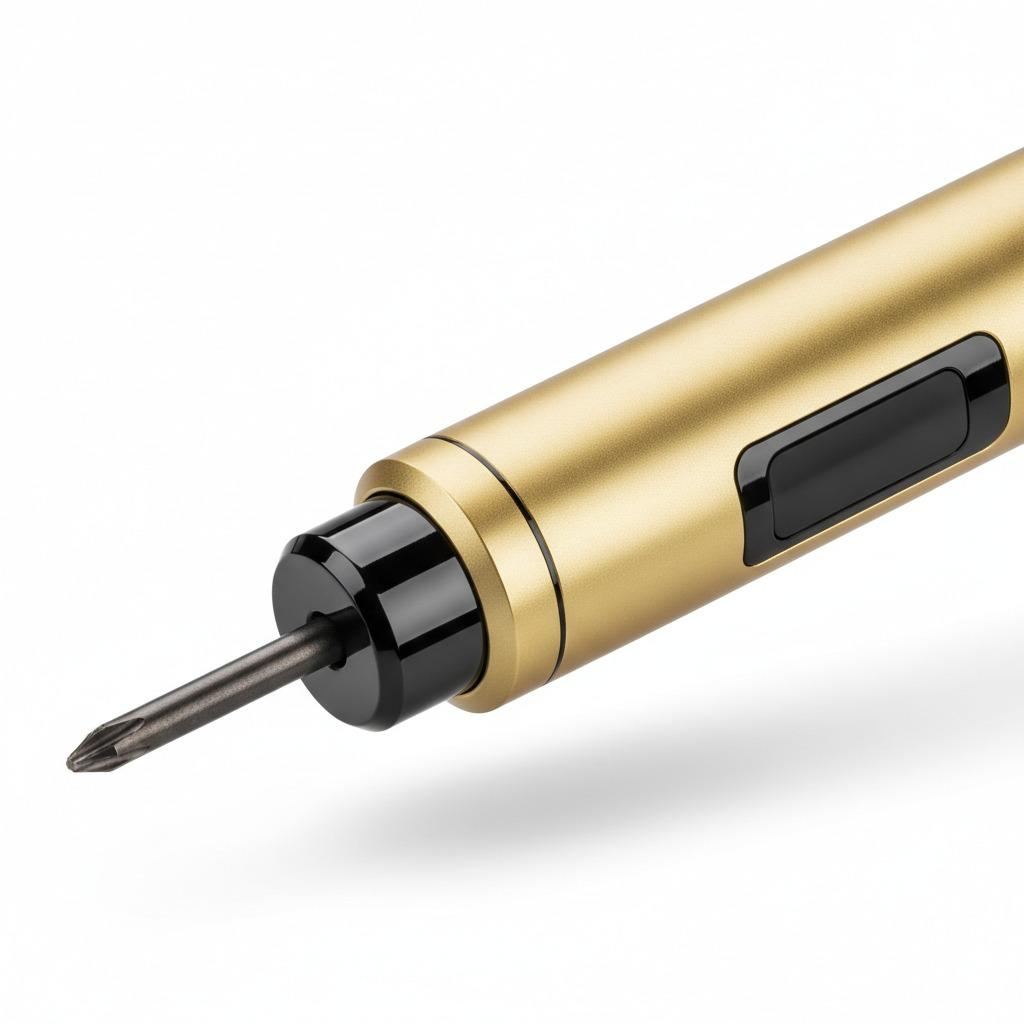
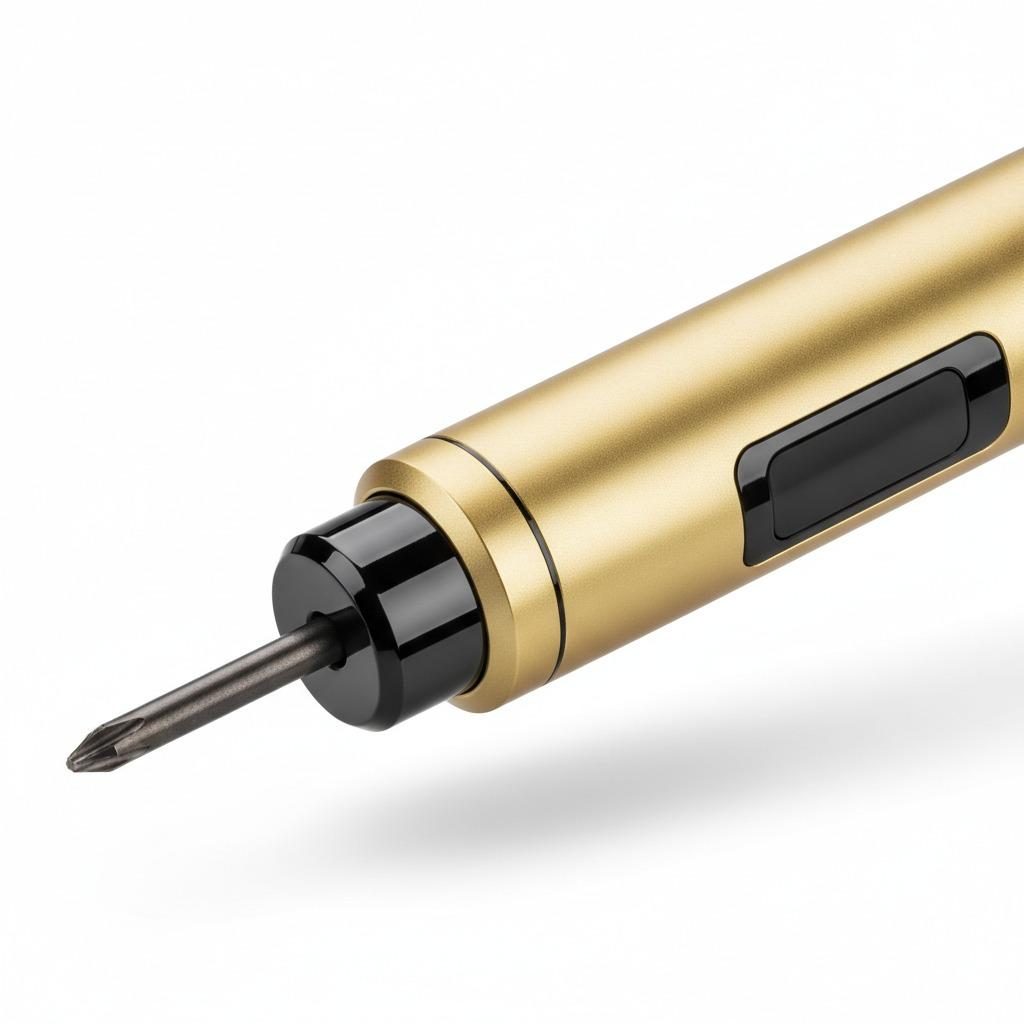
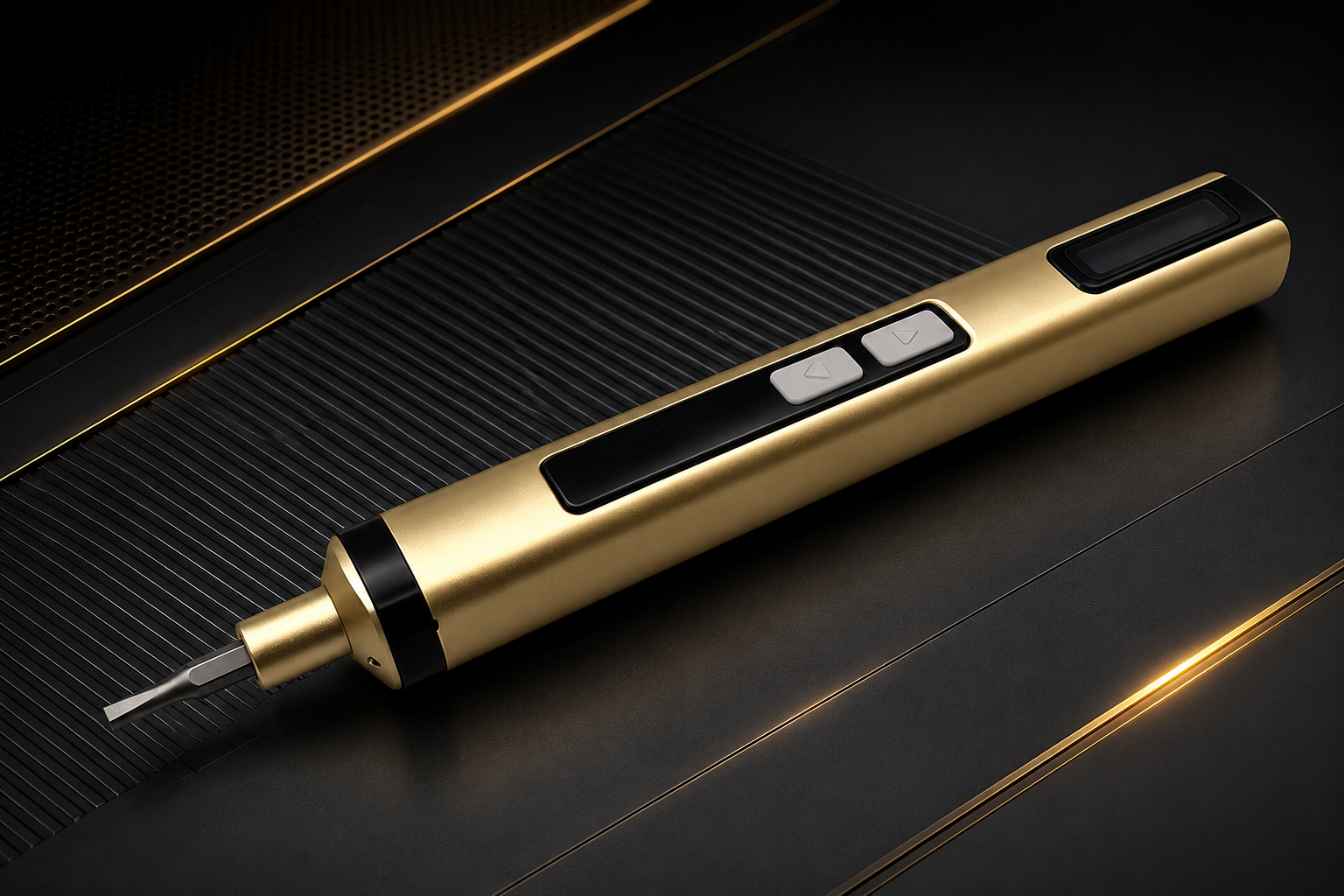
The visible format here tells you a lot. The gold-and-black cylindrical body, the front nose, the control buttons, and the arranged bit tray all point to a product meant to feel organized and ready to use. That presentation is not a cosmetic extra. In practice, it helps the buyer keep track of bit sizes and makes the kit easier to retail, display, and ship.
Key things a buyer should inspect in an OEM kit
When evaluating bulk screwdriver bits or a complete electric screwdriver set, the first mistake is to focus only on the headline spec. “35 in 1” is useful, but it does not tell the whole story. A sourcing manager should look at the bit assortment, the fit of the tray, the finish on the handle, and how the accessories support the intended use case.
Here is the short version of what matters most:
The bits should cover the likely repair jobs without padding the set with rarely used duplicates.
The handle should feel balanced and easy to control in tight spaces.
The packaging should protect the bits and make reassembly intuitive after use.
The accessory set should match the audience. A pry tool or spudger helps for electronics repair; it is less useful if the kit is positioned for general household fastening.
The charger cable should be included and clearly identified. A buyer should not need to guess what is in the box.
That may sound basic, but in OEM programs the basics are where quality drift shows up first.
Bit types, application fit, and why assortments matter
In screwdriver-bit sourcing, assortment design is just as important as raw material. A screwdriver bits manufacturer can make a long list of profiles, but the right kit is the one that matches real repair demand.
For many markets, Phillips screwdriver bits and Pozidriv screwdriver bits remain common references because they show up in general fastening, appliances, furniture, and light assembly. Precision kits for electronics also tend to include small cross-recess and specialty profiles, though the exact mix should be confirmed from the actual sample rather than assumed from a marketing claim.
That is where OEM work becomes interesting. A distributor may want a broader all-purpose set. An electronics repair brand may prefer a tighter set built around small fasteners and finer control. A private-label seller may want the same mechanical platform but different bit selection, color coding, or tray layout. Good custom screwdriver bits programs let you adjust the assortment without rebuilding the whole product from scratch.
What Shenzhen ToolQeen is positioning here
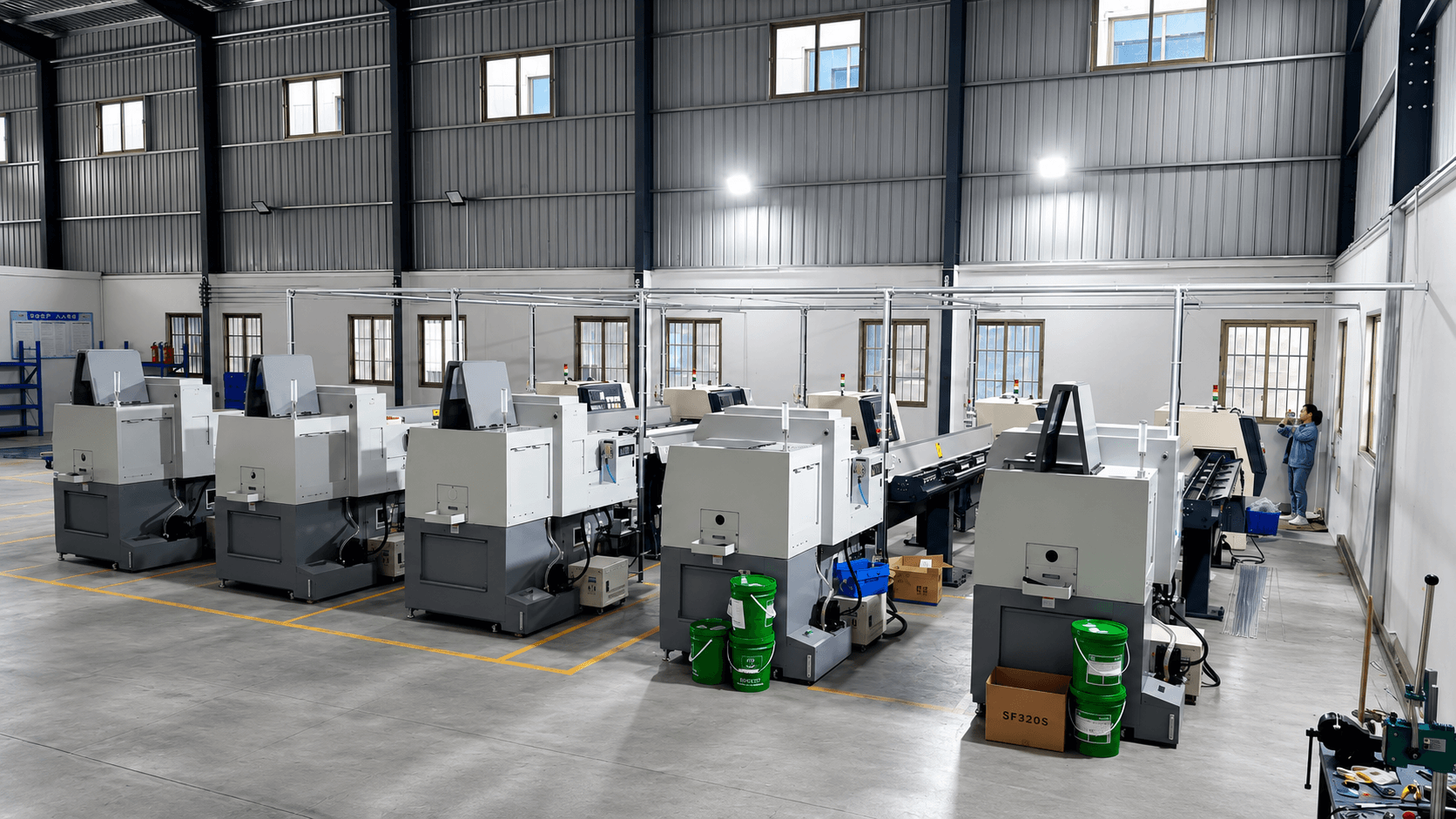
Shenzhen ToolQeen Technology Co., Ltd. describes itself as an OEM/ODM tool kit manufacturer with roots in screwdriver bits and a broader range that now includes mini electric screwdriver sets, electric rotary tools, ratchet screwdriver kits, and multi-functional repair tool kits. That history matters because bit-making and kit assembly are related, but not identical, disciplines. A supplier that understands both tends to be better at building a complete product line instead of shipping disconnected parts.
Their company information also points to market-oriented development, OEM and ODM customization, and support for logo printing, color options, and packaging design. For buyers, that is often the difference between a generic commodity and a product that can actually sit on a storefront page with a coherent identity.
The other practical point is supply flexibility. ToolQeen notes fast sampling and scalable production, which is useful for brand owners and eCommerce teams testing a new listing. Of course, any buyer should confirm the actual lead time for a specific project, but the broader message is clear: they are set up for product development as well as manufacturing.
Where buyers get tripped up
There are a few recurring mistakes in this category.
One is assuming all precision bits are equally durable. Steel is a broad category, and treatment, geometry, and finishing matter. Two kits can look similar in photos and perform very differently in daily use.
Another is ignoring the tray and storage system. A well-cut insert may look like packaging, but it is really part of the product experience. If the bits rattle around or are hard to return to place, the perceived quality drops quickly.
A third mistake is over-specifying the product before the market has been tested. Some buyers ask for every possible feature up front: adjustable torque, LED lighting, magnetic retention, multiple speed settings, and so on. Some of those features may be valuable, but not every retail channel needs them. A simpler, cleaner kit often wins if the use case is clear.
And there is a small caution worth stating plainly: do not lock in a final design based on a photo alone. In precision tools, the visible shell tells only part of the story. Internal motor, battery system, charging standard, and control behavior all need sample verification.
How to compare supplier options without wasting time
If you are sourcing bulk screwdriver bits or a private-label electric screwdriver kit, a good comparison process is straightforward.
Start with sample quality and consistency. Ask whether the bit profiles match the intended repair set. Then check how the handle, buttons, and bit interface behave in hand. After that, review packaging because retail-ready presentation can drive conversion just as much as the tool itself.
For brand projects, ask about customization boundaries early. Can the supplier adjust logo placement? Can the tray layout be changed? Can the outer box be reformatted for a different market? These questions sound commercial, but they affect engineering too. Packaging dimensions, insert design, and accessory count can all change the product cost and the user experience.
If the supplier is also a screwdriver bits manufacturer, ask how the bits are produced and organized in the kit. That does not require a deep metallurgy lecture, but it does help to know whether the same factory controls the core consumable part or is simply assembling purchased pieces.
Buyer-facing questions worth asking before you place an order
Before committing to an OEM screwdriver bits supplier, ask for answers to the following:
What exact bit profiles are included in the sample set?
Is the set positioned for electronics repair, general household use, or both?
Can the packaging and tray be customized for private label?
What accessories are standard, and which are optional?
How is quality inspection handled during assembly?
These questions are simple, but they surface whether the supplier is selling a true development partnership or only a fixed catalog item.
FAQ for sourcing teams
Are precision screwdriver kits only for repair shops?
No. They are used by repair shops, but also by eCommerce brands, electronics hobbyists, maintenance benches, and households that need a compact powered driver for small fasteners.
Should I ask for Phillips screwdriver bits and Pozidriv screwdriver bits in every kit?
Not automatically. Those profiles are common, but the right assortment depends on the market and the intended repair category. A phone repair kit is not the same as a general assembly kit.
What makes custom screwdriver bits worth the extra effort?
Customization lets you tune the set to your customer, which can improve usability and reduce dead inventory. It also helps private-label brands differentiate in crowded marketplaces.
Is a 35-piece kit always better than a smaller kit?
Not necessarily. More pieces can help, but only if the selection is logical. A smaller, better-edited kit often feels more premium than a bloated one.
A practical next step for sourcing and product teams
If you are evaluating a new electric screwdriver line, treat the supplier search as both a manufacturing check and a product-market fit exercise. Ask whether the kit will suit repair users, retail buyers, or channel partners. Confirm the bit assortment. Review the tray. Test the handle. Then look at whether the supplier can support branding and packaging without turning the project into a custom-engineering headache.
For companies building a private-label tool range, Shenzhen ToolQeen’s OEM/ODM positioning makes them worth a conversation, especially if you want a supply partner that understands both screwdriver bits and complete repair kits. The right OEM screwdriver bits supplier should do more than deliver parts. It should help you ship a set that looks deliberate, works smoothly, and makes sense on the shelf.
If you are planning a launch, the safest move is to start with a sample, compare the actual bit assortment against your target users, and build from there.