
Ratchet screwdriver set
Ratchet Screwdriver Set Sample Test Protocol Before Buyer Approval
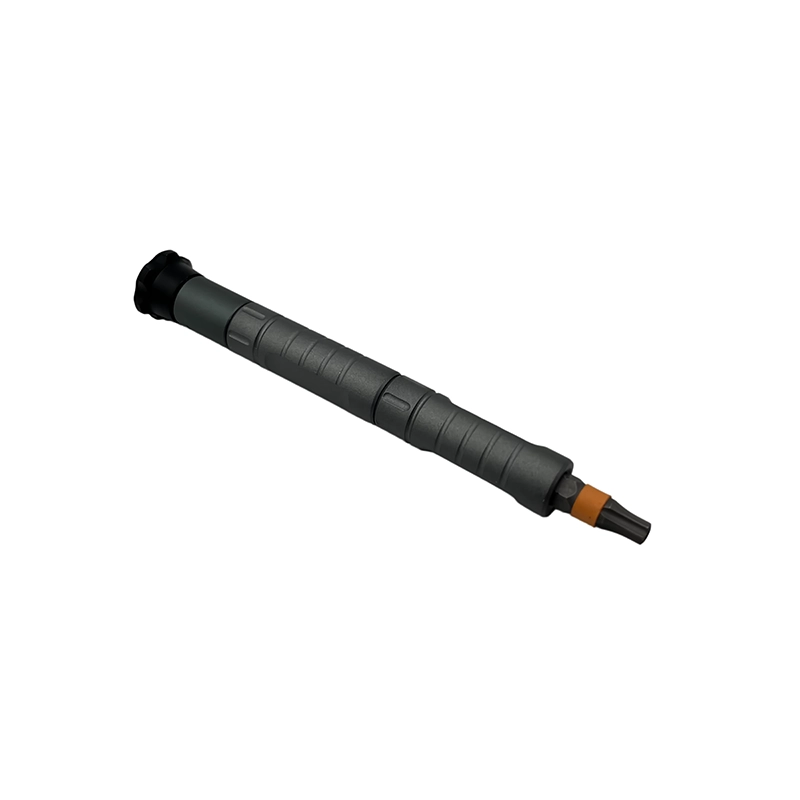
Verify ratchet screwdriver set technical specifications by testing the ratchet mechanism, bit interface, configuration, access and pack-out on an approved sample.
Quick Answer
To verify ratchet screwdriver set technical specifications, test the proposed set as a working manual system: ratchet direction and engagement, handle control, bit retention, extension fit, selected fastener access and complete pack-out. Tie each result to a defined sample method instead of relying on a piece count or material label.
Buyer Takeaways
- Anchor verify ratchet screwdriver set technical specifications to the exact product configuration and target use.
- Request evidence that states the method, condition, reviewer and decision supported.
- Keep the approved sample, specification and pack-out under one controlled version.
- Escalate material product, document or packaging changes before production release.
Identify the manual work the ratchet must perform
Ratchet screwdriver sets are selected for manual tasks such as appliance access, furniture assembly, maintenance or repeated fastening. The buyer should identify fastener types, available swing arc, required direction changes, access limits and the user skill level before approving a set.
This keeps the technical review focused on ratchet use. It should not borrow electric screwdriver torque or battery terminology, because the relevant risks and evidence are different.
Test ratchet engagement and direction control
Operate the sample through the intended forward, reverse and lock positions if those functions are included. Observe engagement, direction selection, handle comfort and any behavior that could affect repeated work. Define the task and fastener used so the record explains what was actually verified.
If a project has a required manual-torque or access condition, state it as an application requirement and test it with a representative fixture rather than claiming a universal rating.
Decision evidence
Evidence requirement
A test-plan outline that ties the advertised specification to a method, fixture, tolerance, test condition and sample record.
- Confirm the selected model or kit configuration before reviewing a claim.
- Use a documented sample method and retain the result with the approval record.
- Escalate any change that could affect buyer acceptance before bulk release.
Buyer Comparison
Ratchet set sample verification
| Check | Test condition | Evidence |
|---|---|---|
| Ratchet mechanism | Forward, reverse and lock use on target task | Observed engagement record |
| Bit fit | Target fasteners and access condition | Profile and reach check |
| Configuration | Complete set against packing list | Approved item matrix |
| Pack-out | Case and labels | Artwork and tray review |
Check bit interface, retention and useful profiles
Confirm the bit interface, holder, extension and supplied profiles. Test engagement on target fasteners and observe whether a high-use bit is easy to identify, remove and replace. The configuration should be reviewed as a set, because a suitable ratchet alone does not prove that the accessory mix fits the intended work.
Record any specialty profiles or longer bits needed for the target task. This helps prevent a retail kit from generating returns due to missing or unsuitable accessories.
Review the case, labelling and physical configuration
A manual set should make its contents clear to a buyer and end user. Verify bit locations, labels, visible sizes, extension storage, tray retention and the packing list. A set that functions at the bench can still fail commercially if the kit is hard to restore after use or key components are not identified.
Use the approved sample as a reference for both contents and visible presentation, then control changes to the set or packaging before bulk production.
Write a sample decision that production can follow
Capture the selected ratchet set, test tasks, accepted observations, required profiles, packaging decision and any change request. The result can become the basis for a purchase order, retail brief or pre-shipment inspection without creating a duplicate product specification.
If evidence remains incomplete, identify the next proof point instead of treating the sample as fully approved. This protects the buyer from a broad technical claim that was never tested on the actual configuration.
Project Flow
Buyer workflow for Ratchet Technical Test Protocol
- 01
Identify the sample and intended task
Step 1: document the a ratchet screwdriver set sample requirement, keep the supporting evidence with the current configuration and assign a decision owner before the next commercial or production action.
- 02
Check mechanism and interfaces
Step 2: document the a ratchet screwdriver set sample requirement, keep the supporting evidence with the current configuration and assign a decision owner before the next commercial or production action.
- 03
Record observations
Step 3: document the a ratchet screwdriver set sample requirement, keep the supporting evidence with the current configuration and assign a decision owner before the next commercial or production action.
- 04
Approve, revise or reject
Step 4: document the a ratchet screwdriver set sample requirement, keep the supporting evidence with the current configuration and assign a decision owner before the next commercial or production action.
Things Buyers Should Check
Things Buyers Should Check
- ✓Confirm the current model or kit configuration.
- ✓Attach the target application, market and purchase scope.
- ✓Request evidence for the decisive technical or commercial question.
- ✓Approve the sample and related pack-out against one version-controlled record.
- ✓Review changes before production and shipment release.
Common Buyer Mistakes
Common Buyer Mistakes
Using a generic claim as the approval record for a ratchet screwdriver set sample
The buyer cannot tell which version, condition or market the a ratchet screwdriver set sample claim supports.
Tie the a ratchet screwdriver set sample evidence to the exact configuration and a named decision.Comparing unlike supplier assumptions for ratchet mechanism, forward/reverse selection, backlash, bit retention, interface fit, handle rigidity, extension, tip geometry, case retention and visual finish
Price, schedule or capability appears comparable when the stated scope is actually different.
Normalize the a ratchet screwdriver set sample brief and record exclusions before choosing.Letting a late a ratchet screwdriver set sample change bypass review
The original sample or document may no longer match the production configuration.
Use a Ratchet Technical Test Protocol change record that names evidence, impact and approval owner.Practical tool
Ratchet Technical Test Protocol
Copy the Ratchet Technical Test Protocol into an RFQ, supplier-comparison sheet or sample-approval meeting. Replace bracketed fields with the buyer’s actual project information.
PROJECT / APPLICATION
[Target repair, assembly or sales-channel use]

CONFIGURATION
[Model, revision, battery, bit interface, accessories and pack-out]

DECISION TO MAKE
[ratchet mechanism, forward/reverse selection, backlash, bit retention, interface fit, handle rigidity, extension, tip geometry, case retention and visual finish]

EVIDENCE REQUIRED
[sample identity, operation direction, fastener or fixture, selected bit, observed backlash, retention observation, visual record and acceptance decision]

ACCEPTANCE BASIS
[Buyer-approved criterion, deviation route and decision owner]

NEXT STEP
[Sample, revision, re-inspection, booking or PO release]
Frequently Asked Questions
Frequently Asked Questions
What should a ratchet screwdriver sample prove?
It should prove the selected mechanism, bit interface, useful profiles, access fit and pack-out for the target manual application.
How do I test a ratchet mechanism?
Use the intended forward, reverse and lock functions on representative fasteners and record the task and observed engagement.
Are more bits always better?
No. A usable profile range, clear identification and correct fit matter more than a headline count.
Should a ratchet set include an extension?
Include it only when the target access condition requires it, then test stability and fit with the selected bits.
Can a manual ratchet test use electric-screwdriver torque criteria?
No. Define an application-specific manual test rather than reusing powered-tool criteria.
Final Buyer Recommendation
Use this guide to structure the next buyer decision for verify ratchet screwdriver set technical specifications. Confirm the exact product configuration, target market and order conditions in the RFQ or sample-approval record before committing production.
Related Products
Related Products
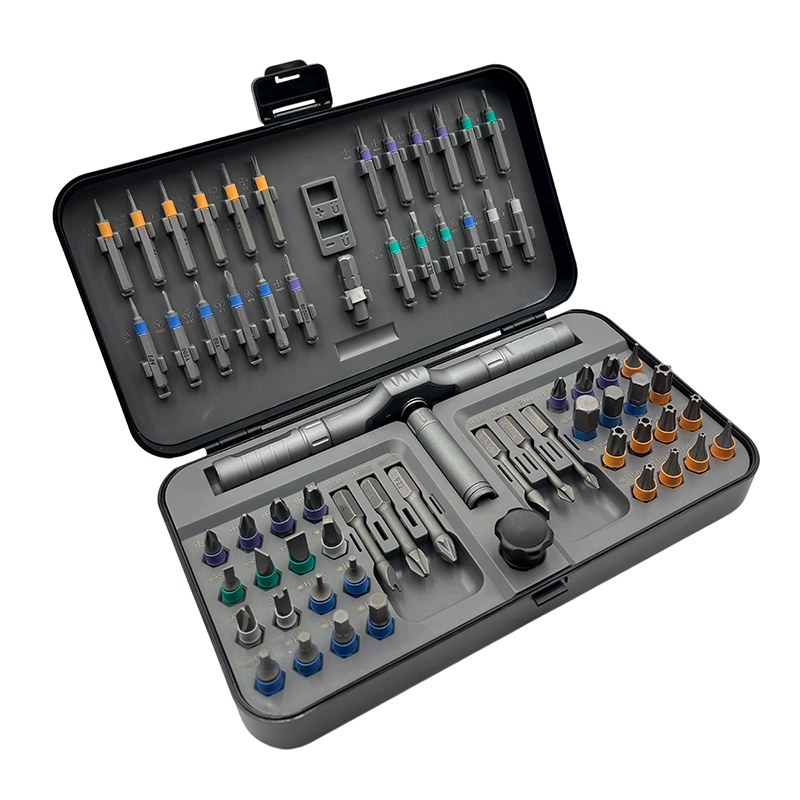
66-in-1 Ratchet Screwdriver Set
High-torque ratchet system for maintenance, assembly and confined-space work.
View product ↗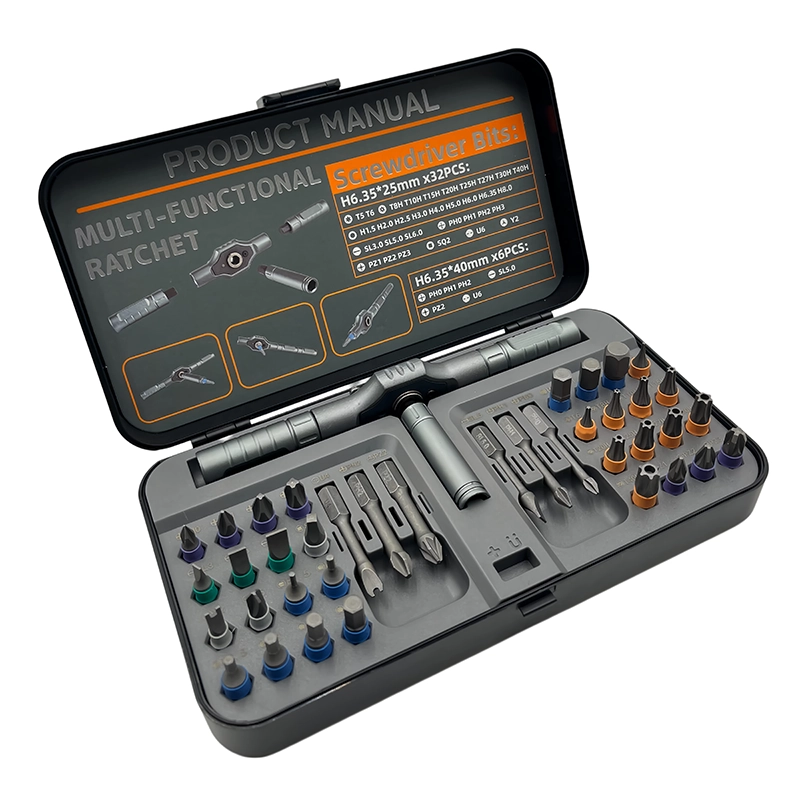
40-in-1 Ratchet Screwdriver Set
High-torque ratchet system for maintenance, assembly and confined-space work.
View product ↗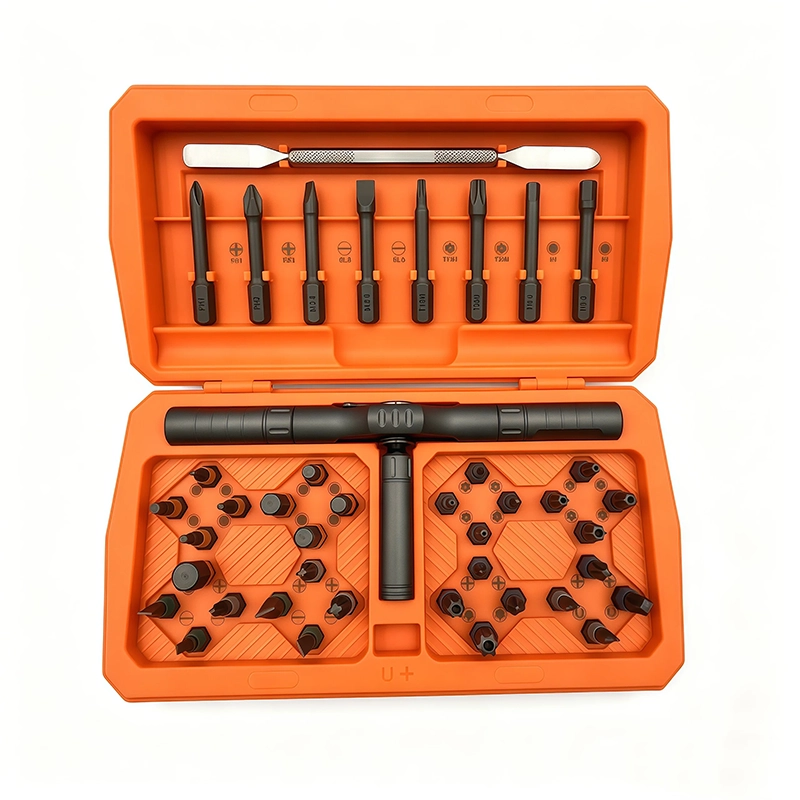
43-in-1 Ratchet Screwdriver Set
High-torque ratchet system for maintenance, assembly and confined-space work.
View product ↗