
Ratchet screwdriver set
Ratchet Screwdriver Set: Return-Reduction Specification for Repair and DIY Programs
Ratchet screwdriver set return reduction the target repair or DIY use: validate manual access, bit selection, case layout and customer instructions before a bulk order.
Quick Answer
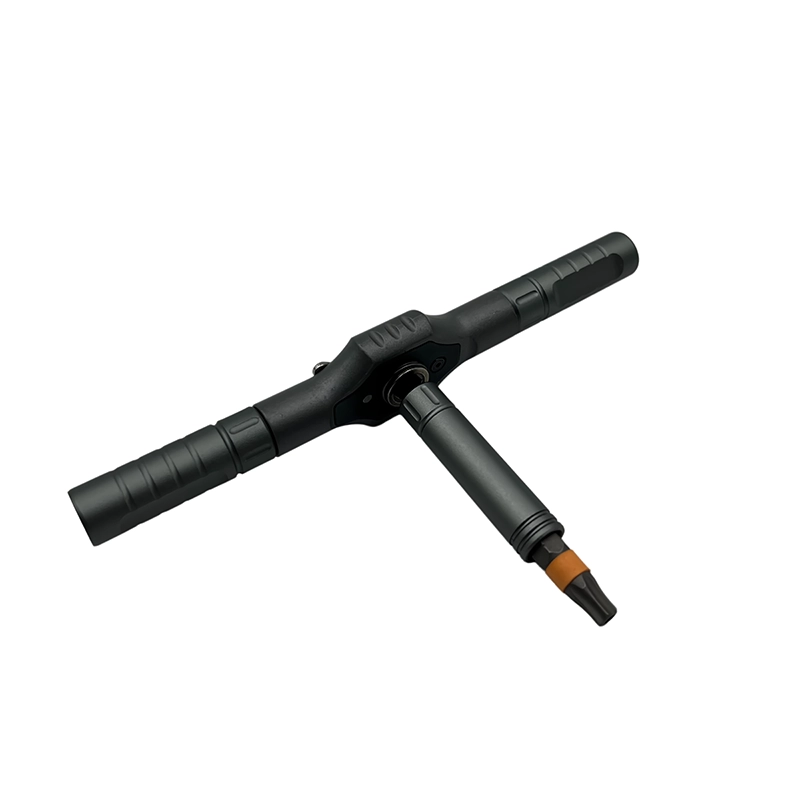
For ratchet screwdriver set return reduction the target repair or DIY use, ratchet screwdriver set return reduction depends on matching the manual mechanism, bit configuration, access reach, case layout and instructions to a defined repair or DIY use. Buyers should test the sample on representative tasks and control the final pack-out so customers receive a set that fits the stated application.
Buyer Takeaways
- Anchor ratchet screwdriver set return reduction the target repair or DIY use to the exact product configuration and target use.
- Request evidence that states the method, condition, reviewer and decision supported.
- Keep the approved sample, specification and pack-out under one controlled version.
- Escalate material product, document or packaging changes before production release.
Position the ratchet set around real manual work
A ratchet screwdriver set should state the type of manual work it supports: furniture assembly, appliance access, property maintenance or household repair. The task affects useful bit profiles, handle size, ratchet direction needs and case format. A general DIY description should not hide a narrow configuration.
Build a task map before selecting the kit. It gives product managers a way to remove accessories that are not useful and identify the fastener types that customers will actually expect to cover.
Check access and ratchet operation together
A ratchet may be valuable when repeated turns are possible, but tight spaces, swing arc and fastener position can limit its usefulness. Test the selected handle, extension and bit on representative positions. Record whether forward, reverse and lock positions are clear and whether the user has enough room to work.
This prevents a retail offer from promising a solution that cannot reach the application it depicts. It also keeps the quality review tied to manual-tool use rather than powered-tool claims.
Decision evidence
Evidence requirement
A return-risk checklist covering wrong-bit selection, excessive torque or speed, poor fit, missing accessories, packaging damage and unclear instructions.
- Confirm the selected model or kit configuration before reviewing a claim.
- Use a documented sample method and retain the result with the approval record.
- Escalate any change that could affect buyer acceptance before bulk release.
Buyer Comparison
Ratchet set return-risk controls
| Risk | Review question | Release control |
|---|---|---|
| Poor access | Can the ratchet work within the required swing arc? | Sample task record |
| Wrong profiles | Do included bits fit target fasteners? | Approved bit matrix |
| Unclear use | Are mechanism and bits easy to identify? | Instruction and label review |
| Configuration drift | Does pack-out match the sample? | Controlled packing list |
Build a usable bit assortment
Review the bits for profile coverage, fit, size identification and replacement. High-value use cases may need common Phillips, slotted, hex, Torx or specialty profiles, but the exact mix depends on the buyer's task map. A larger count can increase confusion when the case does not clearly distinguish the relevant pieces.
Test the intended profiles on representative fasteners and note which items drive the approval decision. Use that evidence when finalizing the packing list and product description.
Protect customer understanding through the pack-out
Case organization, labels, simple usage information and clearly separated accessories can reduce post-purchase uncertainty. Review whether the product image, manual and outer packaging show the same configuration that the customer receives. Confirm all items are held securely and can be restored after use.
For private-label programs, freeze the approved artwork and tray layout with the product sample. This makes any later substitution or layout change visible before bulk release.
Release only the controlled version
The final review should connect the approved ratchet set, target uses, bit matrix, case, labels and packaging to the order file. Inspecting a shipment against that version helps the buyer identify missing items or changes before the goods enter distribution.
The objective is not to claim a guaranteed return outcome. It is to reduce preventable mismatch and communication risks that recur when a kit is selected without a real application check.
Project Flow
Buyer workflow for Ratchet Return Prevention Checklist
- 01
Define customer expectations
Step 1: document the avoidable return triggers in a ratchet screwdriver set requirement, keep the supporting evidence with the current configuration and assign a decision owner before the next commercial or production action.
- 02
Stress-test configuration and case
Step 2: document the avoidable return triggers in a ratchet screwdriver set requirement, keep the supporting evidence with the current configuration and assign a decision owner before the next commercial or production action.
- 03
Review buyer-facing information
Step 3: document the avoidable return triggers in a ratchet screwdriver set requirement, keep the supporting evidence with the current configuration and assign a decision owner before the next commercial or production action.
- 04
Freeze protected pack-out
Step 4: document the avoidable return triggers in a ratchet screwdriver set requirement, keep the supporting evidence with the current configuration and assign a decision owner before the next commercial or production action.
Things Buyers Should Check
Things Buyers Should Check
- ✓Confirm the current model or kit configuration.
- ✓Attach the target application, market and purchase scope.
- ✓Request evidence for the decisive technical or commercial question.
- ✓Approve the sample and related pack-out against one version-controlled record.
- ✓Review changes before production and shipment release.
Common Buyer Mistakes
Common Buyer Mistakes
Using a generic claim as the approval record for avoidable return triggers in a ratchet screwdriver set
The buyer cannot tell which version, condition or market the avoidable return triggers in a ratchet screwdriver set claim supports.
Tie the avoidable return triggers in a ratchet screwdriver set evidence to the exact configuration and a named decision.Comparing unlike supplier assumptions for wrong bit mix, access problems, ratchet expectations, loose bits, handle comfort, case failure, instructions, application claims, packaging damage and configuration mismatch
Price, schedule or capability appears comparable when the stated scope is actually different.
Normalize the avoidable return triggers in a ratchet screwdriver set brief and record exclusions before choosing.Letting a late avoidable return triggers in a ratchet screwdriver set change bypass review
The original sample or document may no longer match the production configuration.
Use a Ratchet Return Prevention Checklist change record that names evidence, impact and approval owner.Practical tool
Ratchet Return Prevention Checklist
Copy the Ratchet Return Prevention Checklist into an RFQ, supplier-comparison sheet or sample-approval meeting. Replace bracketed fields with the buyer’s actual project information.
PROJECT / APPLICATION
[Target repair, assembly or sales-channel use]

CONFIGURATION
[Model, revision, battery, bit interface, accessories and pack-out]

DECISION TO MAKE
[wrong bit mix, access problems, ratchet expectations, loose bits, handle comfort, case failure, instructions, application claims, packaging damage and configuration mismatch]

EVIDENCE REQUIRED
[target-use matrix, sample feedback, bit and case review, packaging assessment, buyer-facing copy and defect categorization]

ACCEPTANCE BASIS
[Buyer-approved criterion, deviation route and decision owner]

NEXT STEP
[Sample, revision, re-inspection, booking or PO release]
Frequently Asked Questions
Frequently Asked Questions
Why might a ratchet screwdriver set be returned?
It may not fit the fasteners, access space or manual task customers expect, or the pack-out and instructions may be unclear.
How do I select bit profiles for a ratchet set?
Start with the target repair or DIY task and test proposed profiles on representative fasteners before approving the assortment.
Does a ratchet help in every tight space?
No. Evaluate swing arc, handle clearance, extension use and fastener position on the real application.
Can case organization affect customer satisfaction?
Yes. Clear identification, retention and a complete visible item list reduce confusion and missing-item claims.
What should a pre-shipment check compare?
Compare the ratchet, bits, accessories, case, labels and packaging to the approved sample and packing list.
Final Buyer Recommendation
Use this guide to structure the next buyer decision for ratchet screwdriver set return reduction the target repair or DIY use. Confirm the exact product configuration, target market and order conditions in the RFQ or sample-approval record before committing production.
Related Products
Related Products
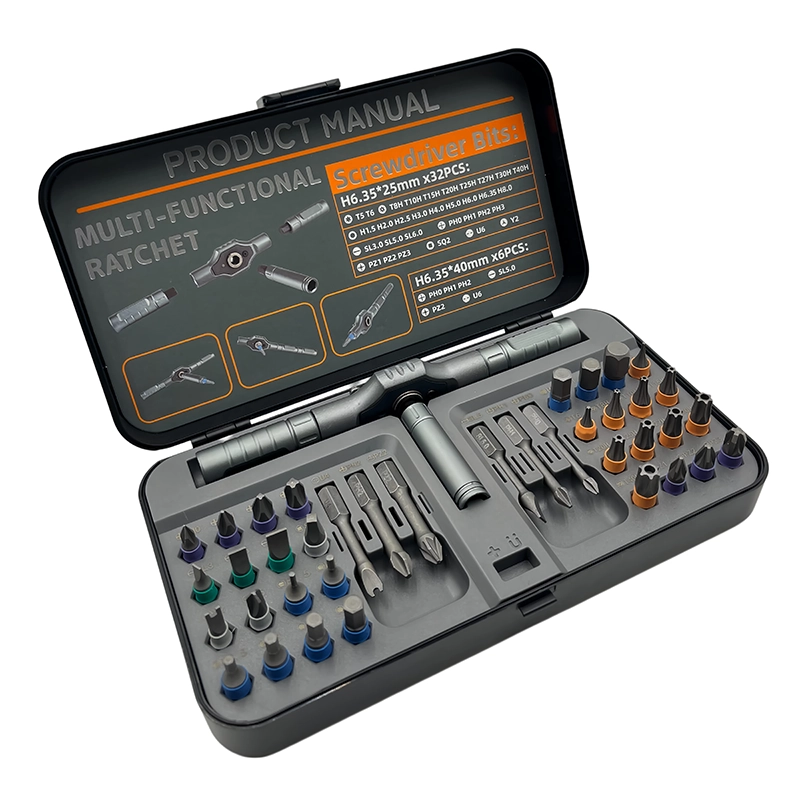
40-in-1 Ratchet Screwdriver Set
High-torque ratchet system for maintenance, assembly and confined-space work.
View product ↗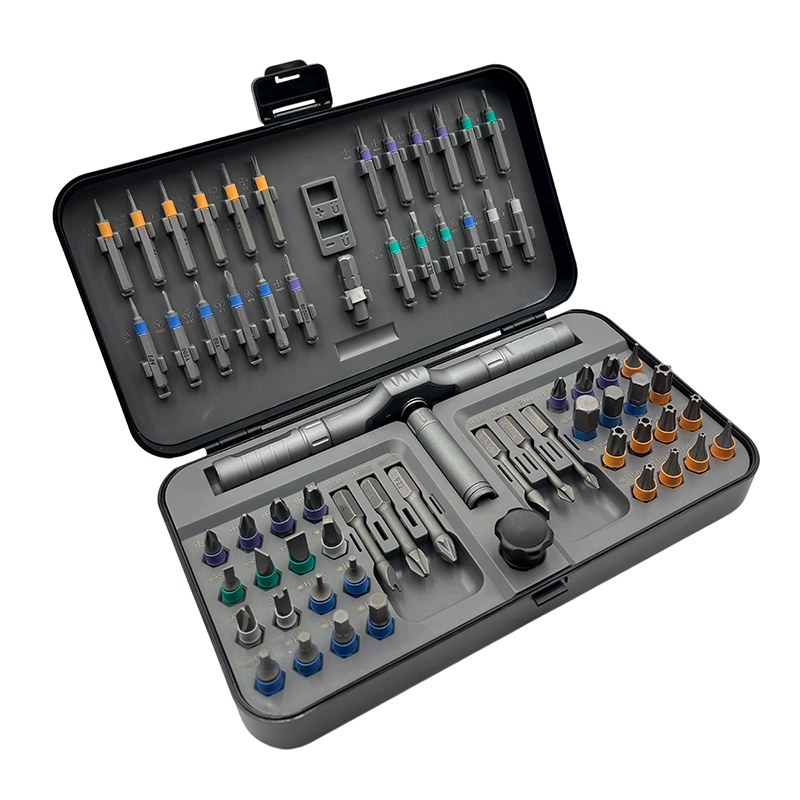
66-in-1 Ratchet Screwdriver Set
High-torque ratchet system for maintenance, assembly and confined-space work.
View product ↗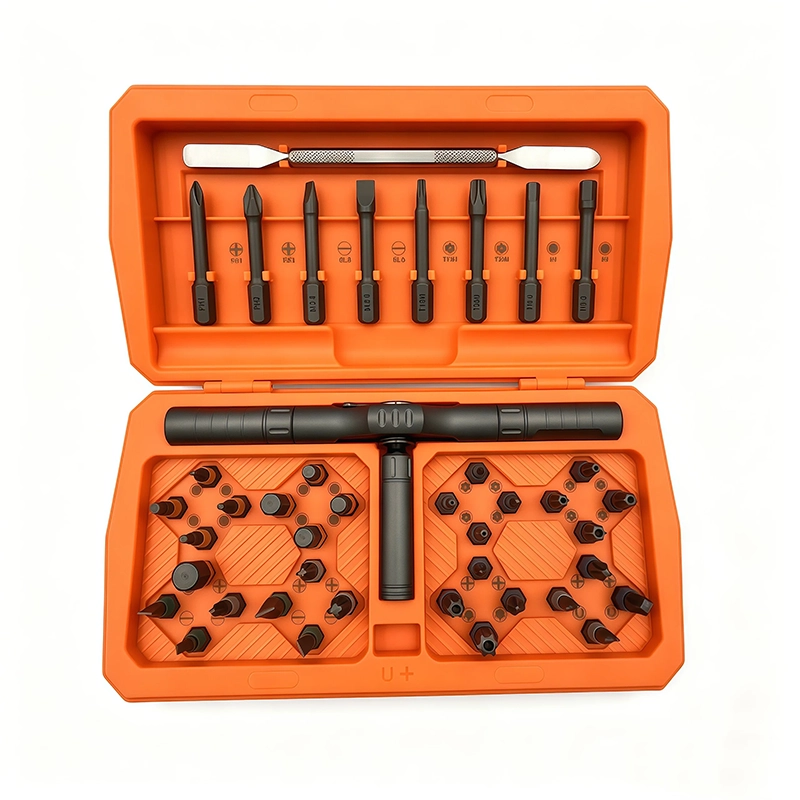
43-in-1 Ratchet Screwdriver Set
High-torque ratchet system for maintenance, assembly and confined-space work.
View product ↗