
OEM electric screwdriver
OEM Electric Screwdriver Customization: Specification, Tooling, Branding and Development Guide
OEM electric screwdriver customization tooling specification helps buyers define performance, branding, packaging, tooling, ownership and sample evidence before production.

Quick Answer
OEM electric screwdriver customization tooling specification should begin with the required application and controlled baseline, then separate branding changes from component, performance or structural changes. A good brief defines the requested scope, evidence, approval path, tooling ownership questions, commercial assumptions and release conditions before the supplier prices development.
Buyer Takeaways
- Anchor OEM electric screwdriver customization tooling specification to the exact product configuration and target use.
- Request evidence that states the method, condition, reviewer and decision supported.
- Keep the approved sample, specification and pack-out under one controlled version.
- Escalate material product, document or packaging changes before production release.
Choose the correct customization route
An existing electric screwdriver platform may support logo, housing color, kit composition, packaging, manual or label changes without requiring a new structure. A request that changes performance, motor control, battery arrangement, PCB, dimensions or tooling may follow a different development route. The buyer should state which parts must remain standard and which must be different.
This distinction prevents a quotation from treating a development project as a simple private-label order. It also lets the supplier identify which technical questions must be answered through specification review or sample validation.
Write a specification that can be quoted and tested
A production-ready specification identifies the selected platform or target use, functional requirements, desired accessory set, color and logo references, packaging, manual language, documentation needs and target market. It should distinguish a requirement from a preference and mark any item that needs model-specific confirmation.
For technical changes, describe the intended buyer outcome rather than assuming a component selection. For example, define the fastening task, control need or charging use case, then request the supplier's proposed configuration and evidence plan.
Decision evidence
Evidence requirement
A single structured answer with a main framework and clearly separated electric-screwdriver, screwdriver-set, ratchet or bit examples where the evidence genuinely differs.
- Confirm the selected model or kit configuration before reviewing a claim.
- Use a documented sample method and retain the result with the approval record.
- Escalate any change that could affect buyer acceptance before bulk release.
Buyer Comparison
OEM customization decision table
| Change requested | What to define | Approval evidence |
|---|---|---|
| Branding | Logo, color reference, artwork and placement | Approved artwork revision |
| Kit configuration | Bits, accessories, case and packing list | Sample reconciliation |
| Performance or components | Task, target behavior and verification method | Model-specific proposal and sample check |
| Tooling | Scope, deliverables, change path and ownership terms | Documented development agreement |
Handle tooling and ownership questions early
Tooling discussions should identify why new tooling may be required, which deliverables are included, how changes are approved and what ownership or maintenance terms need to be documented. The commercial answer can vary by project scope, so do not publish or assume a generic tooling price or schedule.
Before commitment, make sure the brief names the revision being evaluated and the buyer contact who can approve a tool, housing, case or packaging change. This makes development decisions auditable instead of relying on informal visual feedback.
Approve branding and packaging as product requirements
Logo position, color reference, artwork, retail claims, manual content, barcode and carton marks should be reviewed as controlled documents. They influence not only appearance but also market readiness, pack-out accuracy and customer understanding. Use an approved artwork version with a clear sign-off trail.
Where product information or compliance language is market-sensitive, confirm it for the exact configuration and destination before printing. A general company document is not a substitute for an order-specific review.
Align development, sample and commercial milestones
The commercial plan should identify the quotation basis, sample need, approval gates, assumed MOQ, payment structure, trade terms and timing dependencies without presenting a universal figure. Each point should connect to the scope of customization and the evidence still required.
This approach gives a tool brand or procurement manager a realistic decision sequence: agree the brief, review the proposed solution, approve a controlled sample, release production and verify the delivered configuration.
Project Flow
Buyer workflow for OEM Change Impact Matrix
- 01
Define the change scope
Step 1: document the an OEM change to an electric screwdriver platform requirement, keep the supporting evidence with the current configuration and assign a decision owner before the next commercial or production action.
- 02
Assess engineering impact
Step 2: document the an OEM change to an electric screwdriver platform requirement, keep the supporting evidence with the current configuration and assign a decision owner before the next commercial or production action.
- 03
Approve a revised sample
Step 3: document the an OEM change to an electric screwdriver platform requirement, keep the supporting evidence with the current configuration and assign a decision owner before the next commercial or production action.
- 04
Freeze production control
Step 4: document the an OEM change to an electric screwdriver platform requirement, keep the supporting evidence with the current configuration and assign a decision owner before the next commercial or production action.
Things Buyers Should Check
Things Buyers Should Check
- ✓Confirm the current model or kit configuration.
- ✓Attach the target application, market and purchase scope.
- ✓Request evidence for the decisive technical or commercial question.
- ✓Approve the sample and related pack-out against one version-controlled record.
- ✓Review changes before production and shipment release.
Common Buyer Mistakes
Common Buyer Mistakes
Using a generic claim as the approval record for an OEM change to an electric screwdriver platform
The buyer cannot tell which version, condition or market the an OEM change to an electric screwdriver platform claim supports.
Tie the an OEM change to an electric screwdriver platform evidence to the exact configuration and a named decision.Comparing unlike supplier assumptions for logo, packaging, color, accessories, battery, PCB, motor, torque, firmware, housing, structure, tooling, DFM, BOM and mold ownership
Price, schedule or capability appears comparable when the stated scope is actually different.
Normalize the an OEM change to an electric screwdriver platform brief and record exclusions before choosing.Letting a late an OEM change to an electric screwdriver platform change bypass review
The original sample or document may no longer match the production configuration.
Use a OEM Change Impact Matrix change record that names evidence, impact and approval owner.Practical tool
OEM Change Impact Matrix
Copy the OEM Change Impact Matrix into an RFQ, supplier-comparison sheet or sample-approval meeting. Replace bracketed fields with the buyer’s actual project information.
PROJECT / APPLICATION
[Target repair, assembly or sales-channel use]

CONFIGURATION
[Model, revision, battery, bit interface, accessories and pack-out]

DECISION TO MAKE
[logo, packaging, color, accessories, battery, PCB, motor, torque, firmware, housing, structure, tooling, DFM, BOM and mold ownership]

EVIDENCE REQUIRED
[approved change request, current platform reference, BOM or artwork revision, engineering review, sample plan, test impact and commercial owner]

ACCEPTANCE BASIS
[Buyer-approved criterion, deviation route and decision owner]

NEXT STEP
[Sample, revision, re-inspection, booking or PO release]
Frequently Asked Questions
Frequently Asked Questions
What is the difference between OEM and ODM for an electric screwdriver?
OEM commonly adapts an existing platform to a buyer brief; ODM can involve a broader product-development scope. Confirm the requested engineering and tooling work in writing.
When might new tooling be required?
It may be required for structural, housing or other component changes. The need, cost basis, ownership and approval path should be scoped for the project.
Can private-label packaging be approved separately from the tool?
It can be reviewed separately, but it should be frozen with the final product configuration before production release.
What should an OEM specification include?
Include target application, platform or performance requirement, kit configuration, branding, packaging, target market, evidence and decision owners.
Are MOQ and lead time fixed for every customization project?
No. They depend on the selected product, scope, tooling, materials, packaging and production plan. Confirm them in the order quotation.
Final Buyer Recommendation
Use this guide to structure the next buyer decision for OEM electric screwdriver customization tooling specification. Confirm the exact product configuration, target market and order conditions in the RFQ or sample-approval record before committing production.
Related Products
Related Products
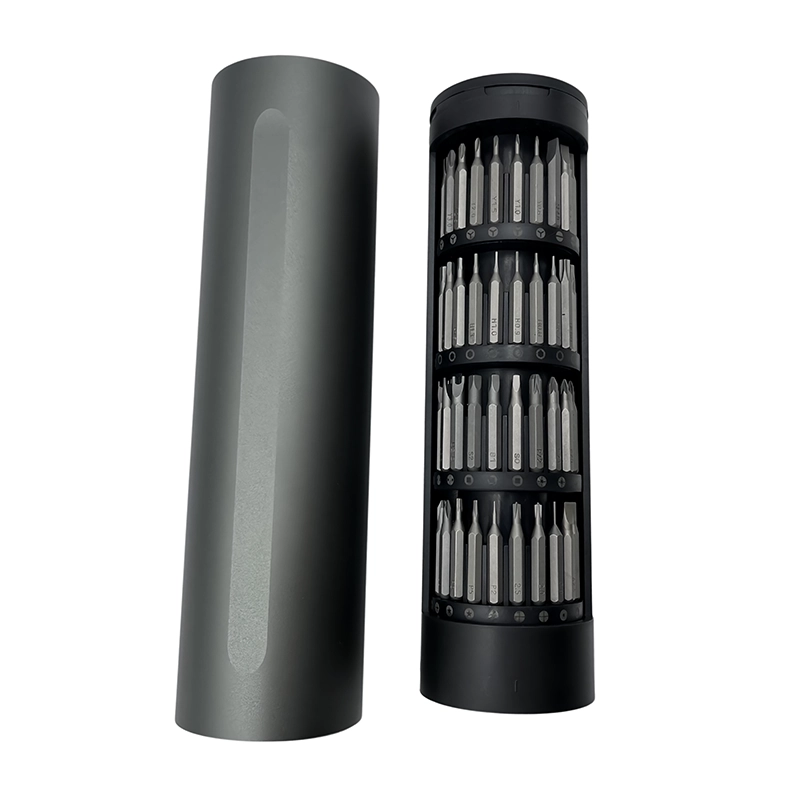
67-in-1 Electric Precision Screwdriver Set
Rechargeable precision system for smartphones, laptops, cameras and small electronics.
View product ↗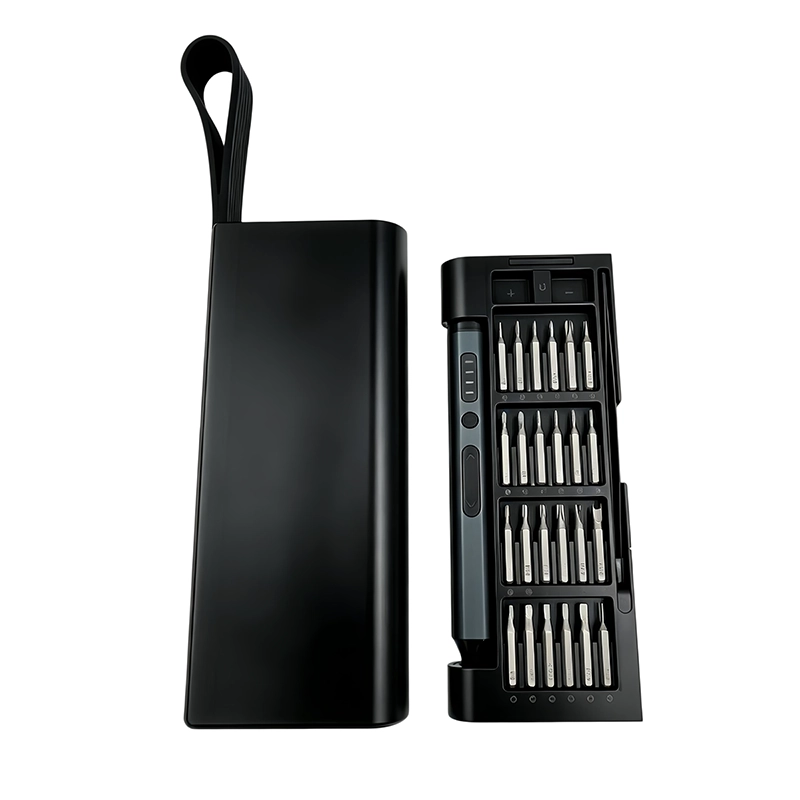
53-in-1 Electric Precision Screwdriver Set
Rechargeable precision system for smartphones, laptops, cameras and small electronics.
View product ↗