
Screwdriver Bits Procurement
Screwdriver Bit Sample Approval for Modular Furniture Installers
Screwdriver bit sample approval for modular furniture installers covers hardware mapping, bit fit, finish protection, pack-out and repeat-order checks.
Quick Answer
Screwdriver bit sample approval for modular furniture installers starts with the actual hardware, access angle and finished surfaces in the installation scope. Confirm bit seating and straight alignment on representative assemblies, inspect recesses and visible panels, then freeze the working bit list, handles, case positions and receiving checks. Reapprove affected tasks when hardware, bit source, package or work instruction changes.
Buyer Takeaways
- Approve bits against named furniture hardware, not generic labels.
- Inspect recesses and nearby finished surfaces after each defined task.
- Freeze the bit list and case layout with the accepted sample.
- Repeat checks after hardware or pack-out changes.
Build the modular furniture hardware map
List the approved furniture systems, hardware revisions and installation tasks before requesting a bit sample. For each task, record the fastener profile, recess condition, access direction, available turning space and nearby laminate, veneer, coated metal or plastic surface. Treat structural fixings, electrical work and maker-restricted assemblies as separate processes rather than as a general screwdriver-bit application.
A hardware map keeps the RFQ tied to the installations the distributor actually supports. It also prevents a broad bit assortment from being interpreted as evidence that every furniture fitting has been approved.
The ToolQeen models linked below are candidates for evaluation, not evidence of compatibility with this application. Request the current model specification and a representative sample before approving the configuration.
Check seating, alignment and finish protection
Choose the candidate bit from the real fastener and confirm full seating under adequate light. Keep the shaft aligned and stop if the bit rocks, begins to mark the recess or forces the installer to brace against a visible panel. Use the furniture system maker's method for thread start and final seating; do not invent a tightening value for mixed fittings.
Inspect the fastener recess, panel edge, seam and adjacent finish after each defined operation. A bit only belongs in the accepted list when the documented task can be repeated without the observed defect or an unsupported shortcut.
Technical Explanation
Why full bit seating is a procurement requirement
A bit that only appears to fit can damage a recess before an installer recognizes lost engagement. Recording the actual fastener and seating observation makes the acceptance criterion usable at sample and receiving stages.
- Check the actual recess rather than its expected label.
- Maintain straight alignment through the task.
- Inspect the recess and finish before accepting the sample.
Record a representative installer sample trial
Use approved training assemblies or representative hardware that reflects the documented access constraints. Record the furniture system, task, fastener, bit, handle, extension when used and the inspection result. Include exclusions such as damaged hardware, uncertain fasteners or work outside the installer programme.
Compare samples using the same sequence. This makes the selection evidence useful for procurement and receiving without claiming that one bit design is suitable for every board material, fitting or installation environment.
Freeze the RFQ and repeat-order configuration
Tie the accepted bit list, relevant handles, extensions, case insert and task record to the quotation and incoming inspection. Check that the packed sample contains the actual working items, rather than relying on a similar product photograph or an overall piece count.
Repeat the affected task checks after a change to hardware, bit source, coating, handle, extension, insert, packaging or instruction. The controlled sample should document the installation scope, not become a substitute for the furniture maker's own requirements.
Frequently Asked Questions
Frequently Asked Questions
How should installers approve screwdriver bits for modular furniture?
Use the named hardware and access conditions, then record seating, alignment, visible-surface inspection and exclusions for every approved task.
Can one bit kit cover every flat-pack furniture system?
No. Hardware profiles, recess depth, access and maker restrictions differ, so approval should be bounded to documented assemblies.
What should stop a furniture bit sample trial?
Stop for rocking, marking, cam-out, poor access, finish damage or any conflict with the furniture system's installation method.
What belongs in a bit sample record?
Record the furniture system, task, fastener, bit, handle, extension, observation, inspection result, exclusions and packed configuration.
Should a large bit count decide the RFQ?
No. Prioritize the bits that support named tasks and identify untested accessories separately.
When should the approved bit kit be reviewed again?
Repeat affected checks after changes to the hardware, bit source, coating, handle, case, packaging or work instruction.
Final Buyer Recommendation
Approve the configuration only when the hardware map, trial record and packed bit list describe the same bounded installation scope.
Related Products
Related Products
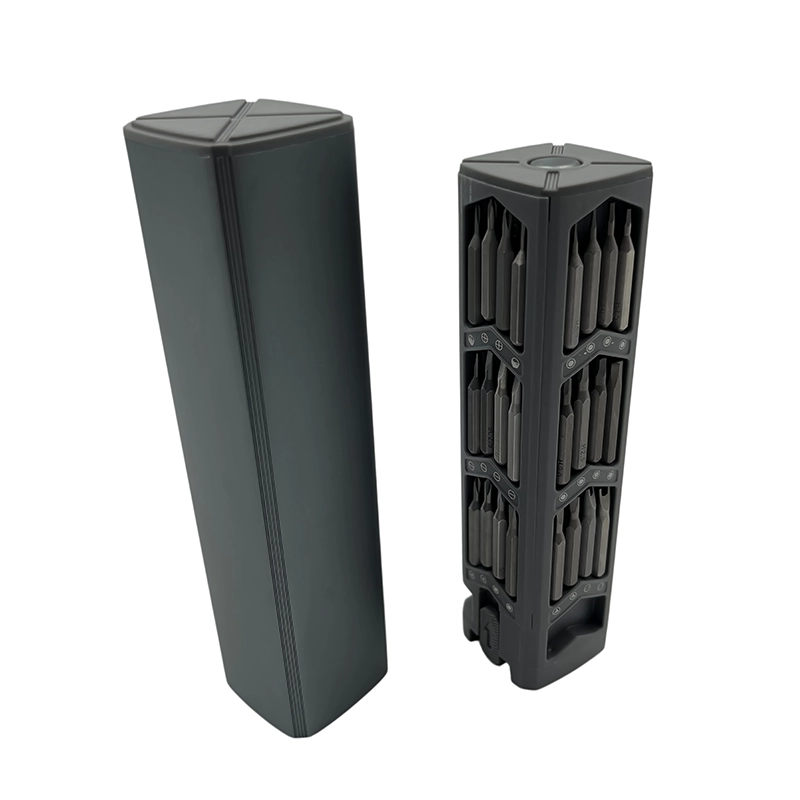
45-in-1 Manual Precision Screwdriver Set
Manual precision repair kit for electronics maintenance, workshops and retail ranges.
View product ↗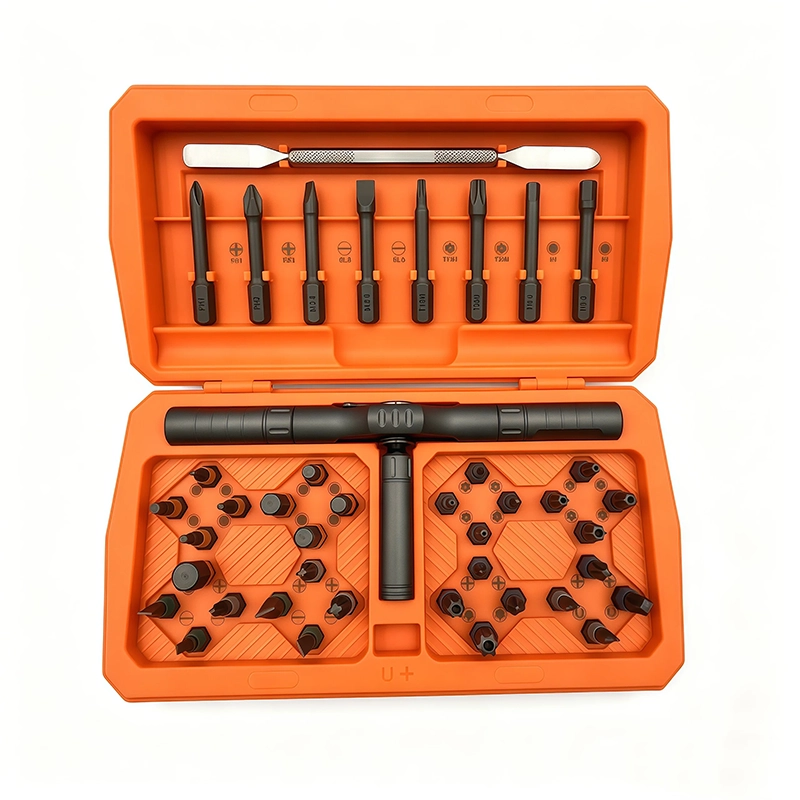
43-in-1 Ratchet Screwdriver Set
High-torque ratchet system for maintenance, assembly and confined-space work.
View product ↗