
Rotary Tool OEM
Private-Label Engraving Pen Kit for Wooden Award Plates
Plan a private-label engraving pen kit for wooden award plates with a trial matrix, accessory control, branded pack-out and repeat-order checks.
Quick Answer
A private-label engraving pen kit for wooden award plates should be approved with named plate materials, limited marking tasks and an accessory-to-task record. Trial representative offcuts using the workshop's safety method, inspect control and surface results, then freeze the accepted pen, collet, working accessories, labels, instructions and case layout. Do not extend one wood result to other materials without separate evidence.
Buyer Takeaways
- Define the plate materials and bounded marking tasks before sampling.
- Approve an accessory-to-task matrix instead of a generic piece count.
- Inspect trial pieces for control and surface condition.
- Reconcile the branded case to the actual sampled configuration.
Define the wooden award plate sample scope
Start with the plate materials, coatings and bounded marking tasks the buyer expects to support, such as practice lettering, limited detail cleanup or shallow decorative work on representative offcuts. Record exclusions, work-holding, dust control and the workshop's own safety instruction before comparing tools.
Do not assume a result on one wood, veneer or coating transfers to another material. The private-label engraving pen kit needs a narrow test scope before the buyer approves branding, accessory count or promotional wording.
The ToolQeen models linked below are candidates for evaluation, not evidence of compatibility with this application. Request the current model specification and a representative sample before approving the configuration.
Create an accessory-to-task trial matrix
For each proposed working accessory, record the intended plate material, task, shank, collet and inspection point. Confirm that the shank seats correctly and start on representative offcuts using the workshop's controlled method. Stop when the operator loses control, the surface tears or scorches, the accessory loads unexpectedly or the setup no longer remains stable.
An accessory should enter the commercial kit only when it supports a named task or documented replacement need. Keep unsupported cutting, speed and material claims out of the quotation.
Technical Explanation
Why material, accessory and collet belong in one record
Surface response and control can change when the plate material, accessory geometry or interface changes. Recording all three lets the buyer repeat a bounded comparison without claiming a universal engraving setting.
- Use named representative offcuts.
- Verify the shank and collet interface before the task.
- Inspect surface condition after each bounded trial.
Inspect the sample and branded pack-out
Inspect trial pieces for the intended mark, edge condition, unintended tool marks and repeatability under the recorded method. Record the plate material, accessory, collet, work-holding and visible result so the buyer can compare candidates without treating an informal demonstration as a universal compatibility test.
Then inspect the complete private-label sample: pen, accessory list, labels, instructions, insert, case and outer packaging. Cosmetic approval is incomplete when the packed accessory set differs from the items used in the trial.
Freeze repeat-order controls
Tie the accepted pen model, collet, working accessory matrix, branding method, instructions and case positions to a dated control sample. Ask the quotation and receiving inspection to reference the same configuration and document revision.
Repeat affected checks when the plate scope, pen platform, collet, accessory, label, instruction, insert or packaging changes. This keeps a revised pack or lower-priced substitution from silently changing the product used in the approved trial.
Frequently Asked Questions
Frequently Asked Questions
Can one engraving accessory suit every wooden award plate?
No. Map each named plate material and bounded task to a proposed accessory, then inspect the result on representative offcuts.
What should stop an award plate engraving trial?
Stop for loss of control, unstable fit, surface tearing or scorching, unexpected accessory loading or a conflict with the workshop safety method.
Does a larger accessory count make a better private-label kit?
Not by itself. Approve accessories that support named tasks or replacement needs and identify untested items separately.
What should buyers inspect on a trial plate?
Inspect the intended mark, edge condition, unwanted tool marks and whether the documented method can be repeated on a comparable offcut.
Which details belong in the branded control sample?
Record the pen, collet, working accessories, logo method, labels, instructions, insert, case, outer packaging and document revision.
When should the kit be reapproved?
Repeat affected checks after changes to the material scope, pen, collet, accessories, guidance, labels, insert or packaging.
Final Buyer Recommendation
Approve the private-label kit only when its trial matrix and branded case describe the same bounded wooden-plate workflow.
Related Products
Related Products
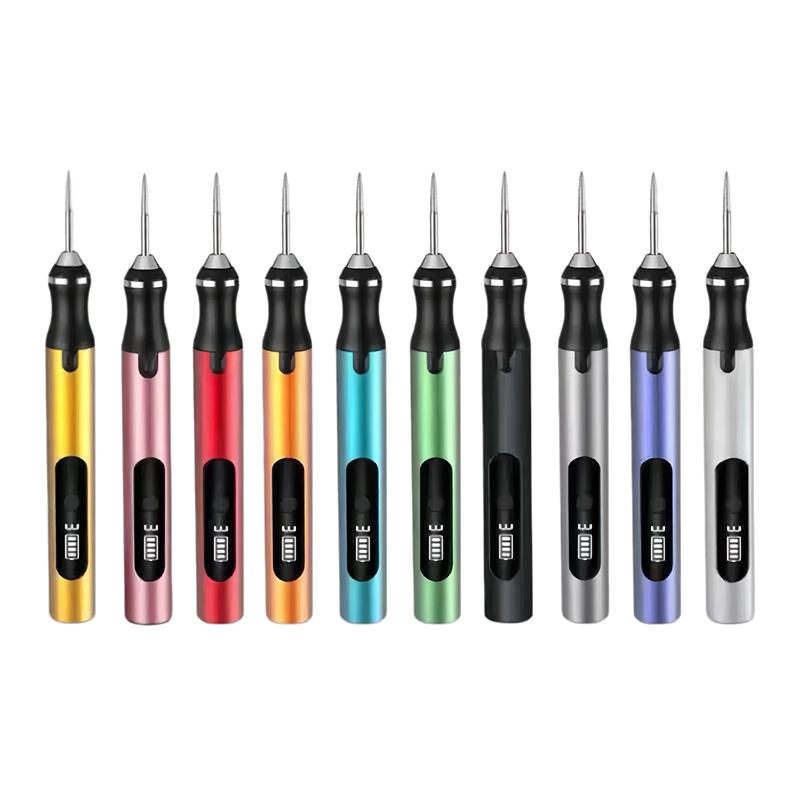
104 USB Rechargeable Engraving Pen
Cordless pen-style rotary tool for engraving, polishing, grinding and detail work.
View product ↗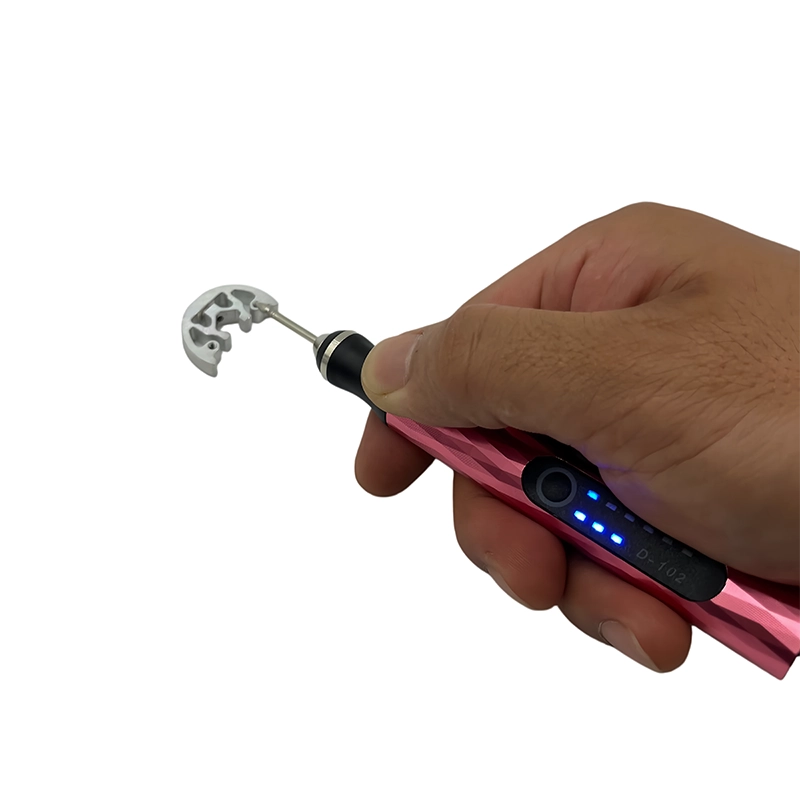
D-102 Cordless Electric Engraving Pen
Cordless pen-style rotary tool for engraving, polishing, grinding and detail work.
View product ↗