
Manual Screwdriver Applications
Manual Screwdriver Set for Appliance Control Panel Repair
A manual screwdriver set for appliance control panel repair should be chosen by screw profile, recess depth, panel material and access—not by a large advertised piece count.
Quick Answer
A manual screwdriver set for appliance control panel repair should be selected from the panel's actual fasteners, recess depth, material and access limits. Start with a representative panel or documented screw map, then approve bit fit, handle control, extension stability and the ability to reinstall covers without marking the surface or damaging plastic posts.
Buyer Takeaways
- Map screw profiles, recess depth and panel materials before choosing a kit.
- Check bit fit on representative new and previously serviced fasteners.
- Use extensions only where they maintain alignment and stable control.
- Approve the case layout and spare-bit logic for the real service workflow.
Build the tool brief from the appliance panel, not a general repair category
Appliance control panels are a mixed-access job. A cover may use standard cross-head screws, security profiles, recessed fasteners, clips or plastic posts, and the working surface may be painted, textured or easily marked. A manual screwdriver set for appliance control panel repair should therefore begin with a short fastener and access map. Record profile, size, recess depth, nearby material and whether the screw is likely to have been serviced before.
That map helps a distributor avoid sending a broad set that looks complete but cannot reach the actual panel screws. It also gives a buyer a sensible basis for deciding whether an extension, longer bit, nut-driving option or non-marring opening tool is genuinely useful. The goal is controlled access, not maximum piece count.
Prioritize bit fit before handle style or kit size
The bit-to-fastener interface carries the risk. A handle with a comfortable grip cannot compensate for a bit that sits shallowly, rocks in the recess or reaches the screw at an angle. Test the proposed common profiles on representative appliance screws, including a previously serviced example if available. Look for full seating, stable engagement and a clear view of the work area before applying force.
Where a screw sits behind a panel lip or deep in a housing, test the extension and bit together. Added length can improve reach but also introduce movement. If a long solution makes it harder to stay square to the fastener, a shorter tool or a different working angle may be the safer configuration.
Technical Explanation
Bit seating and access angle determine usable control
A screwdriver set performs well on appliance panels only when the selected bit reaches the recess and remains square to the fastener. Review profile, size, recess depth and extension movement together on representative samples.
- Test common and security profiles against real panel screws rather than a generic bit chart.
- Check extensions for stable engagement, not just extra reach.
- Use non-marring support tools only where the panel construction calls for them.
Manual feedback is a service advantage, not a substitute for a correct tool
Manual control can help an operator sense resistance around delicate covers and plastic posts. It does not make a poorly fitting profile, worn bit or inaccessible fastener safe to drive.
Use manual feedback to protect panel materials
Manual drive is often useful where the operator needs to feel initial resistance and control the final seating of a screw near plastic posts, painted surfaces or electronics. Keep the bit aligned with the screw axis, apply pressure before turning and stop when the joint reaches the service method specified for that appliance. Do not use the largest available handle simply to overcome a poorly fitting bit or obstructed access.
For a service-kit buyer, it is worth separating the core panel tools from heavier-duty items intended for other appliance work. This keeps the technician's selection simple and avoids treating one compact precision handle as the correct answer for every frame, bracket or structural fastener.
Choose the right case layout for field and bench service
A service kit is more dependable when high-use items have visible labelled positions and the technician can see what is missing before leaving a site. Group the panel-repair bits first, then position extensions, opening accessories and less frequent profiles separately. Similar sizes should be easy to distinguish, especially where a wrong bit may enter the same screw recess but not fit correctly.
For a private-label program, check that the packing list, case positions and manual use the same names and quantities. A clear case can be more valuable than a larger case if it makes repeated service work easier to reset, inspect and replenish.
Specification Table
Appliance control panel service specification
| Specification | Value | Buyer Impact |
|---|---|---|
| Fastener map | Profile, size, recess depth and access recorded from representative panels | Prevents a broad kit from missing the working interface. |
| Panel material | Document painted, textured, plastic or other visible surfaces | Helps define handling and non-marring support needs. |
| Core working items | High-use bits, handle and only the extensions needed for stable access | Keeps field selection simple and controlled. |
| Sample method | Remove and reinstall representative panel screws | Checks bit fit, alignment, surface protection and reassembly control. |
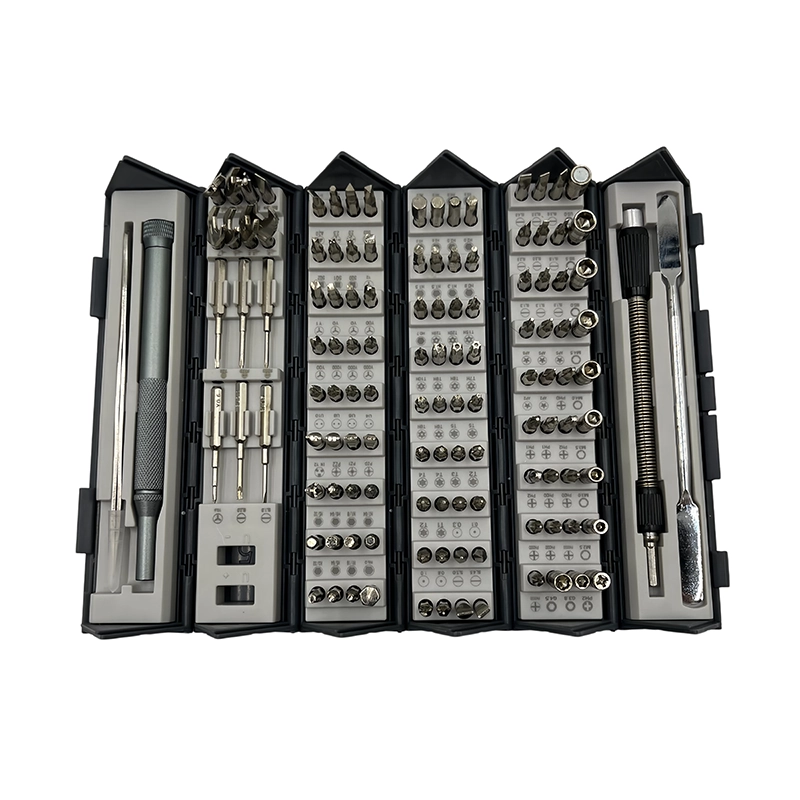
| Reference models | ToolQeen 49-in-1 and 128-in-1 manual precision screwdriver sets | Provides catalogue platforms; final contents should be confirmed against the appliance brief. |
Approve the sample on a representative panel sequence
The practical sample test is to remove and reinstall a representative control-panel cover using the proposed set. Include normal access positions, recessed screws and the panel materials most likely to show marks. Observe bit fit, handle clearance, extension stability, operator control and the condition of the screw and panel after reassembly.
Record the approved working items and their intended use. If the buyer needs logo, case or carton customization, approve those after the functional configuration is fixed. This produces a repeatable service kit rather than a collection of unrelated accessories.
Common Buyer Mistakes
Common Buyer Mistakes
Choosing by advertised piece count
The set can still miss deep-recess or security profiles used on the target panel.
Build the kit from a recorded fastener and access map.Using an extension without checking stability
Extra length can make the bit approach the screw at an angle and increase slip risk.
Test the full handle, extension and bit stack on representative access positions.Approving only new fasteners
Previously serviced screws may reveal a different need for bit fit and controlled handling.
Include realistic service-condition samples in the review.Which Option Should You Choose?
Which Option Should You Choose?
Choose a visible core configuration based on the main service call types.
Technicians can identify and return the high-use items more reliably.
Freeze bit map, case positions and packing list together.
A clear service promise relies on the physical contents matching the documentation.
Approve the set on representative new and previously serviced panel screws.
The test reflects access and fit conditions more realistically than a catalogue review.
Frequently Asked Questions
Frequently Asked Questions
Which screwdriver bits are most important for appliance control panel repair?
Start with the profiles, sizes and recess depths found on the target panels. Include security or long-reach variants only when they are verified against representative screws, then keep the high-use working items clearly identified in the case.
Is a precision manual screwdriver set enough for every appliance panel?
Not necessarily. A precision set can be suitable for small covers, brackets and control-panel fasteners, but structural hardware or larger frame screws may require another appropriately sized tool. Define the scope from the actual appliance sequence.
How should extensions be selected for recessed appliance screws?
Choose an extension only after testing the full tool stack on the panel. It should reach the recess while keeping the bit stable and as square as possible to the fastener; reach alone is not sufficient.
What should a distributor check in an appliance repair tool sample?
Check bit fit, handle control, extension stability, access, surface condition after reassembly, case organization and the complete packing list. Test both normal and realistic difficult fasteners where available.
Can ToolQeen customize a manual screwdriver kit for appliance service?
ToolQeen can review a required configuration, case and packaging scope on an existing platform. Send the appliance panel types, fastener map, target quantity, branding requirements and the sample method needed for evaluation.
How should an appliance-service kit be organized for field technicians?
Keep the high-use panel bits and handle in visible labelled positions, separate extensions and opening accessories, and make missing items obvious at a glance. The arrangement should match the documented service workflow.
Final Buyer Recommendation
Choose the smallest manual set that completes the real control-panel sequence with verified bit fit, stable access and a case that technicians can reset quickly.
Related Products
Related Products
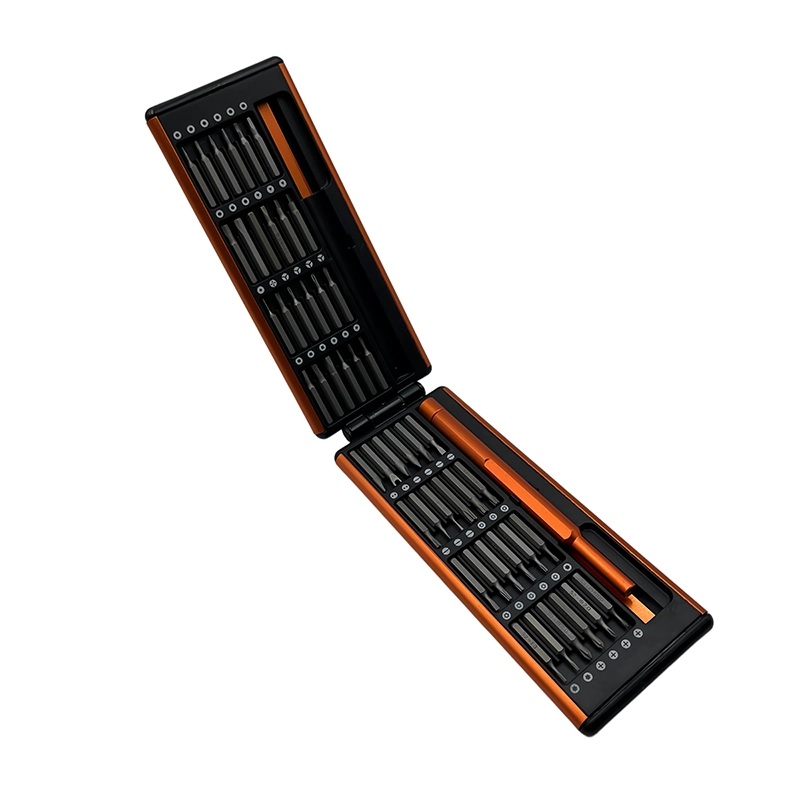
49-in-1 Manual Precision Screwdriver Set
Manual precision repair kit for electronics maintenance, workshops and retail ranges.
View product ↗128-in-1 Manual Precision Screwdriver Set
Manual precision repair kit for electronics maintenance, workshops and retail ranges.
View product ↗