
Electric precision screwdriver
How to Specify an Electric Screwdriver for a Production Line
Plan an electric screwdriver for production line work with a repeatable torque window, bit interface, duty cycle, operator method and inspection record before samples or bulk order.
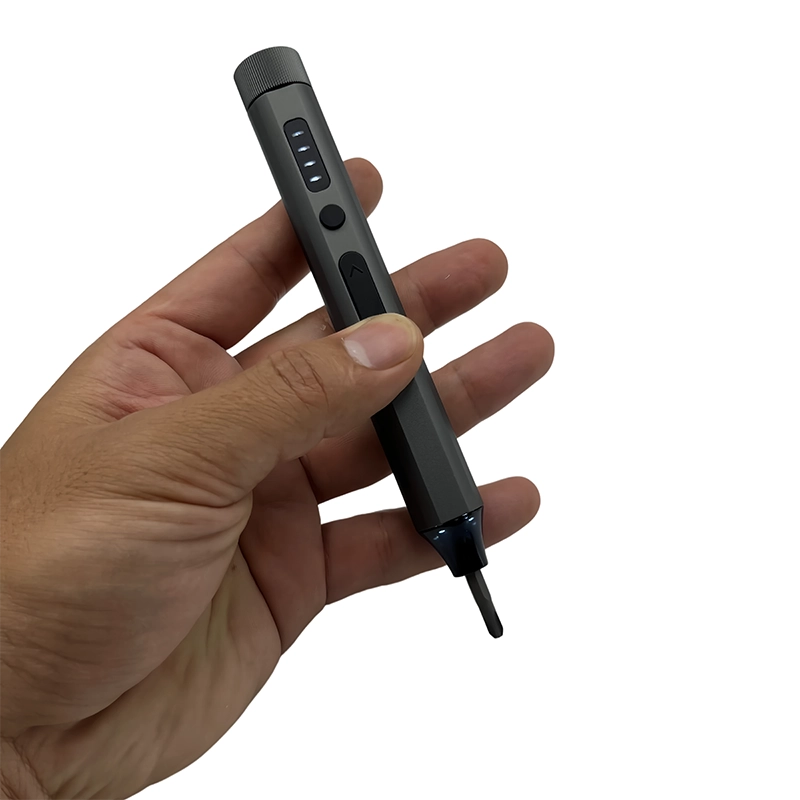
Quick Answer
An electric screwdriver for production line work should be specified from the actual joint, not a catalogue torque headline. Record fastener profile, target torque window, bit interface, access, cycle rate, operator method, stop strategy and inspection frequency. Run representative samples, confirm torque repeatability and bit fit, then freeze the approved configuration, packaging and acceptance record before bulk production.
Buyer Takeaways
- Define the joint and target torque window before comparing models.
- Check bit interface, access and cycle rate together; a high torque number alone is not a production specification.
- Use representative parts for sample approval and repeatability checks.
- Freeze the approved configuration, accessories, packaging and inspection record before bulk release.
Start with the production joint and station risk
List the fastener profile, size, material, thread condition, access depth and target torque window for the exact station. Note whether the operator needs an auto-stop function, manual finishing or a guided start. This prevents a generic electric screwdriver for production line claim from being applied to the wrong joint.
Match torque, speed, bit interface and duty cycle
Review the working torque window rather than only maximum torque. Confirm the bit interface, tip profile, extension needs, speed range, cycle time and expected heat or battery load. A production line tool must remain controllable through the planned shift; the test should use the buyer's fasteners and joint materials.
Technical Explanation
Why a torque headline is not enough
Joint friction, access, bit fit and operator method change the result. Working-window evidence is more useful than a single maximum figure.
- Use the actual fastener and joint material.
- Record the bit and test condition.
- Compare repeatability, not one reading.
Approve a representative sample before bulk order
Ask the supplier to run the proposed configuration on representative parts and record settings, bit, operator method, test equipment and observed results. Compare repeatability across multiple cycles, inspect for strip or cross-thread risk, and record any exception. The sample record becomes the reference for production inspection.
Freeze the release file and inspection route
Before issuing a purchase order, freeze model, motor or battery option, bit mix, accessories, artwork, pack-out and acceptance criteria. State who approves a change and when a new sample is required. Keep the release file with the purchase order so procurement, engineering and quality review the same production-line configuration.
Applications
Applications
Electronics assembly
Low-to-medium torque joints with controlled access and frequent cycle repetition.
Small appliance assembly
Mixed materials where bit fit and repeatability must be checked together.
Things Buyers Should Check
Things Buyers Should Check
- ✓Provide representative fasteners and joint material.
- ✓State target torque window and tolerance.
- ✓Confirm bit interface and access limits.
- ✓Define cycle rate and operator method.
- ✓Request a recorded sample-approval result.
- ✓Freeze the configuration before bulk production.
Frequently Asked Questions
Frequently Asked Questions
What torque information should a production-line buyer provide?
Provide the target torque window, tolerance, joint material, fastener profile and test method. If the value is not known, send representative parts so the supplier can propose a controlled sample study.
Is maximum torque the best way to compare electric screwdrivers?
No. Compare the stable working window, repeatability, bit fit, access, cycle rate and stop behavior on the actual joint. Maximum torque alone does not predict production quality.
How many samples should be checked before a bulk order?
Use enough repeated cycles and representative parts to expose variation; the buyer and supplier should agree the count and acceptance rule in the sample plan rather than relying on a generic number.
When does a production-line configuration need re-approval?
Re-approval is prudent after a model, motor, battery, bit, joint material, artwork, packaging or operating condition changes, or whenever inspection shows the approved window is no longer stable.
Can ToolQeen support a private-label production-line program?
ToolQeen can review an OEM or private-label brief covering the station, configuration, packaging and acceptance evidence. Final MOQ, lead time and commercial terms are confirmed after the brief and sample review.
Final Buyer Recommendation
Send the actual joint, target torque window and station duty cycle with your RFQ. Approve a recorded representative sample before releasing the production order.
Related Products
Related Products
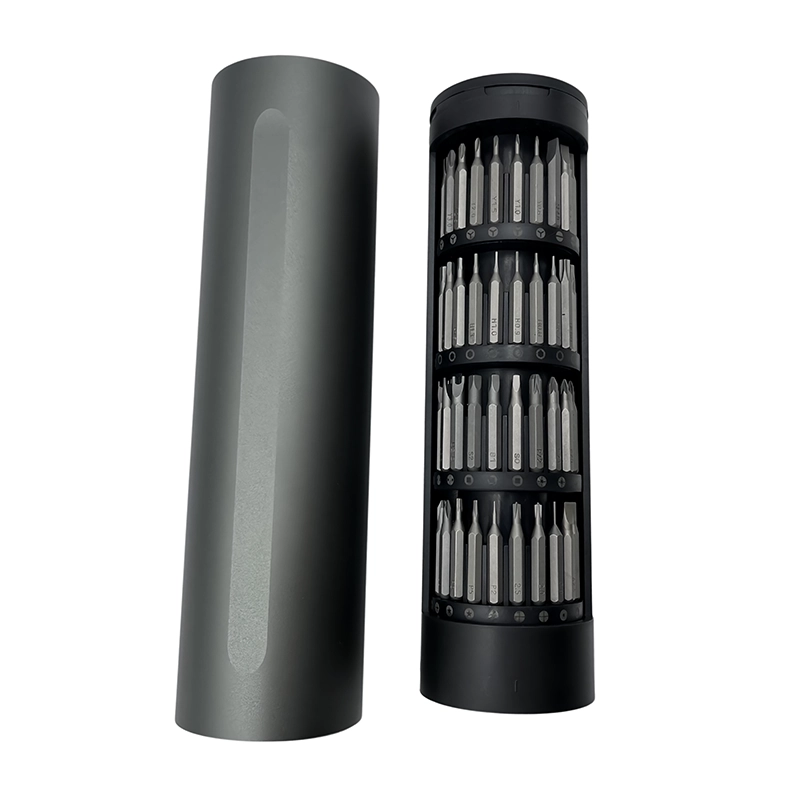
67-in-1 Electric Precision Screwdriver Set
Rechargeable precision system for smartphones, laptops, cameras and small electronics.
View product ↗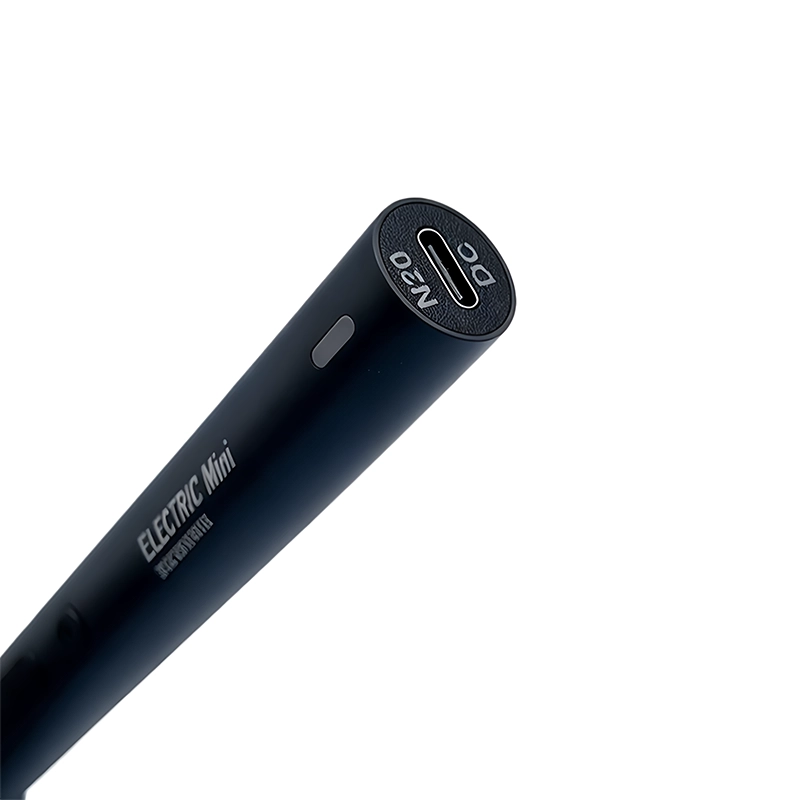
44-in-1 Electric Precision Screwdriver Set
Rechargeable precision system for smartphones, laptops, cameras and small electronics.
View product ↗