
OEM Electric Screwdriver Manufacturer: 7 Checks EU Tool Brands Should Make Before Private-Label Orders
European tool brands do not fail because they cannot find an electric screwdriver. They fail when the first private-label order looks good in a sample box but becomes hard to repeat in bulk production. Torque feels different, bits wear too fast, packaging does not match the channel, or compliance documents arrive too late. An OEM electric screwdriver manufacturer should help buyers reduce these risks before money is tied up in a private-label order.
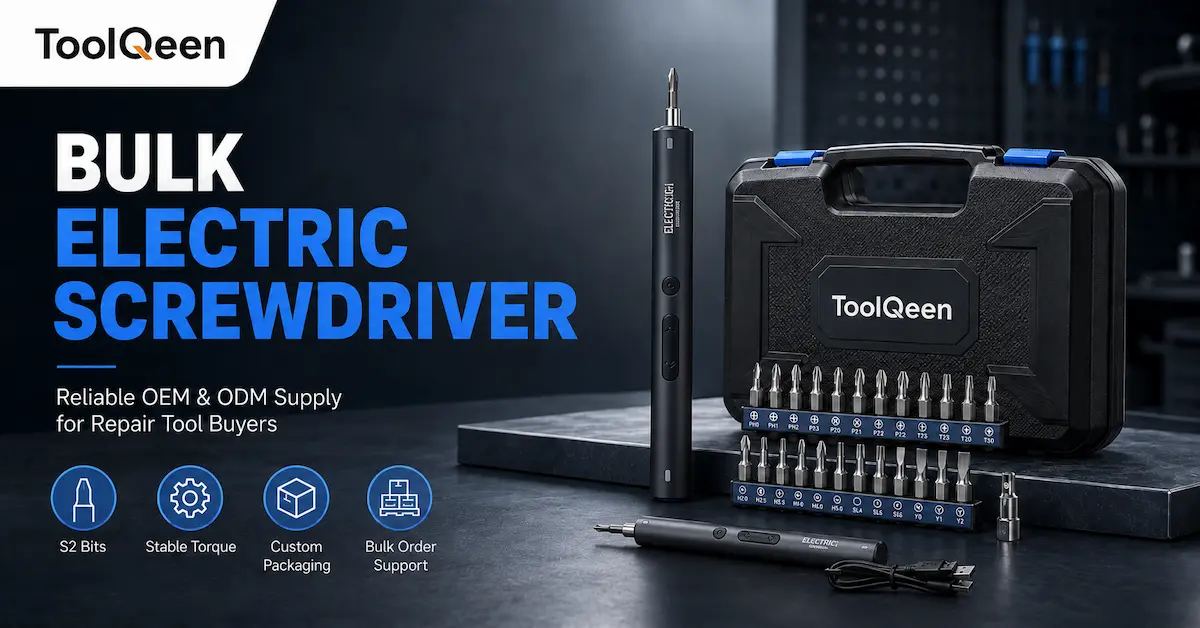
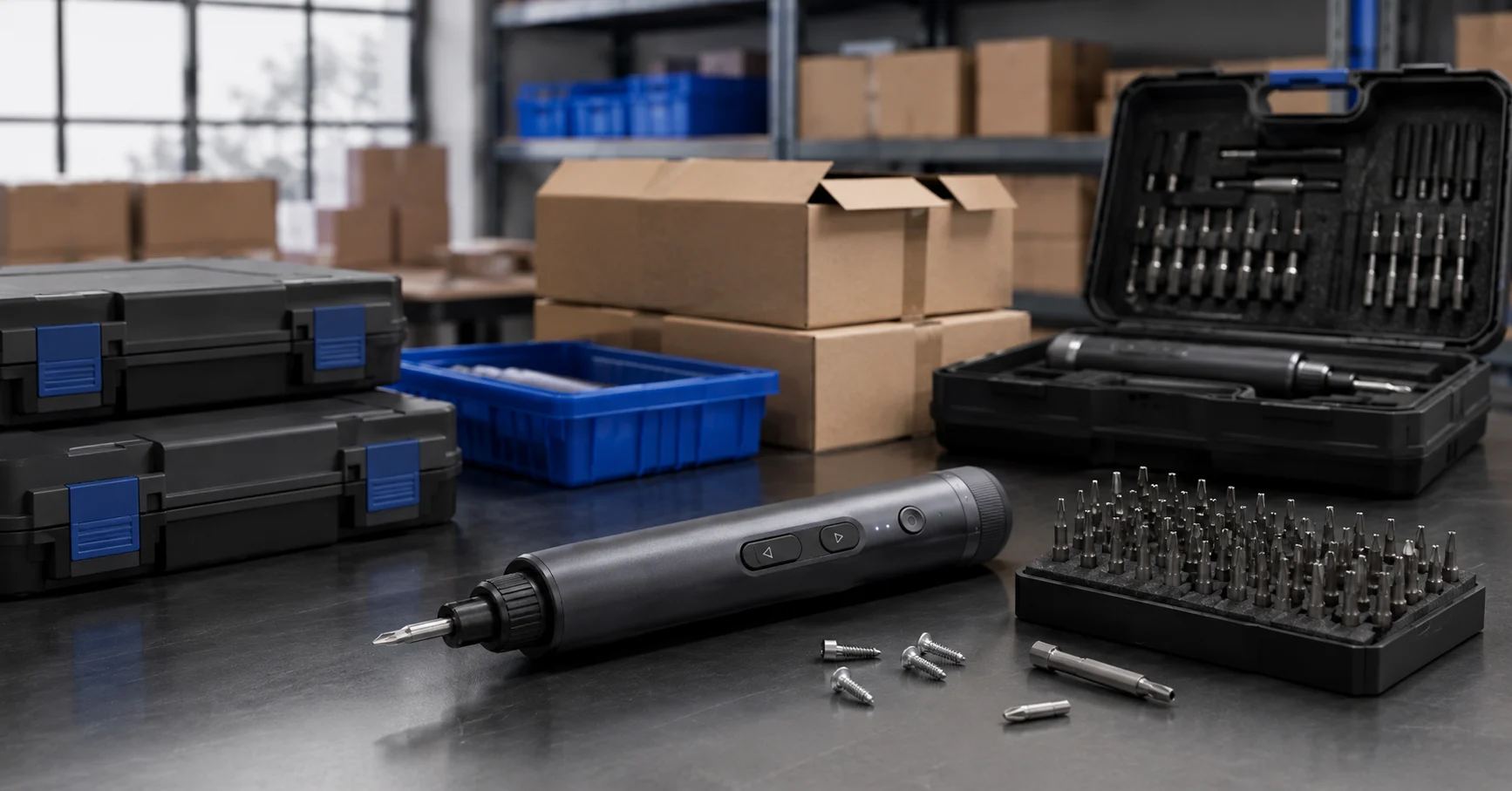
ToolQeen works with importers, distributors, repair tool brands, and e-commerce sellers that need electric screwdrivers, precision repair kits, mini rotary tools, and OEM/ODM tool programs. Our Shenzhen team connects design, mold development, injection molding, CNC machining, metal stamping, assembly, testing, packaging, and shipment so buyers can move from sample idea to repeat supply with fewer surprises.
Quick Answer
An OEM electric screwdriver manufacturer for EU buyers should provide stable torque, practical bit configuration, CE/RoHS-ready support, private-label packaging, sample confirmation, MOQ clarity, and repeat-batch QC. The strongest supplier is not just the cheapest quote; it is the factory that can repeat the approved sample in real bulk orders.
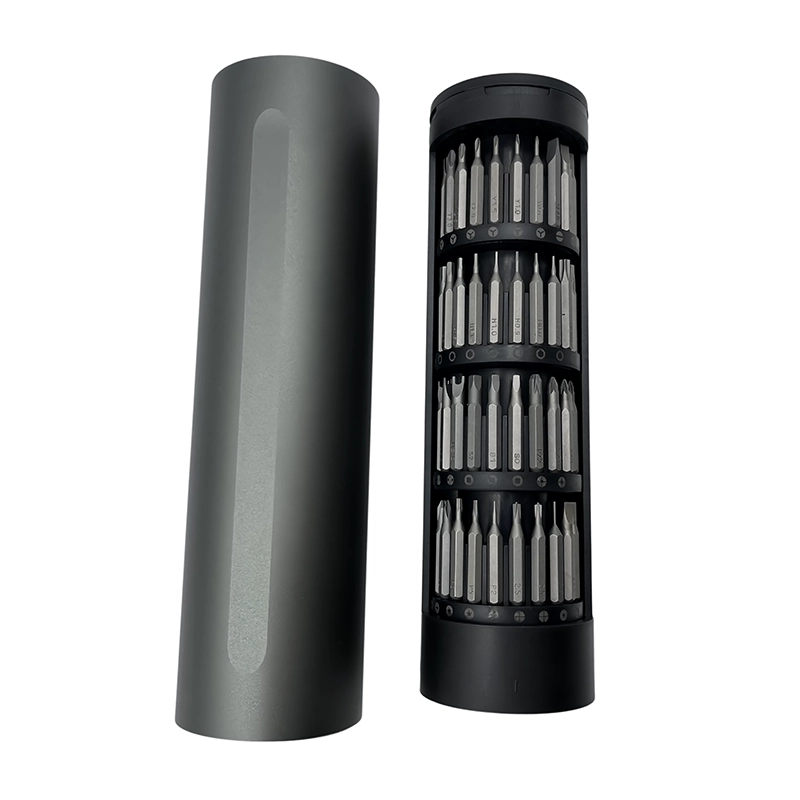
Why Private-Label Electric Screwdriver Projects Go Wrong
Many buyers begin with appearance: color, logo, case layout, and accessory count. Those details matter, but they cannot rescue a tool that feels unstable in daily repair work. If torque output is not controlled, small screws may strip. If the bit fit is poor, technicians lose trust. If packaging is unclear, retailers and online buyers need extra explanation.
For EU brands, the problem becomes larger because importers also need document control, carton labeling, manual language planning, and predictable replenishment. A sourcing decision should therefore cover product engineering, compliance support, packaging, and factory process, not only unit price.
Material, Torque, and Design Details Buyers Should Review
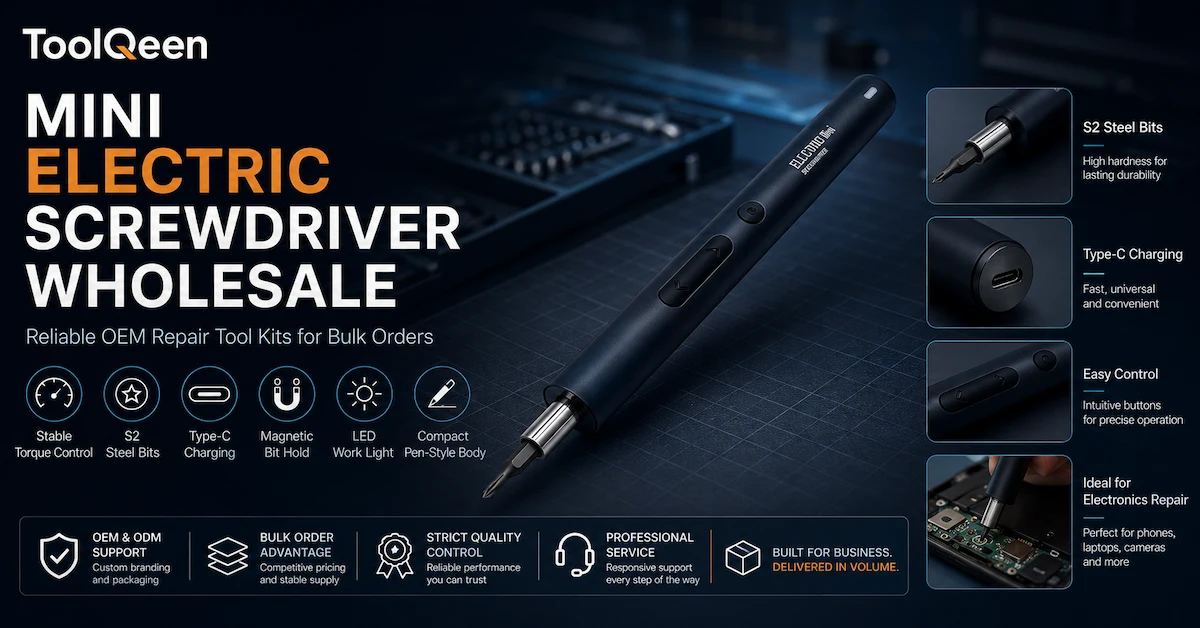
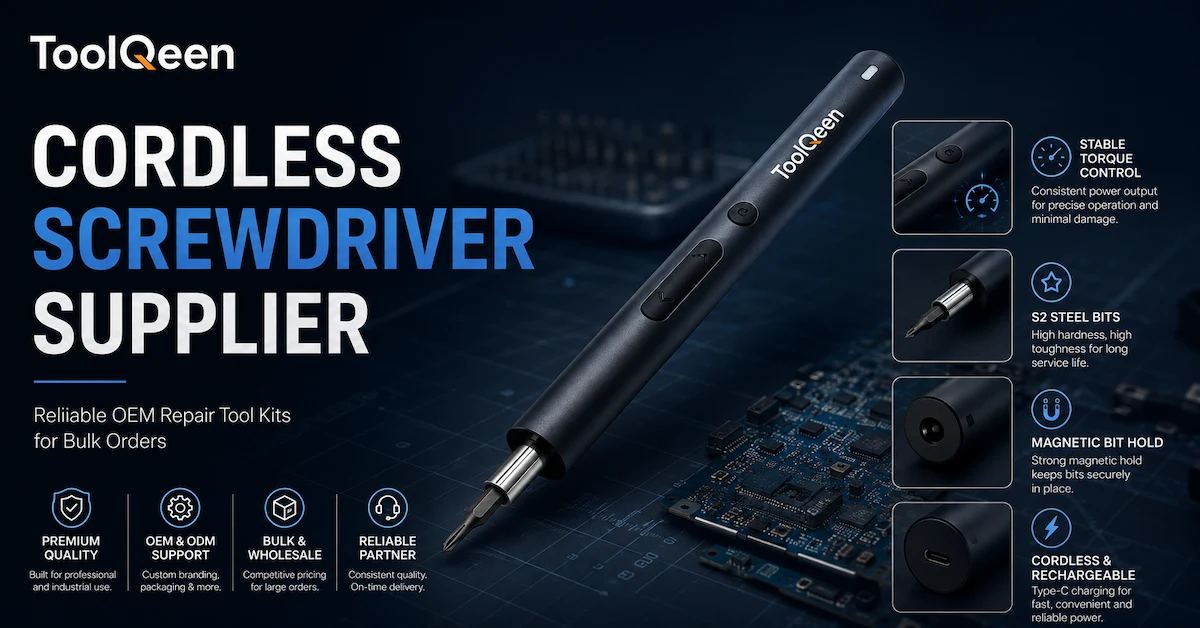
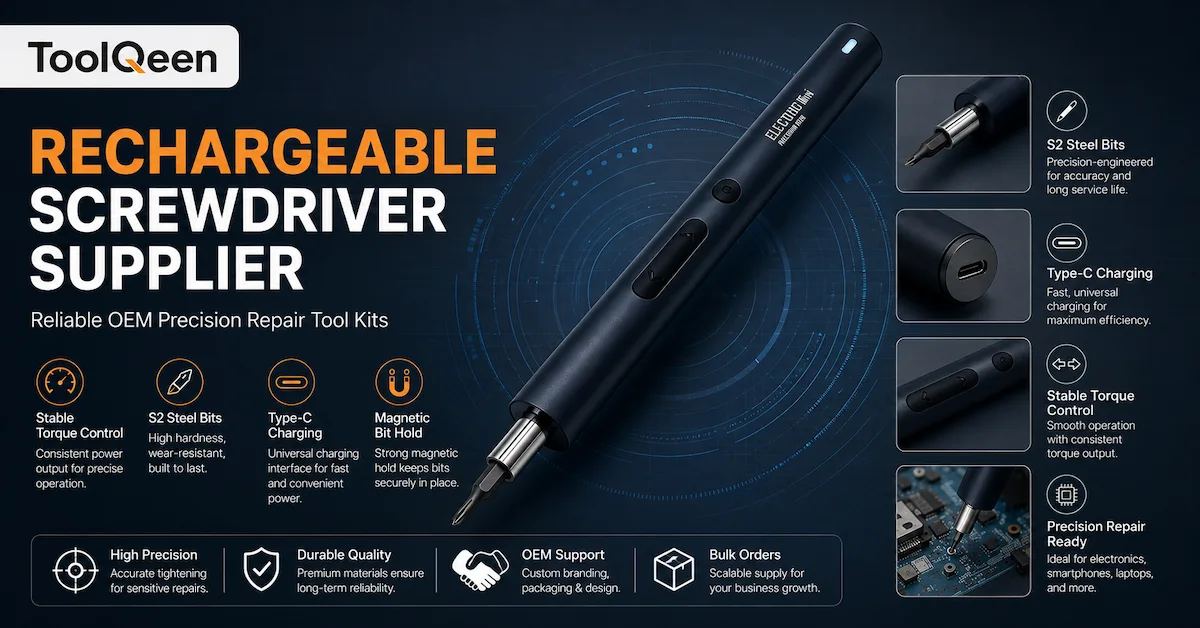
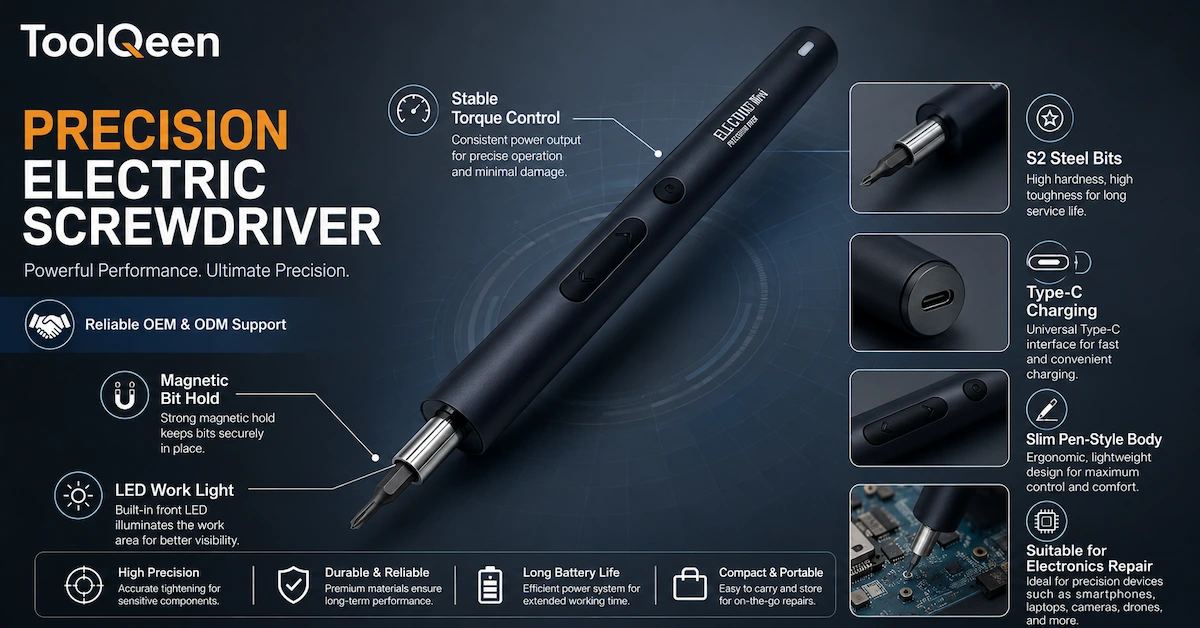
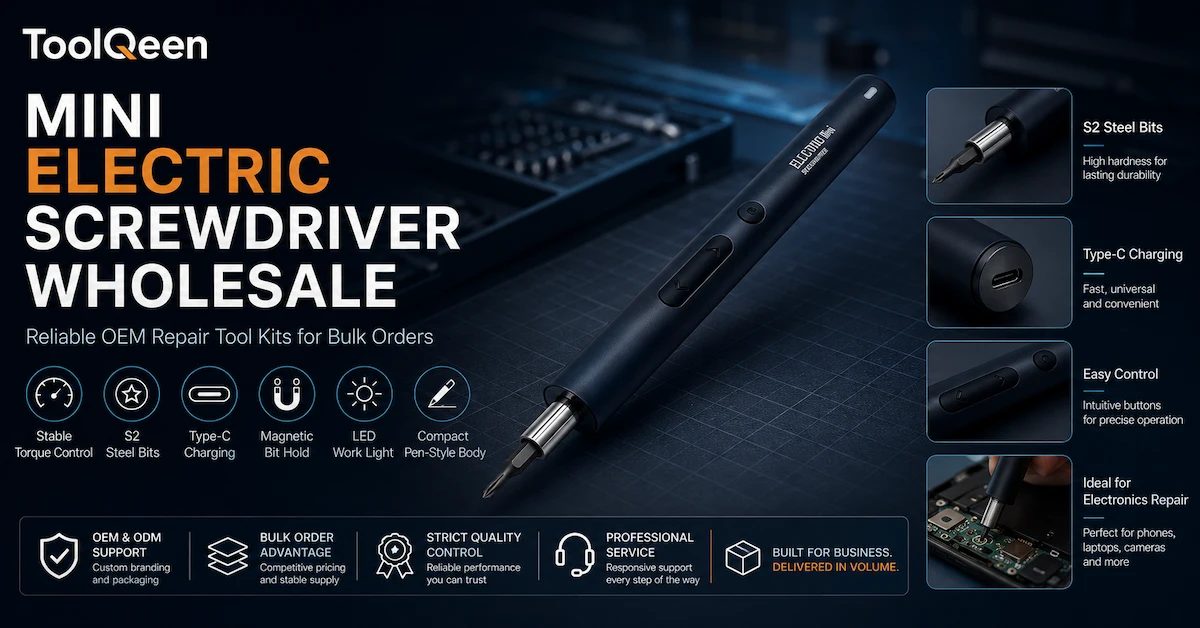
A reliable private-label kit begins with the product architecture. Buyers should review motor selection, PCB control, torque behavior, battery and charging design, housing balance, S2 bit range, magnetic handling where applicable, and storage layout. A compact tool must feel precise in the hand, especially for phone repair, laptop repair, smart lock assembly, and small electronics maintenance.
ToolQeen helps buyers match configuration to the target channel. A repair shop kit may need fast bit identification and stable daily use. A retail gift set may need stronger packaging and a simpler user story. A professional distributor line may need repeatable SKU planning, barcode support, and clear technical files.
EU Compliance: Do Not Leave Documents Until the End
For electric tools and electronic accessory kits, compliance planning should begin before packaging artwork is finalized. EU buyers often ask for CE and RoHS-related support, depending on the final model, battery, charger, packaging, and market route. The European Commission's RoHS Directive is a useful official reference when buyers discuss restricted substances in electrical and electronic equipment.
The practical rule is simple: confirm documents against the exact configuration you intend to order. Do not rely on a generic claim from a different product version. This protects the importer, the brand owner, and the downstream sales channel.
7 Checks Before Choosing an OEM Electric Screwdriver Manufacturer
1. Can the factory explain torque control?
Ask how torque is tested, how the sample is recorded, and how batch production is compared with the approved sample.
2. Are the bits matched to real repair tasks?
Review S2 bit material, bit range, tip fit, labeling, and storage layout. More pieces are not useful if the most-used bits feel weak.
3. Is packaging built for your sales channel?
Private-label packaging should support retail display, e-commerce images, warehouse handling, and clear after-sale use.
4. Can the supplier support your MOQ and lead time?
ToolQeen's OEM MOQ starts from 500 pieces and ODM projects usually start from 1,000 pieces. Standard samples can often be prepared in 3-5 days.
5. Does QC cover components and finished goods?
Check whether the supplier inspects motors, PCBs, batteries, bits, plastic parts, assembly, function, torque, appearance, packaging, and final cartons.
6. Can the factory repeat the first sample?
Private-label success depends on batch consistency. The second and third orders must feel like the approved sample.
7. Does the supplier understand your buyer?
An EU distributor, repair tool brand, and e-commerce seller may need different packaging, documentation, and product positioning.
Factory vs Trading Supplier: Which Is Better for OEM Projects?
A trading supplier can be useful for quick sourcing, but OEM electric screwdriver projects usually need deeper process control. A factory with in-house production can respond faster when buyers need packaging changes, bit adjustments, sample feedback, quality records, and replenishment planning.
ToolQeen's full-chain manufacturing flow helps reduce the gap between design idea and mass production. Buyers can discuss sample details, packaging, QC, lead time, and shipping terms such as FOB, EXW, CIF, or DDP in one process.
Reference Case: Preparing a European Private-Label Tool Line
A European buyer preparing a new precision repair tool line may start with a target retail price, logo direction, and two kit sizes. ToolQeen would first review the target user, torque expectation, bit layout, package structure, document needs, and expected order quantity. After sample testing, the buyer can confirm one lead SKU before expanding the range.
This staged approach protects cash flow and reduces the risk of launching too many similar products before the market proves demand.
FAQ
What should EU brands ask an OEM electric screwdriver manufacturer first?
Ask about torque control, S2 bit configuration, sample lead time, MOQ, packaging customization, CE/RoHS-related support, QC process, and repeat-batch consistency.
Can ToolQeen customize logo, color, and packaging?
Yes. ToolQeen supports logo, color, box design, manuals, accessory layout, barcode needs, and retail-ready packaging for OEM and ODM buyers.
How long does an OEM sample take?
Standard samples usually take 3-5 days. More customized projects may take longer depending on color, packaging, and configuration.
Is the cheapest manufacturer the best choice?
Usually not. A lower price can become expensive if it creates returns, delayed documents, inconsistent torque, weak packaging, or poor repeat orders.
Summary: Build the Brand Before the Bulk Order
An OEM electric screwdriver manufacturer should help EU tool brands build a private-label product that feels controlled, looks credible, passes practical checks, and can be repeated in future orders. Buyers should compare torque, bits, packaging, documents, MOQ, lead time, and QC before confirming production.
ToolQeen supports private-label electric screwdriver and repair tool programs from sample planning to bulk shipment. Learn about our factory background at About ToolQeen, or review product options at ToolQeen Products.