
Android Repair Tools Supplier: LCD Buyer Checklist for Bulk Orders
Quick Answer: Buyers comparing an Android repair tools supplier should verify screwdriver bit fit, pry-tool durability, ESD-safe handling, OEM packaging accuracy, sample consistency, and final QC records before placing a bulk order. The safest supplier is the one that can keep the same tool feel, accessory count, and packaging quality across repeat batches.
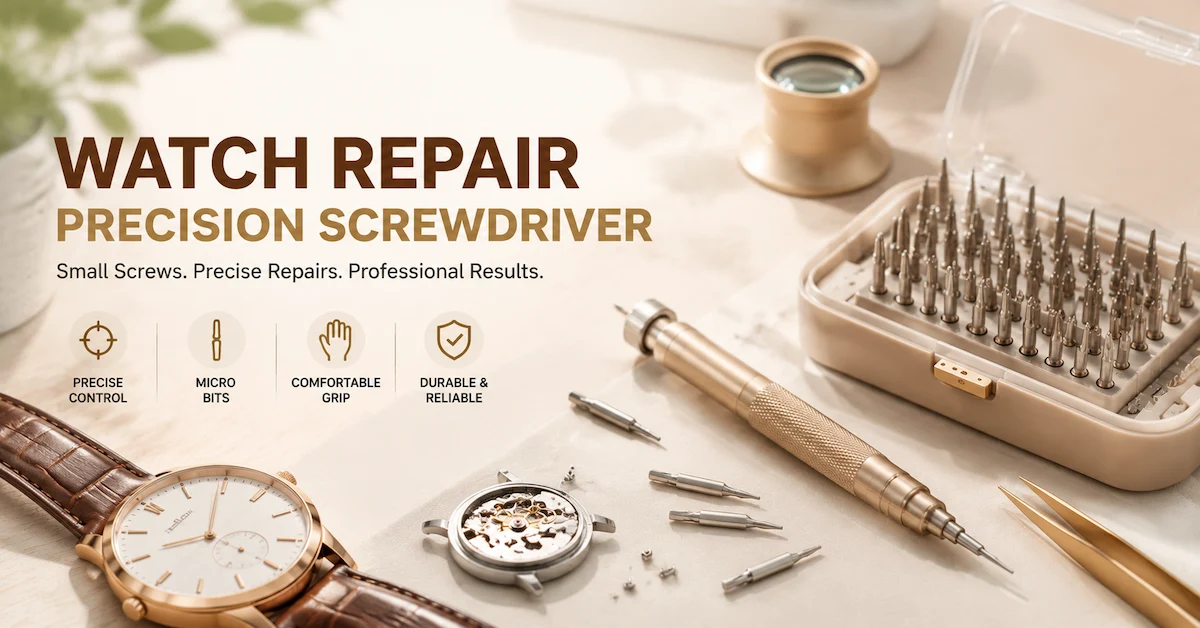
For importers, repair-tool distributors, and phone-parts sellers, the real issue is not finding another generic toolkit. The real issue is securing an Android repair tools supplier that can keep screwdriver tips accurate, opening tools durable, and packaging consistent from sample approval through repeat purchase orders. That matters when buyers are selling to repair shops that depend on clean LCD opening, screw control, and reliable accessory counts.
Review ToolQeen repair-tool options, explore the ToolQeen factory profile, or send an OEM inquiry if you need a private label, wholesale, or distributor quote.
Why Android LCD Buyers Need a Different Checklist
Phone LCD replacement work is less forgiving than general household repair. Buyers need controlled bit sizes, anti-slip grip texture, opening tools that do not snap under pressure, and trays that keep parts organized. A weak accessory mix may look fine in a catalog image but create returns when repair teams see stripped screws, poor bit fit, or damaged housings during real use.
That is why a serious Android repair tools supplier should be evaluated as a repeatable B2B supply partner, not just as a low-price catalog source. Practical buying checks include material consistency, packaging control, lead-time reliability, and whether the supplier can support OEM logos, inserts, and retail-ready box layouts without changing the approved kit structure.
Core Product Checks Before Bulk Orders
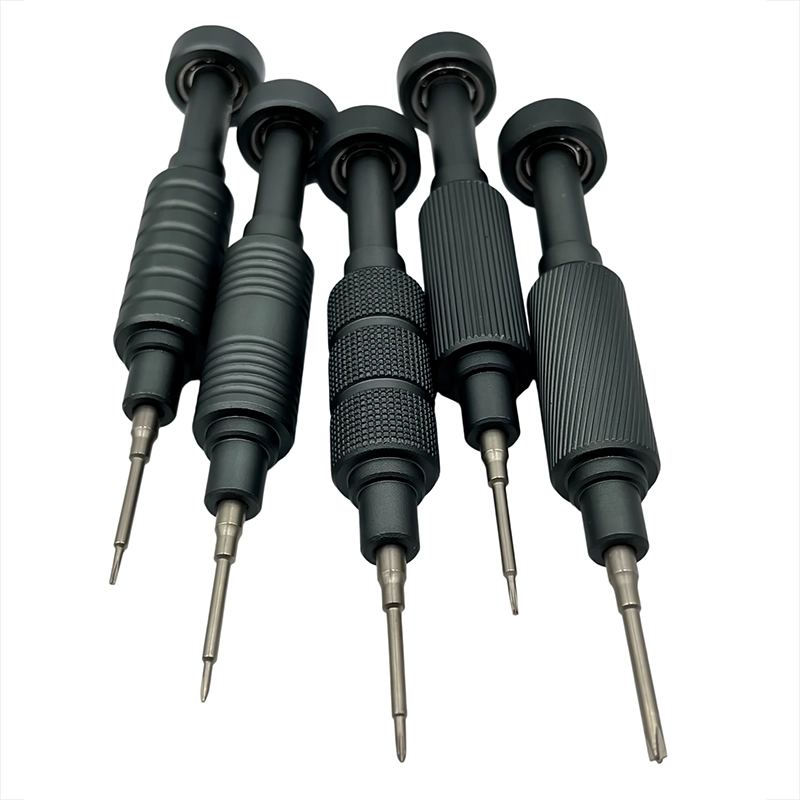
Start with the tool combination that matters most to phone repair teams: precision screwdrivers, pry tools, suction support, spudgers, tweezers, and storage layout. Buyers should confirm the bit type, torque feel, magnet strength, and accessory count at sample stage, then lock those details before production. For teams handling display work, ESD-safe process awareness is also important; the ESD Association standards overview is a useful external reference when discussing handling requirements with a supplier.
| Buyer Check | Why It Matters | What To Request |
|---|---|---|
| Bit fit accuracy | Reduces stripped screws during LCD and frame repair. | Sample verification on common Android screw sizes. |
| Pry tool durability | Prevents cracked opening picks and customer complaints. | Material confirmation and repeated opening test notes. |
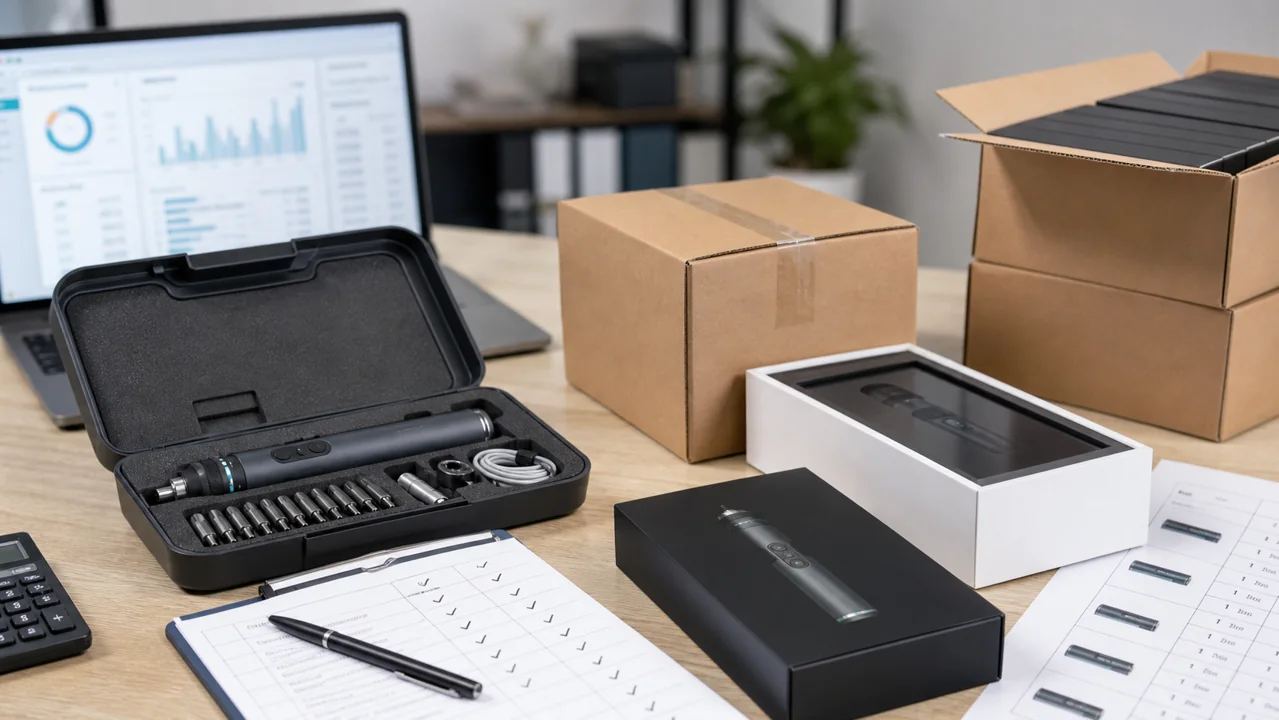
| OEM packaging | Improves shelf trust and listing conversion. | Box artwork, tray layout, barcode, manual, and carton label approval. |
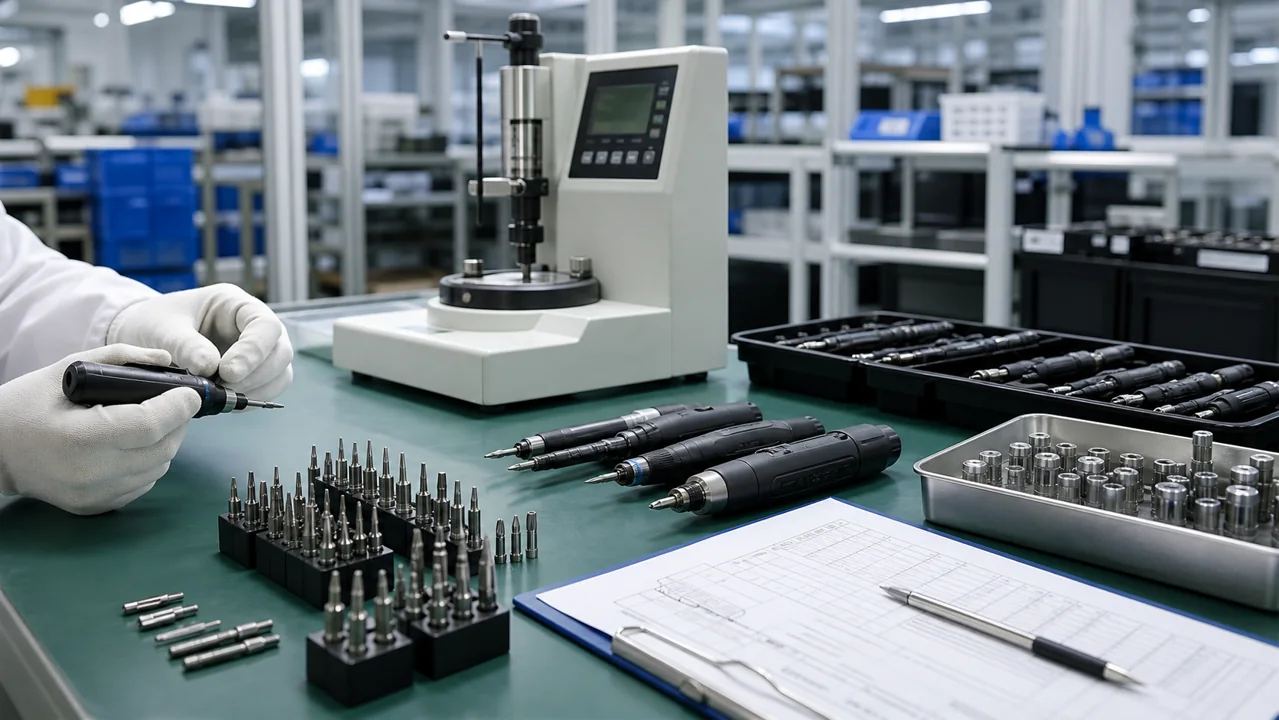
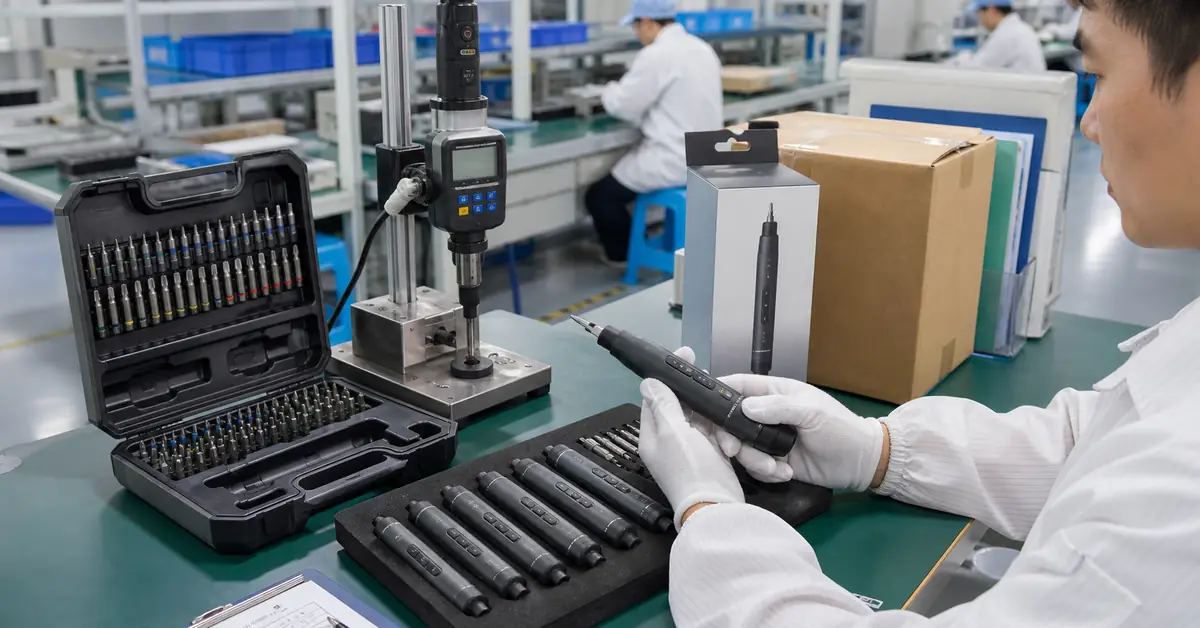
| Final QC record | Protects repeat orders and lowers dispute risk. | Accessory count check, appearance inspection, and packaging sign-off. |
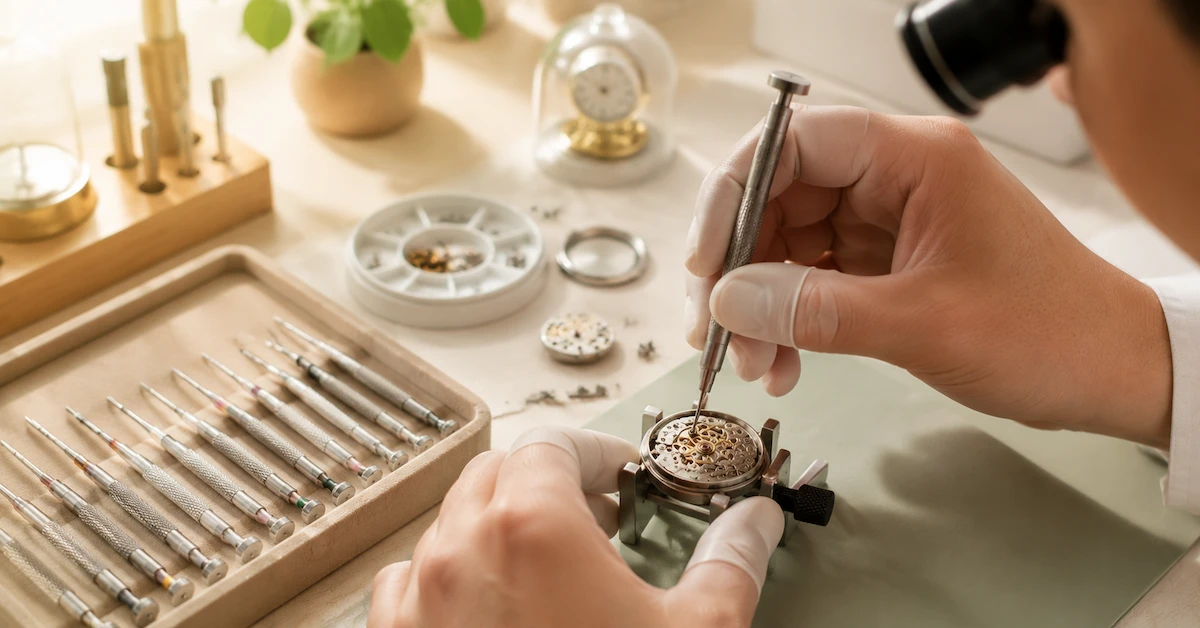
How ToolQeen Fits Android Repair Tool Programs
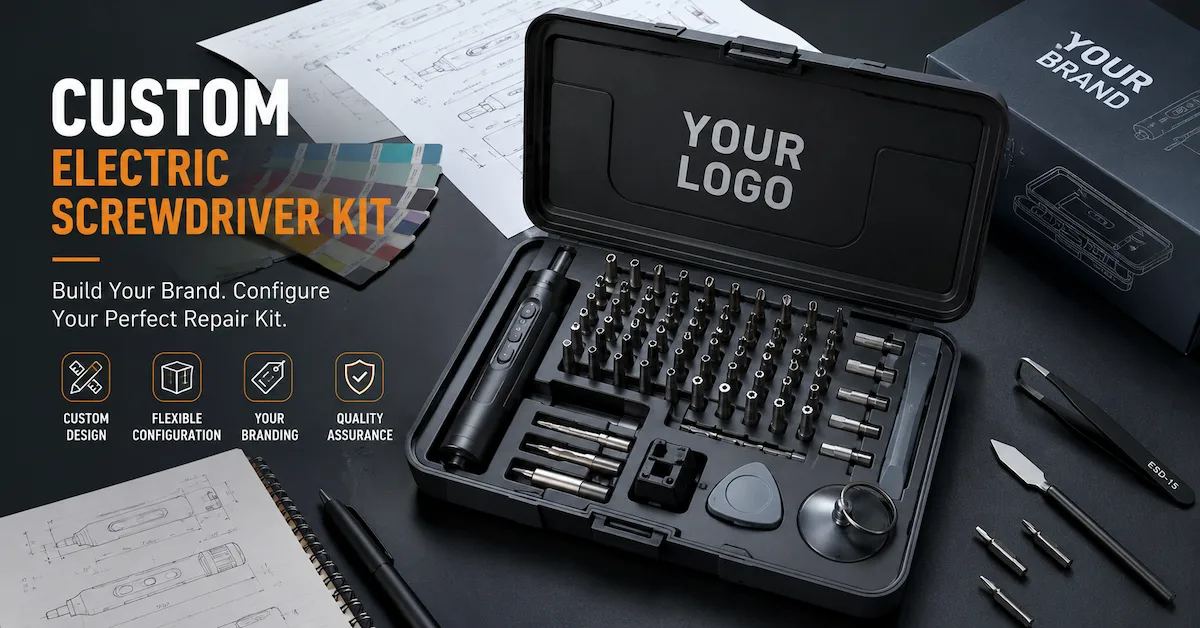
ToolQeen supports B2B buyers that need precision electric screwdrivers, manual precision kits, rotary support tools, and private label packaging for repair-tool channels. For Android repair-tool sourcing, the value is not a marketing claim. It is controlled communication on sample approval, clear accessory matching, practical packaging support, and a factory workflow built around repeat orders instead of one-off shipments.
Buyers serving repair shops, Amazon sellers, parts distributors, and wholesale importers usually benefit from a simpler kit with the right screw bits and opening tools instead of a long accessory list that adds cost without helping conversion. That is especially true when the target buyer cares about LCD replacement, frame opening, and small-screw stability rather than a broad consumer gift-kit concept.
MOQ, Packaging, and Lead-Time Questions To Settle Early
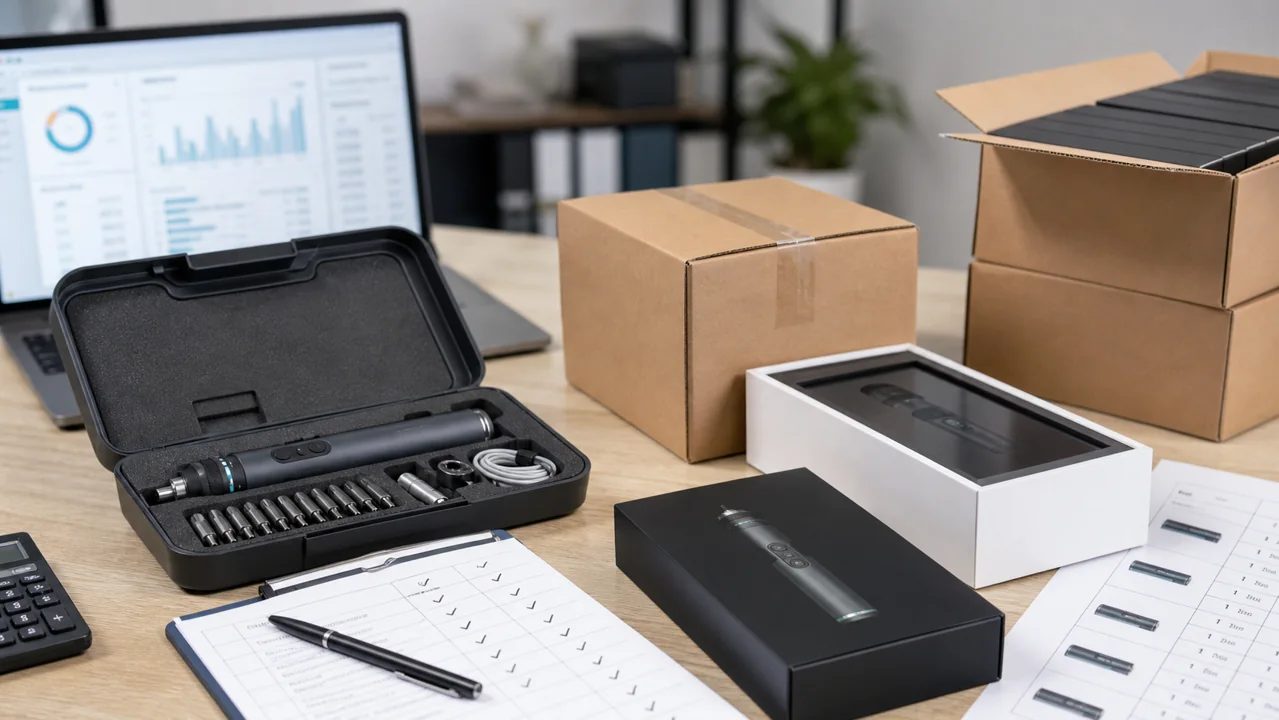
Before placing a bulk order, buyers should settle three issues early: MOQ, packaging format, and replenishment timing. MOQ affects whether the project can support a custom tray, private label outer box, or bundle insert. Packaging format affects conversion because repair-tool buyers often compare visual order, branded presentation, and accessory readability. Lead time matters because repeat orders may need the same kit structure with limited room for substitution.
ToolQeen recommends locking the final accessory list, logo position, and carton label before mass production. That reduces the risk of a later mismatch between the approved sample and the goods that actually ship.
FAQ
What should buyers ask an Android repair tools supplier first? Ask about sample consistency, bit sizes, pry-tool material, packaging options, MOQ, and final QC controls before discussing only price.
Can ToolQeen support OEM or private label repair kits? Yes. ToolQeen can support logo, packaging direction, accessory matching, and wholesale or distributor-focused kit programs for qualified B2B orders.
Why does packaging matter for repair-tool buyers? Packaging affects conversion, shelf trust, and reorder clarity. Clean tray layout and accurate accessory labeling help both distributors and end customers.
What is the risk of buying only on unit price? The lowest quoted kit may create higher return cost when tip fit, packaging, or accessory durability is inconsistent across production batches.
Which internal pages should buyers review next? Start with ToolQeen products, then review company information before sending a custom RFQ.
Is this article relevant for repair shops and distributors? Yes. The checklist is designed for wholesalers, parts sellers, repair-tool distributors, and OEM/private label buyers serving phone repair channels.
Final Recommendation
The right Android repair tools supplier should lower return risk, support cleaner packaging, and deliver repeatable kit quality instead of chasing one low-margin shipment. For buyers handling LCD replacement tools, screwdriver kits, and repair-tool bundles, that means checking fit, accessory durability, packaging, and QC discipline before bulk orders begin.
CTA: Send ToolQeen your target market, order quantity, packaging direction, and preferred repair-tool mix. The team can recommend whether a standard kit, OEM configuration, or private label program is the better route for your next RFQ.