
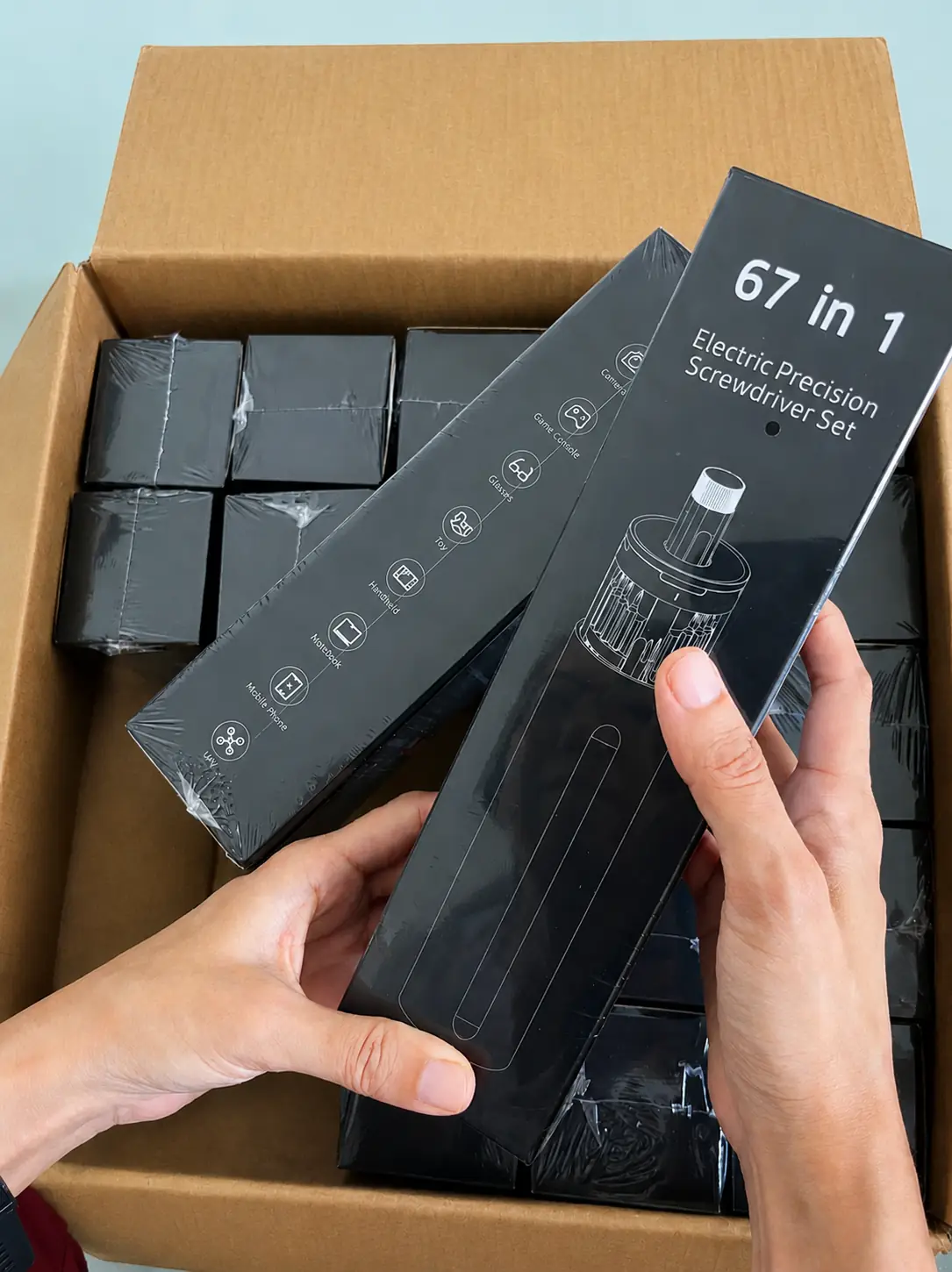
What should a buyer verify before importing rechargeable screwdrivers?
Before importing rechargeable screwdrivers, buyers should verify the product specifications, battery information, compliance documents, shipping classification, and supplier quality controls.
We recommend checking:
- Torque and speed: confirm the actual working torque, torque levels, rotation speed, and automatic-stop behavior
- Battery specifications: battery chemistry, voltage, capacity, watt-hour rating, charging method, and whether the battery is built into the product
- UN38.3 documentation: lithium batteries must meet the applicable transport testing requirements before international shipment by air. (iata.org)
- Product compliance: confirm the certifications and test reports required for the destination market, such as CE, FCC, RoHS, or other applicable requirements
- Shipping classification: confirm the correct UN number, packing instruction, labels, and documentation according to how the battery is packed. Lithium-battery shipping requirements can vary by configuration, airline, and destination. (iata.org)
- Bit material and hardness: verify S2, CR-V, or other materials and the required hardness range
- Bit accuracy and runout: important for precision screws and professional repair applications
- Charger and plug specification: confirm input voltage, USB charging type, cable, and destination-market plug requirements if a charger is included
- Packaging and labeling: check product labels, battery markings, country of origin, manuals, warnings, and retail packaging
- Quality control: confirm torque testing, battery testing, aging tests, functional inspection, and pre-shipment inspection
- Samples: test production samples before approving a large order
For ToolQeen rechargeable precision screwdrivers, buyers can also confirm the torque configuration, battery specification, bit combination, packaging, logo, and other OEM/ODM requirements before mass production.
For import projects, we recommend confirming the destination country and shipping method at the quotation stage, because product compliance and lithium-battery transport requirements may differ between markets.