
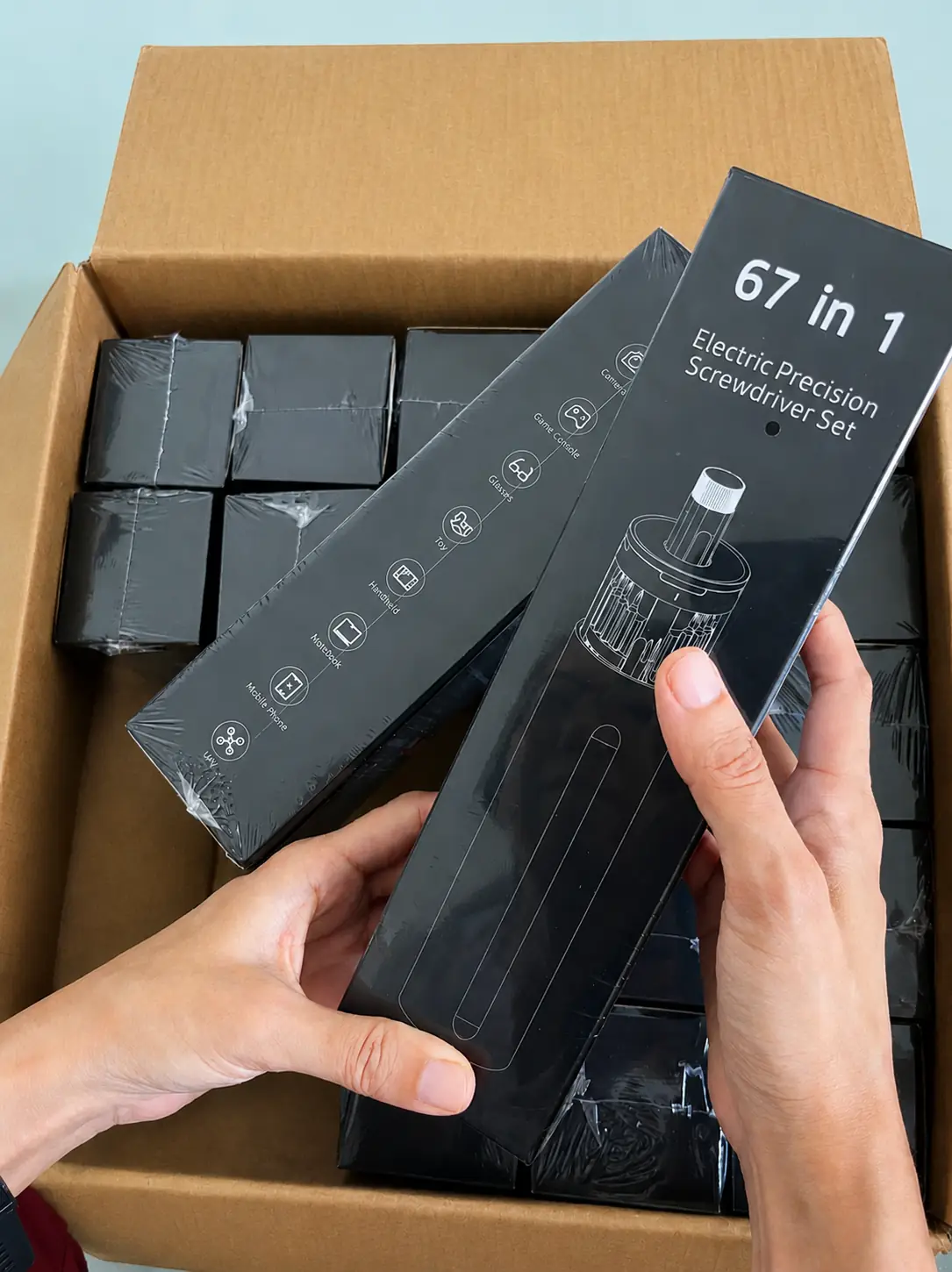
How can buyers prevent quality changes after sample approval?
Buyers can reduce quality changes after sample approval by locking the approved sample, specifications, materials, and key components before mass production.
We recommend confirming:
Golden sample: keep one approved sample with both buyer and supplier as the production reference
Final specification sheet: include dimensions, torque, speed, battery, materials, hardness, color, logo, packaging, and accessories
Approved BOM or key-component list: especially battery, motor, PCB, gearbox, bits, plastics, and charging components
No-change agreement: require supplier approval before changing any key material, component, process, or sub-supplier
Color and appearance standards: use Pantone numbers, finish requirements, and approved samples instead of verbal descriptions
Critical tolerances: define important dimensions, bit accuracy, runout, torque range, and functional limits
Packaging approval: lock artwork, labels, accessories, carton size, and packing method
Pre-production sample: confirm the final production version before the full order starts
In-process inspection: check key parameters during production instead of waiting until the order is finished
Pre-shipment inspection: compare finished goods against the approved golden sample and specification before release
For electric screwdriver projects, buyers should pay particular attention to battery model, motor, gearbox, PCB, torque settings, bit material, and hardness, because changes in these parts can affect performance even when the product looks identical.
For ToolQeen OEM and ODM orders, we recommend locking the golden sample, specification, BOM, packaging, and QC standards together before mass production, then using the same reference during production and final inspection.