Electric screwdriver
What Repair Shops Should Check Before Buying a Precision Electric Screwdriver Kit
What Repair Shops Should Check Before Buying a precision electric screwdriver kit for faster, safer electronics repair and better bench workflow.
Published 2026-05-23 · Reviewed by the ToolQeen product and quality team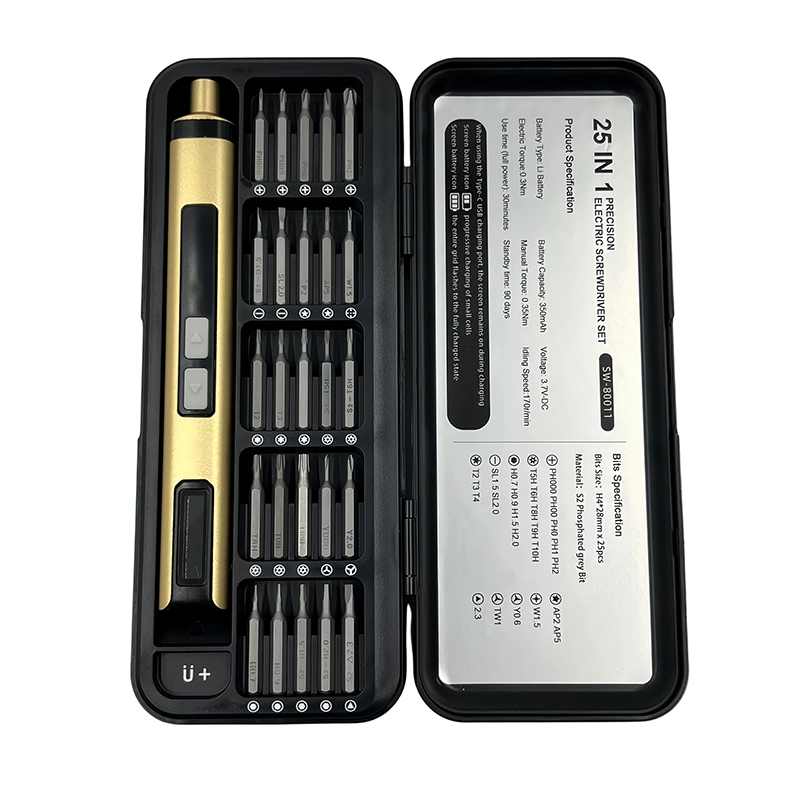
Electric Screwdriver for Laptop Repair: What Repair Shops Should Really Check Before Buying If you walk into almost any laptop repair shop today, you’ll probably see the same thing on every workbench — a precision electric screwdriver. Not because it looks professional, but because technicians genuinely use it all day. Opening laptops, replacing batteries, cleaning fans, changing keyboards, upgrading SSDs… the screwdriver never leaves the technician’s hand for long.
But here’s the problem. A lot of repair shops buy electric screwdrivers the same way people buy phone chargers — they just pick the cheapest one online and hope it works. At first, it usually feels “good enough.” Then after a few months, the issues start showing up: Screws getting stripped Bits wearing out too quickly Weak battery life Unstable torque Poor button response Technicians complaining about hand fatigue That’s usually when repair shops realize not all precision electric screwdrivers are built the same.
If your business repairs laptops every day, here are a few things actually worth checking before buying one. Stable Torque Is More Important Than High Power A common mistake people make is assuming more power automatically means better performance. For laptop repair, that’s usually the opposite of what you want. Modern laptops use extremely small screws, especially ultrabooks, gaming laptops, and MacBooks. Too much torque can easily damage screw heads or even crack plastic around the screw holes.
Most experienced technicians prefer lower, smoother torque that feels controlled. The screwdriver should stop naturally once the screw is tightened instead of forcing extra pressure into the device. Good precision screwdrivers make delicate work feel easy. Bad ones feel unpredictable. Cheap Bits Cause Most of the Frustration Honestly, many repair problems don’t even come from the screwdriver itself. They come from poor-quality bits.
Once bits start wearing down, they slip more often. And when tiny laptop screws get damaged, even a simple repair suddenly becomes annoying. That’s why most repair shops prefer S2 steel bits for daily work. They last longer and fit screws more accurately. The most commonly used bits for laptop repair are usually: Phillips Torx Pentalobe Hex Tri-point Magnetic bits also help a lot more than people expect, especially when working with tiny screws inside compact laptops.
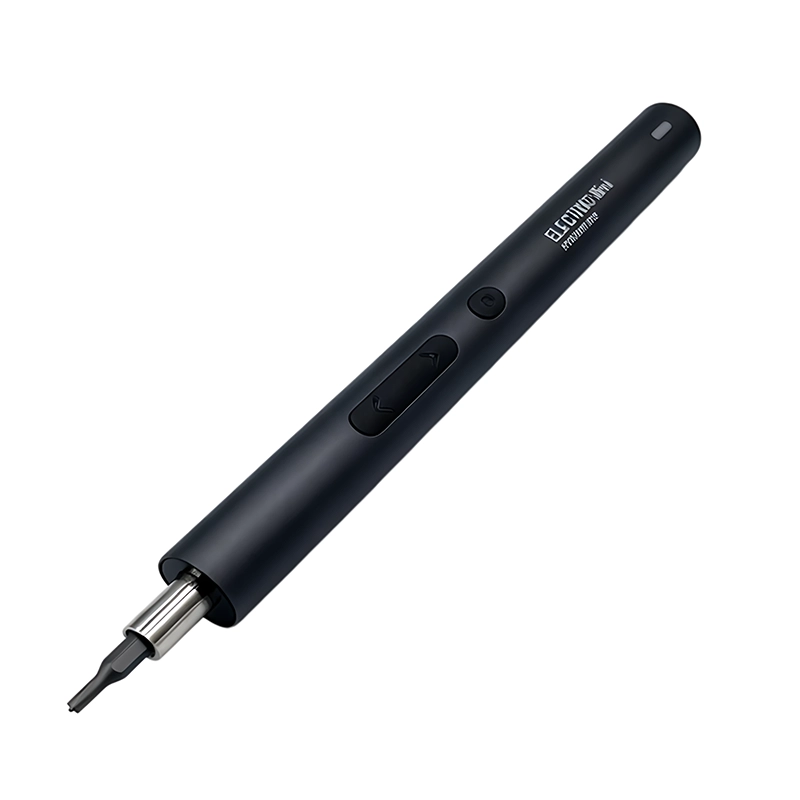
Anyone who has spent 10 minutes searching for a dropped motherboard screw already understands this. Comfort Matters More Than Fancy Design This is something many people ignore until they actually use the tool for a full workday. A heavy screwdriver may feel “premium” at first, but after hours of repetitive repair work, it quickly becomes uncomfortable. Most technicians prefer slim pen-style electric screwdrivers because they’re easier to control and less tiring to hold.
Simple designs usually work best for electronics repair. You don’t really need oversized industrial styling for delicate laptop work. You just need something comfortable and reliable. Battery Problems Slow Down Repair Work Fast In a repair shop, tools need to work consistently. Nobody wants to stop halfway through a repair because the screwdriver suddenly loses power. That’s why battery stability matters more than maximum speed.
Most repair shops today prefer: USB-C charging Fast charging support Stable battery performance Reliable daily runtime Good battery performance keeps workflow smooth, especially during busy repair periods. Quiet Tools Make Shops Feel More Professional This sounds small, but it actually changes the atmosphere of a repair shop. Some low-cost electric screwdrivers become surprisingly loud after a few months of use. Constant high-pitched motor noise gets irritating fast, especially in customer-facing environments.
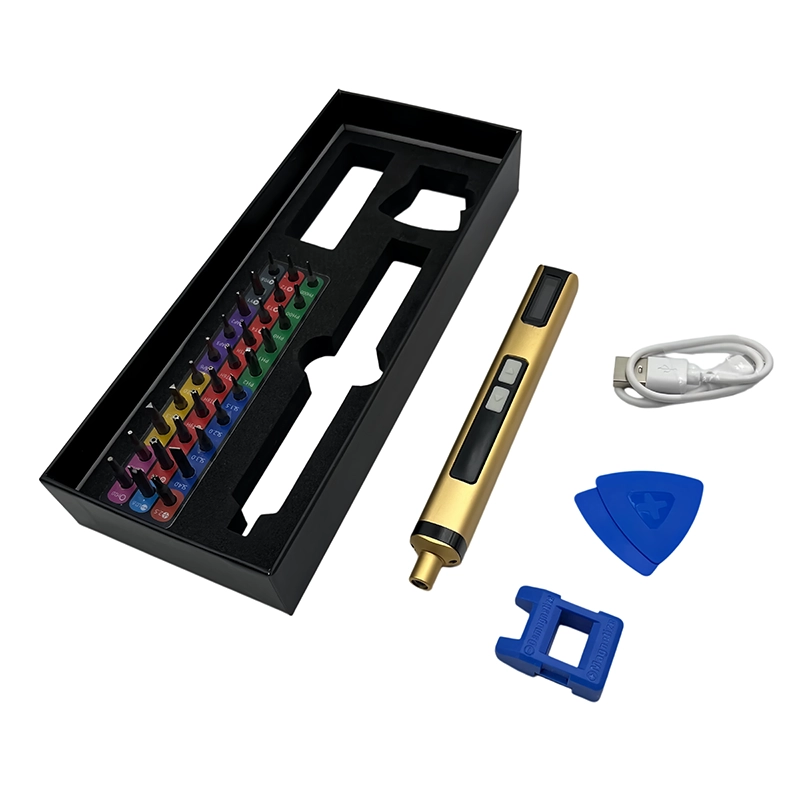
Quieter tools simply create a cleaner and more professional workspace. And technicians appreciate it too. Most Repair Shops Need a Complete Kit Usually, technicians don’t just want the screwdriver alone. They want a full repair setup that keeps everything organized and easy to access. Most professional repair kits include: Precision bits Pry tools Tweezers Magnetic pads Cleaning brushes Extension rods Flexible shafts When tools are organized properly, repair work becomes much smoother.
Small details save time every day. The Cheapest Option Usually Becomes the Most Expensive This is probably the most common purchasing mistake. Many repair shops focus only on the lowest price in the beginning. But after months of heavy use, cheap tools often end up costing more through: Faster replacement Slower repair speed Damaged screws Technician frustration Lower efficiency For businesses doing repairs every day, reliability matters far more than saving a small amount upfront.
A good electric screwdriver should survive daily use without becoming a problem itself. What Most Laptop Repair Technicians Actually Want After talking with people in the repair industry, most technicians care about very simple things. They usually want: Stable torque Comfortable grip Durable bits Lightweight design Reliable battery life Easy charging Consistent daily performance Not flashy marketing. Not unnecessary gimmicks.
Just tools that work properly every single day. Final Thoughts Laptop repair already requires patience and precision. The right electric screwdriver won’t magically make repairs easier overnight, but it absolutely makes daily work smoother and less frustrating. For repair shops, choosing a reliable precision electric screwdriver is more about long-term consistency than chasing the cheapest price or the newest design. Because after enough real repair work, most technicians end up realizing the same thing: Good tools save time.Bad tools waste it.
FAQ
What torque is best for laptop repair?
Most laptop repair work requires low and controlled torque. Precision electric screwdrivers around 0.15–0.35 N·m are commonly used for electronics repair.
Why do repair shops prefer S2 steel bits?
S2 steel bits are harder and more durable than standard bits. They wear more slowly and fit precision screws better during daily repair work.
Are magnetic bits important for laptop repair?
Yes. Magnetic bits help hold tiny screws securely and reduce the chance of losing screws inside laptops during repairs.
Is a pen-style electric screwdriver better for electronics repair?
Most technicians prefer pen-style designs because they are lighter, easier to control, and more comfortable during long repair sessions.
Why is USB-C charging becoming standard?
USB-C charging is faster, more convenient, and easier to manage in modern repair workshops.
Can one electric screwdriver handle laptops and smartphones?
Yes. Most precision electric screwdrivers can be used for laptops, smartphones, tablets, gaming consoles, and other small electronics.
Do repair shops still use manual screwdrivers?
Yes. Even with electric screwdrivers, technicians still use manual tools for certain tight screws or delicate assembly work.
How long should a good precision electric screwdriver last?
With normal daily repair use, a high-quality precision electric screwdriver can last several years if maintained properly and paired with durable bits.
Technical review
Checked against current ToolQeen product and factory materials.
Use this guide to prepare better sourcing questions. Confirm final specifications, quantities, documents and lead times for the selected model and market.
Related product platforms