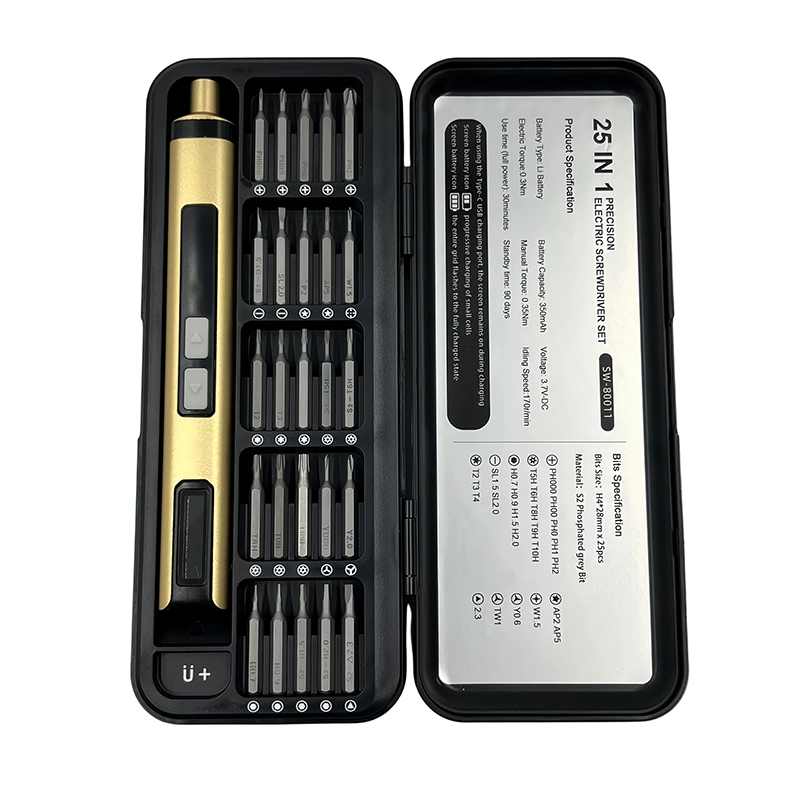
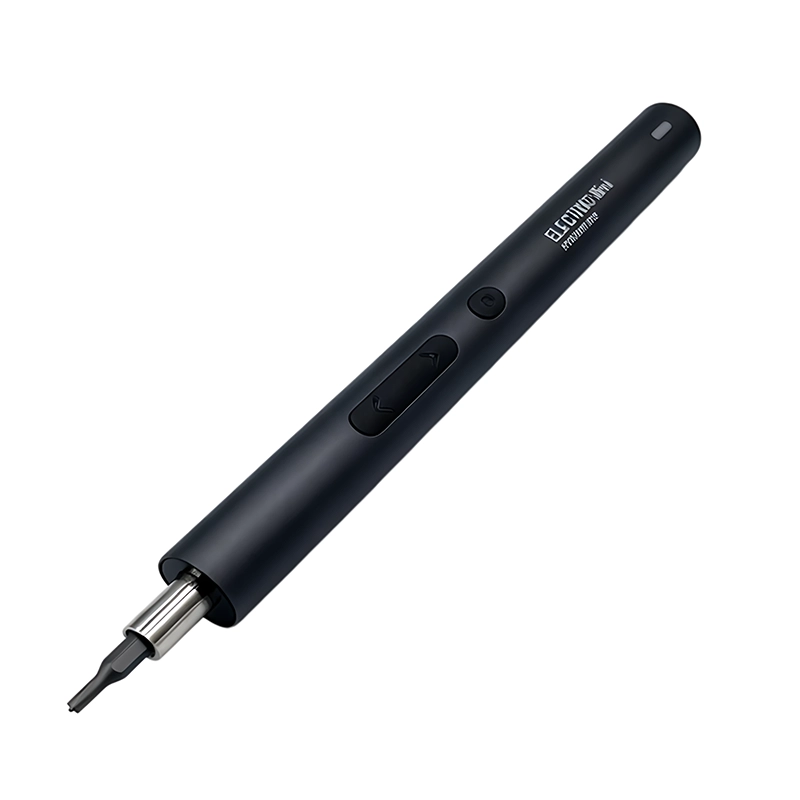
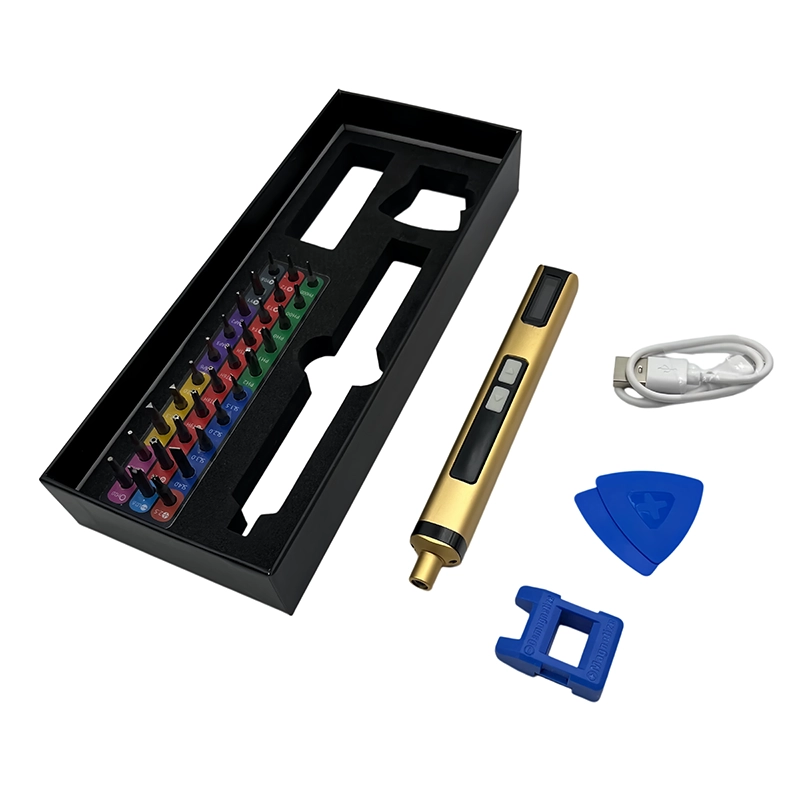
Electric screwdriver
Torque Testing Process for Electric Screwdrivers: A Supplier Guide for US Tool Brands
Torque testing process for electric screwdrivers helps US tool brands reduce returns, protect reviews, and check QC before private-label bulk orders.
Published 2026-07-02 · Reviewed by the ToolQeen product and quality team
For US e-commerce sellers, repair shop suppliers, and private-label tool brands, one weak batch can damage more than a product listing. It can create bad reviews, higher returns, slower replenishment, and a brand story that feels hard to defend. The torque testing process for electric screwdrivers is one of the clearest ways to separate a real factory from a supplier that only ships a good-looking sample. ToolQeen builds electric screwdrivers and precision repair tool kits with a practical testing mindset.
We look at torque stability together with motor behavior, bit fit, battery performance, housing feel, accessory layout, retail packaging, and final inspection. That combination helps US buyers create products that feel reliable in real repair work, not only in product photos.
Quick Answer
A strong torque testing process for electric screwdrivers checks whether each tool delivers stable fastening force within the intended range for electronics repair, small appliance repair, DIY maintenance, or assembly work. For US private-label sellers, this helps reduce stripped screws, negative reviews, return requests, and inconsistent repeat orders.
Why Torque Problems Hurt Reviews Fast
Most customers do not know how to describe torque variation. They simply say the screwdriver feels weak, too aggressive, inconsistent, noisy, or cheap. For an Amazon seller or independent store owner, those words are expensive. They lower click confidence, reduce conversion, and make paid traffic harder to profit from. In repair shops, unstable torque creates another problem: wasted time. If the screwdriver cannot remove or install small screws consistently, technicians return to manual tools.
If the tool damages screws, the shop may stop recommending the kit. This is why torque testing is not a factory detail. It is a sales protection system.
What Torque Testing Actually Checks
Torque testing checks how the screwdriver performs under controlled fastening conditions. The goal is to confirm whether the tool produces the expected output for the target use case. A precision repair screwdriver does not need the same force as an industrial fastening tool, but it does need repeatable control. In practical production, the test should connect to the product promise. A compact repair screwdriver for phone repair needs careful torque behavior.
A general household screwdriver may tolerate a broader range. A private-label kit marketed as professional should have a stronger and more consistent inspection standard.
Factory Control Starts Before the Torque Test
Torque stability depends on more than one component. Motor quality, gear structure, battery output, PCB control, housing assembly, bit fit, and mechanical tolerance all influence the final feel. ToolQeen starts with incoming inspection for motors, batteries, PCBs, plastic parts, metal parts, and bits before assembly begins. During production, in-process checks help identify assembly drift. A loose connection, imperfect fit, or inconsistent component batch can affect performance.
Final torque testing then confirms whether finished products match the approved sample and target range.
How ToolQeen Builds a Repeatable Testing Workflow
1. Define the Application First Before testing, the buyer and supplier should agree on the product use case. Phone repair, laptop repair, smart lock assembly, game console repair, and household DIY work all have different expectations. The torque target should match the real customer, not a random number. 2. Confirm the Approved Sample The approved sample becomes the practical reference for the order. US buyers should test the sample with real screws, accessories, and packaging before confirming mass production.
If the sample feels right, production can be measured against that agreed standard. 3. Monitor Production Batches A good factory checks more than one unit. Batch testing helps identify variation before products leave the line. This matters for private-label sellers because repeat orders should feel the same as the first successful shipment. 4. Combine Torque Testing with Function Checks Torque output should be reviewed together with speed, noise, charging response, forward/reverse operation, accessory fit, housing appearance, and packaging completeness.
Customers judge the whole kit, not a single measurement.
Standards, Calibration, and Measurement Discipline
Buyers do not need to become metrology engineers, but they should care about measurement discipline. Calibration and traceability help factories make measurements that can be repeated and compared. The US National Institute of Standards and Technology explains the role of measurement traceability through its official NIST traceability resources. For tool buyers, the lesson is simple: ask how the supplier checks the checking tools.
A torque test is only useful when the test method, equipment, operator process, and recordkeeping are stable enough to support repeat orders.
What US Private-Label Sellers Should Ask Before Bulk Orders
A private-label seller should ask whether the supplier can explain the torque range, sample approval process, inspection ratio, aging test, accessory check, packaging check, and how defects are handled. The answer should be specific. "We test quality" is not enough. Ask for product photos, packing details, carton information, logo options, color choices, manuals, MOQ, lead time, and warranty handling. ToolQeen supports OEM electric screwdriver and repair tool kit projects with logo, color, packaging, manuals, accessory configuration, and retail-ready presentation for US-facing brands.
Case Example: Reducing Return Risk for an E-Commerce Tool Kit
A US seller planning a compact electric screwdriver kit may focus first on the listing image, number of bits, and retail price. Those details matter, but returns usually come from use experience. If the screwdriver stalls on common screws, feels inconsistent, or arrives with confusing accessories, the product review suffers. In a project like this, ToolQeen would review the target buyer, expected retail channel, bit configuration, torque positioning, packaging design, and sample feedback.
After sample approval, production checks focus on repeatability so the final units match the promise made on the product page.
Where Torque Testing Fits in a Complete QC System
The torque testing process for electric screwdrivers should sit inside a wider quality system. ToolQeen's process includes IQC for incoming components, IPQC for production monitoring, FQC for final function and torque testing, reliability and aging checks, and pre-shipment inspection for packaging and labels. This structure is useful for US buyers because it connects factory control to real commercial outcomes: fewer return requests, better product reviews, more confident replenishment, and stronger private-label positioning.
Common Mistakes Buyers Should Avoid
One mistake is choosing only by unit price. A slightly cheaper screwdriver can become expensive if it causes returns or negative reviews. Another mistake is approving a sample without testing real screws. A third mistake is ignoring packaging, even though packaging strongly affects perceived value and unboxing trust. Buyers should also avoid vague specifications. If the product is for electronics repair, say so. If it is for a budget household kit, say so.
The more clearly the supplier understands the target user, the better the torque setting, accessories, and packaging can match the market.
FAQ
Why is torque testing important for electric screwdrivers? Torque testing helps confirm that the screwdriver can fasten or remove screws consistently without feeling too weak or too aggressive. This is especially important for precision repair tools and private-label kits. How does torque testing reduce returns? Stable torque reduces user frustration, stripped screws, weak performance complaints, and inconsistent product experience.
That helps sellers protect reviews and reduce avoidable return requests. Can ToolQeen customize electric screwdriver kits for US brands? Yes. ToolQeen supports OEM and ODM projects, including logo, color, packaging, bit configuration, manuals, retail-ready kits, and supplier support for importers, e-commerce sellers, and tool brands. Should sellers test samples before confirming production? Yes. Sellers should test torque feel, bit fit, battery performance, packaging, accessories, and user instructions before approving bulk production.
Summary: Torque Testing Protects the Product Promise
The torque testing process for electric screwdrivers is not just a factory checkpoint. It protects the product promise that US sellers make to repair shops, DIY users, and online shoppers. When torque, motor performance, bits, packaging, and final inspection work together, buyers get a product that is easier to sell and safer to reorder. ToolQeen helps private-label brands, importers, distributors, and e-commerce sellers build electric screwdriver and precision repair tool kits with practical QC, OEM support, and repeatable production.
Learn more about our factory on About ToolQeen, or browse our product range at ToolQeen Products.
Technical review
Checked against current ToolQeen product and factory materials.
Use this guide to prepare better sourcing questions. Confirm final specifications, quantities, documents and lead times for the selected model and market.
Related product platforms