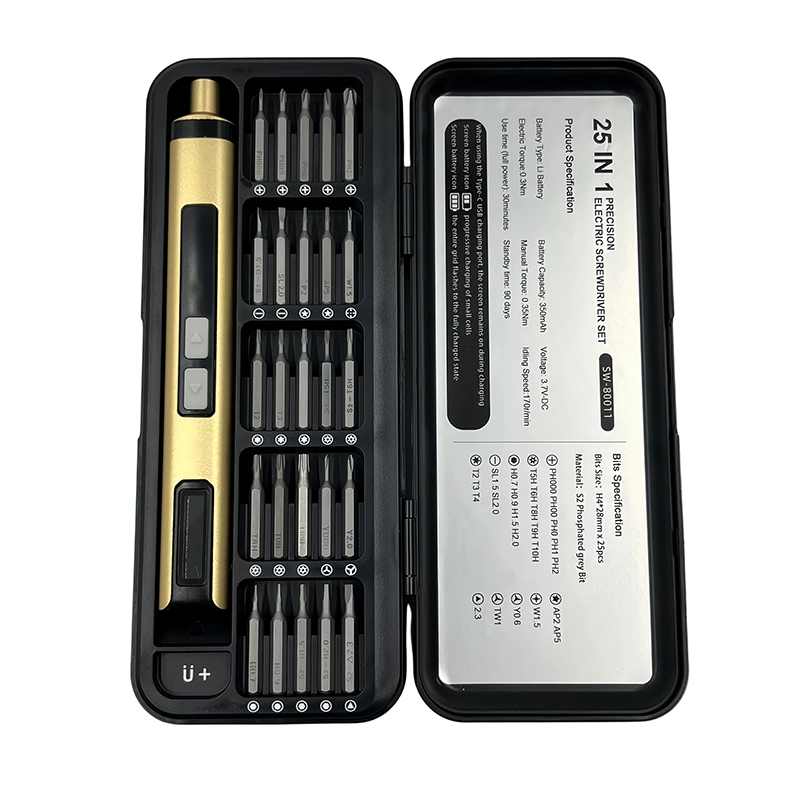
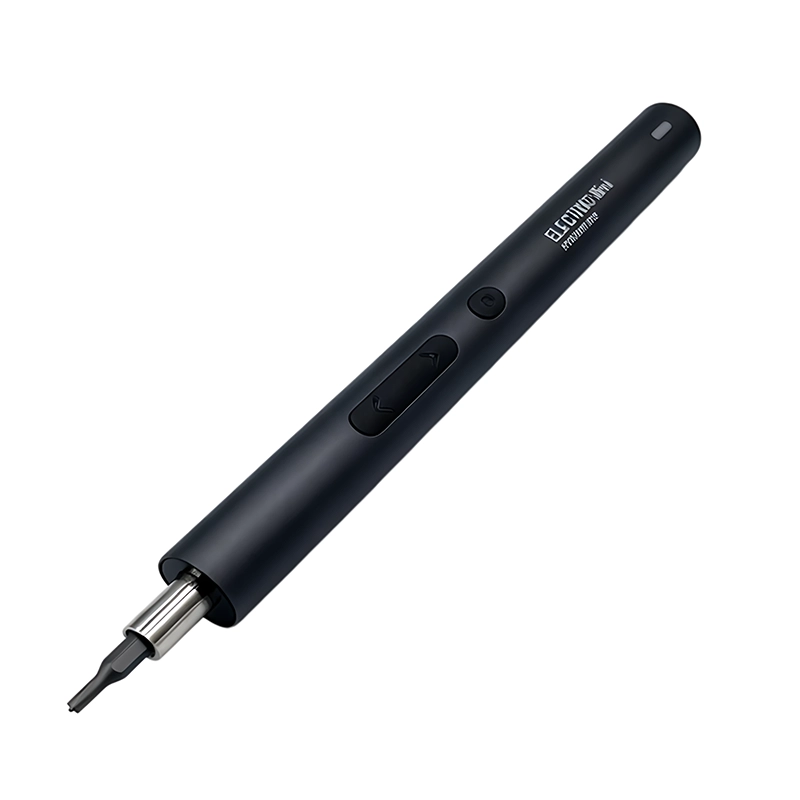
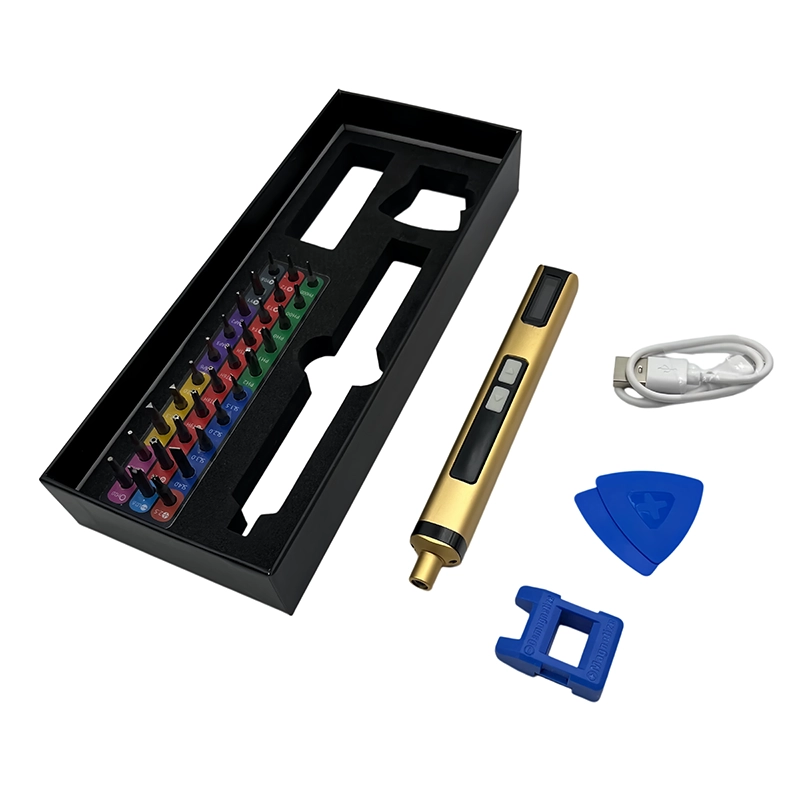
Electric screwdriver
Electric Screwdriver for PCB Repair: How to Choose the Right Tool for Precision Work
Learn how to choose an electric screwdriver for PCB repair with torque control, S2 bits, QC checks, OEM options, and bulk buying tips.
Published 2026-06-12 · Reviewed by the ToolQeen product and quality team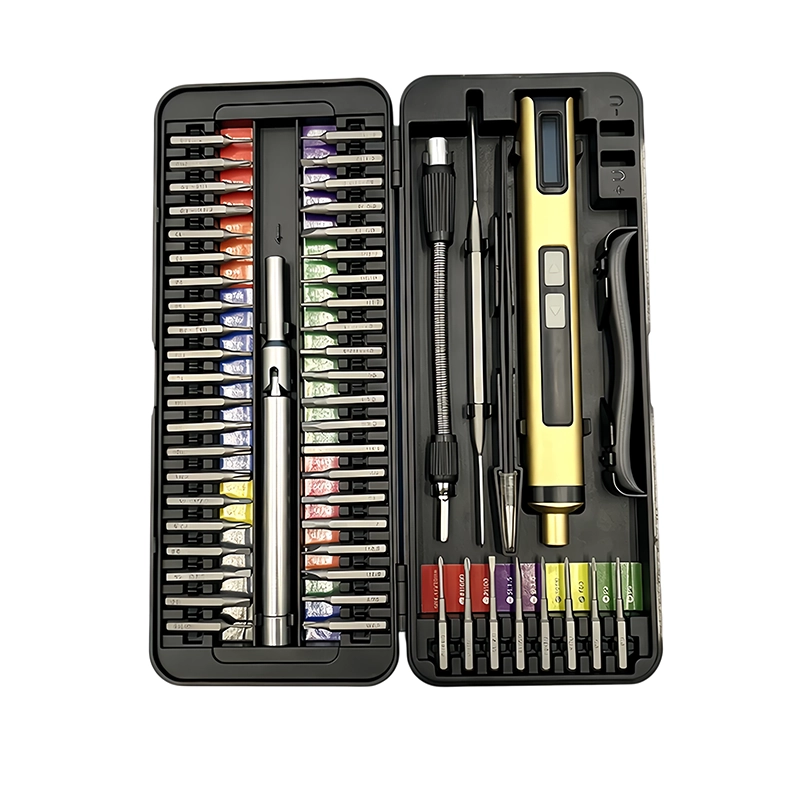
An electric screwdriver for PCB repair must do more than drive small screws quickly. For PCB technicians, repair shops, tool distributors, and OEM brands, the real value comes from stable torque, accurate bits, comfortable handling, safe packaging, and consistent quality across bulk orders. PCB repair often involves small screws, delicate housings, tight spaces, and fragile components. A low-grade tool can cause bit slipping, stripped screws, unstable torque, weak magnetic hold, or technician fatigue during long repair sessions.
For buyers sourcing repair tools in bulk, the main question is not only “Does it work?” but “Can this tool perform consistently across hundreds or thousands of units?” ToolQeen focuses on OEM/ODM repair tool manufacturing, precision repair tool kits, electric screwdriver production, packaging customization, and bulk order support for global buyers.
Quick Answer
The best electric screwdriver for PCB repair should have low and stable torque, precision S2 screwdriver bits, a slim body, magnetic bit hold, LED lighting, Type-C charging, battery protection, and verified factory QC. For B2B buyers, it is also important to check MOQ, sample testing, torque calibration, packaging durability, and OEM customization before placing a bulk order.
Why Professionals Need This Product for PCB Repair
PCB repair is different from general household repair. The screws are smaller, the working space is tighter, and the risk of over-tightening is higher. A manual screwdriver may work for occasional use, but for repair shops and service centers handling phones, laptops, cameras, drones, smart devices, and control boards every day, manual operation can slow down workflow and increase fatigue. A precision electric screwdriver helps technicians: Remove and install small screws faster Reduce hand fatigue during repeated repair work Maintain more consistent torque Improve repair bench efficiency Handle small electronic devices with better control Reduce the risk of screw damage caused by uneven manual force For tool brands and distributors, this product category is also suitable for private label repair tool kits, electronics repair bundles, and e-commerce retail packaging.
Recommended for: PCB repair shops Smartphone and laptop repair centers Electronics maintenance teams Tool distributors Amazon and Shopify sellers Industrial repair tool suppliers OEM/ODM tool brands Not recommended for: Heavy-duty construction screws Large woodworking screws High-torque automotive bolts Outdoor drilling applications Jobs requiring impact drivers
Common Problems When Using Low-Grade Screwdrivers
Many buyers focus only on price when sourcing repair tools. This often leads to unstable performance after the first shipment. Common problems include: 1. Unstable Torque If torque is too high, small PCB screws may be over-tightened. If torque is too low, the screwdriver may stop before the screw is fully seated. For PCB repair, stable low torque is more important than high power. 2. Low-Grade Screwdriver Bits Soft or poorly machined bits wear quickly.
They may damage screw heads, slip during use, or create a loose fit. For professional repair tools, S2 steel bits are usually preferred because they offer better hardness, wear resistance, and precision fit. 3. Weak Magnetic Hold Weak magnetism can cause tiny screws to fall into the device housing or repair bench. This slows down technicians and increases the risk of missing screws inside electronics. 4. Wobbling Bits Bit wobbling affects accuracy.
In PCB repair, even a small wobble can make the tool feel unstable, especially when working with tiny screws near sensitive components. 5. Battery and Charging Issues A repair tool used every day needs reliable battery life, stable charging cycles, and protection against power drop during operation. 6. Packaging Damage During Shipping For distributors and e-commerce sellers, packaging is part of the product experience.
Weak packaging can lead to cracked boxes, loose bits, scratched aluminum cases, and higher return rates.
How to Choose an Electric Screwdriver for PCB Repair
When choosing an electric screwdriver for PCB repair, buyers should evaluate both tool performance and factory supply capability. Here is a practical checklist. Product Performance Checklist Does the torque range suit small electronics screws? Is the RPM stable enough for precision work? Are the bits made from S2 steel or similar high-grade material? Is the bit fit tight enough to reduce slipping? Does the magnetic hold keep tiny screws secure?
Is the body slim and comfortable for long repair sessions? Does the tool include LED lighting for narrow repair areas? Is the battery capacity enough for daily use? Does the charger use Type-C or another common interface? Has the screwdriver passed lifespan testing? Factory Sourcing Checklist Can the supplier provide samples before bulk order? What is the MOQ for standard and OEM models? Can the factory customize logo, color, packaging, and bit configuration?
Is torque calibration part of the production QC workflow? Does the factory conduct drop testing and packaging inspection? What is the normal production lead time? Are export packaging standards available for long-distance shipping? Can the supplier support repeat orders with consistent quality?
Best Features to Look For
Stable Torque Range For PCB and electronics repair, the tool should provide controlled low torque. A common precision electric screwdriver range may be around 0.05–0.35 N·m for electric operation, with higher manual torque support when needed. The goal is not maximum power. The goal is repeatable control. Suitable RPM A very high RPM is not always better for PCB repair. Too much speed can reduce control and increase the chance of slipping.
For precision repair, buyers should look for a balanced RPM that improves efficiency without making the tool hard to manage. S2 Steel Bits S2 bits help reduce wear, slipping, and stripped screws. For tool brands and distributors, bit quality affects customer reviews more than many buyers expect. If the bit hardness is too low, users may experience poor fit after repeated use. Magnetic Storage and Bit Hold A magnetic storage case helps keep small bits organized.
Magnetic bit hold also improves repair efficiency because tiny screws are easier to lift, position, and reinstall. Battery Capacity and Charging Cycles Battery capacity affects runtime, while charging cycles affect long-term value. For repair shops, stable battery performance is important because tools are used repeatedly throughout the day. Type-C charging is also preferred by many users because it is simple and widely available.
LED Lighting PCB repair often involves dark corners inside phones, laptops, cameras, and compact devices. LED lighting near the bit can help technicians work more accurately. Ergonomic Body A slim, lightweight body reduces technician fatigue. This matters for service centers where workers handle repeated screw removal and installation for several hours.
Comparison Table: Manual vs Precision Electric Screwdriver
Item Manual Precision Screwdriver Electric Screwdriver for PCB Repair Speed Slower for repeated work Faster for daily repair tasks Torque Control Depends on technician hand force More consistent if calibrated properly Fatigue Level Higher during long sessions Lower for repeated screw removal Risk of Over-Tightening Medium to high Lower with suitable torque range Best For Occasional repair and backup use Repair shops, PCB work, service centers Bulk Selling Value Lower perceived value Better for retail kits and private label OEM Options Logo and packaging mainly Logo, color, torque, bits, packaging
Pros and Cons
Pros Improves efficiency in repeated PCB repair work Reduces technician fatigue Helps maintain more stable screw tightening Works well for phones, laptops, drones, cameras, and smart devices Suitable for OEM repair tool kits Supports private label packaging and custom logo service Cons Not suitable for heavy-duty screws Poor torque calibration can damage small screws Low-grade bits can still cause slipping Battery quality must be checked before bulk order Packaging must be tested for export shipping
Buying Mistakes to Avoid
Mistake 1: Only Comparing Unit Price A lower unit price may hide weak bits, unstable torque, poor battery life, or fragile packaging. For B2B buyers, return costs can be higher than the small savings from a cheaper tool. Mistake 2: Ignoring Torque Calibration Torque calibration should be part of the factory testing process. Without it, different units in the same order may perform differently. Mistake 3: Not Testing Bits Before Bulk Orders Screwdriver bits are small, but they are one of the most important parts of the user experience.
Test the fit, hardness, magnetism, and durability before approving mass production. Mistake 4: Using Retail Packaging Without Drop Testing Packaging that looks good in photos may fail during shipping. Ask for packaging inspection and drop testing, especially for e-commerce orders. Mistake 5: Not Confirming OEM Details Early Logo method, box design, manual language, barcode, color, bit layout, and accessory list should be confirmed before production starts.
OEM/ODM Buying Tips for Tool Brands
For tool brands, distributors, and e-commerce sellers, OEM/ODM support can make a repair tool kit more competitive. ToolQeen supports OEM/ODM repair tool manufacturing for precision repair tool kits, including electric screwdriver production, sample request, bulk order support, custom logo service, packaging customization, and export market support. OEM Options Buyers Can Consider Logo printing or laser engraving Custom color housing Retail box design Manual and label customization Bit quantity adjustment Accessory combination Charging cable and case design Barcode and SKU label support ODM Options Buyers Can Discuss New industrial design Different torque settings Battery capacity adjustment LED lighting layout Smart display function Packaging structure development Market-specific tool kit configuration
Factory Qualification Comparison
Audit Item Low-Risk Supplier High-Risk Supplier Sample Support Provides samples before bulk order Pushes bulk order without sample testing Torque QC Has torque calibration process No clear torque inspection Bit Quality Uses tested S2 bits or equivalent Uses low-grade bits without specs Packaging Offers export packaging inspection Uses thin boxes without testing Lead Time Gives clear production schedule Gives vague delivery promises OEM Support Confirms logo, color, manual, packaging Confirms only after payment QC Workflow Has assembly line QC and final inspection Only checks finished cartons randomly
Recommended Applications
An electric screwdriver for PCB repair is commonly used in: Smartphone repair Laptop and tablet repair Camera repair Drone maintenance Smartwatch repair Game console repair Small home appliance PCB repair Sensor and IoT device assembly Electronics refurbishment Industrial control board maintenance For distributors, this product can be sold as a standalone precision screwdriver or bundled into a larger PCB repair tool kit.
Key Takeaways
PCB repair needs low, stable torque rather than high power. S2 bits, magnetic hold, and low wobble improve repair accuracy. Battery quality and charging cycles affect long-term user satisfaction. Packaging inspection is important for e-commerce and export orders. OEM/ODM buyers should confirm samples, MOQ, logo, packaging, QC workflow, and production lead time before placing bulk orders. ToolQeen can support custom repair tool kits for global buyers through sample request, packaging customization, and bulk order production.
Internal Link Suggestions
When publishing this article, you can naturally add internal links in these positions: Link “ToolQeen” to the About Us page. Link “precision repair tool kits” to the Products page. Link “electric screwdriver production” to the Electric Screwdriver product category. Link “OEM/ODM repair tool manufacturing” to the About Us or Contact Us page. Link the final CTA to the Contact Us page. Suggested anchor examples: ToolQeen electric screwdriver manufacturer precision repair tool kits OEM/ODM repair tool manufacturing request a sample contact ToolQeen for bulk orders
FAQ
1. What torque range is suitable for PCB repair? For PCB repair, a low and stable torque range is usually more important than high power. Many precision electric screwdrivers use light electric torque for small screws and allow manual tightening when extra control is needed. Buyers should test torque stability before bulk orders. 2. Are S2 screwdriver bits better for PCB repair tools? S2 bits are often preferred for precision repair because they offer better hardness, wear resistance, and fitting accuracy than many low-grade bits.
For PCB repair, poor bit fit can cause slipping, stripped screws, and user complaints, especially in professional repair shops. 3. Can an electric screwdriver damage PCB screws? Yes, it can if torque is too high or poorly calibrated. That is why buyers should choose a precision model designed for electronics repair, not a general household screwdriver. Stable torque, correct bits, and controlled RPM help reduce over-tightening and screw head damage.
4. What should distributors check before ordering in bulk? Distributors should request samples, test torque consistency, check bit hardness, inspect magnetic hold, review packaging strength, confirm MOQ, and verify production lead time. A supplier should also provide logo, packaging, manual, and export carton customization if the order is private label. 5. Is Type-C charging important for repair tool kits? Type-C charging is useful because it is common, easy to replace, and convenient for end users.
For e-commerce and retail buyers, a Type-C charging design can improve user experience. Battery capacity, charging protection, and charging cycle testing should still be checked. 6. Can ToolQeen customize electric screwdrivers for OEM brands? Yes. ToolQeen supports OEM/ODM repair tool manufacturing, including custom logo service, color selection, packaging customization, bit configuration, sample request, and bulk order support.
Buyers can discuss retail packaging, manual language, accessory layout, and export market requirements before production. 7. What causes bit slipping during PCB repair? Bit slipping is often caused by low-grade bits, poor machining accuracy, weak magnetic hold, worn screw heads, or loose bit fit. For professional PCB repair, buyers should test bit precision, hardness rating, and wobble control before approving mass production.
8. How can buyers reduce packaging damage during shipping? Buyers should request packaging inspection, drop testing, stronger inner trays, export cartons, and clear packing standards. This is especially important for e-commerce sellers because damaged boxes, scratched cases, and loose accessories can lead to returns and negative reviews.
Conclusion
A good electric screwdriver for PCB repair should help technicians work faster without sacrificing control. For B2B buyers, the right choice depends on torque stability, S2 bit quality, magnetic hold, battery performance, packaging strength, and factory QC. If you are sourcing precision repair tool kits for repair shops, distributors, e-commerce stores, or your own tool brand, ToolQeen can support sample requests, OEM packaging, custom logo service, electric screwdriver production, and bulk order delivery.
Contact ToolQeen for bulk orders to discuss your PCB repair tool kit requirements, target market, MOQ, packaging design, and sample testing plan.
Technical review
Checked against current ToolQeen product and factory materials.
Use this guide to prepare better sourcing questions. Confirm final specifications, quantities, documents and lead times for the selected model and market.
Related product platforms