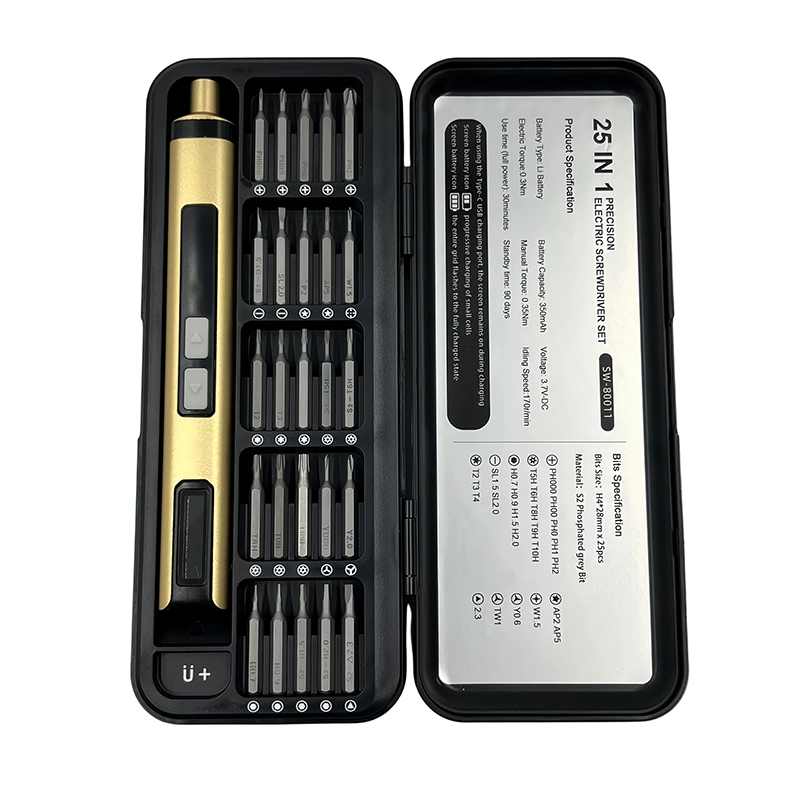
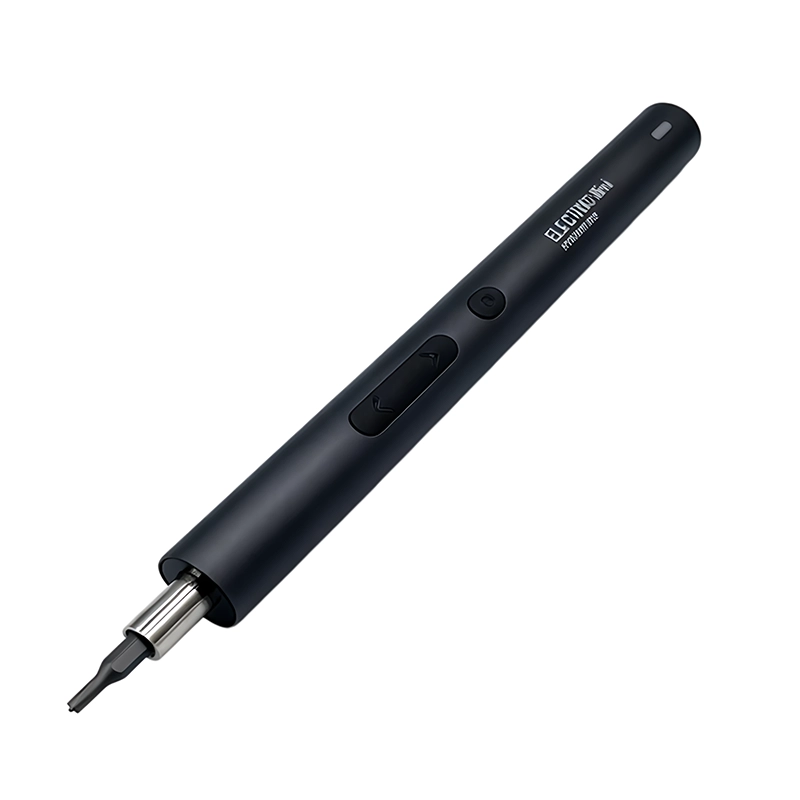
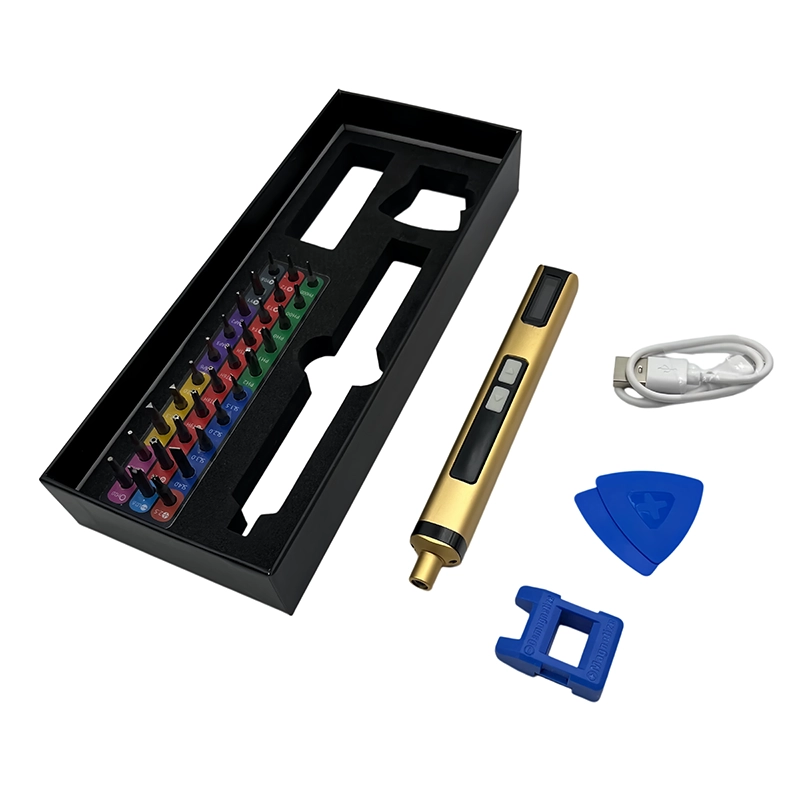
Electric screwdriver
Electric Screwdriver Supplier Audit Checklist: Torque Testing for EU Buyers
Electric screwdriver supplier audit checks help EU importers review torque testing, RoHS documents, packaging, QC workflow, and bulk order risk before sourcing.
Published 2026-07-02 · Reviewed by the ToolQeen product and quality team
For European importers and distributors, a low defect rate is not only a factory promise. It decides whether repair tool kits pass channel checks, avoid customer complaints, and build repeat orders. When torque is unstable, bits wear early, packaging is weak, or documentation is unclear, the buyer pays twice: first in returns, then in lost trust. That is why an electric screwdriver supplier audit should review torque testing, component control, packaging, and documentation before every bulk order.
ToolQeen approaches quality control as a manufacturing system rather than a final inspection checklist. Our team connects material inspection, motor testing, torque verification, assembly monitoring, aging tests, packaging checks, and export documentation so buyers can source precision tools with fewer surprises.
Quick Answer
An electric screwdriver supplier audit should cover incoming materials, torque consistency, battery and motor performance, bit fit, aging tests, packaging inspection, and export compliance documents. For European buyers, the strongest supplier is usually the one that can show a repeatable QC process, not just a good sample.
Why Quality Problems Become Sourcing Problems
A precision electric screwdriver looks simple from the outside, but many small parts decide whether the product feels professional. The motor must run smoothly. The torque output must stay stable. The bit must fit cleanly. The battery should charge reliably. The housing should feel solid in the hand. If one part fails, the whole product feels cheap. European buyers often sell through distributors, online stores, retail channels, or professional repair tool networks.
In these channels, weak quality can quickly become a commercial problem. A few bad reviews may lower conversion. A batch with unstable torque may reduce repeat orders. A missing compliance document may delay a shipment or create extra work for the importer.
Material, Motor, and Design Checks Before Assembly
Good inspection begins before assembly. ToolQeen checks incoming motors, batteries, PCBs, plastic parts, metal parts, S2 bits, charging components, and packaging materials before they enter production. This step helps catch material variation early, where the cost of correction is still manageable. For electric screwdrivers, design also affects quality. A compact body should still allow stable grip and balanced weight.
Bit storage should be clear. The torque range must match real repair work, not only a marketing number. When buyers ask for OEM color, logo, or packaging changes, the design team also checks whether customization may affect assembly stability or user experience.
Why Choose ToolQeen for Repeatable Factory Control
ToolQeen is a Shenzhen precision tool manufacturer founded in 2016. We support electric screwdrivers, repair tool kits, mini rotary tools, ratchet screwdriver sets, and OEM/ODM tool projects for importers, distributors, private-label sellers, and repair tool brands. Our factory process covers design, mold development, injection molding, CNC machining, stamping, assembly, testing, packaging, and shipment. For B2B buyers, this matters because fewer processes are pushed into unknown subcontracting chains.
When a buyer needs stable repeat orders, consistent color, reliable packaging, or adjusted configurations, a more controlled production flow helps reduce communication gaps and batch variation.
The Five QC Stages Buyers Should Ask About
1. IQC: Incoming Material Inspection Incoming inspection checks motors, batteries, PCBs, housings, metal parts, bits, screws, and packaging materials. This protects the order before production starts. For European buyers, it also supports cleaner documentation when product claims involve RoHS, material safety, or electrical components. 2. IPQC: In-Process Assembly Monitoring In-process quality control watches assembly accuracy, soldering or contact stability where applicable, housing fit, button feel, charging port alignment, torque setting consistency, and accessory completeness.
This stage prevents defects from moving through the line unnoticed. 3. FQC: Final Function and Torque Testing Final quality control verifies working speed, forward/reverse operation, charging response, noise level, appearance, accessory count, and torque output. This is where electric screwdriver quality control becomes visible to the buyer: a tool either performs consistently or it does not. 4. Reliability and Aging Tests Reliability checks may include continuous running, battery charging checks, drop resistance, temperature-related observation, and repeated use simulation.
These tests help identify weak motors, unstable batteries, loose connections, or plastic parts that may fail during real use. 5. Pre-Shipment Inspection Before shipment, ToolQeen checks product appearance, accessories, cartons, labels, barcodes, manuals, and packing integrity. This step is especially important for distributors and importers because a correct carton and label system reduces warehouse confusion and customer service pressure.
Compliance References European Buyers Should Keep in Mind
Electric repair tools and accessory kits may need different compliance documents depending on the final product configuration and sales market. For European sourcing, buyers often ask about CE, RoHS, battery-related documentation, packaging information, and product labeling. The European Commission's RoHS Directive is a useful reference for restricted substances in electrical and electronic equipment supply chains. Quality documents should not be treated as decoration.
Buyers should confirm whether the supplier can provide realistic documentation, test reports where needed, product specifications, packing details, and repeat-batch consistency. A supplier that understands documentation usually understands export risk better.
Torque Testing Process in an Electric Screwdriver Supplier Audit
Torque is one of the most important checkpoints in a precision electric screwdriver. If torque is too weak, repair work slows down. If torque is too aggressive, small screws, housings, or threaded parts may be damaged. A practical torque testing process checks whether the screwdriver performs within the expected range for its target application. For repair tool kits, the test should be connected to real use cases: phone repair, laptop repair, smart lock assembly, small appliance repair, and general electronics maintenance.
A good factory does not test only one perfect sample. It checks production batches, monitors changes, and records results so future orders do not drift away from the approved sample.
Case Example: A Distributor Preparing a Private-Label Repair Tool Line
A European distributor planning a private-label repair kit may start with a clean product photo and attractive packaging idea. But before placing the first bulk order, the distributor needs to know whether the screwdriver torque feels stable, whether the bits match the target screws, whether the charger and battery are reliable, and whether the carton labeling can support warehouse handling. In this situation, ToolQeen would first confirm the target market, product positioning, required bit set, packaging style, order quantity, and documentation needs.
Samples can then be prepared for buyer testing. After sample approval, production follows the same QC checkpoints so the final shipment matches the confirmed standard as closely as possible.
How European Buyers Can Audit a Supplier Before Ordering
Before a bulk order, buyers should ask for more than a price list. Ask what the supplier checks before assembly, during assembly, after assembly, and before shipment. Ask whether torque testing is part of routine inspection. Ask how packaging defects are prevented. Ask how the supplier keeps repeat orders consistent. Buyers should also review sample lead time, standard production lead time, MOQ, customization options, and after-sales response.
ToolQeen supports OEM projects from 500 pieces and ODM projects from 1,000 pieces, with standard sample preparation often taking 3-5 days depending on the project.
FAQ
What is the most important part of electric screwdriver quality control? Torque consistency is one of the most important checks, but it should not stand alone. Buyers should also review motor performance, battery stability, bit fit, housing quality, packaging, and final inspection records. Why does torque testing matter for repair tool distributors? Repair users work with small screws and delicate housings. Unstable torque can cause stripped screws, slower work, bad reviews, and lower repeat orders.
Torque testing helps buyers reduce these avoidable risks. Can ToolQeen support CE and RoHS-related sourcing needs? ToolQeen supports export-focused B2B orders and can discuss CE, FCC, RoHS, packaging, labeling, and product documentation needs based on the final configuration and target market. Should buyers test samples before bulk orders? Yes. Samples help buyers check torque feel, bit quality, packaging, accessory layout, and user experience before committing to mass production.
Summary: Quality Control Is the Real Supplier Test
An electric screwdriver supplier audit is the difference between a product that looks good in a catalog and a product that keeps buyers coming back. European importers should evaluate torque testing, material inspection, aging checks, packaging control, documentation, and repeat-batch consistency before bulk orders. ToolQeen helps importers, distributors, and tool brands build reliable repair tool products through controlled manufacturing, OEM/ODM support, sample confirmation, and practical QC steps.
To review our factory background, visit About ToolQeen. To explore electric screwdrivers and precision repair tools, visit ToolQeen Products.
Technical review
Checked against current ToolQeen product and factory materials.
Use this guide to prepare better sourcing questions. Confirm final specifications, quantities, documents and lead times for the selected model and market.
Related product platforms