
Factory / Manufacturing
DIY Tool Factory in Shenzhen, China: Supplier Audit Guide
A sourcing guide for evaluating a DIY tool factory in Shenzhen, China, with evidence requests for product scope, sample control, quality workflow, packaging and communication.
Quick Answer
When evaluating a DIY tool factory in Shenzhen, China, ask for evidence that connects the supplier’s product scope to your project: current models, configuration options, sample process, quality checkpoints, packaging capability and a clear RFQ response. A city name does not prove suitability. The buyer needs a documented workflow that can be reviewed before a bulk order is placed.
Buyer Takeaways
- Verify the supplier against the exact product family and configuration you need.
- Request evidence for sample approval and sample-to-bulk control.
- Use an RFQ that separates technical requirements from branding and shipping terms.
- Assess communication quality by the clarity of the supplier’s questions and records.
Evaluate a DIY tool factory in Shenzhen, China by project fit
Shenzhen is associated with electronics and hardware supply chains, but a buyer should not choose a supplier only because of location. Start by checking whether the supplier can discuss the right product family in practical terms: intended use, model options, bit or accessory configuration, packaging and the support needed for OEM or private-label work. A useful first conversation produces questions and documents that relate to the buyer’s actual project. A generic catalogue alone is not enough to show how a specific order will be controlled.
Match the supplier to the product family
An electronics repair screwdriver, a manual precision kit and a cordless rotary tool may need different product knowledge and quality checks. Keep the RFQ focused on the family you intend to source.
Ask for a structured response
A clear response should separate what is standard, what can be customized, what requires sample review and what still needs confirmation.
Request evidence for sample approval and production control
Before a bulk order, a buyer should understand how the supplier handles the approved sample, packing list, visual requirements and relevant functional checks. Request a description of the sample stage, the record used to freeze the configuration and the way changes are confirmed. For a private-label project, the buyer also needs to know how logo, color, packaging and accessory changes are captured so that the final order does not rely on scattered chat messages.
Use the golden-sample principle
The approved sample should be identifiable by configuration and date. It becomes a reference for the buyer’s review of the product and presentation, not a substitute for every technical test.
Ask what inspection evidence can be shared
Relevant evidence depends on the product. The important point is that the checks, configuration and acceptance expectation are agreed before the shipment stage.
Make the RFQ auditable and commercially complete
A strong RFQ gives a supplier enough information to respond accurately. Include the target model or application, expected quantity, required configuration, branding, packaging, target market, sample need and shipping or payment questions. Separate mandatory requirements from preferences. This makes it easier to compare supplier responses fairly and to see which claims are supported by an actual proposal rather than by general marketing language.
Use comparable quotes
Send the same baseline brief to shortlisted suppliers. If one quote includes a different configuration or packaging level, record the difference before treating the price as comparable.
Assign an internal approval owner
One buyer-side owner should consolidate comments from purchasing, product and brand teams so the supplier receives a controlled, consistent direction.
Reduce supplier risk with a staged decision
A buyer does not need to make every decision at the first contact. Use stages: initial product fit, documented quote, sample review, final configuration approval and production or shipping checks. Each stage should answer a different question. This staged approach helps buyers distinguish a supplier that can describe its workflow from one that only gives broad assurances. It also creates usable records when a product, package or timing assumption changes.
Do not confuse a sample with a full supplier audit
A good sample is important, but it is only one input. The buyer should also review communication, documentation, scope control and the plan for bulk consistency.
Keep approved decisions traceable
Store the final specification, packing list, artwork versions and sample evidence in one project folder. This helps both sides resolve questions without relying on recollection.
Things Buyers Should Check
Things Buyers Should Check
- ✓Product-family fit
- ✓Current model information
- ✓RFQ response
- ✓Sample approval method
- ✓Configuration record
- ✓Quality checkpoints
- ✓Packaging scope
- ✓Shipping and commercial terms
Common Buyer Mistakes
Common Buyer Mistakes
Choosing a supplier because of city location alone
The supplier may not fit the intended product family or order workflow.
Verify product-specific evidence and the process for your actual configuration.Comparing quotes with different hidden scopes
A lower price can omit packaging, accessories or customization required by the project.
Use a single baseline RFQ and record material differences.Treating chat messages as the final specification
Approved requirements can become ambiguous by the production stage.
Freeze the order with a dated configuration, packing list and sample record.Frequently Asked Questions
Frequently Asked Questions
How do I verify a DIY tool factory in Shenzhen?
Verify the supplier against your specific product and request evidence for model fit, sample approval, configuration control, quality checks, packaging and a complete RFQ response.
What should I ask a Shenzhen tool supplier before ordering?
Ask about the product configuration, MOQ basis, sample process, customization options, inspection workflow, packaging, lead time and the information they need for an accurate quote.
Does a Shenzhen location guarantee a reliable tool supplier?
No. Location may be relevant to supply-chain access, but project fit and verifiable workflow evidence are more useful selection criteria.
What is a golden sample in a tool order?
It is an approved, identifiable sample used as a reference for the agreed configuration and relevant presentation checks before and during bulk production.
How can I compare tool factory quotations fairly?
Give each supplier the same baseline requirements and record any differences in product configuration, branding, accessories, packaging, timing and commercial terms.
Final Buyer Recommendation
Use location only as context. Choose a DIY-tool supplier through project-specific product evidence, a clear RFQ, a reviewable sample process and documented control of the approved configuration.
Related Products
Related Products
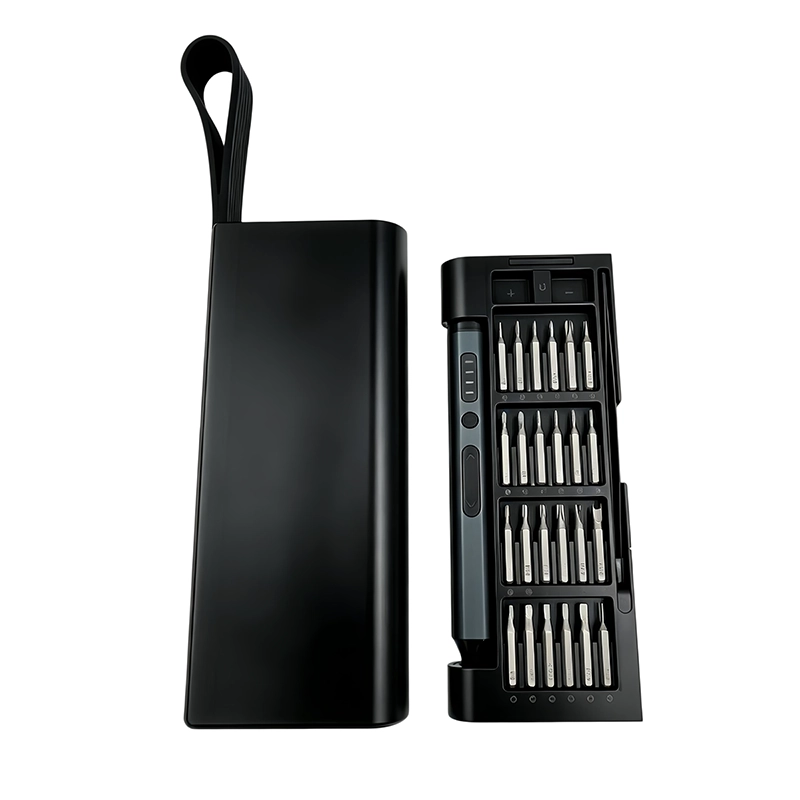
53-in-1 Electric Precision Screwdriver Set
Rechargeable precision system for smartphones, laptops, cameras and small electronics.
View product ↗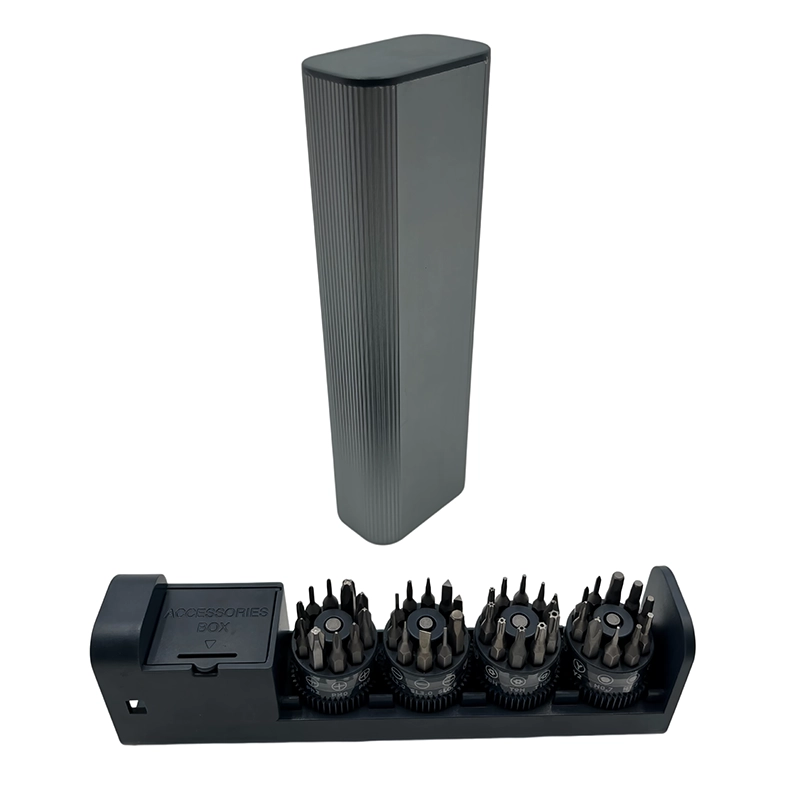
44-in-1 Manual Precision Screwdriver Set
Manual precision repair kit for electronics maintenance, workshops and retail ranges.
View product ↗