Electric screwdriver
CR-V vs S2 Screwdriver Bits Difference: Which Is Better for Repair Kits?
Compare CR-V vs S2 screwdriver bits difference to choose the right option for precision repair kits, durability, and product positioning.
Published 2026-06-10 · Reviewed by the ToolQeen product and quality team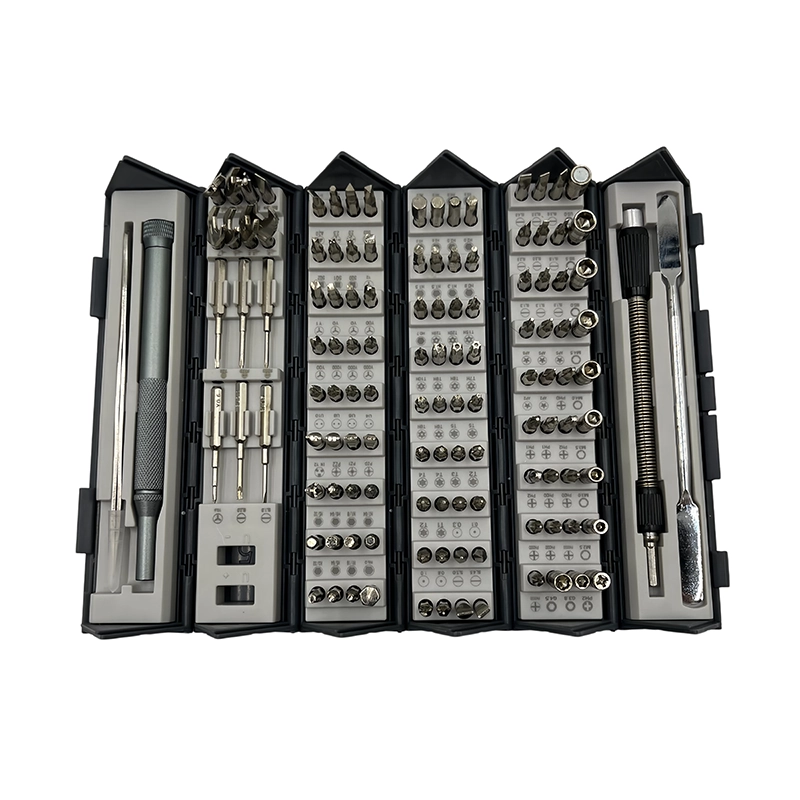
Quick Answer
S2 screwdriver bits are generally harder (55–62 HRC) and more wear-resistant than CR-V bits (50–55 HRC). For electronics repair and professional use, S2 is usually preferred. CR-V remains a cost-effective option for general-purpose repair kits and consumer tool sets.
CR-V vs S2 Screwdriver Bits Difference: what buyers actually need to know
If you are comparing CR-V vs S2 Screwdriver Bits Difference, the real question is not which alloy sounds tougher on paper. It is which bit will hold up in your work, your budget, and your product positioning. For distributors, sourcing managers, and product teams, that choice affects returns, user complaints, and how a toolkit feels after a few weeks in the field.In day-to-day repair work, the bit is a small part with an outsized role.
A weak bit rounds out fasteners, slips in cramped spaces, and turns a “simple” electronics job into a frustrating one. A bit that is too hard, on the other hand, can be brittle if the heat treatment or geometry is not right. That is why the practical comparison between CR-V and S2 matters more than the shorthand names suggest.
Quick comparison: CR-V and S2 at a glance
CR-V bits CR-V usually refers to chrome-vanadium steel. In screwdriver bits and hand tool accessories, it is commonly used because it offers a balanced mix of toughness, wear resistance, and manufacturability. It is a familiar choice in industrial and general-purpose kits, including products that may be described as Industrial CR-V Screwdriver Bits.For many buyers, CR-V is the safer all-round option when the kit must serve mixed users: home repair, furniture assembly, light maintenance, and broad retail channels.
It is also easier to position in budget-conscious product lines because the material is widely recognized and usually cost-effective. S2 bits S2 steel is often associated with precision and higher-end screwdriver bits. It is commonly chosen for applications where fastener engagement and edge retention matter, especially in electronics repair and small mechanical assembly. When people search for S2 Steel Screwdriver Bits Pros and Cons, they are usually looking for this trade-off: better hardness and wear resistance versus potentially higher cost and more sensitivity to poor manufacturing.In other words, S2 can be the better pick for precision tools, but only if the geometry, heat treatment, and coating are controlled properly.
A poorly made S2 bit is still a poor bit.
What the material difference means in real use
The material choice influences how the bit behaves under torque, repeated use, and slight misalignment. That matters in both manual tools and compact electric drivers, including pen-style rechargeable screwdrivers and micro repair kits.CR-V typically gives a more forgiving feel. If a user is working on furniture fasteners, appliance covers, or general assembly tasks, the bit can tolerate occasional less-than-perfect alignment better than some harder precision options.
It is the kind of material many buyers choose when they want a broad-use kit that will not scare off casual users.S2, by contrast, tends to be favored where the bit must stay crisp through repeated use on small fasteners. In precision electronics repair, that extra edge retention can make a visible difference, especially when the fastener heads are tiny and the workspace is tight. That is why Precision Screwdriver CR-V vs S2 is not just a materials question; it is a question about user behavior, fastener size, and acceptable wear.There is a practical caution here: hardness alone does not guarantee performance.
Bit tip geometry, concentricity, and coating quality also matter. A well-formed CR-V bit can outperform a poorly executed S2 bit in the field. Buyers sometimes overlook this because material labels are easier to compare than manufacturing discipline.
Where each option fits in a product line
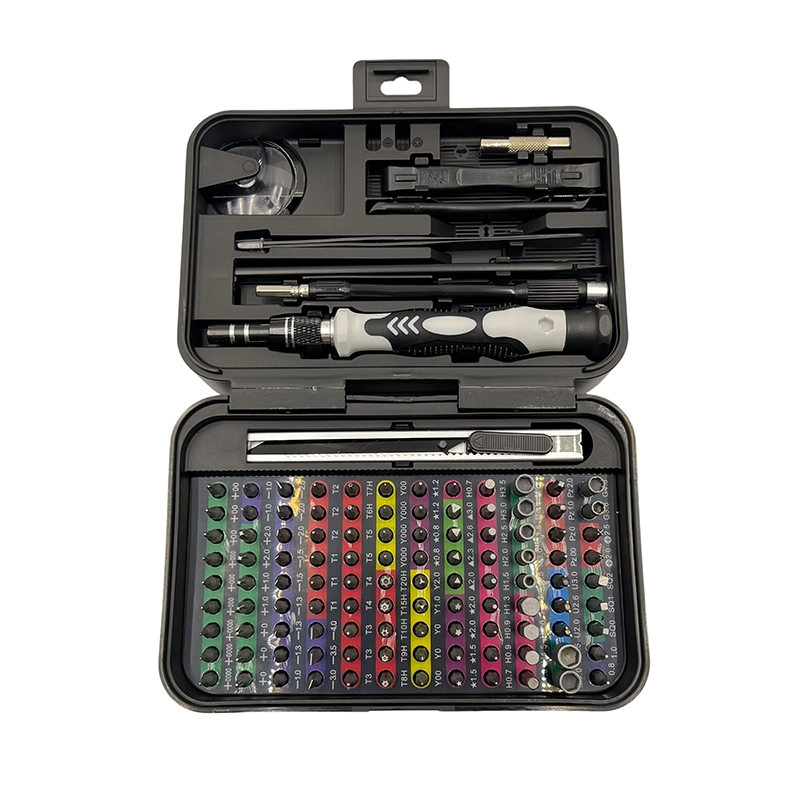
The product examples you shared point to two closely related categories: compact electric screwdriver sets and precision repair kits with interchangeable bits. Both are used in electronics, small appliance repair, DIY maintenance, and light assembly work. The visible accessory mix also matters: one set includes a compact rechargeable screwdriver with multiple 1/4-inch style bits and USB charging cable; the other includes a precision electric driver, tweezers, a pry tool, and a printed work mat for organizing small parts.That sort of kit is exactly where bit material becomes a selling feature.If the tool is aimed at broad consumer use, CR-V can be a sensible default.
It supports a practical, cost-aware package without overpromising. If the kit is aimed at technicians, mobile repair shops, or hobbyists who open devices and handle dense fastener patterns, S2 may fit better because it supports the expectation of a more precise tool experience.For wholesale and OEM planning, the question is often not “Which is better?” but “Which version is better for this channel?” A retailer selling a general-purpose household screwdriver set may prefer CR-V.
A brand building a premium electronics repair kit may lean toward S2, especially if the product bundle includes a display-window electric handle, direction controls, tweezers, and a mat that signals organized precision work.
Selection criteria that matter more than the alloy name
A buyer comparing Precision S2 Screwdriver Bits Wholesale offers against CR-V sets should look beyond the steel grade on the label.First, check the fastener types the kit is meant to serve. A precision repair kit with PH0, PH1, PZ2, flat, and specialty tips is solving a different problem from a general toolkit for screws in furniture or household fixtures. If the end user mostly handles small electronics, the precision end of the market is less forgiving, and bit quality becomes visible quickly.Second, inspect the interface with the driver.
A mini electric screwdriver or handheld rechargeable tool depends on how the bit seats, how it is retained, and how the operator controls direction and speed. The visible products described here use interchangeable bits, which makes compatibility and fit just as important as the raw steel choice.Third, think about packaging and use scenario. A kit that includes a grid work mat, tweezers, and a pry tool is not just selling bits; it is selling a small repair workflow.
In that context, the bit material should support clean, controlled work rather than brute force.
Common mistakes buyers make when choosing bits
One common mistake is assuming S2 automatically means premium and CR-V automatically means basic. That shortcut can lead to mismatched sourcing decisions. For some retail programs, an industrial CR-V set may be the better value because it balances performance and price without creating unnecessary complexity.Another mistake is ignoring the rest of the tool system. A bit used in a compact electric screwdriver for one-handed operation will experience different stress than a bit used in a manual driver.
Likewise, a precision repair kit handled by technicians is judged differently from a casual home-use set.A third mistake is over-specifying features that the buyer cannot verify. If the product image shows a USB charging cable, a display window, or a work mat, those are useful selling points. But if torque, runtime, or battery capacity are not supplied, do not build your sourcing story around them.
How to think about end-user expectations
End users of these toolkits are usually trying to do small, delicate work quickly and without damaging the screw head. They notice grip, tip fit, and the feel of the tool in the hand. In electronics repair, especially, a bit that cams out or wears unevenly costs time and can damage parts.That is why the “best” material depends on the user’s tolerance for wear, cost, and replacement frequency. CR-V suits buyers who want practical durability and broad acceptance.
S2 suits buyers who want a stronger precision narrative and a more specialized repair-tool identity.For OEM/ODM development, this can shape the whole product line. ToolQeen, for example, positions its manufacturing around screwdriver bits, mini electric screwdrivers, and repair kits, with customization support for logo, color, and packaging. That matters because the market often buys the story around the tool as much as the tool itself.
A retail box for a general-use driver will not need the same message as a precision electronics repair kit.
Practical buyer advice for sourcing teams
If you are comparing options for a new SKU, start with the application, not the material spec sheet. Ask whether the product is meant for technicians, electronics repair, DIY users, or mixed retail traffic. Then match the bit material to the channel.For broad, price-sensitive programs, CR-V is often the more flexible choice. For precision-focused kits, S2 can support a stronger value proposition, especially when paired with a proper bit assortment, a well-made electric handle, and small accessories that make repair work more orderly.If you are building a private-label product line, ask your supplier how the bits are finished, how the tips are processed, and whether the kit is intended for light repair or precision assembly.
Those details matter more than a one-word alloy callout. And if a supplier promises everything, from high torque to universal device compatibility, without showing the basics, that is a sign to slow down.
Real Manufacturing Data
Test Item S2 CR-V Hardness 58-62 HRC 52-56 HRC Salt Spray 48h 24h Screw Life 3000+ 1500+ Cost High Medium
FAQ
Is S2 always better than CR-V? No. S2 is often preferred for precision work, but CR-V can be the smarter choice for general-purpose kits, price-sensitive products, and mixed-use retail channels. Why do some precision screwdrivers use CR-V bits? Because CR-V can still perform well when the kit is designed for broad utility rather than ultra-fine work. The final result depends on bit geometry, heat treatment, and overall manufacturing quality.
What should I prioritize in a repair kit? Look at tip fit, assortment coverage, tool ergonomics, and the use case. A good precision kit is more than its steel grade; it is a complete working system.
Next step for buyers and product teams
If your goal is to source a screwdriver bit set or a precision electric screwdriver kit, start by defining the end user and the repair tasks first. Then decide whether CR-V or S2 better supports the product story, expected wear, and target price band.For OEM/ODM buyers, that is also the point where packaging, accessory mix, and customization become part of the decision. A good supplier should help you build a line that is coherent, not just technically possible.If you are developing or sourcing a new kit, compare the actual use case against the material claim, then ask for a sample configuration that matches the market you want to serve.
Technical review
Checked against current ToolQeen product and factory materials.
Use this guide to prepare better sourcing questions. Confirm final specifications, quantities, documents and lead times for the selected model and market.
Related product platforms