Electric screwdriver
What Repair Shops Should Check Before Buying an Electric Screwdriver Kit
What Repair Shops Should Check Before Buying an electric screwdriver kit helps teams compare bits, handling, storage, and fit for electronics repair.
Published 2026-05-23 · Reviewed by the ToolQeen product and quality team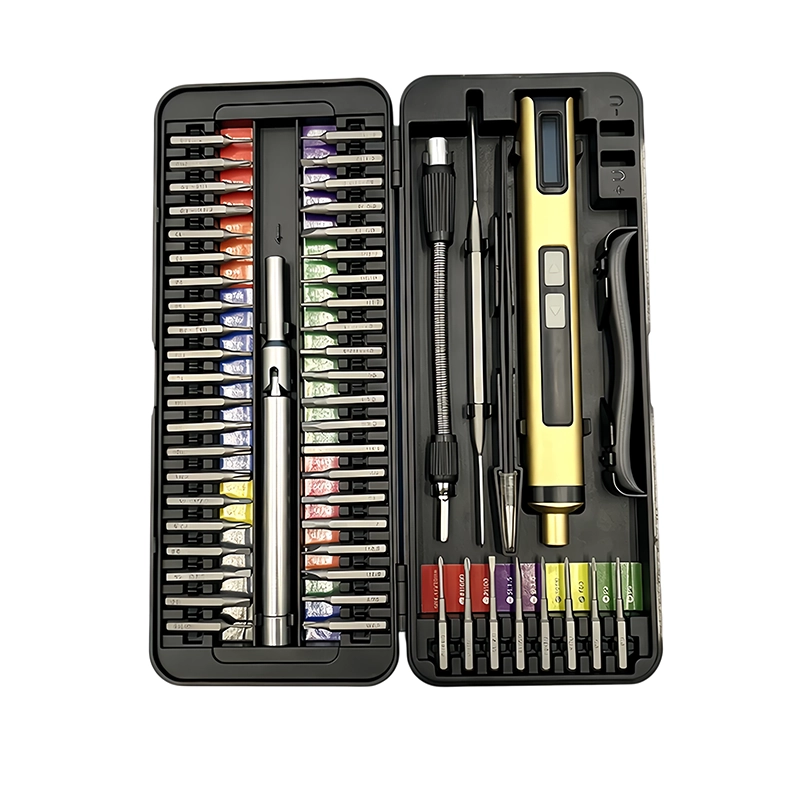
Electric Screwdriver for Laptop Repair: What Experienced Repair Shops Usually Look For Anyone who has worked in laptop repair for a while knows this: A screwdriver can either make repair work smooth… or make the entire day annoying. On paper, most precision electric screwdrivers look similar. The product pages all say the same things — powerful motor, long battery life, premium bits, professional design. But once you actually use them in a repair shop every day, the differences become obvious very quickly.
Some screwdrivers feel stable and comfortable. Others start causing problems after only a few weeks. For repair shops handling laptops daily, buying the right electric screwdriver is less about marketing and more about practical details. Here’s what experienced technicians usually pay attention to before purchasing. Screw Control Is More Important Than Speed Laptop repair is delicate work. You’re dealing with tiny screws, thin plastic frames, fragile clips, and expensive internal components.
A screwdriver that spins too aggressively can easily damage screws or leave marks around the housing. That’s why most technicians don’t actually care about extreme speed. What matters more is control. A good precision electric screwdriver should start smoothly, stop naturally, and feel predictable in the hand. Especially during motherboard repairs or fan replacements, stable control matters much more than raw power. Poor Bits Ruin Repairs Faster Than People Expect A lot of technicians learn this lesson the hard way.
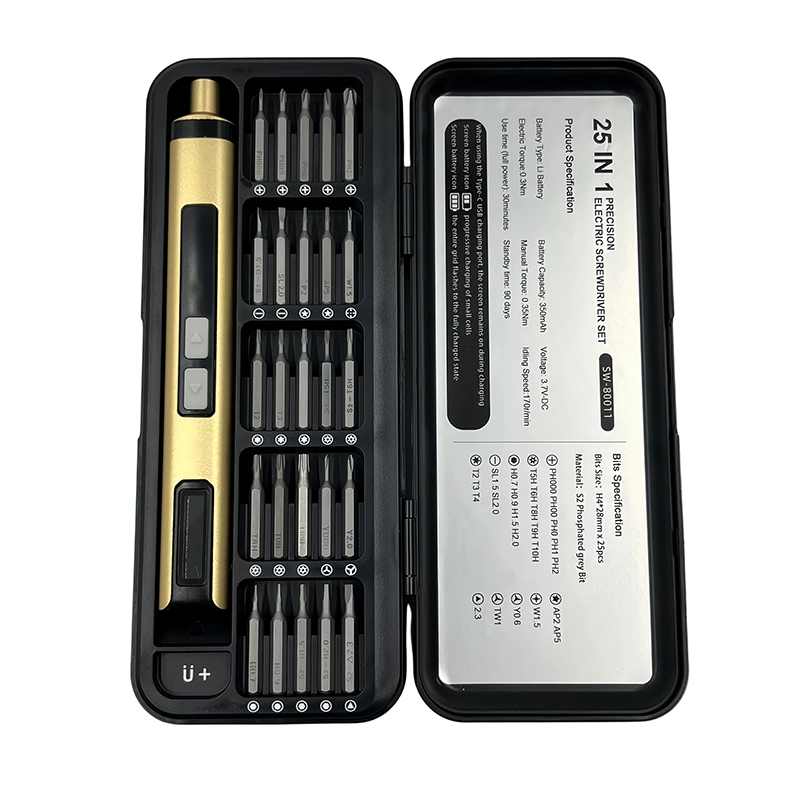
Cheap screwdriver bits usually work fine at first. Then after repeated repairs, the edges begin wearing down. Once that happens, screws start slipping more often. And anyone working in electronics repair knows how frustrating stripped laptop screws can become. That’s why many repair shops prefer harder S2 steel bits instead of lower-grade materials. For daily laptop repair work, the most commonly used bit types are usually: PH000 / PH00 Phillips Torx T2–T6 Pentalobe Hex Tri-point Good bits save more time than most people realize.
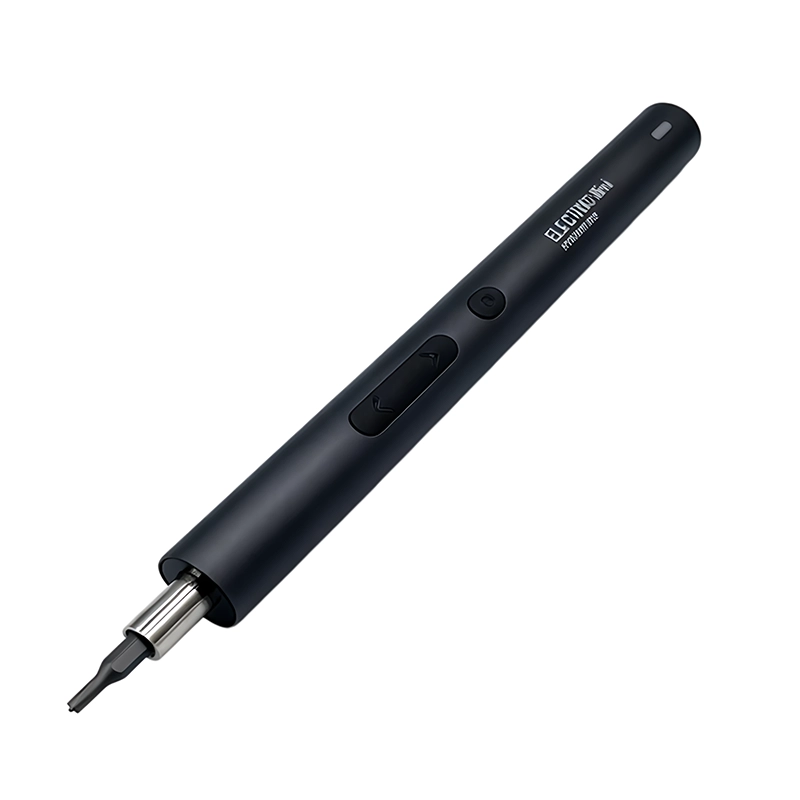
Lightweight Tools Reduce Fatigue Technicians may remove hundreds of screws during a busy day. A heavy screwdriver may not feel uncomfortable during the first repair, but after several hours, hand fatigue becomes noticeable. That’s one reason slim precision electric screwdrivers are so common in electronics repair shops now. Most technicians prefer: Compact size Lightweight body Comfortable grip Easy one-hand operation Simple tools are often the most practical.
Oversized designs usually make more sense for construction work than precision electronics repair. Battery Reliability Matters in Busy Repair Shops Repair work slows down quickly when tools constantly need charging. Most shops now prefer USB-C rechargeable screwdrivers because they’re easier to charge using standard cables already available in the workspace. Battery stability also matters more than maximum motor speed.
Technicians want tools that maintain consistent performance throughout the workday instead of becoming weaker as battery levels drop. Reliable battery performance keeps workflow smooth, especially during busy repair periods. Quiet Motors Make a Difference This is one of those details people don’t think about until they spend all day around noisy tools. Some low-cost electric screwdrivers become surprisingly loud after regular use.
Constant motor noise may not sound important, but over time it affects the working environment. Quieter tools make repair benches feel cleaner and more professional, especially in customer-facing stores. Most technicians appreciate low-noise operation more than flashy extra features. Repair Shops Usually Want Organized Tool Kits In real repair environments, organization saves time. That’s why many repair technicians prefer complete precision repair kits instead of buying only a screwdriver.
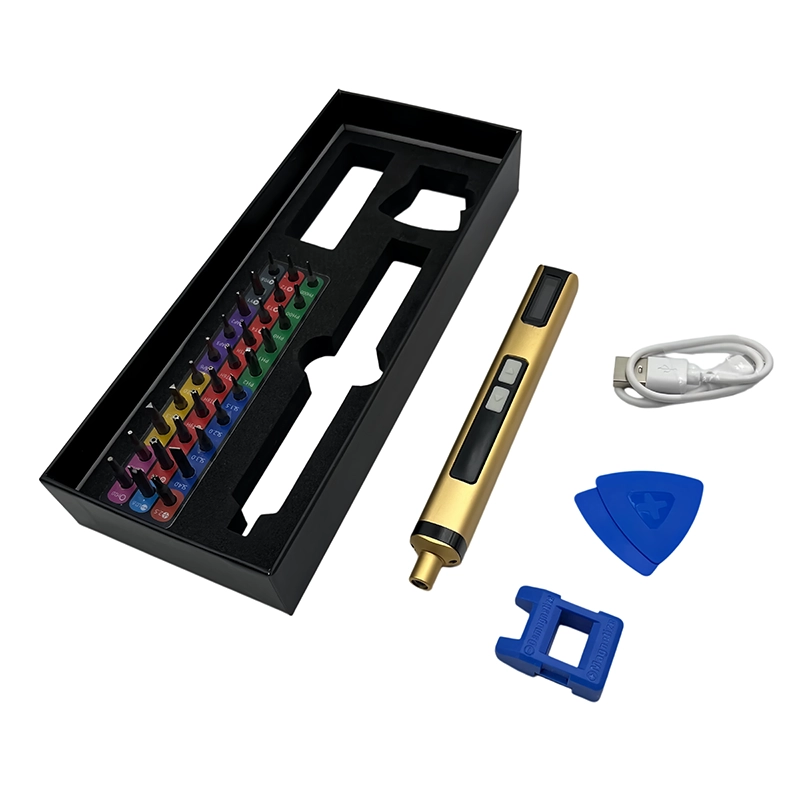
A typical electronics repair kit may include: Precision screwdriver bits Pry bars Tweezers Magnetic screw pads Extension rods Cleaning brushes Flexible shafts When everything is stored neatly in one case, technicians work faster and spend less time searching for tools. Cheap Tools Usually Don’t Last Long Many repair shops initially choose the lowest-priced option because it seems like an easy way to reduce costs. But after several months of daily use, cheaper tools often start developing problems: Weak batteries Worn bits Inconsistent torque Loose buttons Short lifespan Then repairs become slower and technicians become frustrated.
For businesses handling repair work every day, durability matters much more than saving a small amount upfront. Reliable tools simply make daily work easier. What Repair Technicians Actually Care About Most experienced repair technicians aren’t looking for fancy features. Usually, they care about practical things like: Comfortable handling Consistent torque Durable bits Good battery life Lightweight design Smooth operation Reliable daily performance That’s it.
The best repair tools are usually the ones technicians stop thinking about because they simply work properly every day. Final Thoughts Laptop repair already requires patience, focus, and precision. The last thing technicians need is a screwdriver that creates additional problems during repairs. For repair shops, choosing a good precision electric screwdriver is really about long-term reliability and comfortable daily use.
Because after enough repairs, most technicians realize something simple: A dependable tool saves more time than any marketing promise ever will. FAQ
What type of electric screwdriver is best for laptop repair?
Most repair shops prefer compact precision electric screwdrivers with low torque control, lightweight design, and magnetic precision bits.
Why are S2 steel bits popular in repair shops?
S2 steel bits are more durable and resistant to wear, making them suitable for high-frequency daily repair work.
Is high torque necessary for laptop repair?
No. Laptop repair usually requires controlled low torque to avoid damaging screws and delicate internal components.
Why do technicians prefer magnetic bits?
Magnetic bits help hold tiny screws securely, making assembly and disassembly much easier during electronics repairs.
Are USB-C rechargeable screwdrivers better?
Most repair shops now prefer USB-C models because charging is more convenient and compatible with modern devices.
Can electric screwdrivers damage laptops?
If the torque is too high or unstable, yes. That’s why precision torque control is important for electronics repair tools.
What repair work commonly uses precision electric screwdrivers?
They are widely used for laptop repair, smartphone repair, tablet repair, gaming console repair, camera repair, and other electronics servicing tasks.
Should repair shops buy complete repair kits?
For most repair environments, complete repair kits improve organization and efficiency by keeping all commonly used tools together.
Technical review
Checked against current ToolQeen product and factory materials.
Use this guide to prepare better sourcing questions. Confirm final specifications, quantities, documents and lead times for the selected model and market.
Related product platforms